Norse Pantheon
Tyr
Also known as Tiw, Ziu
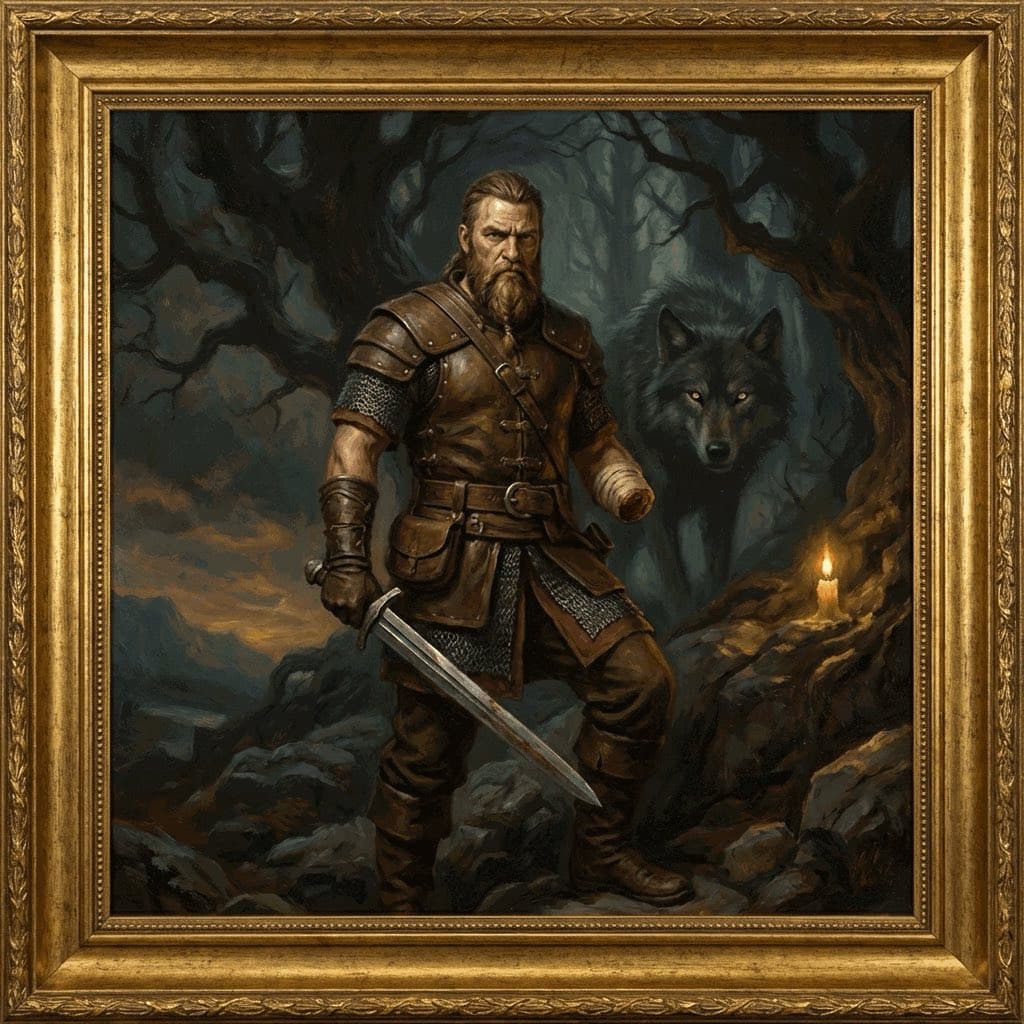
- war
- justice
- law
- courage
- oaths
God of war, justice, and law. Bravest of the gods. Sacrificed his right hand to bind the wolf Fenrir, demonstrating his courage and willingness to uphold cosmic order.
About Tyr
The One-Handed God
Tyr is the ancient god of war and the guarantor of justice and oaths, linked to the thing, the assembly where Germanic peoples settled disputes. While Thor represents the physical strength of a warrior, Tyr represents the legal and moral principles of war.
The Binding of Fenrir
When the gods decided to bind the monstrous wolf Fenrir, the beast only agreed to be chained if one of them placed a hand in his mouth as a pledge of good faith. Tyr alone had the courage to do so. When Fenrir realized he was trapped, he bit off Tyr's hand.
Origin story
Tyr's origins are mysterious and debated among scholars of the myths. Some accounts name him as a son of Odin, while others claim he is the son of the giant Hymir, making him older than the Aesir themselves. Indeed, linguistic evidence suggests Tyr may have once been the chief sky god of the Germanic peoples before Odin rose to prominence. The rune Tiwaz, which bears his name, is among the oldest of the runic alphabet. Regardless of his parentage, Tyr became the god whom warriors invoked before battle and to whom oaths were sworn, embodying the sacred bond between valor and honor.
Across traditions
Parallel figures
Figures who play a role like Tyr's in other traditions.
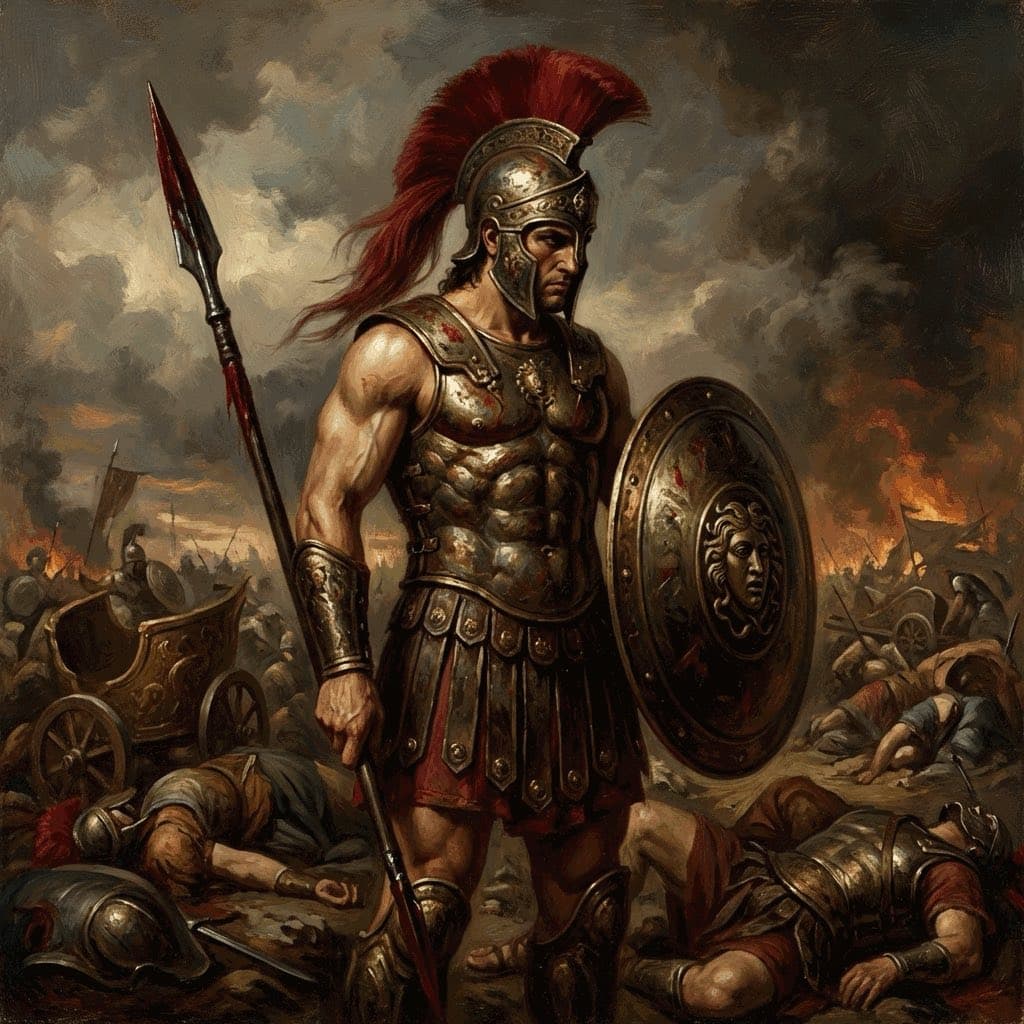 GreekAresIllustration
Both are gods of war associated with courage and combat
Compare Tyr and Ares side by side CelticNuada AirgetlámIllustration
Both are sovereign gods of war and justice who sacrifice/lose a hand in a myth central to their claim to rightful kingship
Compare Tyr and Nuada Airgetlám side by side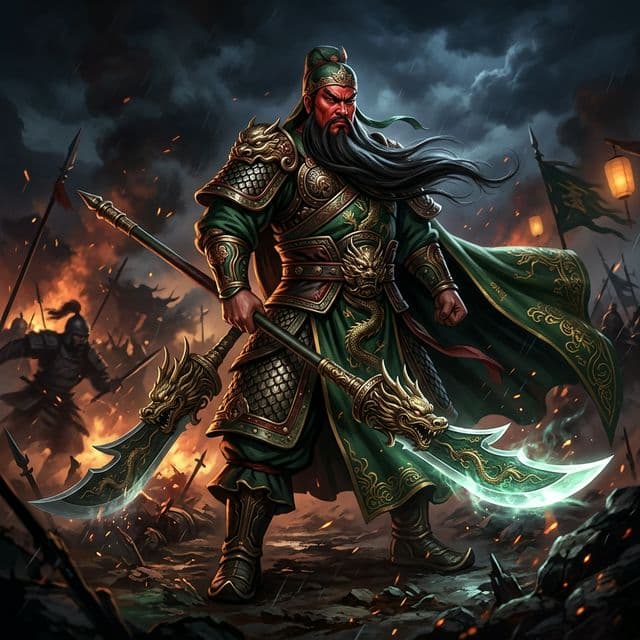 ChineseGuan YuIllustration
Both are war gods whose domain centers on oaths, loyalty, and righteous justice rather than raw violence alone
Compare Tyr and Guan Yu side by side
Worship and cult
Temples, festivals, and practices recorded for Tyr
Tuesday is his. One-handed keeper of the thing and of the wolf's binding. Cult evidence is linguistic and onomastic. He looks older than Odin in the weekday layer, then recedes in the written myths.
Sacred sites
- Place-names in Denmark and England more than standing temples
Festivals
- Thing-assemblies under his name in reconstruction
In the atlas
Where Tyr appears
Play the myth
Branching retellings featuring Tyr: your choices decide the ending.
Sources and further reading
Source notes
These references are recorded in the catalog. Their passage wording and translation have not been checked, so quotations are not displayed here.
- Prose Edda, Gylfaginning (trans. Anderson)
About this entry
By Elizabeth Stein for Mythos Atlas. About the author. Editorial notes are grounded in the site's cited sources and can be challenged through the contact page.
Parallels are editorial comparisons across traditions: a shared role does not, by itself, establish a shared origin.
Keep exploring
One myth a week, with its sources in a short email. The sign-up form is just below.
Genealogy
Family tree
Tyr's parents, consorts, children and rivals, as recorded in the atlas.