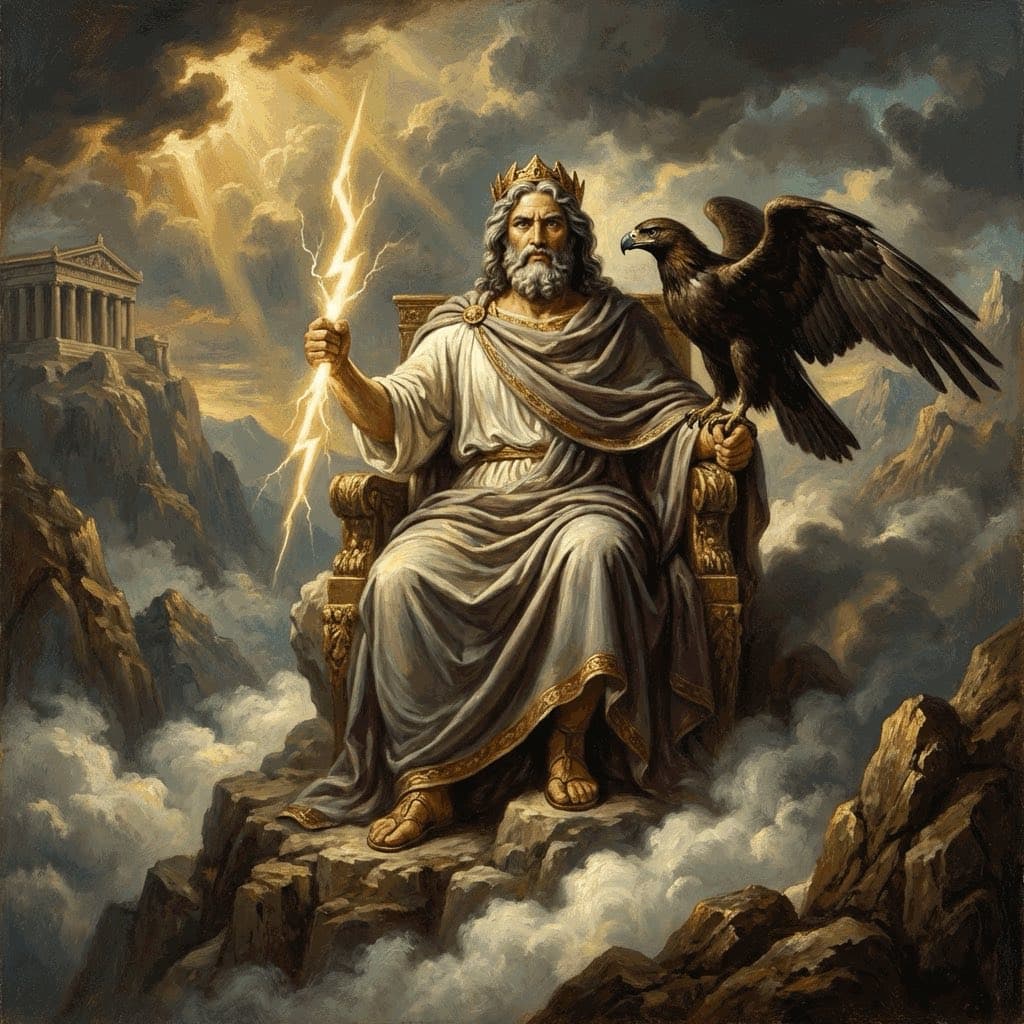
Major deity
Greek
Zeus
King of the gods and ruler of Mount Olympus. God of the sky, thunder, and justice. Zeus overthrew his father Cronus to become the supreme deity of the Greek pantheon.
Divine Beings
Gods and goddesses from 26 traditions, with family trees, domains, and stories.
Catalog pictures are illustrations, not historical artworks. About our images
King of the gods and ruler of Mount Olympus. God of the sky, thunder, and justice. Zeus overthrew his father Cronus to become the supreme deity of the Greek pantheon.
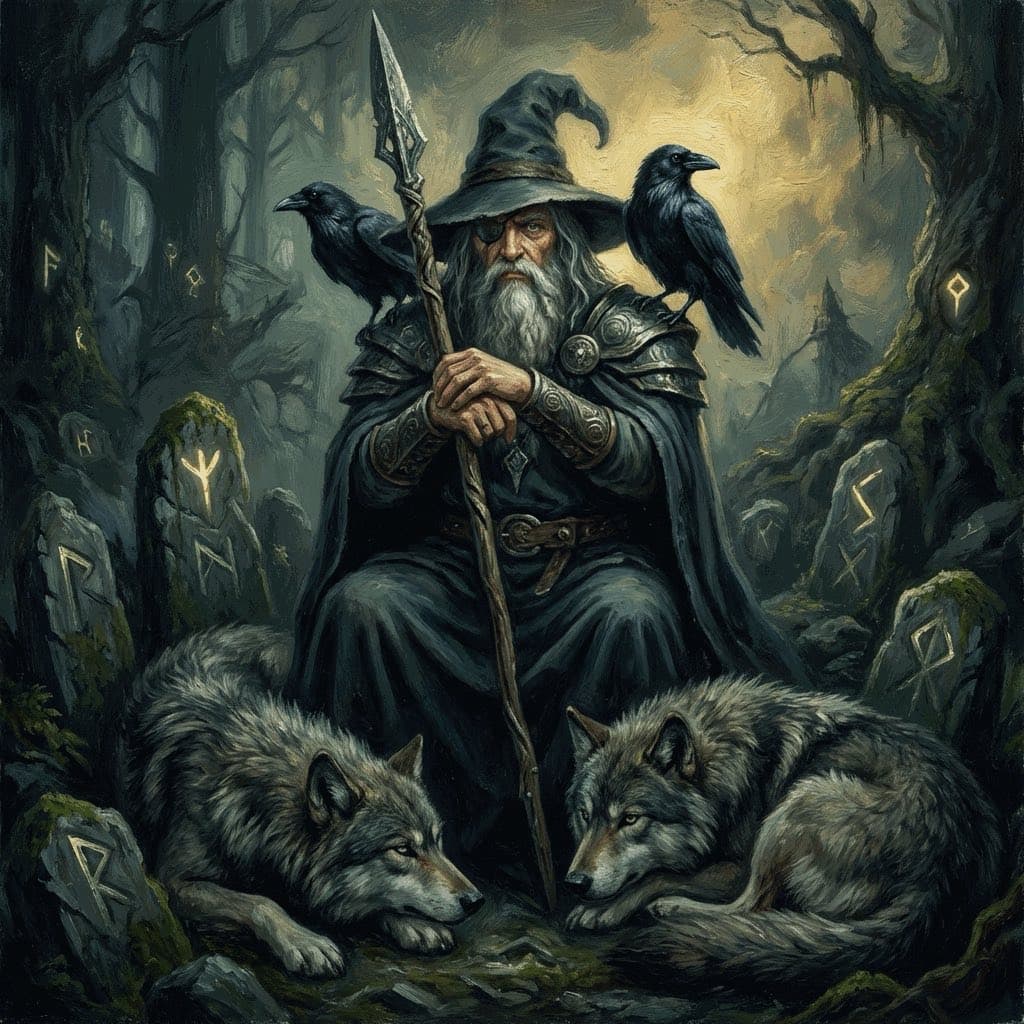
King of the Aesir and god of wisdom, war, and death. Odin sacrificed his eye at Mimir's well for wisdom and hung himself on Yggdrasil for nine days to learn the runes.
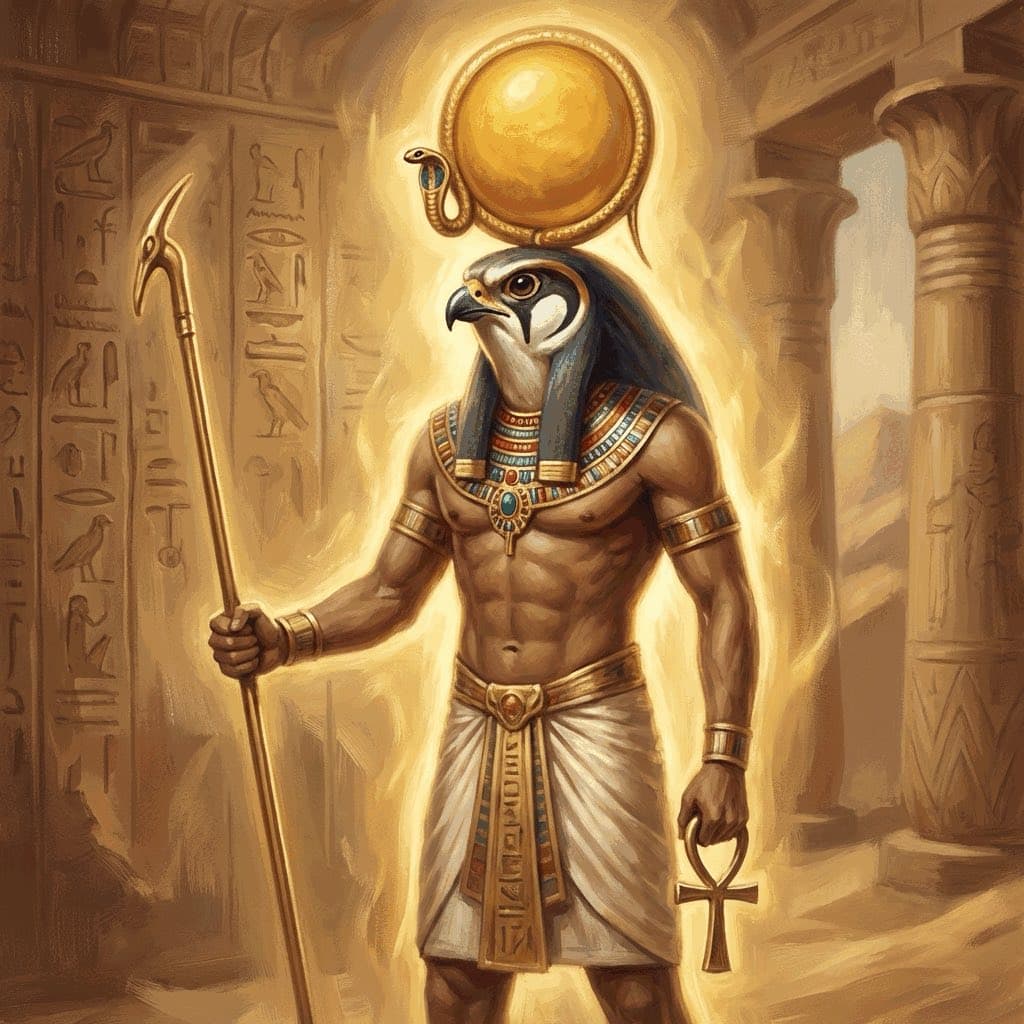
The supreme solar deity and creator god. Ra travels across the sky each day in his solar barque and through the underworld each night, battling the serpent Apophis.
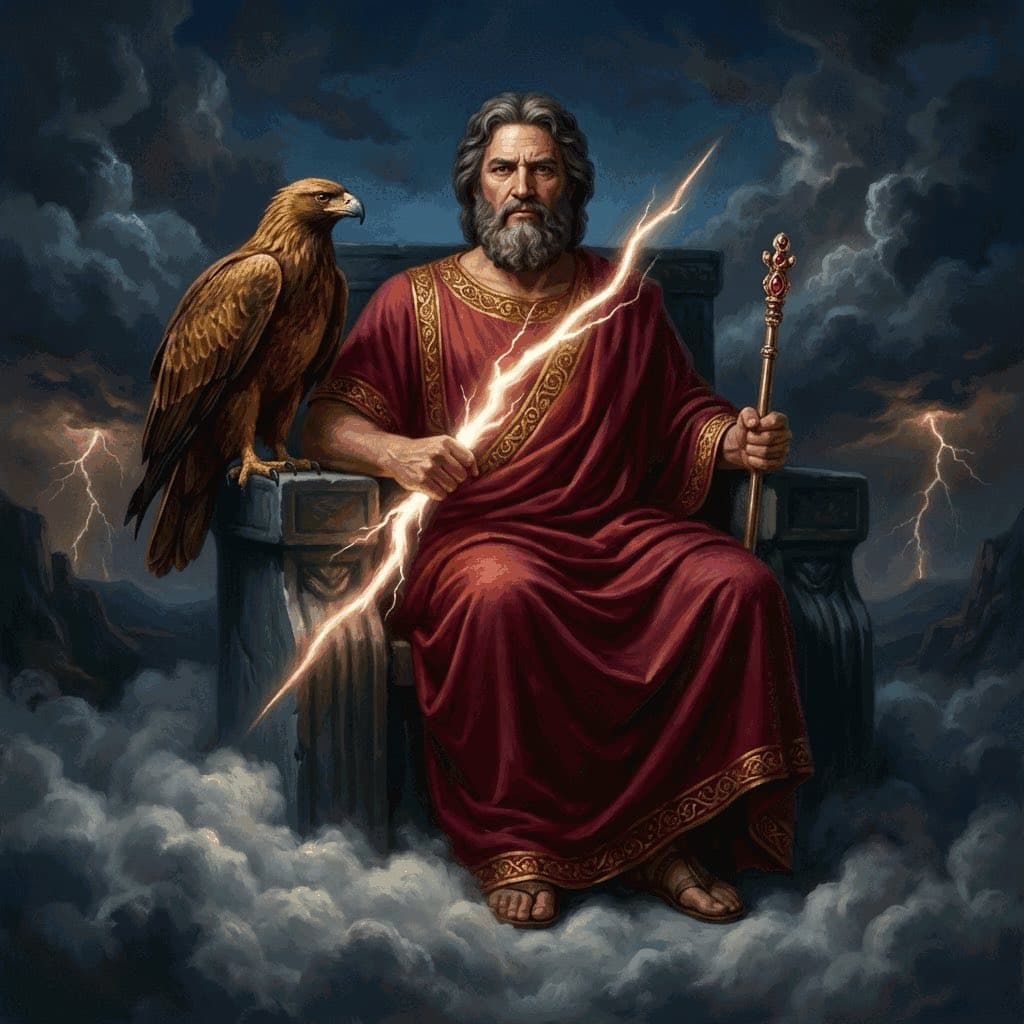
King of the gods and god of sky, lightning, and thunder. Supreme deity of the Roman state religion, protector of Rome and source of divine authority for Roman emperors.
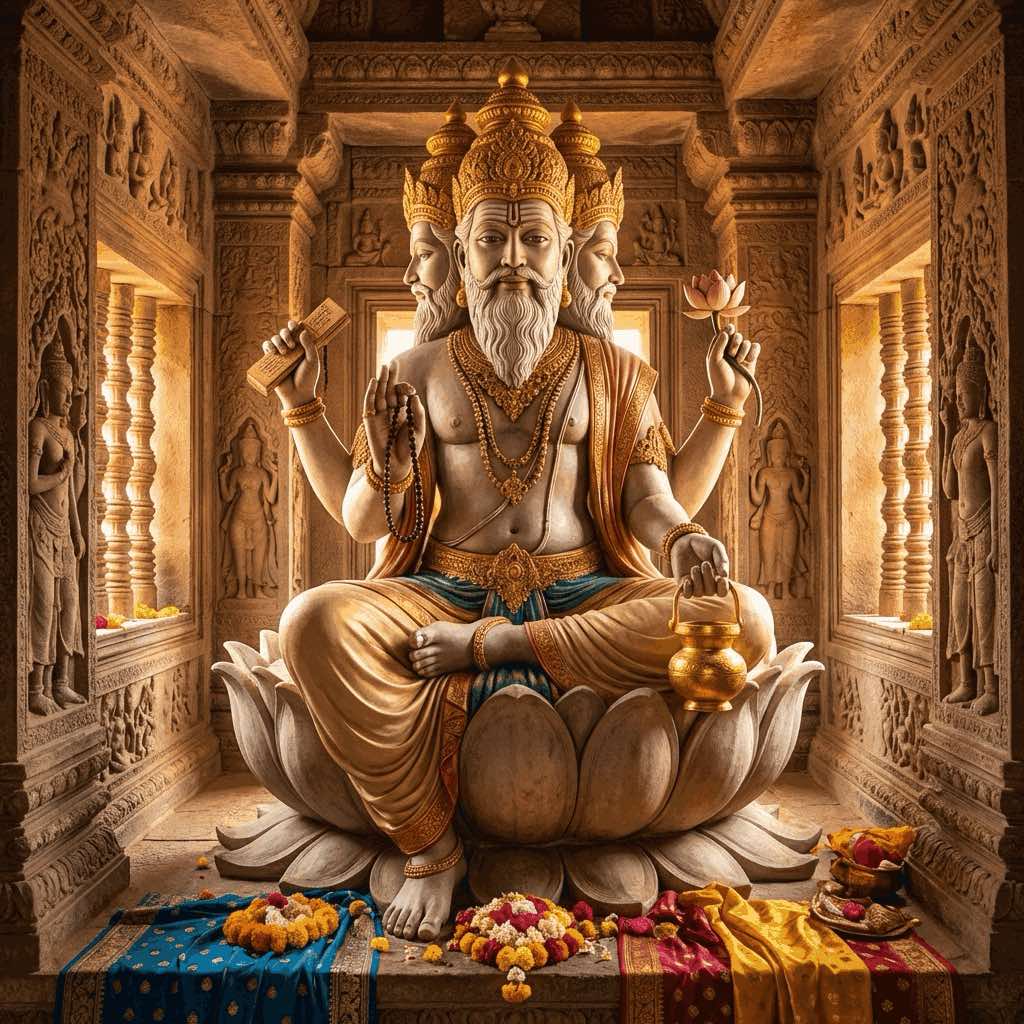
The creator god and first member of the Trimurti. Brahma created the universe and all creatures. Depicted with four heads facing the four directions, representing omniscience.
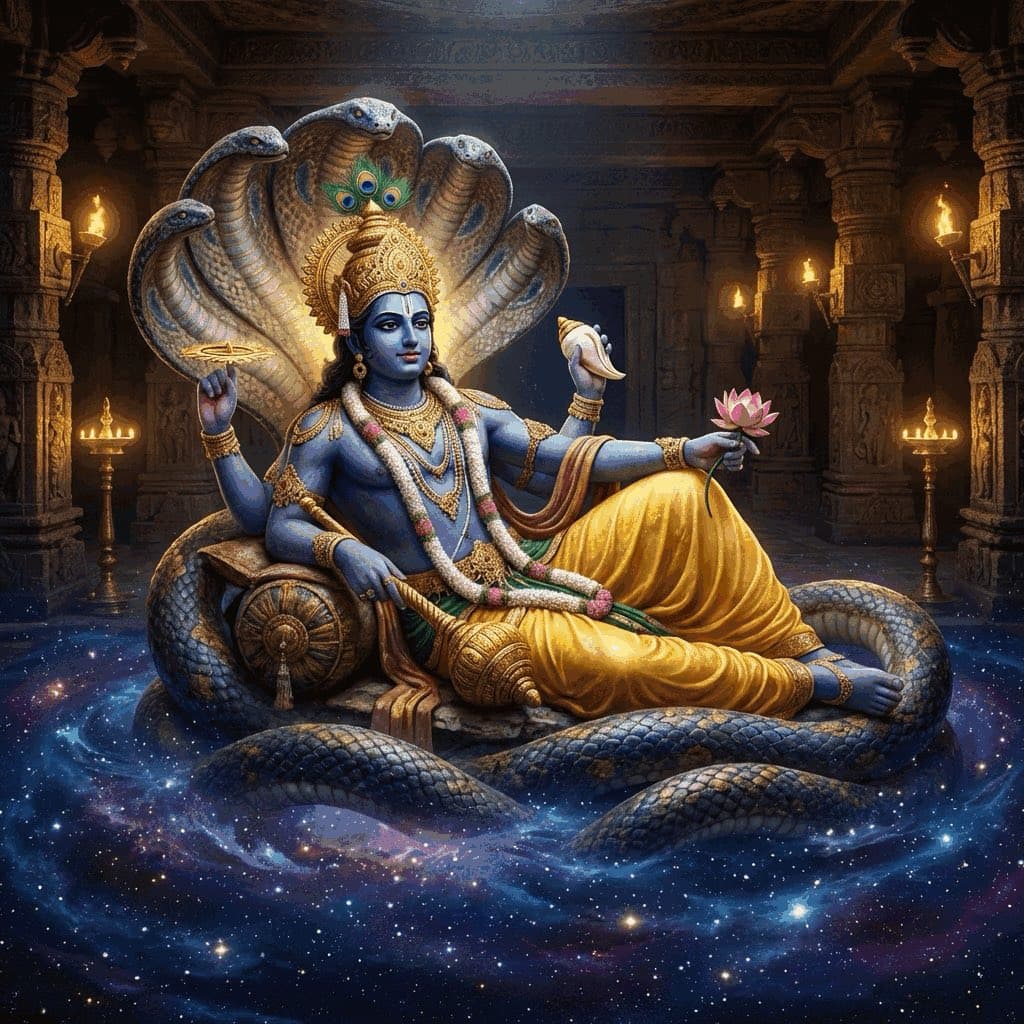
The preserver and protector of the universe, second member of the Trimurti. Vishnu maintains cosmic order (dharma) and appears in various avatars to restore balance when evil threatens.
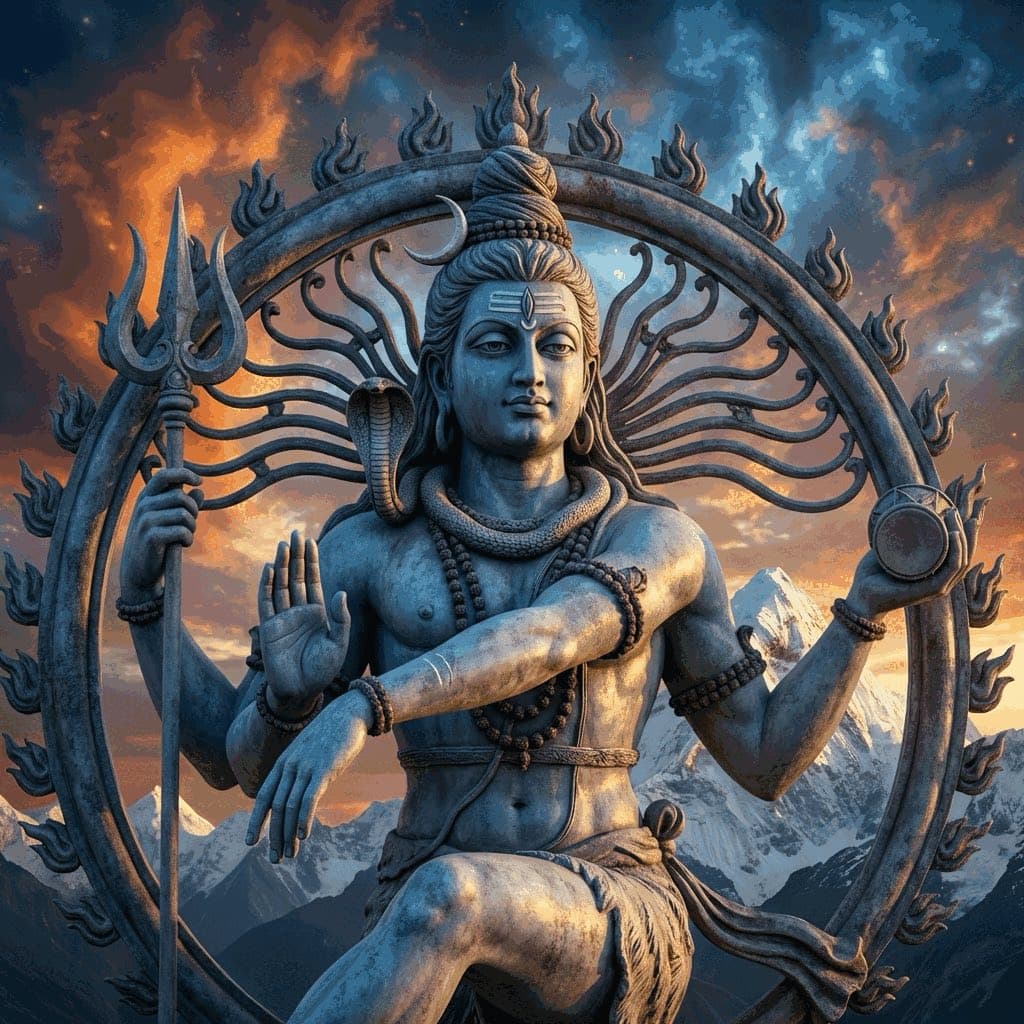
The destroyer and transformer, third member of the Trimurti. Shiva destroys the universe at the end of each cosmic cycle to allow recreation. God of meditation, yoga, and the arts.
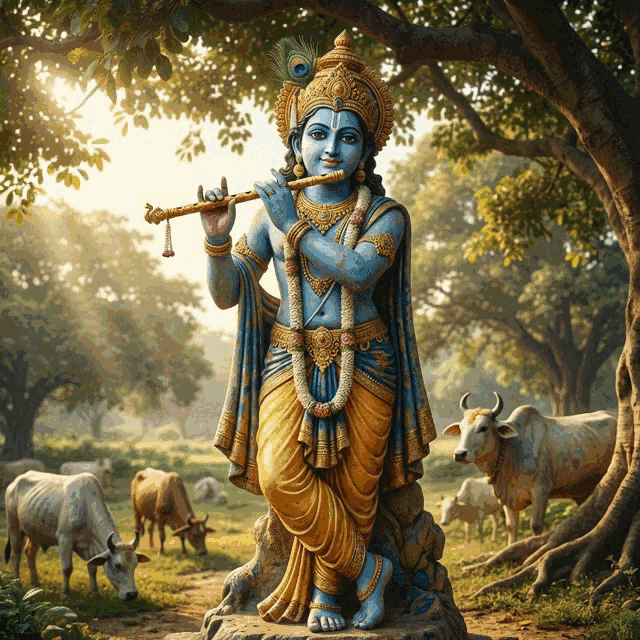
Eighth avatar of Vishnu and central deity. As a child, a playful cowherd; as an adult, prince and charioteer who spoke the Bhagavad Gita.
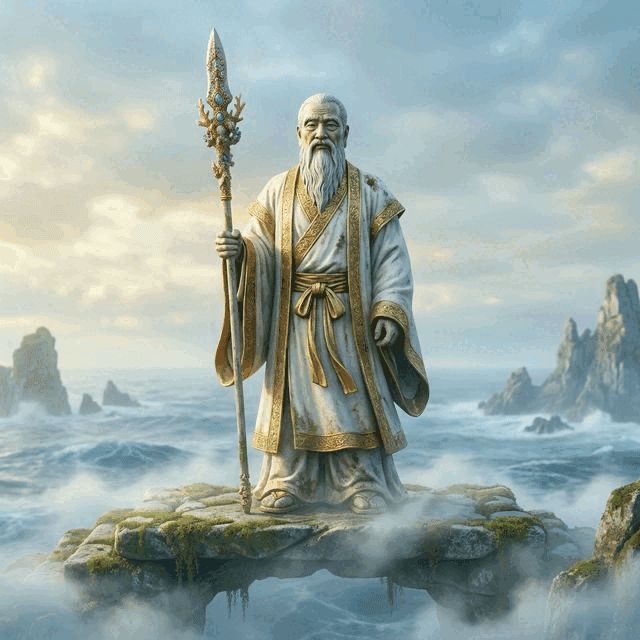
Male primordial deity who, with Izanami, created the Japanese islands and many kami. After Izanami's death, he performed the first purification ritual.
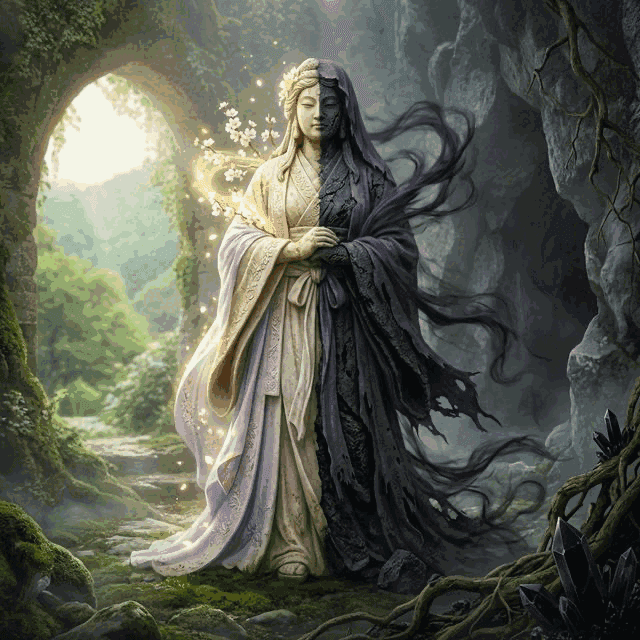
Female primordial deity who created the Japanese islands and kami with Izanagi. After dying in childbirth, she became goddess of death and ruler of Yomi.
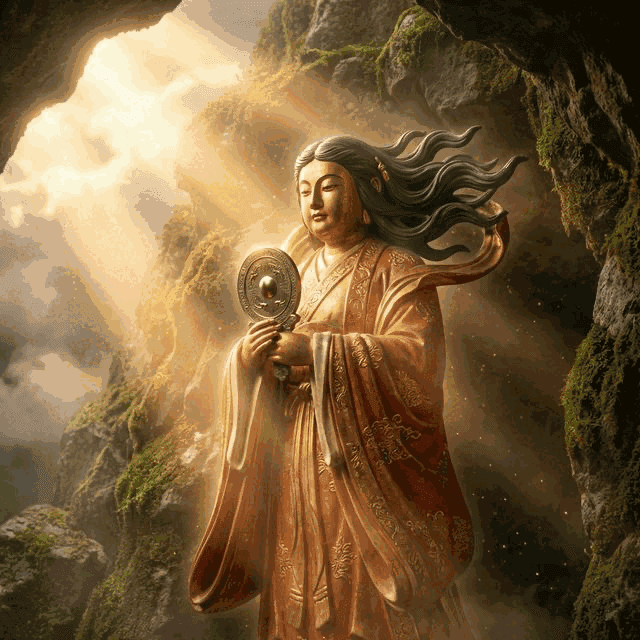
Supreme goddess of the sun and universe. Ruler of the High Celestial Plain. Divine ancestor of the Japanese Imperial family. Most important deity in Shinto.
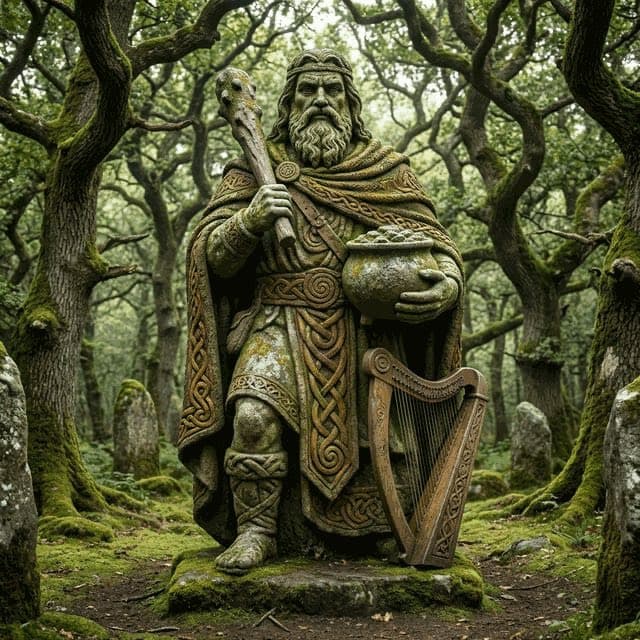
The father figure and king of the Tuatha Dé Danann. A giant, bearded powerhouse with a magic club that can kill with one end and heal with the other, and a cauldron that never runs empty.
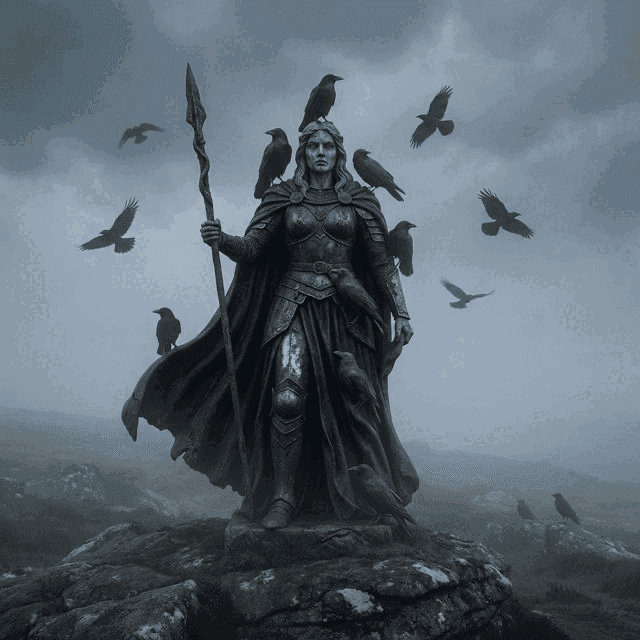
A shapeshifting goddess of war and fate, often appearing as a crow to foretell doom or victory. She represents the terrifying power of sovereignty.
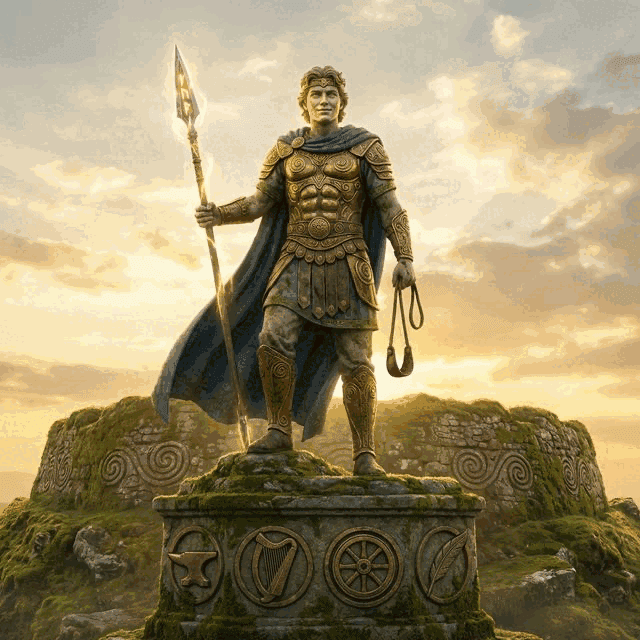
The master of all skills and arts. A youthful warrior king who led the Tuatha Dé Danann to victory against the Fomorians.
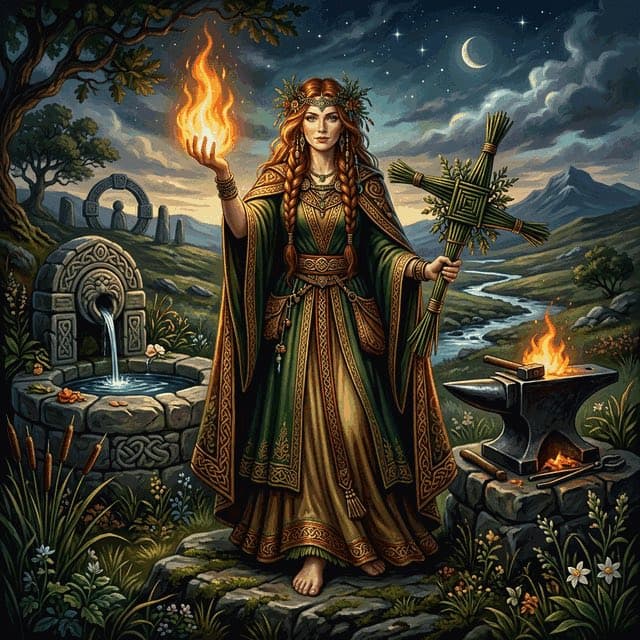
The exalted goddess of fire, poetry, and the forge. She bridges the worlds of creativity and craftsmanship, and her sacred flame burns eternally.
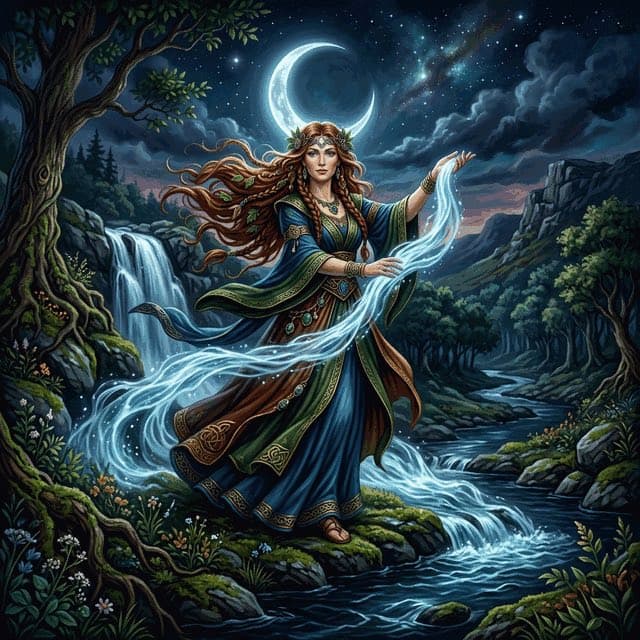
The primordial mother goddess whose name lives on in the Tuatha Dé Danann, the divine tribe of Ireland. Though rarely appearing in myths directly, her presence permeates the land itself.
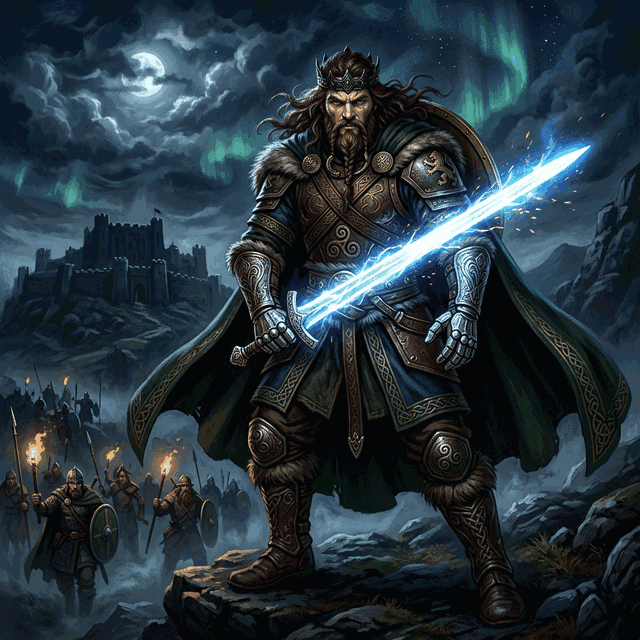
The first king of the Tuatha Dé Danann, who lost his arm in battle and his throne with it—until Dian Cécht forged him a working hand of silver.
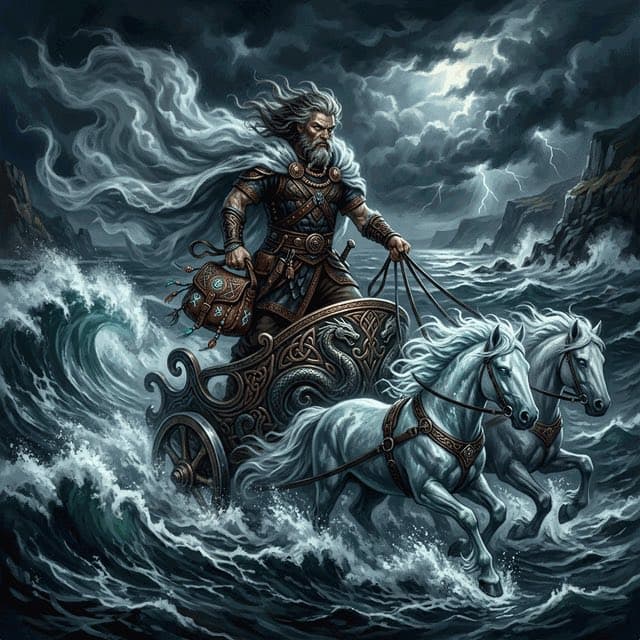
Lord of the sea and guardian of Tír na nÓg, the Land of Youth. He rides the waves in his chariot and cloaks the Otherworld in mist.
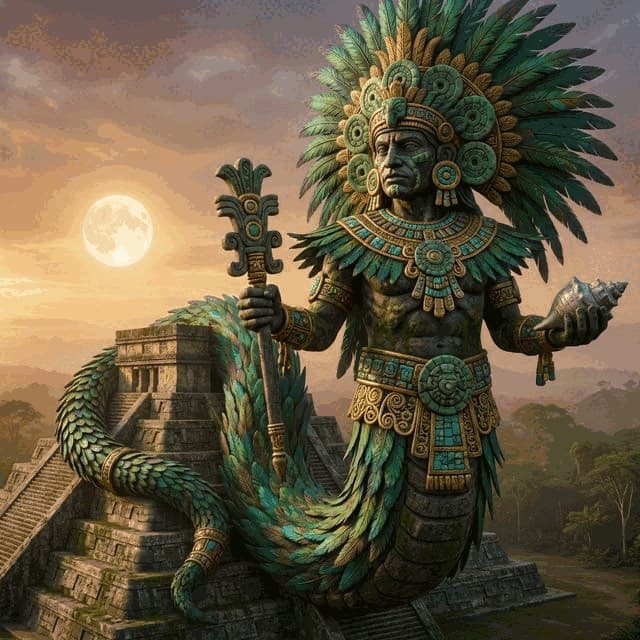
The Feathered Serpent, a creator deity who contributed to the creation of mankind. Patron of priests and inventor of books and the calendar.
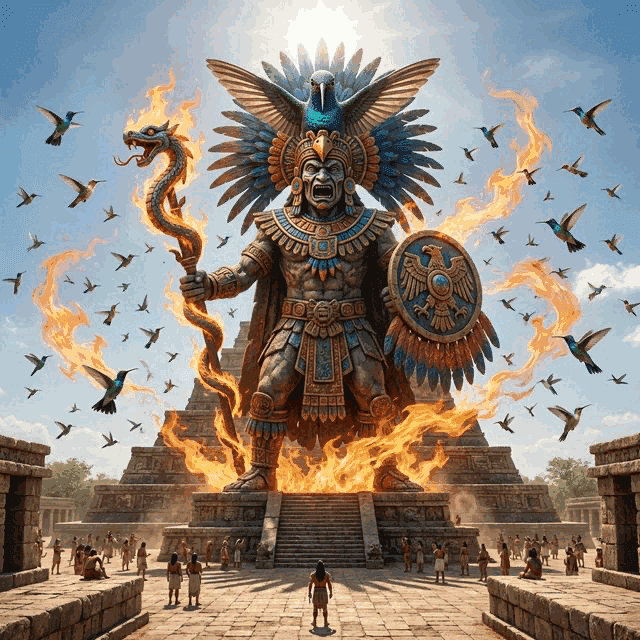
The patron god of the Aztecs and Tenochtitlan. A solar warrior who requires blood sacrifice to battle the infinite night and keep the sun moving.
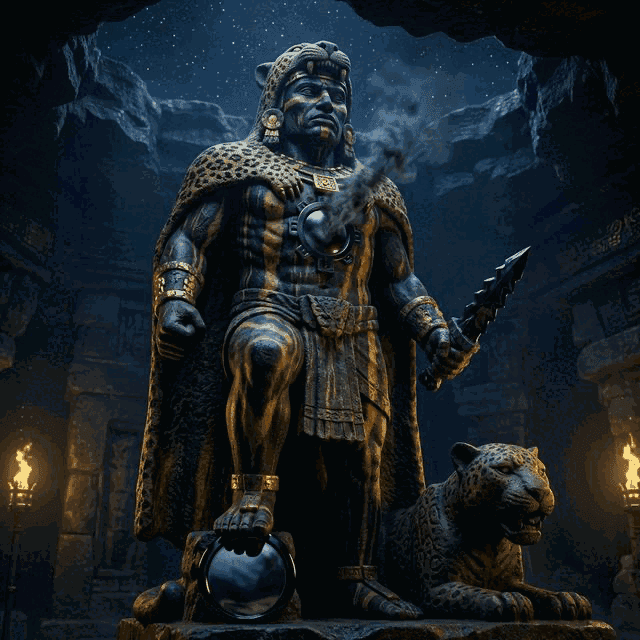
The omnipotent and capricious god of the night sky, ancestral memory, and time. Rival to Quetzalcoatl and tester of humanity.
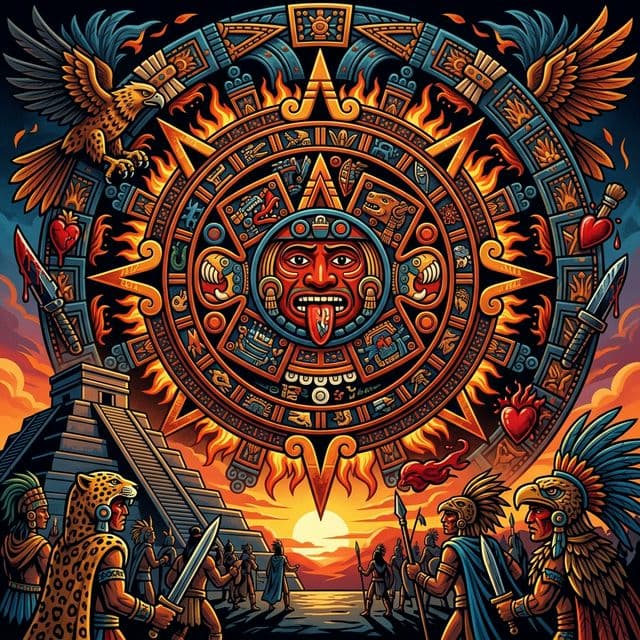
The sun god of the Fifth Sun (the current world age). Tonatiuh demanded human hearts and blood to fuel his daily journey across the sky, driving the Aztec system of ritual sacrifice.
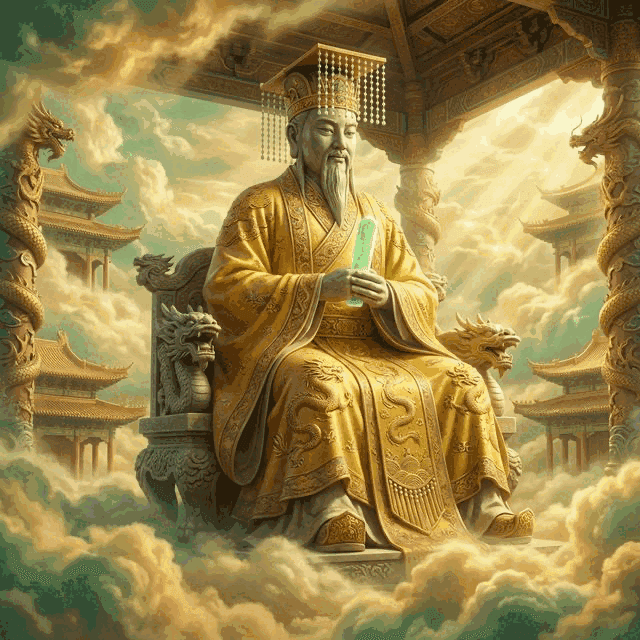
The supreme ruler of Heaven and lord of all gods. He governs the cosmos through a vast celestial bureaucracy, determining the fate of mortals and immortals alike.
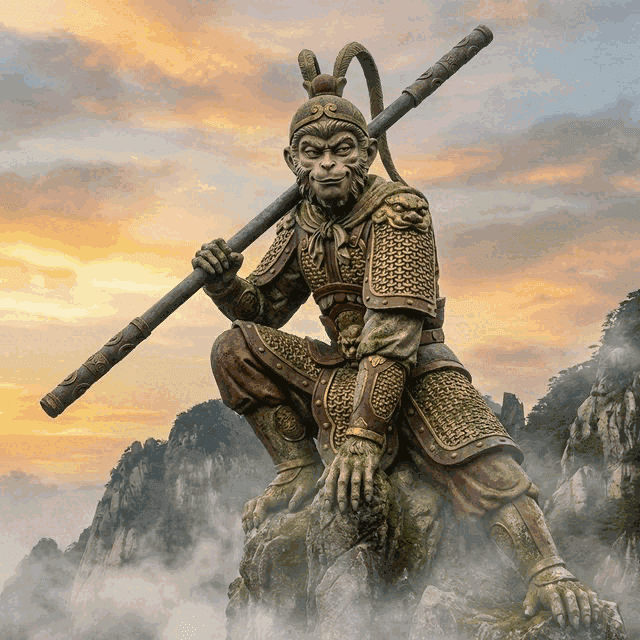
A monkey born from a magical stone who acquired supernatural powers through Taoist cultivation. After wreaking havoc in Heaven, he was imprisoned for 500 years before redeeming himself as the protector of the monk Tang Sanzang on the journey to retrieve Buddhist scriptures.
Showing 1–24 of 360
This directory works best when you use it to compare divine functions across traditions rather than reading one entry at a time. Filter by tradition, switch between grid and table views, and look for recurring patterns such as storm gods, underworld rulers, healers, culture heroes, and tricksters. Once you find a deity, jump into the full entry for symbols, relationships, stories, and linked places in the broader mythology graph.
Good next stops after the major sky and underworld gods broaden the atlas into hearth cults, agricultural religion, Egyptian protection deities, and Norse family life: