Greek Pantheon
Hestia
Also known as Vesta
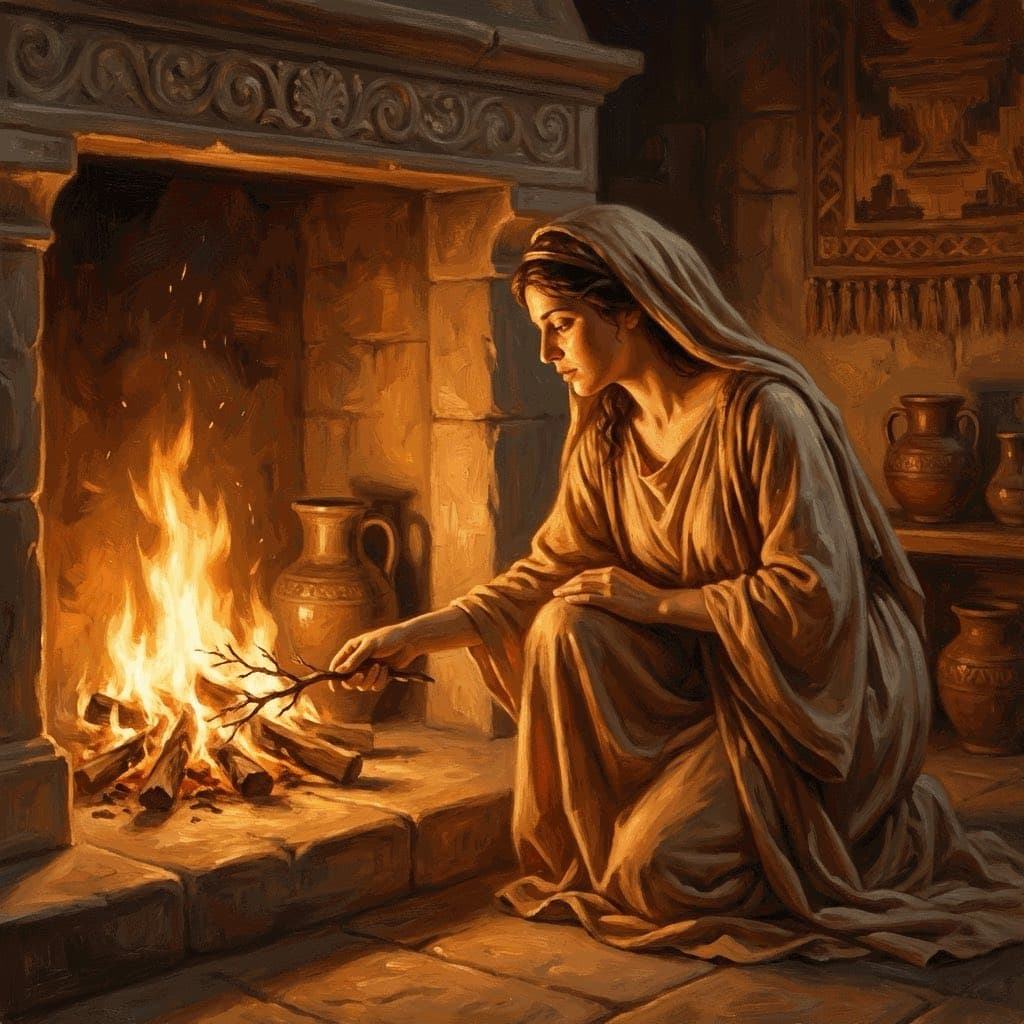
- hearth
- home
- domesticity
- family
Goddess of the hearth, home, and family. The firstborn of Cronus and Rhea, she maintained eternal virginity and tended the sacred fire of Olympus.
About Hestia
Keeper of the Hearth
Hestia is the gentle goddess of the hearth fire (hestia), which burned in the center of every Greek home and city. She received the first offering at every sacrifice.
First and Last
She was the first child swallowed by Cronus and the last regurgitated, making her both the oldest and youngest of the Olympians. She gave up her seat on Olympus to Dionysus to prevent conflict, tending instead to the sacred fire that could never go out.
Across traditions
Parallel figures
Figures who play a role like Hestia's in other traditions.
 RomanVestaIllustration
Vesta is the direct Roman equivalent, goddess of the hearth and sacred household fire
Compare Hestia and Vesta side by side ChineseZao JunIllustration
Both preside over the domestic hearth and family harmony
Compare Hestia and Zao Jun side by side
Worship and cult
Temples, festivals, and practices recorded for Hestia
She is the first and last libation, the round hearth, the fire that must not go out. Public Hestia lived in the town hall. There is almost no personality cult because the goddess is the fixture.
Sacred sites
- No major independent temple; the hearth of every house
- Prytaneion hearths of Greek cities
Festivals
- Household offerings at the hearth
- Prytaneia
Family
Relationship sources
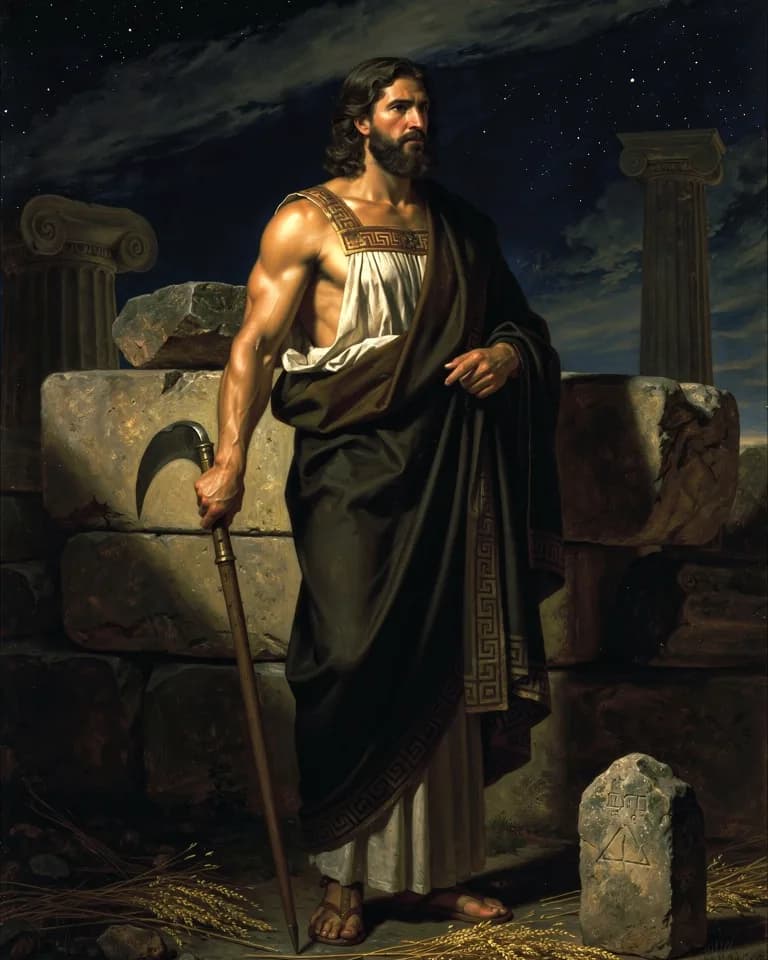
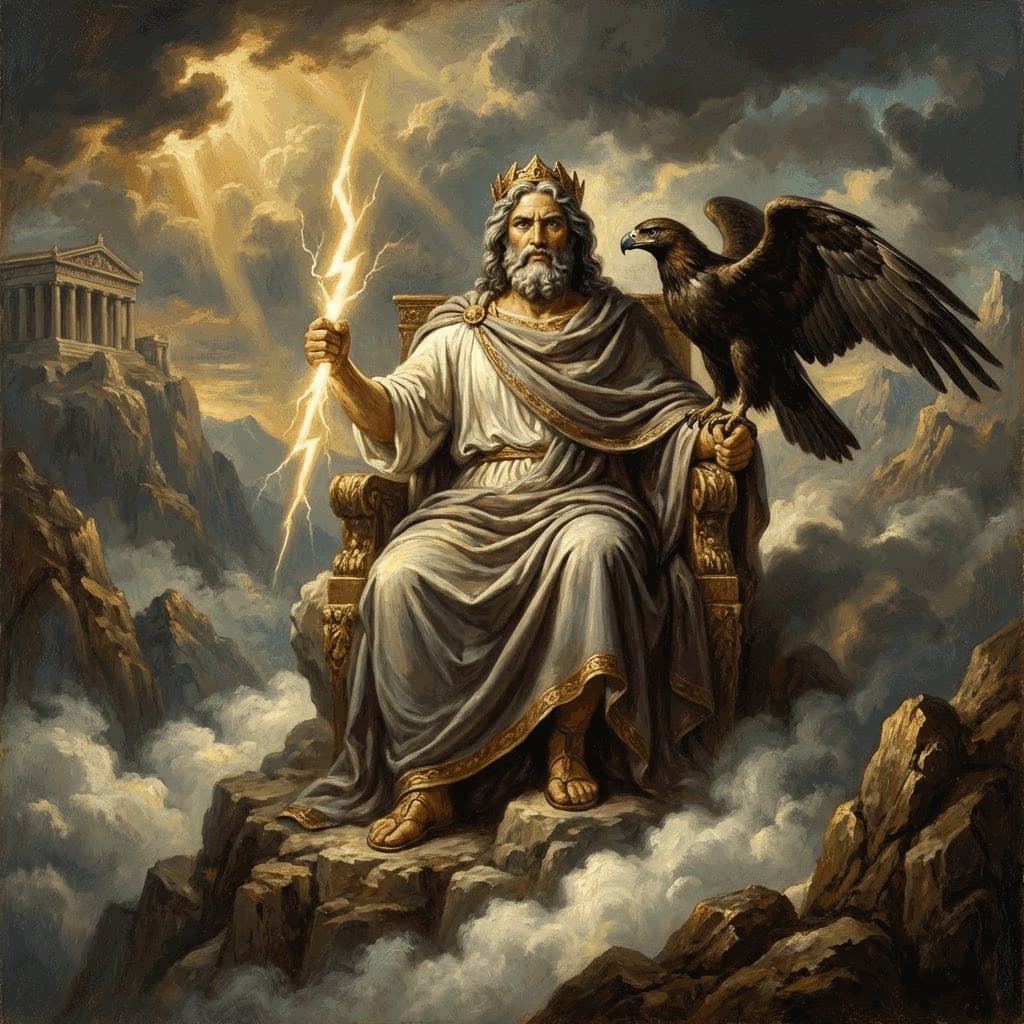
Theogony — Zeus sibling of Hestia
Hesiod · H. G. Evelyn-White, Hesiod, the Homeric Hymns and Homerica (1914), Loeb Classical Library 57; Theoi transcription · Theogony 453–458
Theogony — Cronus parent of Hestia
Hesiod · Hugh G. Evelyn-White, Hesiod, the Homeric Hymns and Homerica (1914), Project Gutenberg #348 · Theogony 453–491
Theogony — Rhea parent of Hestia
Hesiod · Hugh G. Evelyn-White, Hesiod, the Homeric Hymns and Homerica (1914), Project Gutenberg #348 · Theogony 453–491
Sources and further reading
Source notes
These references are recorded in the catalog. Their passage wording and translation have not been checked, so quotations are not displayed here.
- Homeric Hymn XXIX, To Hestia (trans. Evelyn-White)
Cite this page
No publication date is recorded for this page, so each citation uses n.d. and today's date as the access date.
About this entry
By Elizabeth Stein for Mythos Atlas. About the author. Editorial notes are grounded in the site's cited sources and can be challenged through the contact page.
Parallels are editorial comparisons across traditions: a shared role does not, by itself, establish a shared origin.
Family relationships come from the atlas's kinship records. Ancient sources often disagree on divine genealogy.
Keep exploring
One myth a week, with its sources in a short email. The sign-up form is just below.
Genealogy
Family tree
Hestia's parents, consorts, children and rivals, as recorded in the atlas.