Greek
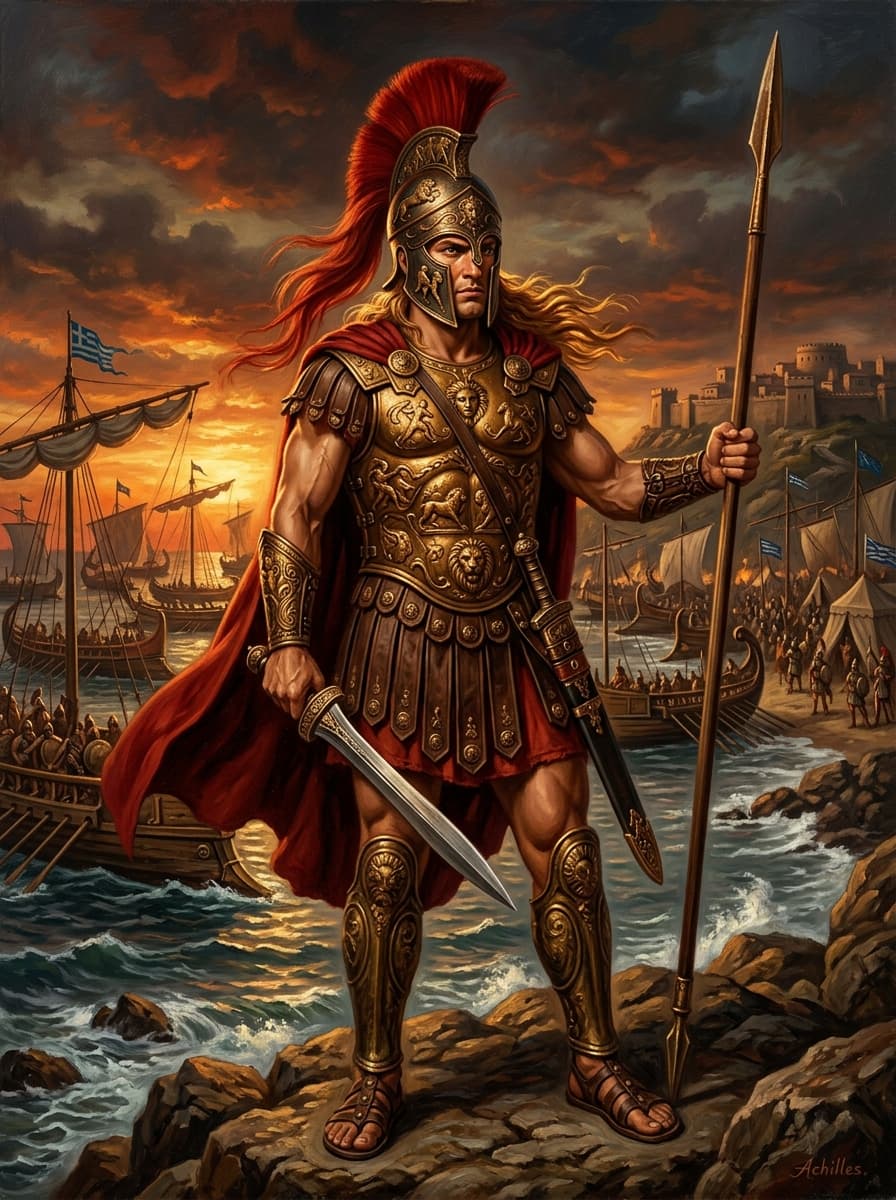
Achilles
Greatest warrior of the Greek forces at Troy, whose wrath and grief drive the plot of Homer's Iliad. Son of the mortal king Peleus and the sea-goddess Thetis.
Mortal Champions
Warriors, wanderers, and doomed champions from the world's great epics.
Catalog pictures are illustrations, not historical artworks. About our images
Greatest warrior of the Greek forces at Troy, whose wrath and grief drive the plot of Homer's Iliad. Son of the mortal king Peleus and the sea-goddess Thetis.
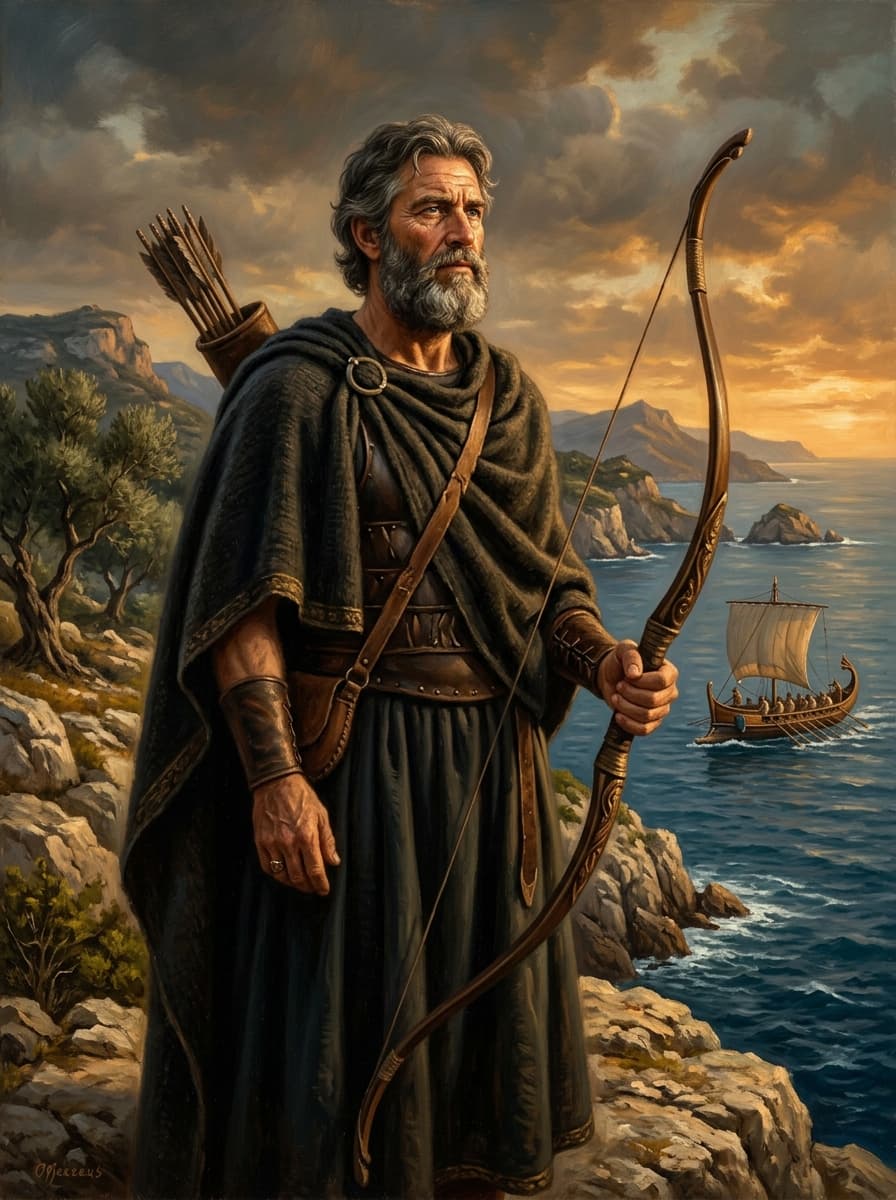
King of Ithaca famed for cunning rather than brute strength. Deviser of the Trojan Horse and protagonist of Homer's Odyssey, his ten-year voyage home after the Trojan War.
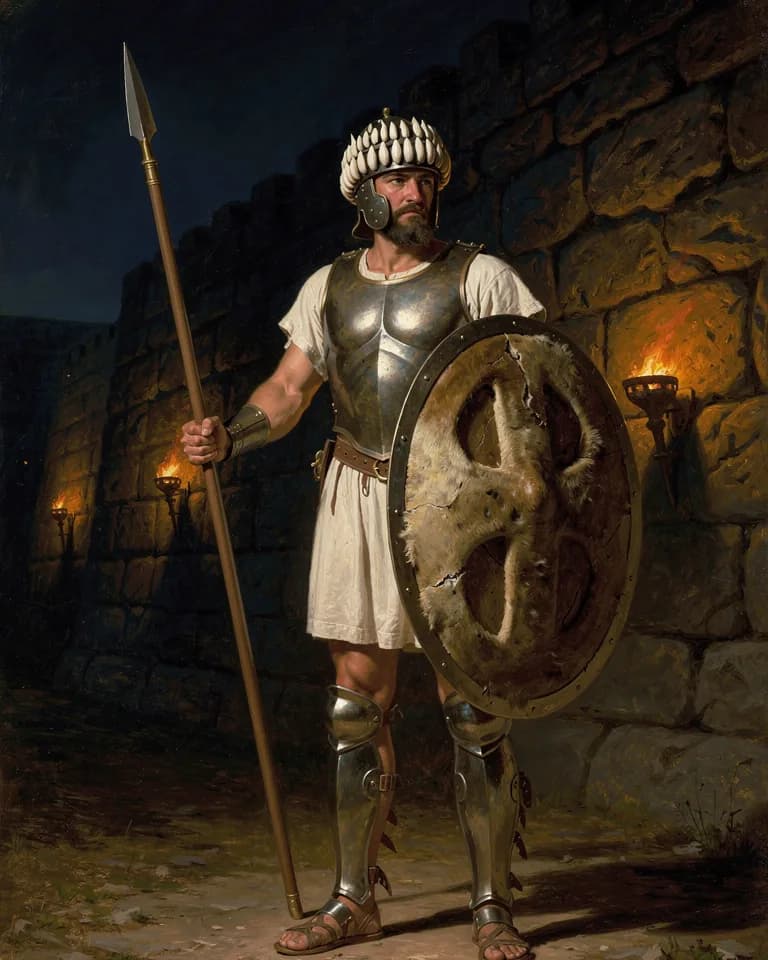
Crown prince of Troy and the city's greatest defender in the Iliad. Killed by Achilles in the poem's climactic single combat.
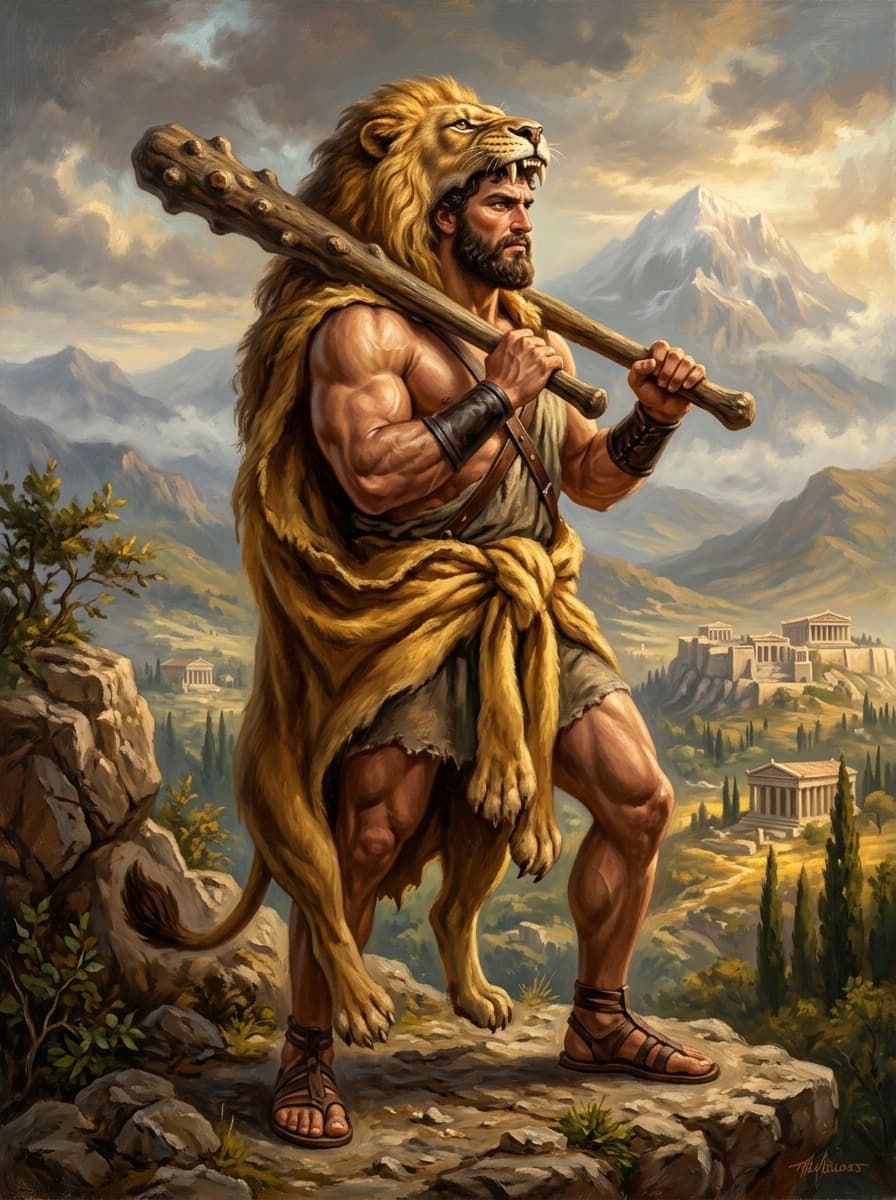
The most famous Greek hero, son of Zeus, celebrated for superhuman strength and the Twelve Labors he performed in atonement for killing his own children in a fit of madness sent by Hera.
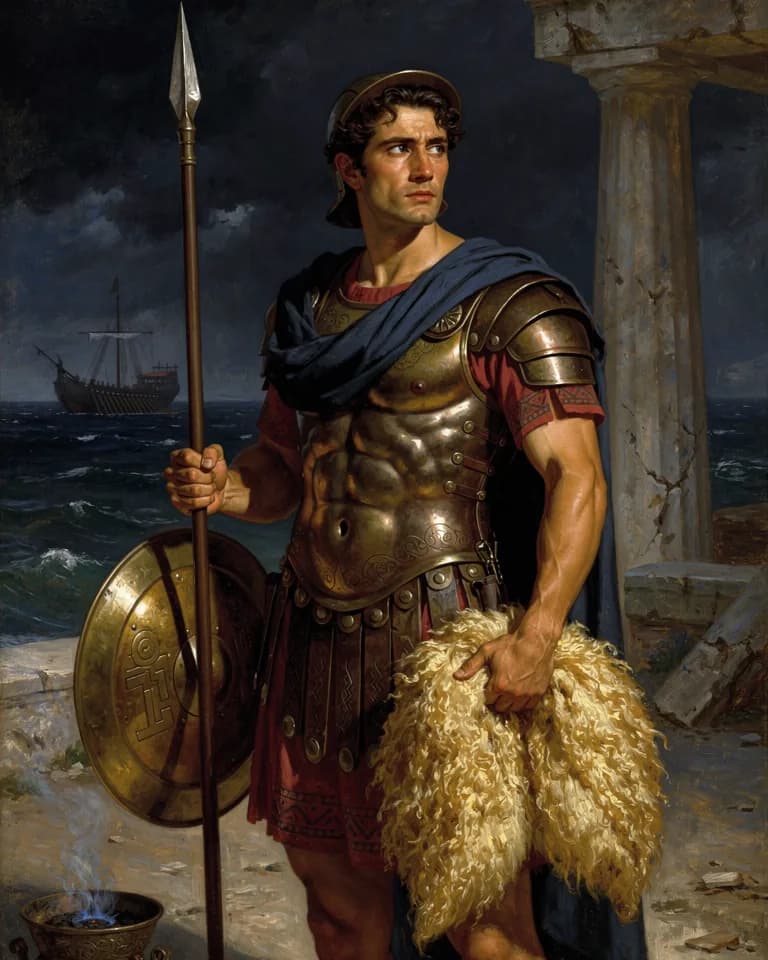
Leader of the Argonauts, sent on the quest for the Golden Fleece by his usurping uncle Pelias. Aided at every turn by the sorceress Medea, whom he later marries and betrays.
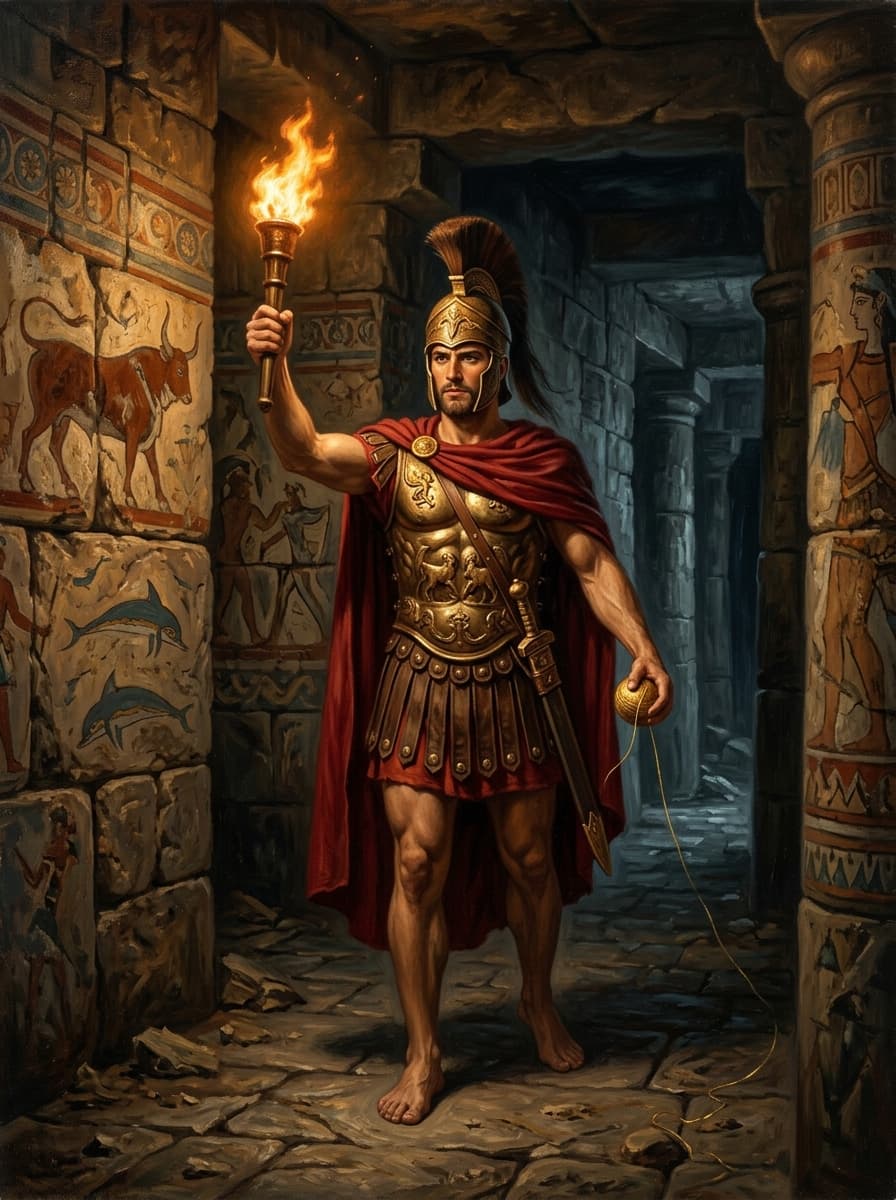
Athenian founder-hero who killed the Minotaur in the Cretan labyrinth. Traditionally given two fathers, the mortal king Aegeus and the god Poseidon.
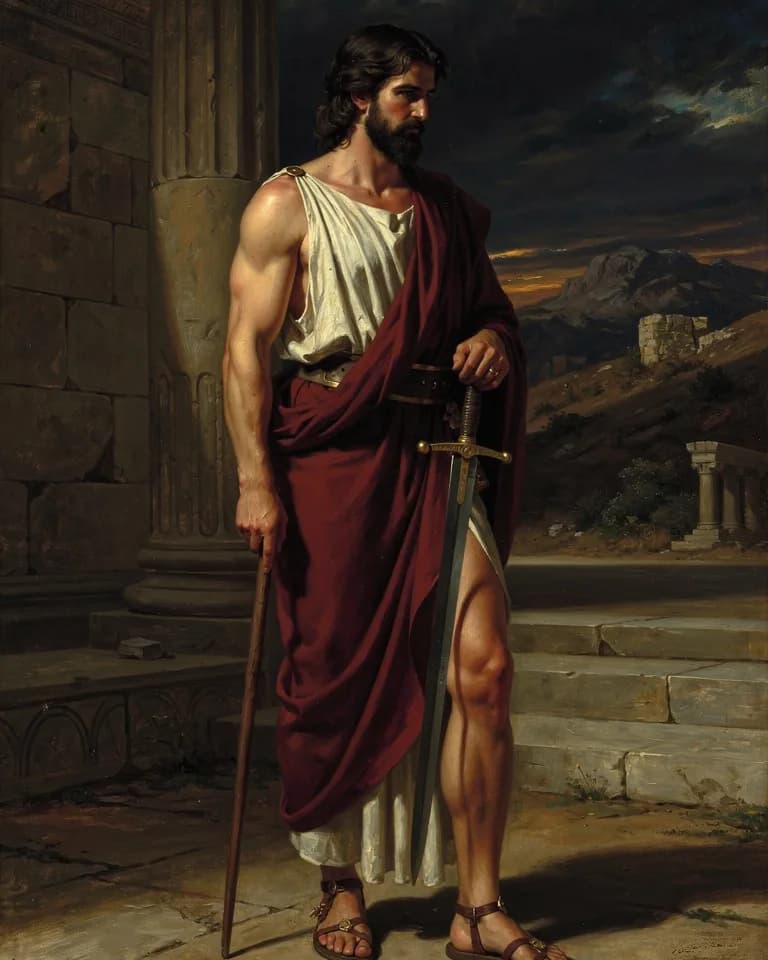
King of Thebes who unknowingly fulfilled a prophecy that he would kill his father and marry his mother. Central figure of Sophocles's Theban plays.
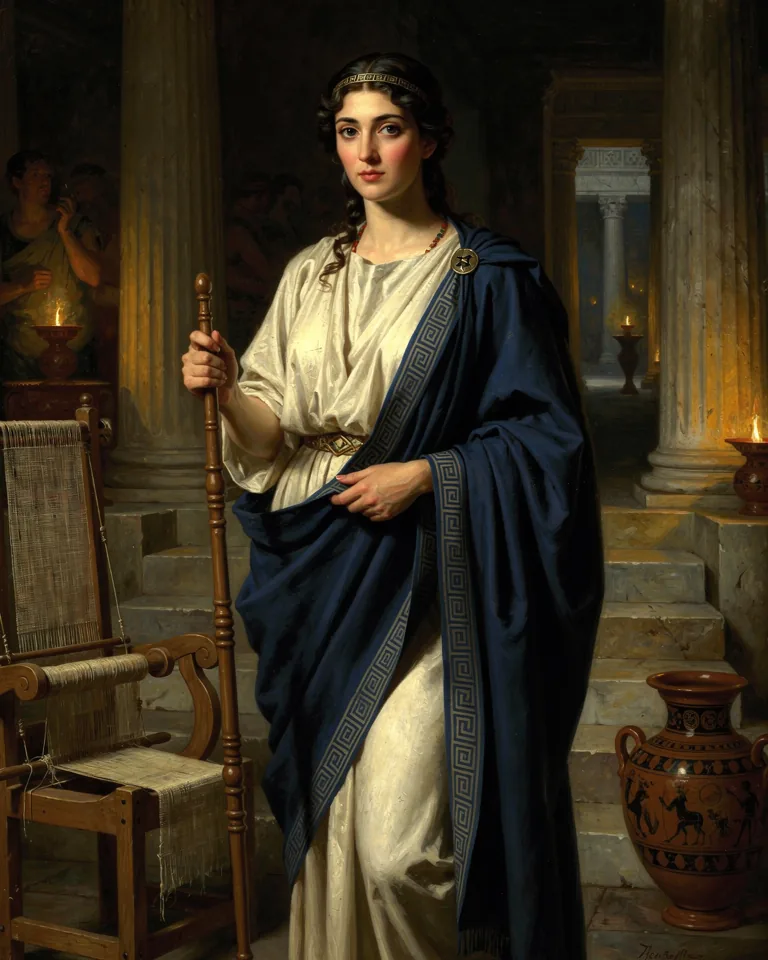
Wife of Odysseus, who held off more than a hundred suitors for twenty years while he was away at Troy and on his long voyage home, becoming an ancient byword for marital fidelity and cunning.
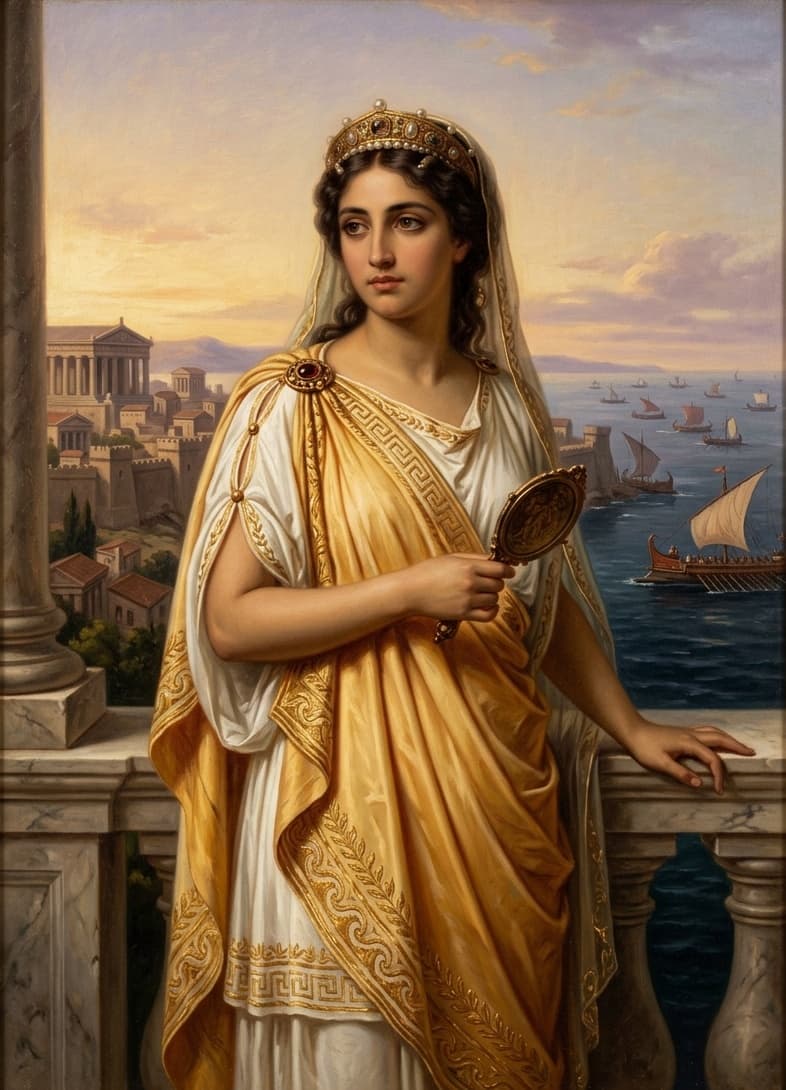
Daughter of Zeus and the most beautiful woman in the ancient world, whose abduction (or elopement) by the Trojan prince Paris was the mythic cause of the Trojan War.
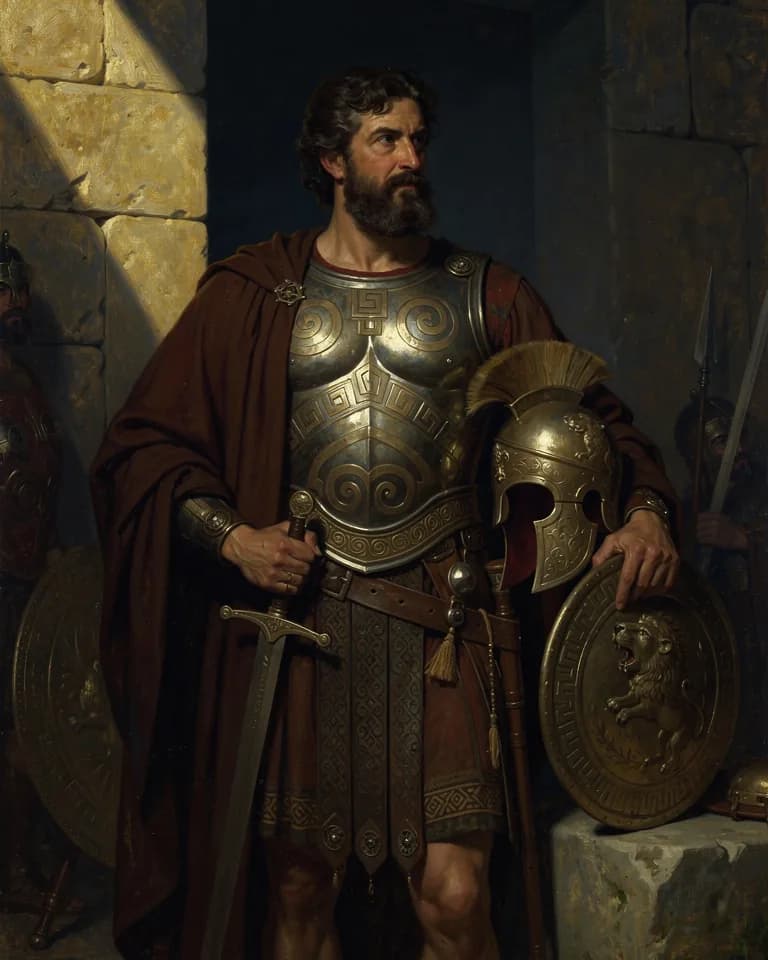
King of Mycenae and commander-in-chief of the Greek forces at Troy. His quarrel with Achilles opens the Iliad, and his murder upon returning home became the basis of Aeschylus's tragedy.
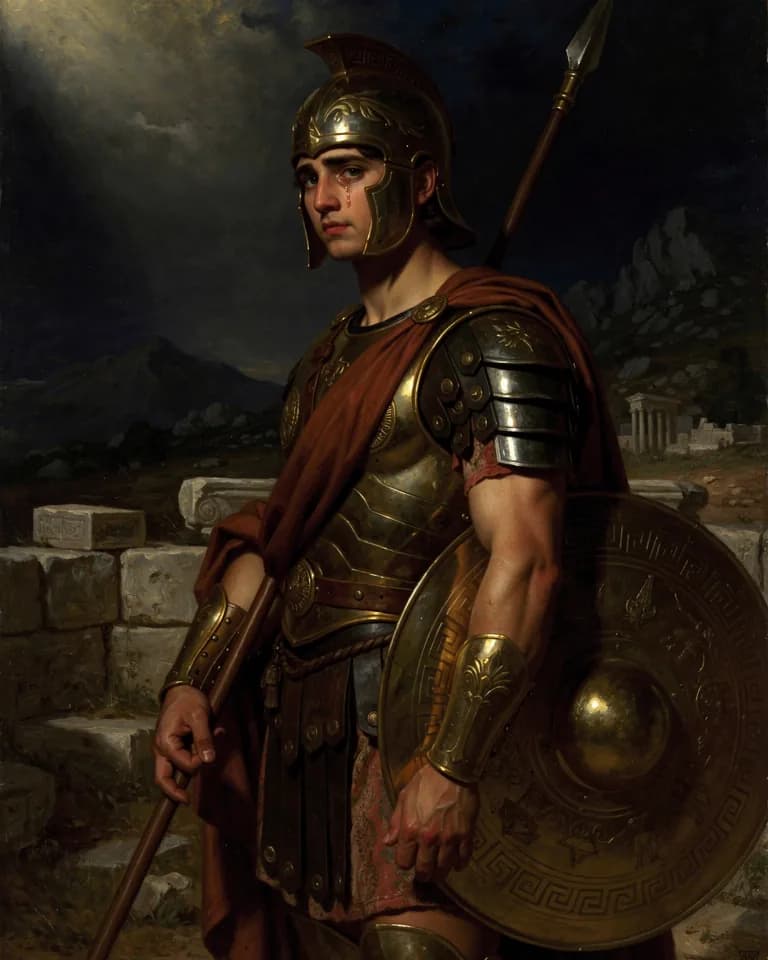
Closest companion of Achilles in the Iliad. His death at Hector's hands, while wearing Achilles's armor, drives Achilles back into the war.
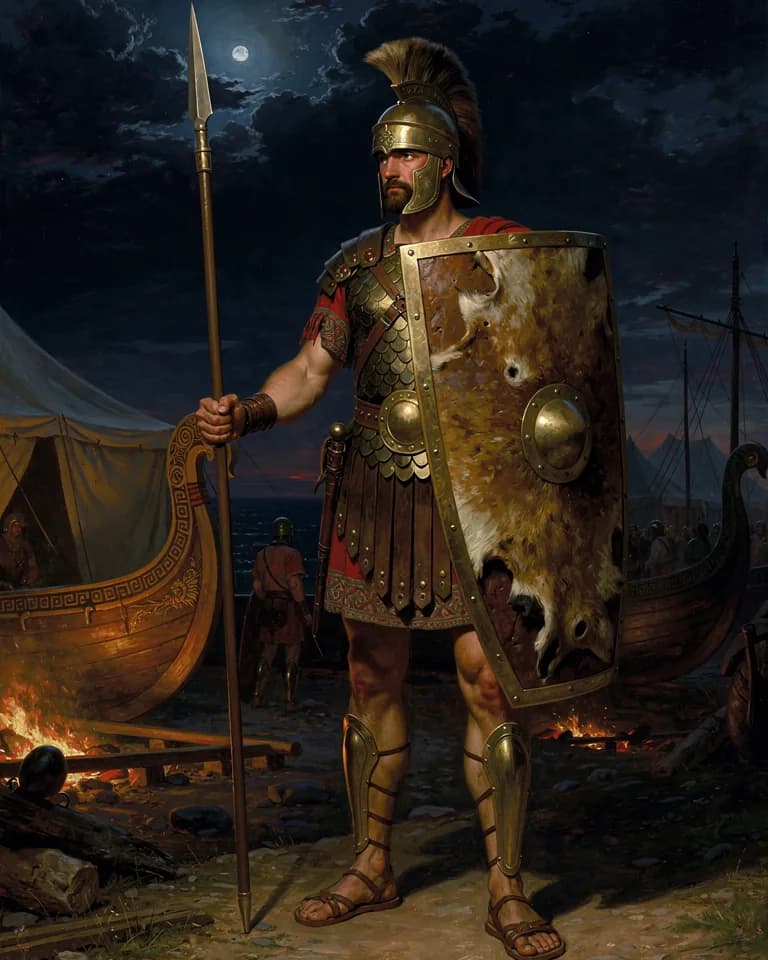
Second-mightiest Greek warrior at Troy after Achilles. Lost the contest for Achilles's armor to Odysseus and, in Sophocles's telling, took his own life in shame.
Showing 1–12 of 37
Unlike immortal deities, heroes live and die in their sagas. Born of divine blood or mortal daring, their destinies unfold not on high Olympus, but in the trenches of Troy, the treacherous currents of the wine-dark sea, or the bloody fields of Kurukshetra. Each champion is grounded in primary ancient sources, complete with family lineage, fateful choices, and cross-tradition parallels.