Greek
Atalanta
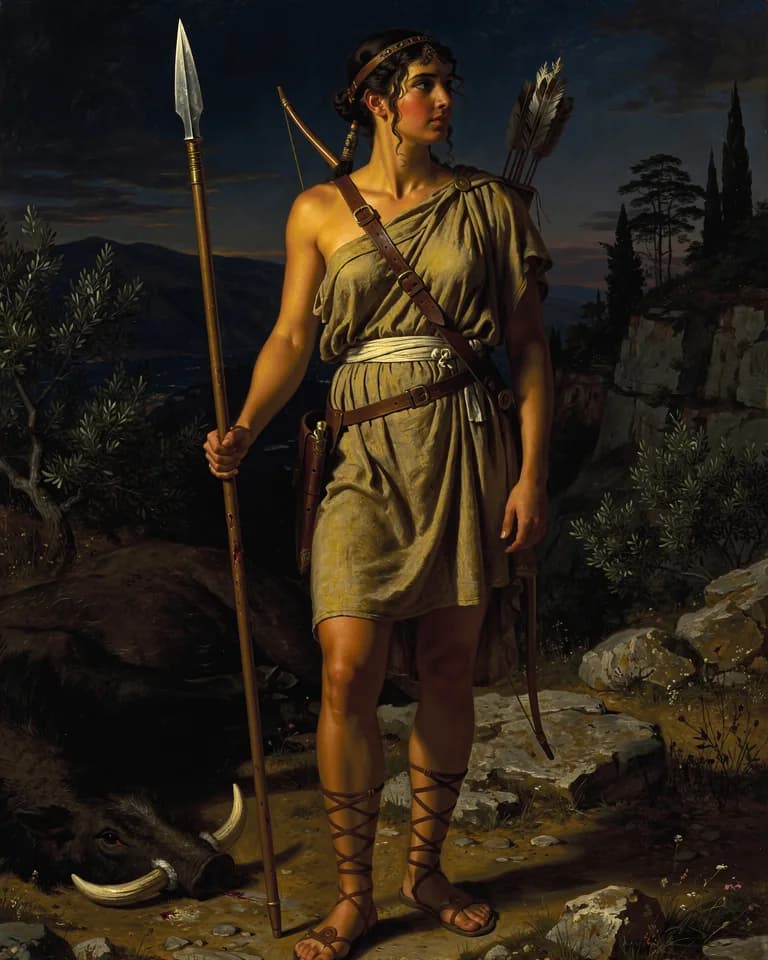
Swift-footed huntress raised in the wild, celebrated for outrunning every suitor and for drawing first blood on the Calydonian Boar.
Mortal Champions
Warriors, wanderers, and doomed champions from the world's great epics.
Catalog pictures are illustrations, not historical artworks. About our images
Swift-footed huntress raised in the wild, celebrated for outrunning every suitor and for drawing first blood on the Calydonian Boar.
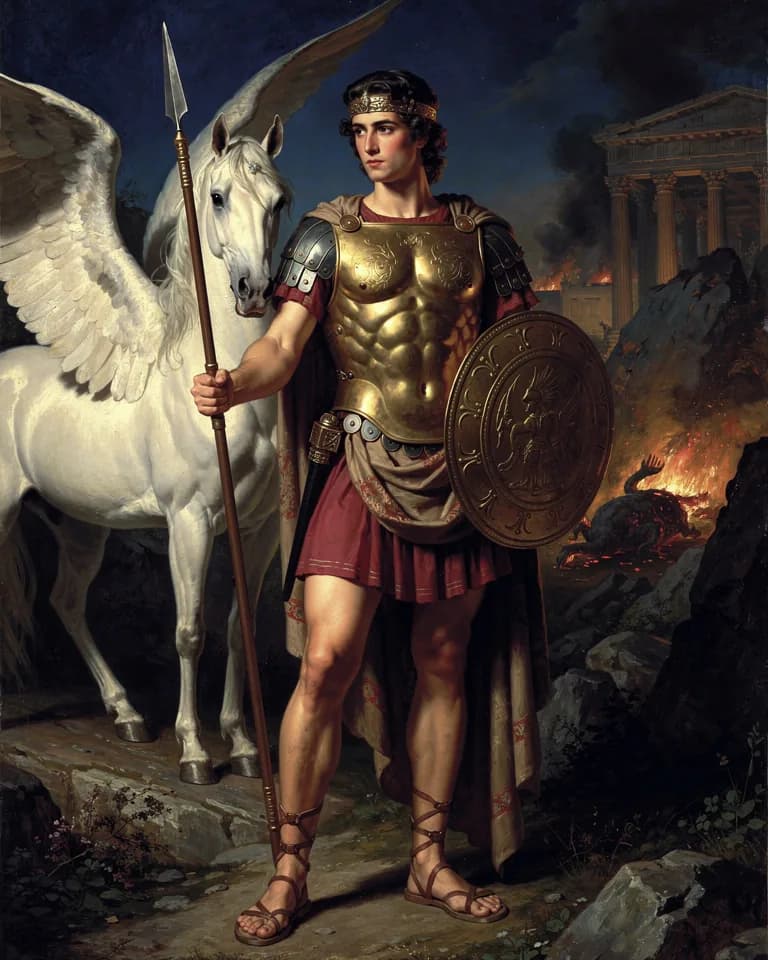
Tamer of the winged horse Pegasus and slayer of the fire-breathing Chimera, whose later attempt to fly to Olympus ended in his fall and disgrace.
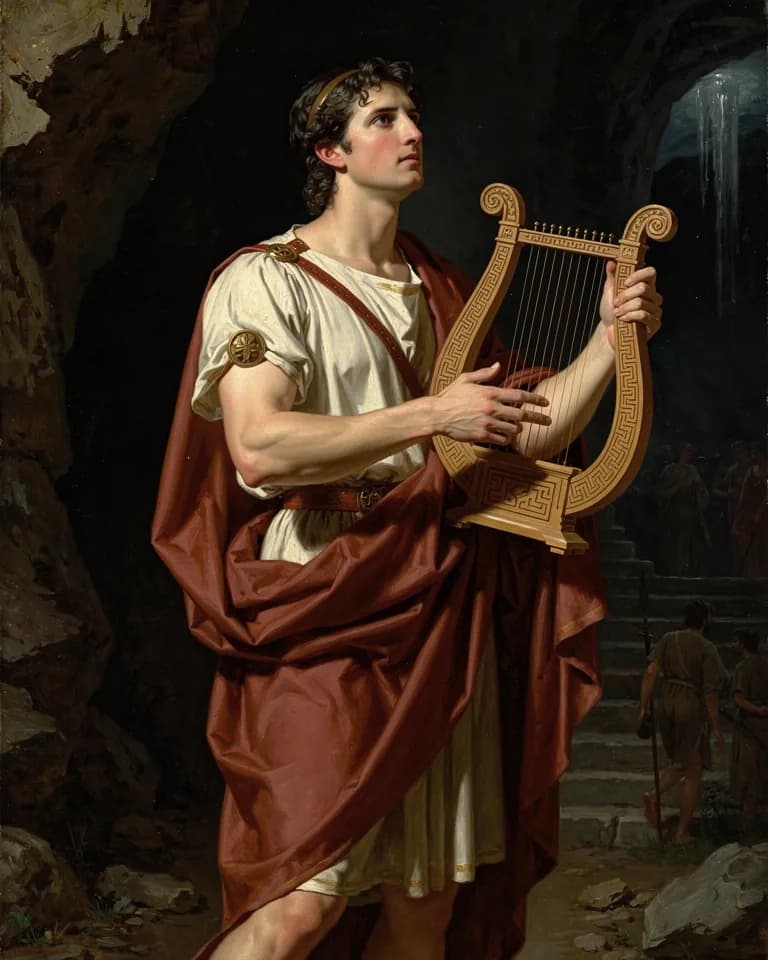
Legendary musician whose playing could charm animals, trees, and stones. His descent into the underworld to reclaim his wife Eurydice is one of the most retold myths in Western literature.
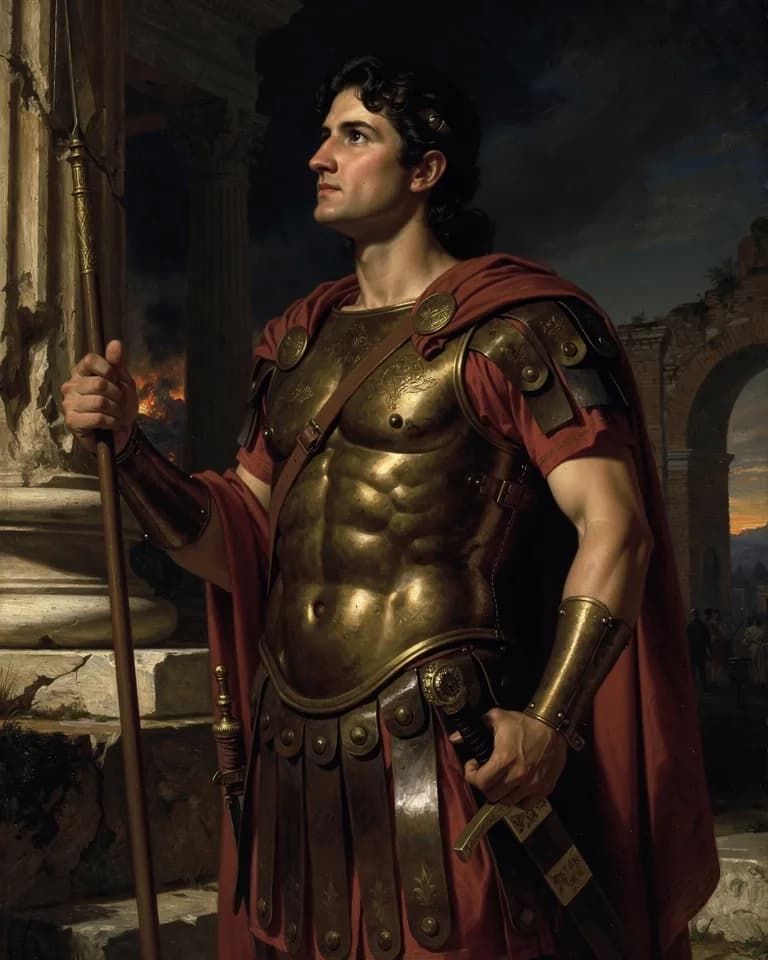
Trojan prince, son of the goddess Venus, who escaped the fall of Troy and, in Virgil's Aeneid, journeyed to Italy to found the line that would lead to Rome.
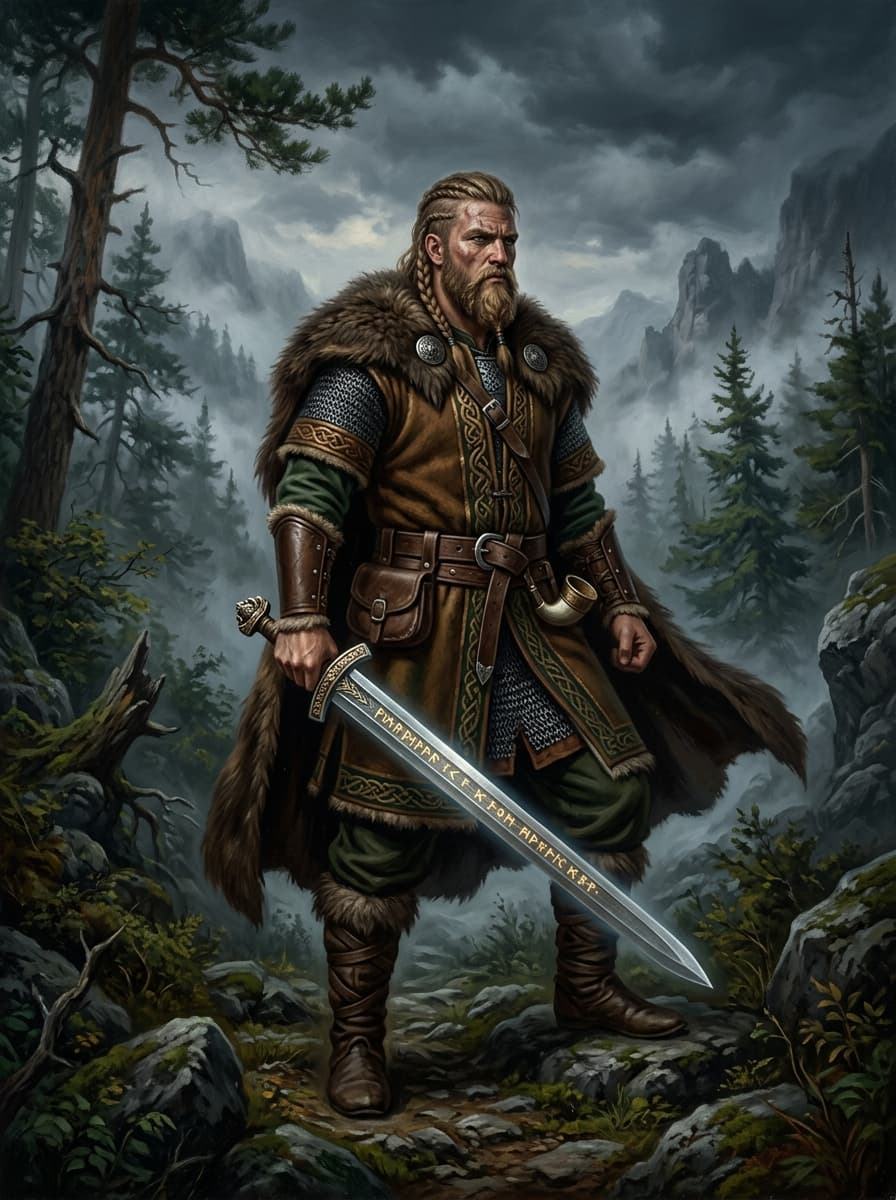
Dragon-slaying hero of the Volsung line, central figure of the Poetic Edda's heroic lays and the Volsunga Saga. Killed the dragon Fafnir and won a cursed hoard of gold.
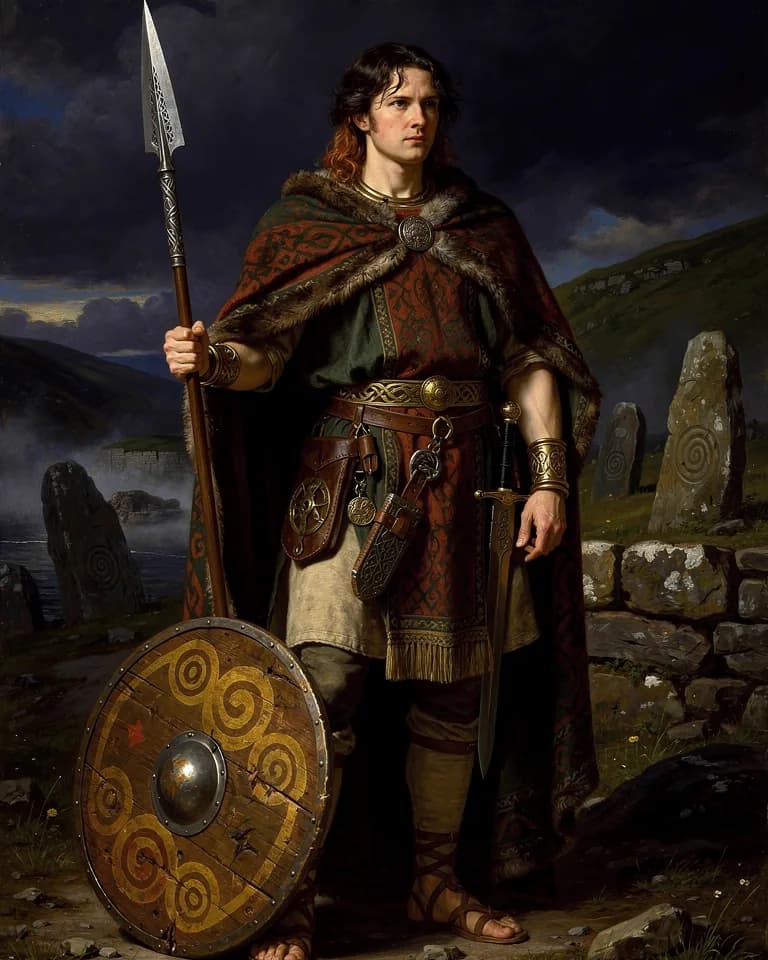
Ulster's greatest champion, son of the god Lugh, whose single-handed defense of his province against Queen Medb's army is the centerpiece of the Táin Bó Cúailnge.
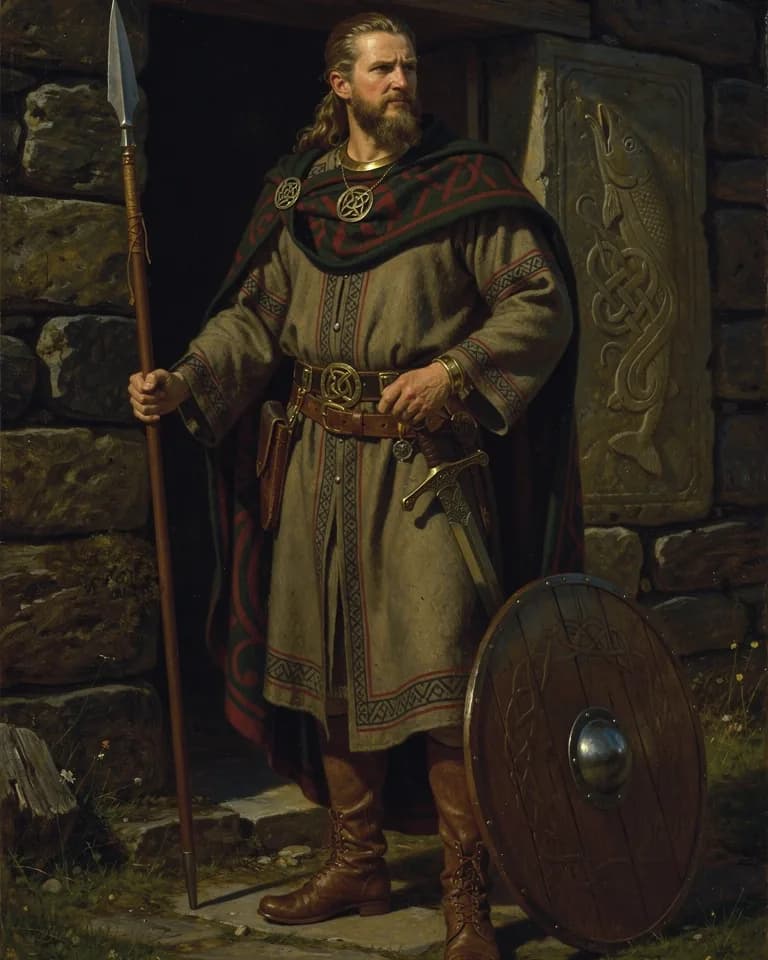
Leader of the Fianna, Ireland's legendary roving warrior-band, whose wisdom came from accidentally tasting the Salmon of Knowledge. Central hero of the Fenian Cycle of Irish legend.
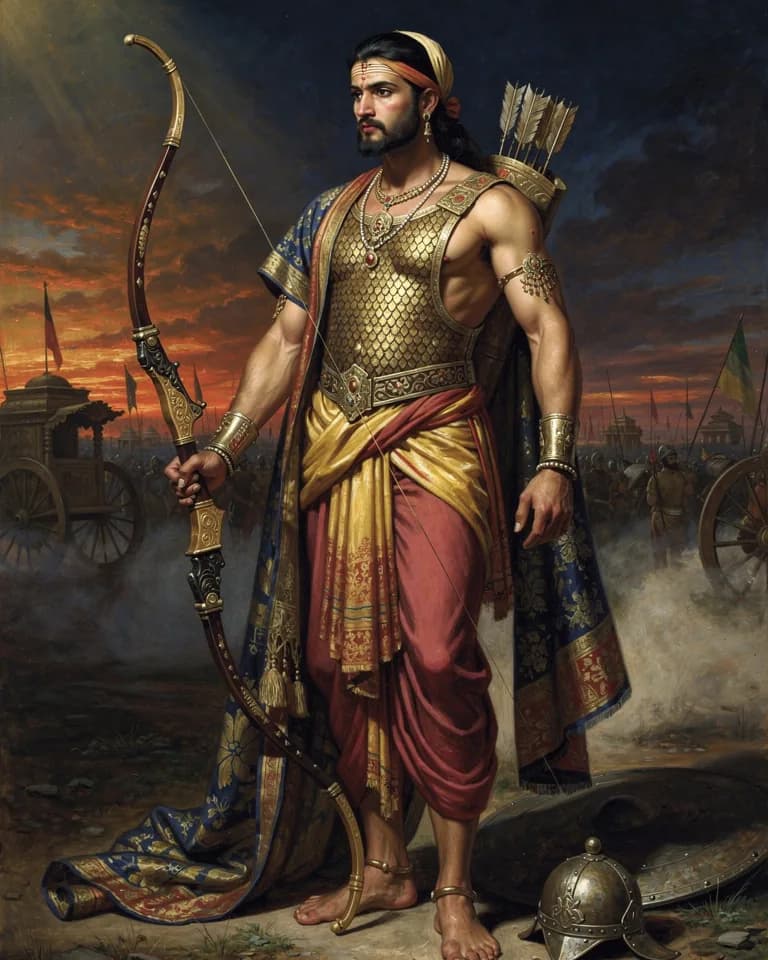
Third of the five Pandava brothers and the Mahabharata's greatest archer, whose crisis of conscience on the battlefield of Kurukshetra prompts the god Krishna's teaching, the Bhagavad Gita.
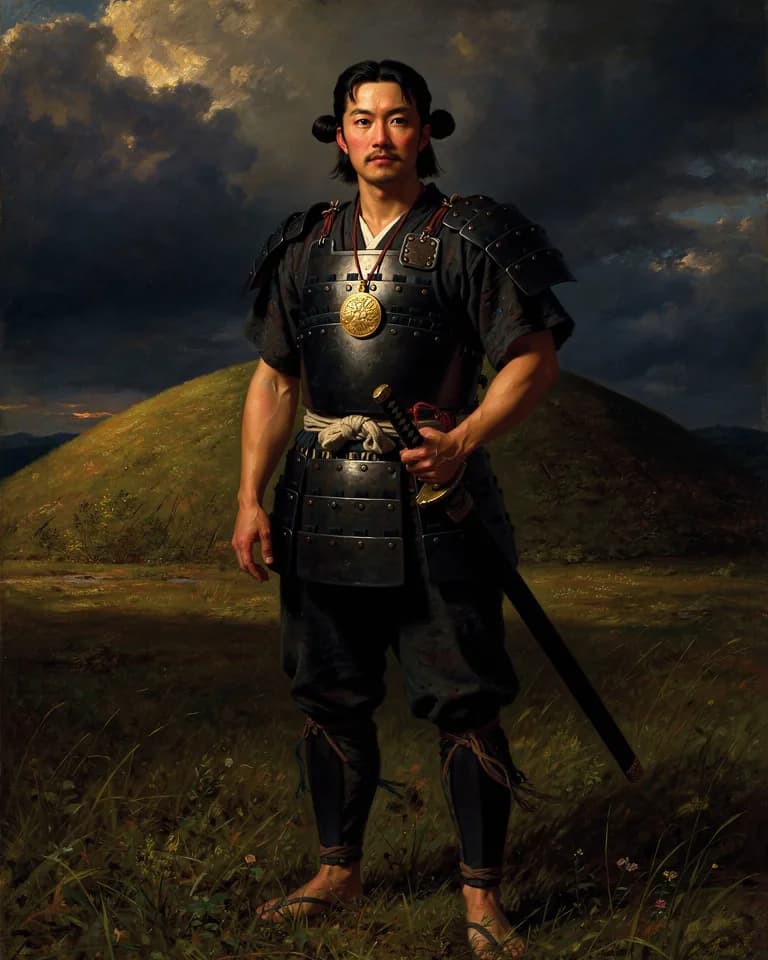
Legendary prince of early Japan sent by his father, Emperor Keiko, to subdue rival clans in the west and east. Central figure of the Kojiki and Nihon Shoki, and the hero associated with the sacred sword Kusanagi.
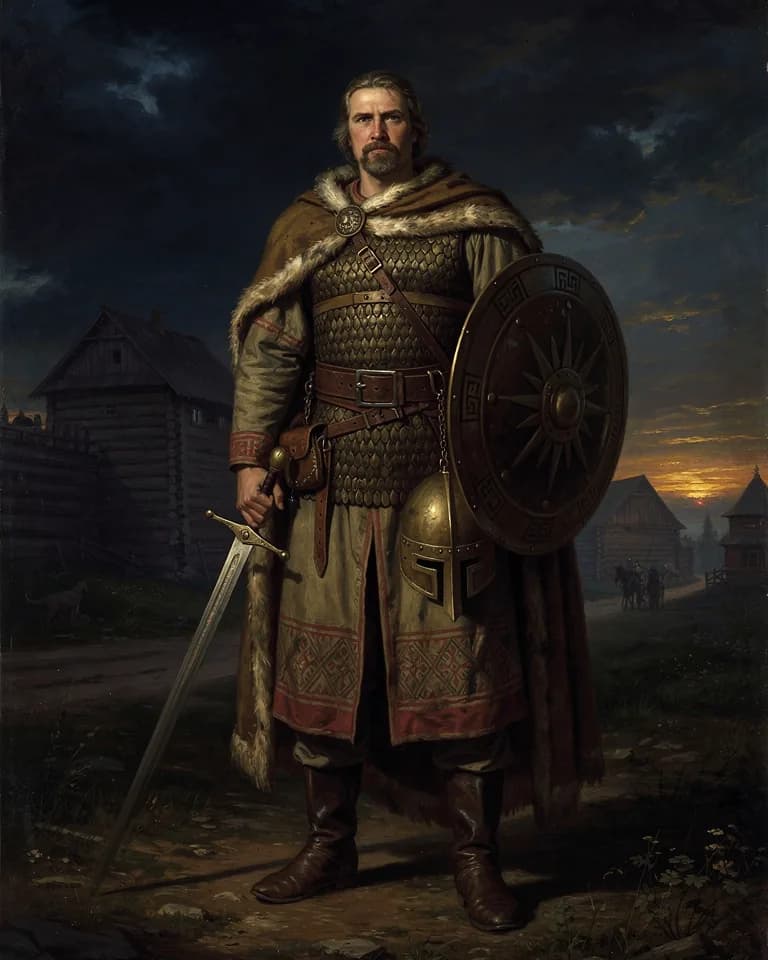
Mightiest of the bogatyrs, the heroic warriors of the Russian byliny (oral epic songs), healed of lifelong paralysis by wandering pilgrims and sent to serve Prince Vladimir of Kiev. Best known for defeating the monstrous Nightingale-Robber.
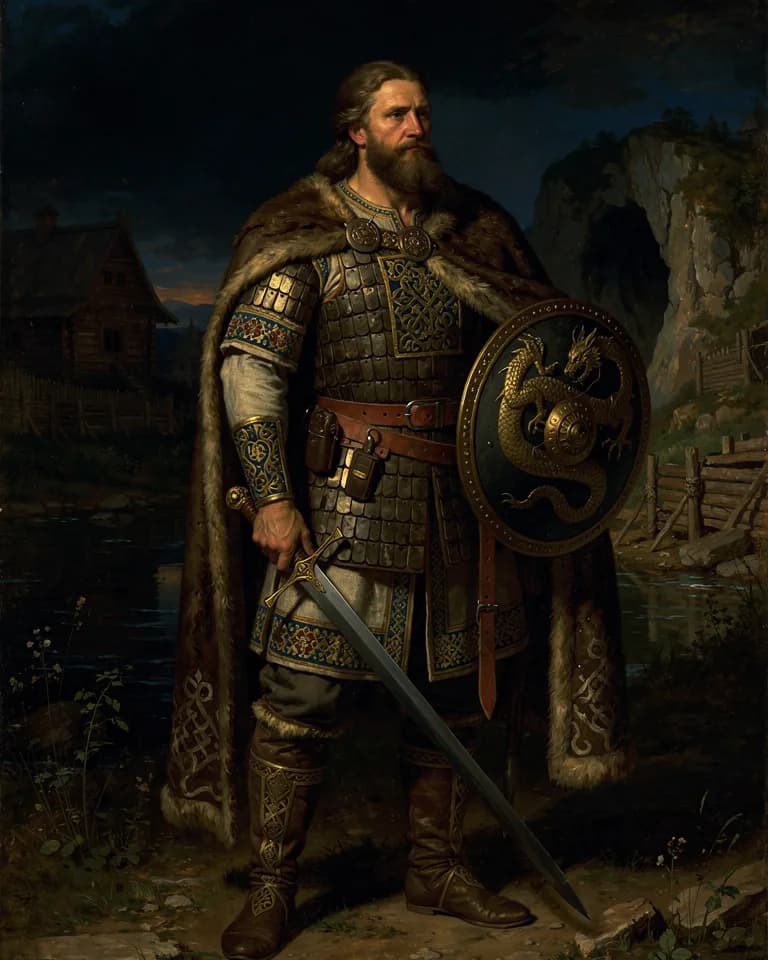
Second of the great bogatyrs of the Kievan Rus' byliny after Ilya Muromets, celebrated for slaying the dragon Zmey Gorynych and rescuing Prince Vladimir's niece from its lair.
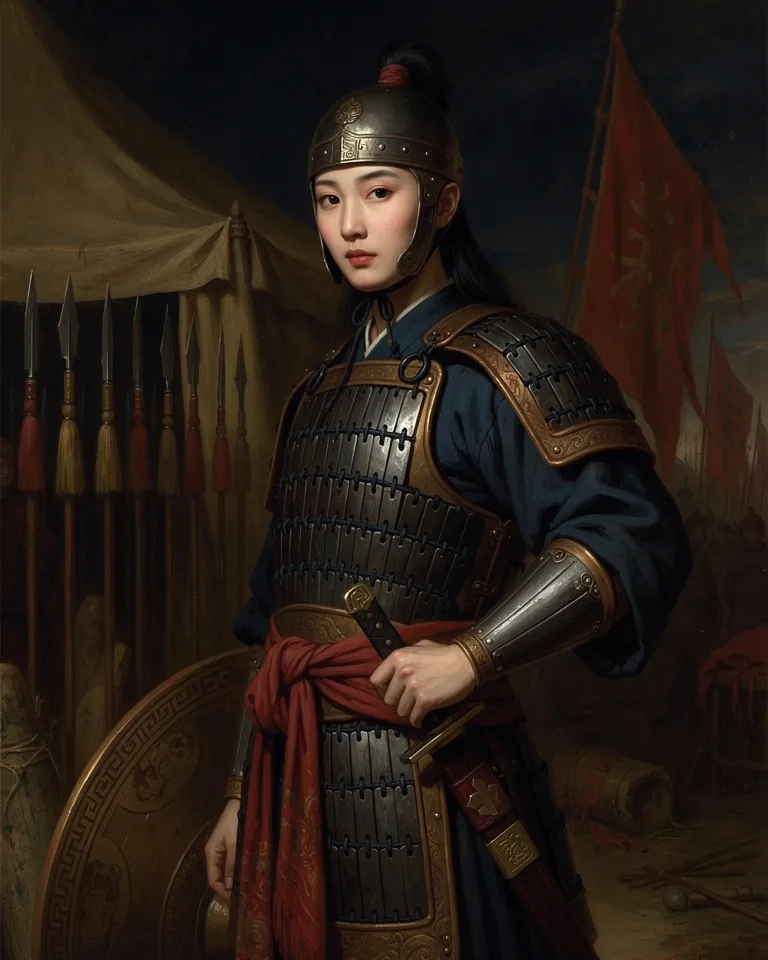
Legendary Chinese woman warrior who disguised herself as a man to take her aged father's place in military conscription, serving undetected for years. Heroine of the short narrative poem the Ballad of Mulan.
Showing 13–24 of 37
Unlike immortal deities, heroes live and die in their sagas. Born of divine blood or mortal daring, their destinies unfold not on high Olympus, but in the trenches of Troy, the treacherous currents of the wine-dark sea, or the bloody fields of Kurukshetra. Each champion is grounded in primary ancient sources, complete with family lineage, fateful choices, and cross-tradition parallels.