
Polynesian
Kupe
Legendary Polynesian navigator credited in Maori oral tradition with discovering Aotearoa (New Zealand) while pursuing a giant octopus across the Pacific from the ancestral homeland of Hawaiki.
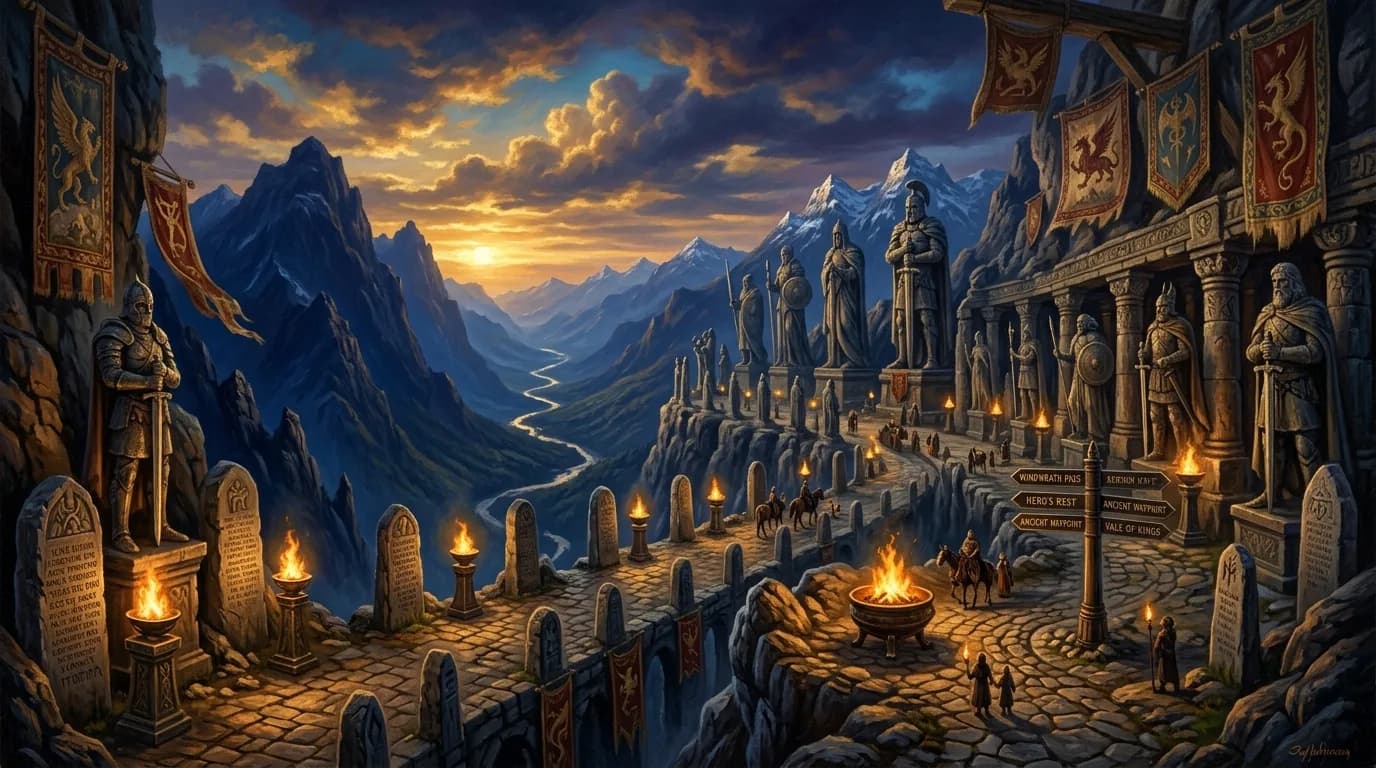
Mortal Champions
Warriors, wanderers, and doomed champions from the world's great epics.
Catalog pictures are illustrations, not historical artworks. About our images
Legendary Polynesian navigator credited in Maori oral tradition with discovering Aotearoa (New Zealand) while pursuing a giant octopus across the Pacific from the ancestral homeland of Hawaiki.

Legendary queen of Ile-Ife in Yoruba oral tradition, celebrated for allowing herself to be captured by raiders to learn the secret of their terrifying disguise, then leading her people to victory. Still honored annually at Ile-Ife's Edi Festival.
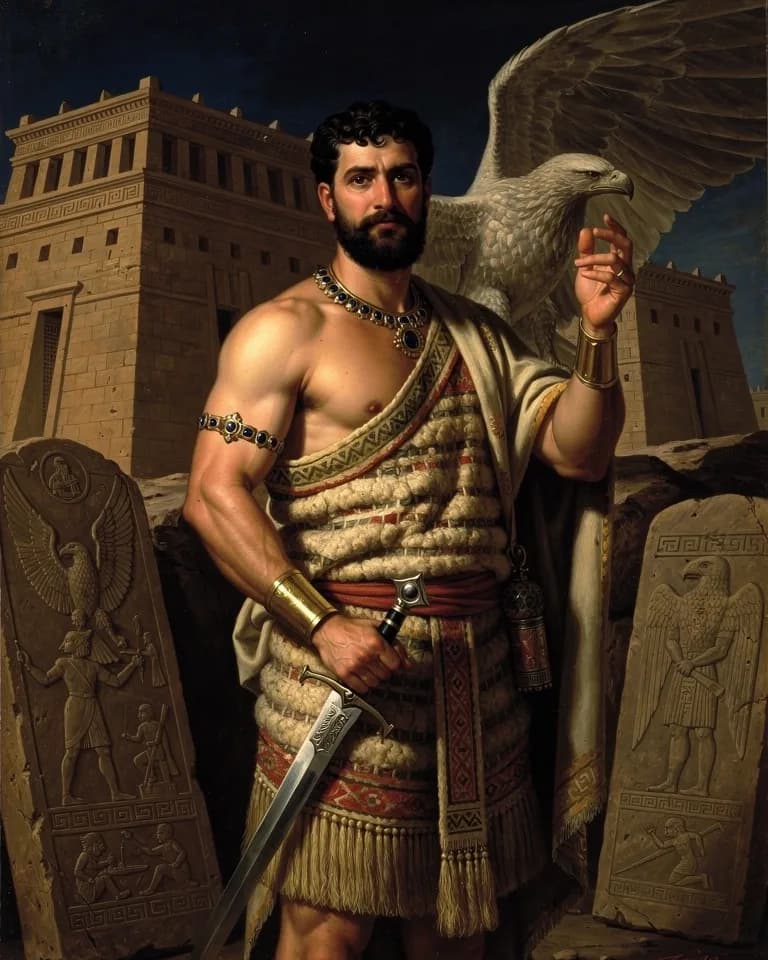
Legendary early king of Kish, recorded in the Sumerian King List as "the shepherd who ascended to heaven," and hero of the Myth of Etana, who flew on the back of an eagle in search of a plant that would let his wife bear him an heir.

The messenger of the Great Law of Peace, who in Haudenosaunee tradition crossed the lake in a white stone canoe, joined with Hiawatha, and brought the five warring nations together under one law. Many Haudenosaunee people avoid speaking his personal name outside ceremony, so this site uses his title.

An Onondaga man who, grieving the loss of his daughters, strung the first shell strings of condolence and became the Peacemaker's partner and spokesman in founding the Great Law of Peace. Not the character of Longfellow's poem, which borrowed only his name.

The woman who, in Haudenosaunee tradition, was the first to accept the Peacemaker's message; in recognition the Peacemaker gave the women of the nations the responsibility of choosing and removing chiefs, and she is remembered as the Mother of Nations.

The feared Onondaga leader, described with snakes in his hair and a twisted body, who resisted the Great Peace until the Peacemaker and Hiawatha straightened his mind; he became the Confederacy's Firekeeper, and his title is still held today.

A Tlingit hunter of the Kaagwaantaan clan at Sitka who married a bear woman and lived with her and their cubs, until, back among people, a moment's tenderness toward his human family cost him his life.

The Tlingit carver who made the first killer whales from yellow cedar, after other woods failed, and sent them into the sea with the instruction never to harm human beings.
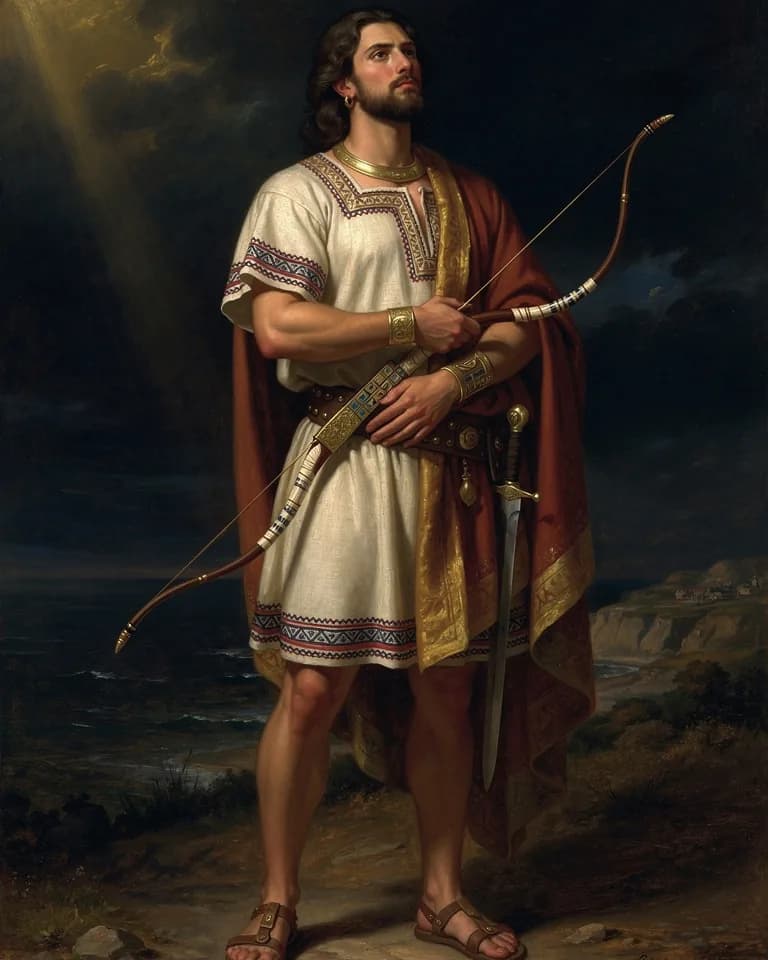
The long-awaited son of the righteous Danel, given a divine bow by the craftsman god, who refuses to give it to the goddess Anat even for immortality and is killed for it.
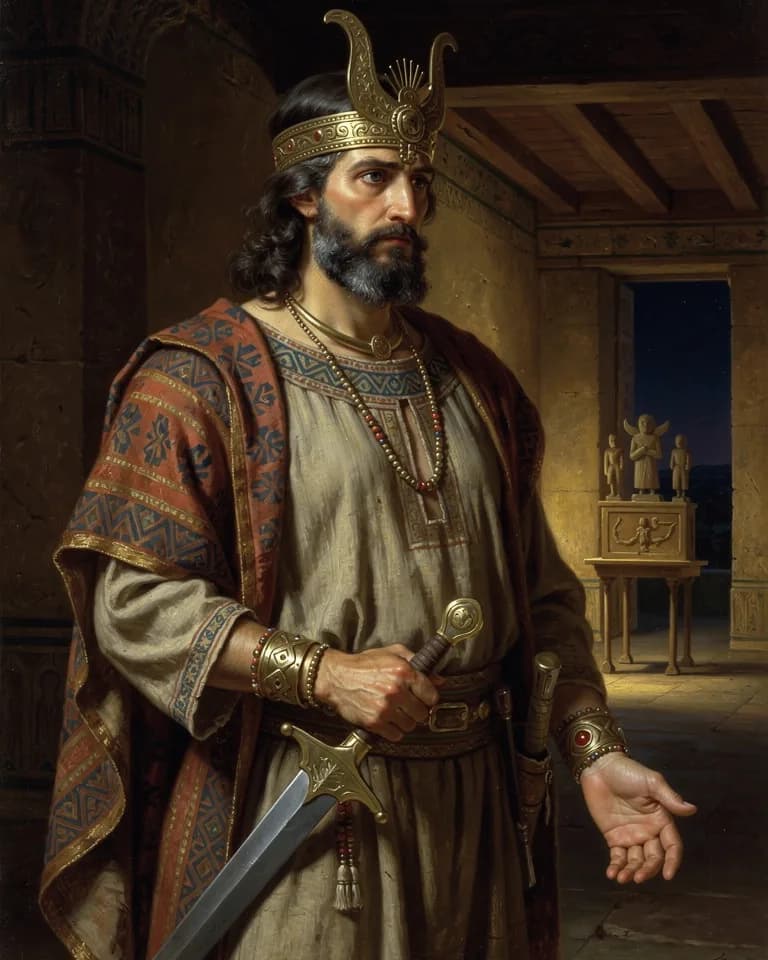
A legendary king, called a son of El, who loses his whole family, wins a new bride on El's instructions, forgets his vow to the goddess Athirat, falls mortally ill, and is healed, only to face a challenge from his own son.

The great wanderer of Inuit epic, told from Alaska to Greenland, who travels by kayak and on foot through encounters with dangerous and marvellous beings; many tellers say he is still travelling.
Showing 25–36 of 37
Unlike immortal deities, heroes live and die in their sagas. Born of divine blood or mortal daring, their destinies unfold not on high Olympus, but in the trenches of Troy, the treacherous currents of the wine-dark sea, or the bloody fields of Kurukshetra. Each champion is grounded in primary ancient sources, complete with family lineage, fateful choices, and cross-tradition parallels.