Norse Pantheon
Odin
Óðinn(Odhinn)
Also known as Allfather, Woden, Wotan, The Wanderer
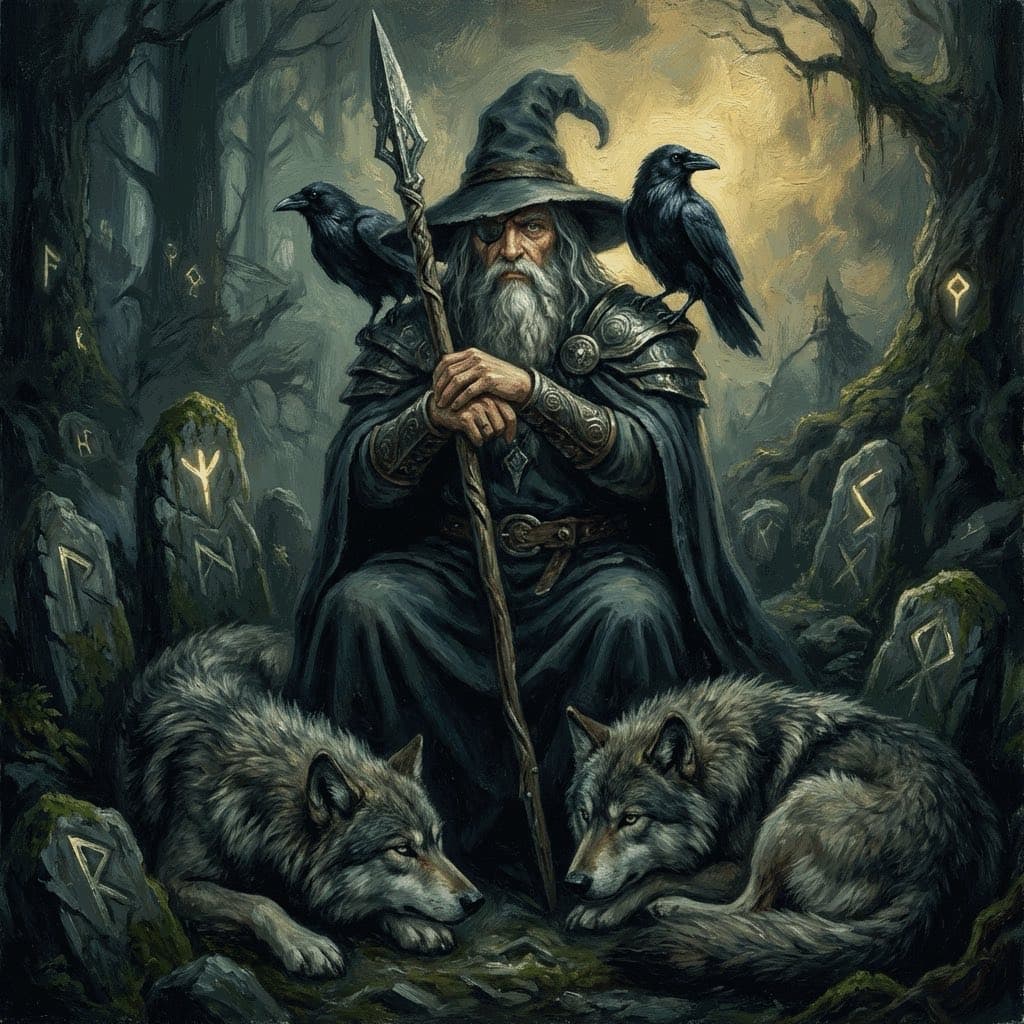
- wisdom
- war
- death
- poetry
- magic
- knowledge
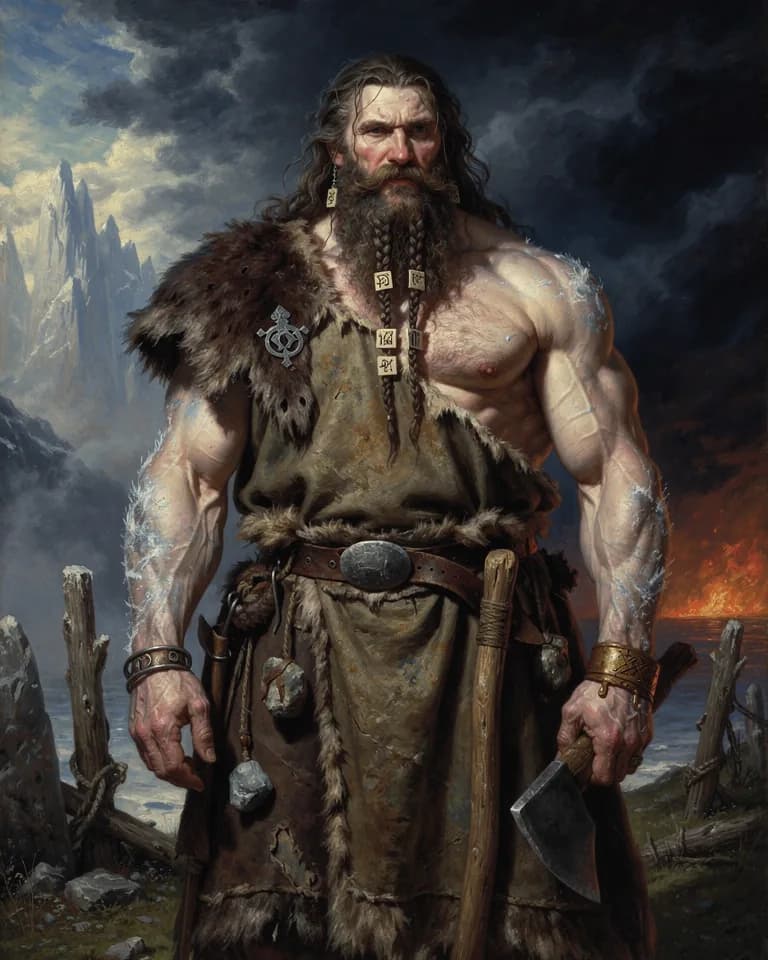
King of the Aesir and god of wisdom, war, and death. Odin sacrificed his eye at Mimir's well for wisdom and hung himself on Yggdrasil for nine days to learn the runes.
About Odin
The Allfather
Odin is the chief of the Aesir, a relentless seeker of wisdom. He sacrificed his eye to Mimir's Well for knowledge and hung himself from Yggdrasil for nine nights to discover the runes.
God of War and Poetry
Paradoxically, he grants both the frenzy of battle (berserkers) and the inspiration of poetry (mead of poetry). He rules Valhalla, gathering slain warriors to prepare for Ragnarok.
Origin story
Odin is the son of the primordial beings Borr and Bestla. Along with his brothers Vili and Ve, he slew the giant Ymir and created the world from his body.
Across traditions
Parallel figures
Figures who play a role like Odin's in other traditions.
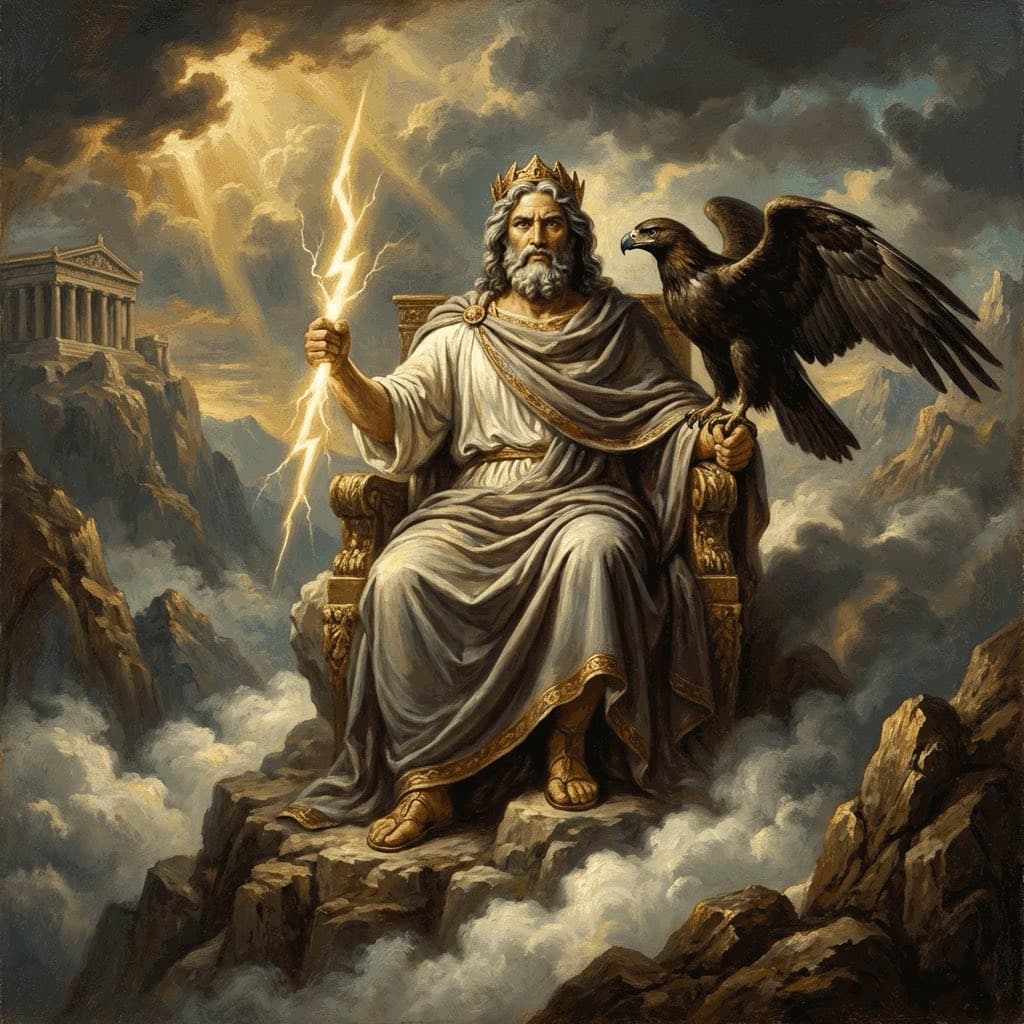 GreekZeusIllustration
Both are the chief god of their pantheon associated with sky, war, and supreme authority
Compare Odin and Zeus side by side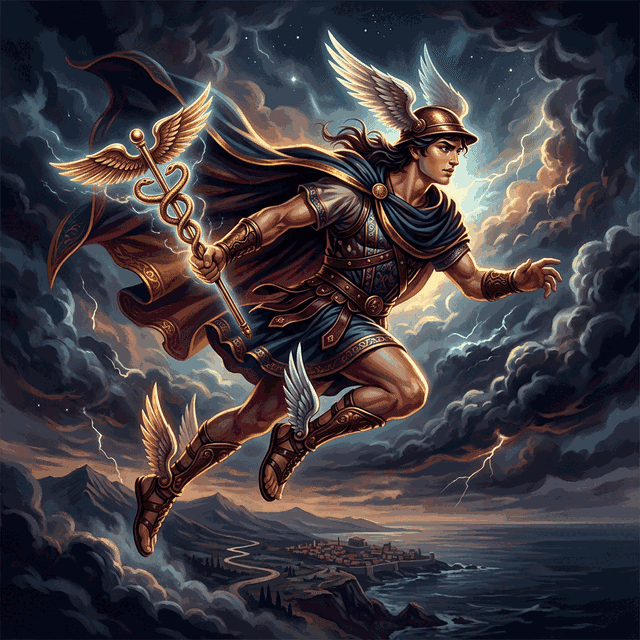 RomanMercuryIllustration
Tacitus identifies the chief Germanic god (Odin/Woden) with Mercury, both wandering gods of wisdom, magic, and eloquence
Compare Odin and Mercury side by side CelticThe DagdaIllustration
The Dagda's epithet 'Ollathair' (All-Father) parallels Odin's 'Allfather'; both wield a great magical implement and are linked to wisdom and magic
Compare Odin and The Dagda side by side
Worship and cult
Temples, festivals, and practices recorded for Odin
Hanged god, poetry, and the war-dead. Wednesday keeps his name. Uppsala tradition put him with Thor and Freyr. Spear, ravens, and the high seat are the cult signs; evidence is later and Christian-filtered, and should be read that way.
Sacred sites
- Temple at Uppsala (Adam of Bremen), with Thor and Freyr
- No surviving named stave-church equivalent; mounds, trees, and halls
Festivals
- Yule
- Sacrifices for victory (sigurblót)
Family
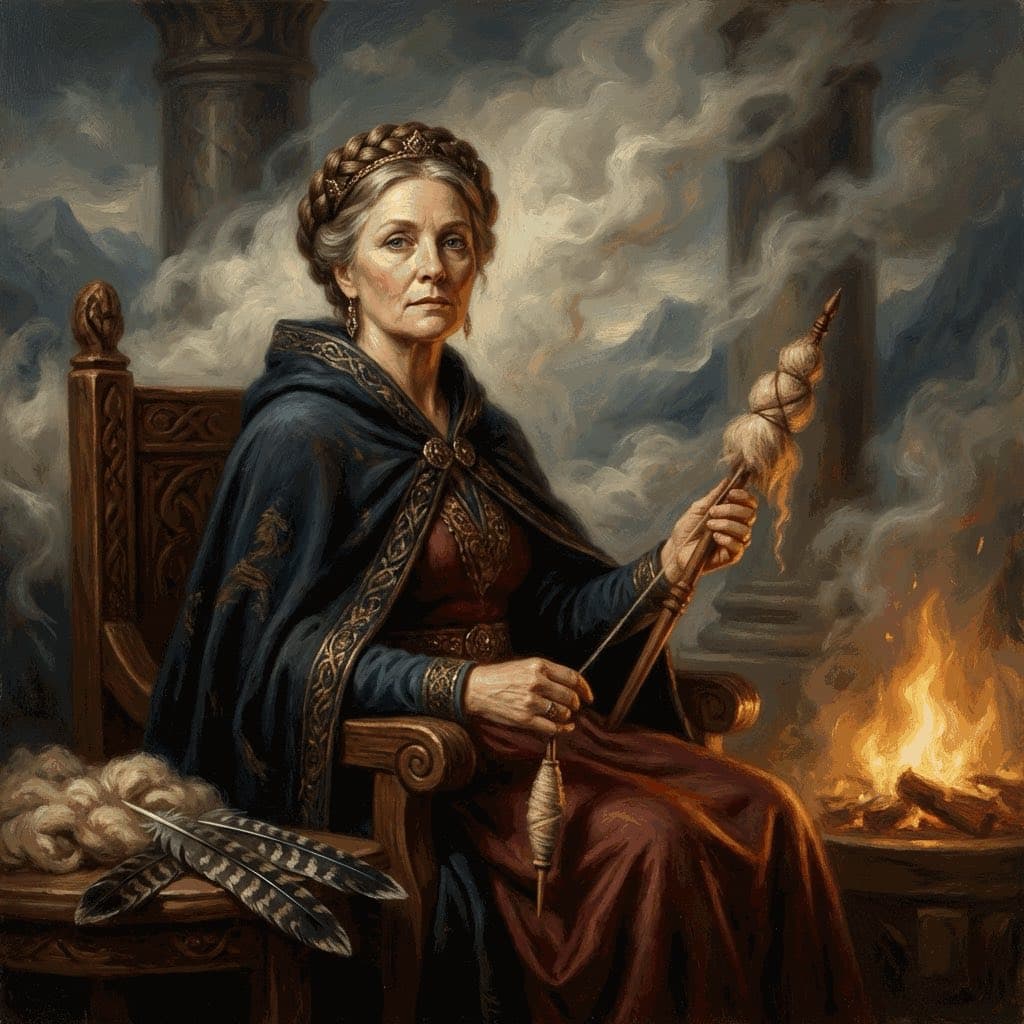
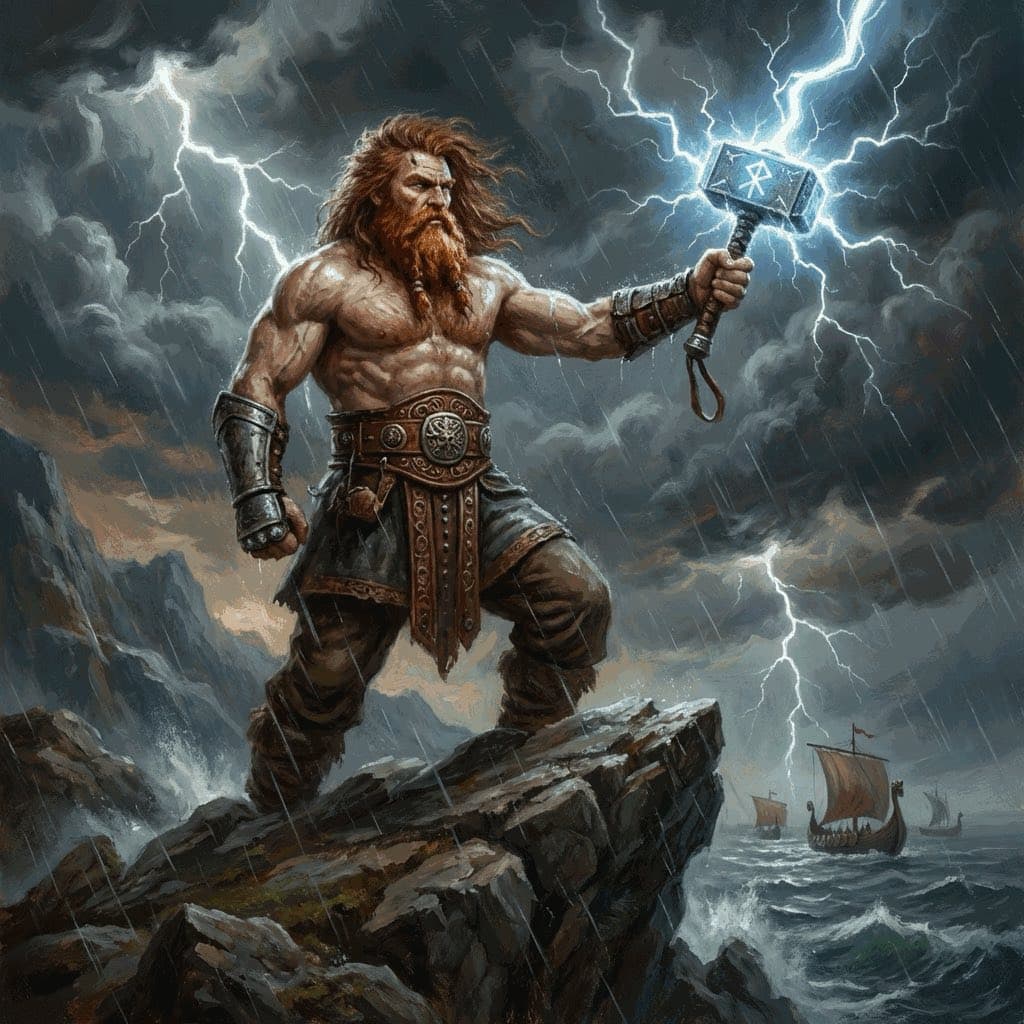
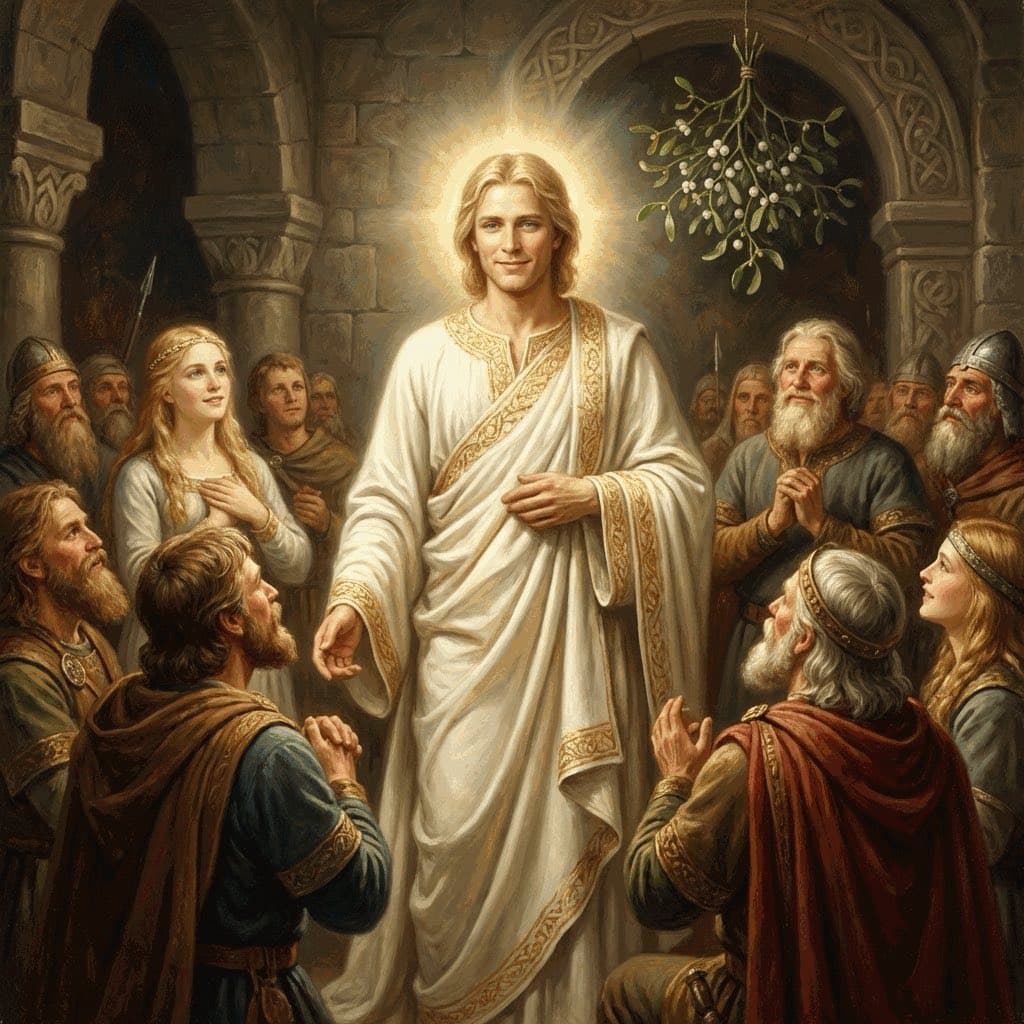
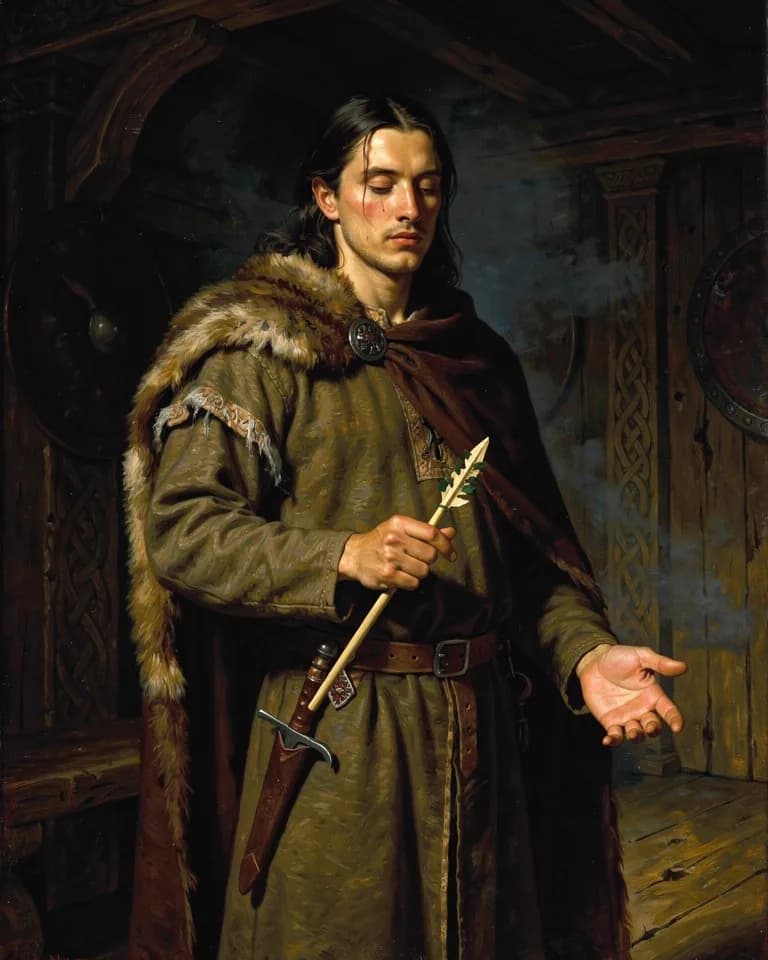
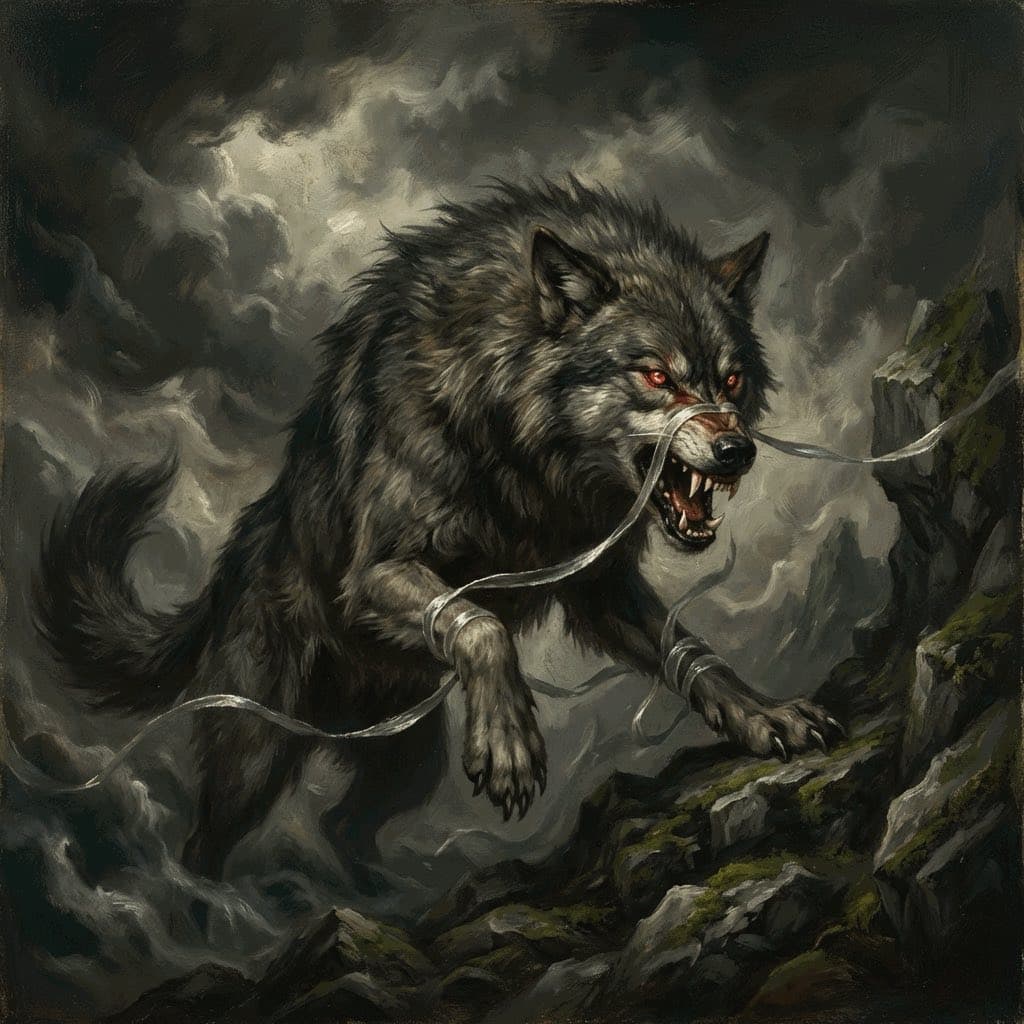
Relationship sources
Prose Edda — Odin spouse of Frigg
Snorri Sturluson · Arthur Gilchrist Brodeur, The Prose Edda (1916), American-Scandinavian Foundation; Internet Sacred Text Archive transcription · Gylfaginning XX (20)
Prose Edda — Odin parent of Thor
Snorri Sturluson · Arthur Gilchrist Brodeur, The Prose Edda (1916), American-Scandinavian Foundation; Internet Sacred Text Archive transcription · Gylfaginning IX (9)
Prose Edda — Odin parent of Baldur
Snorri Sturluson · Arthur Gilchrist Brodeur, The Prose Edda (1916), American-Scandinavian Foundation; Internet Sacred Text Archive transcription · Gylfaginning XXII (22)
In the atlas
Where Odin appears
Play the myth
Branching retellings featuring Odin: your choices decide the ending.
Sources and further reading
Ancient sources
Quotations, paraphrases and verification notes. Each passage states what has been checked.
“I know that I hung on a windy tree nine long nights, wounded with a spear, dedicated to Odin, myself to myself, on that tree of which no man knows from where its roots run.”
Havamal, Poetic Edda · Stanza 138
Translation: Carolyne Larrington
Carolyne Larrington, revised 2014
Read source“O'er Mithgarth Hugin and Munin both Each day set forth to fly; For Hugin I fear lest he come not home, But for Munin my care is more.”
Grimnismol, Poetic Edda · Stanza 20
Translation: Henry Adams Bellows
1923; Sacred Texts transcription. Caesura bars omitted; verse whitespace normalized. English transcription checked 2026-09-23. Replaces prior unverified wording; no original-language text is supplied or certified.
Read sourceAppears in
Ancient and classical works featuring this figure.
appears throughout as wanderer, war-god, and seeker of wisdom (Havamal and the mythological poems)
narrates or is described throughout the mythological framing (Gylfaginning)
Further reading
Primary source for Odin's wisdom quest and the Havamal
Read online: Poetic Edda (opens in new tab)Snorri's systematic account of Norse cosmology and Odin's role
Read online: Prose Edda (opens in new tab)Modern retelling accessible to contemporary readers
Read online: The Norse Myths (opens in new tab)
About this entry
By Elizabeth Stein for Mythos Atlas. About the author. Editorial notes are grounded in the site's cited sources and can be challenged through the contact page.
Parallels are editorial comparisons across traditions: a shared role does not, by itself, establish a shared origin.
Family relationships come from the atlas's kinship records. Ancient sources often disagree on divine genealogy.
Keep exploring
One myth a week, with its sources in a short email. The sign-up form is just below.
Genealogy
Family tree
Odin's parents, consorts, children and rivals, as recorded in the atlas.