Norse Pantheon
Loki
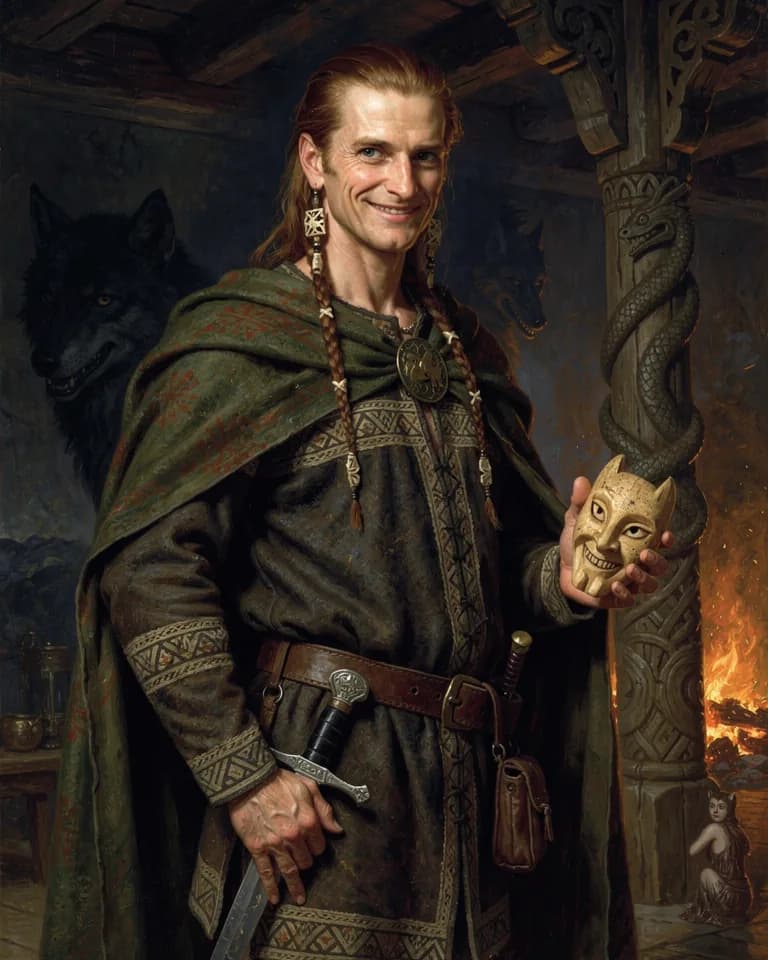
Also known as Lopt, Trickster, Shape-Shifter
- mischief
- trickery
- chaos
- fire
- transformation
A complex figure, blood brother to Odin but frequently causing trouble for the gods. A shape-shifter and trickster who fathers monstrous children including Fenrir, Jormungandr, and Hel.
About Loki
The Trickster God
Loki is a shape-shifter and the catalyst for most Norse myths. Sometimes a helpful ally, often a malicious nuisance, his actions drive the plot of the gods' lives.
The Architect of Doom
While he helped the gods acquire their greatest treasures (Mjolnir, Gungnir), his jealousy led to the death of Baldur. His punishment—bound beneath a dripping serpent—sets the stage for his revenge at Ragnarok.
Origin story
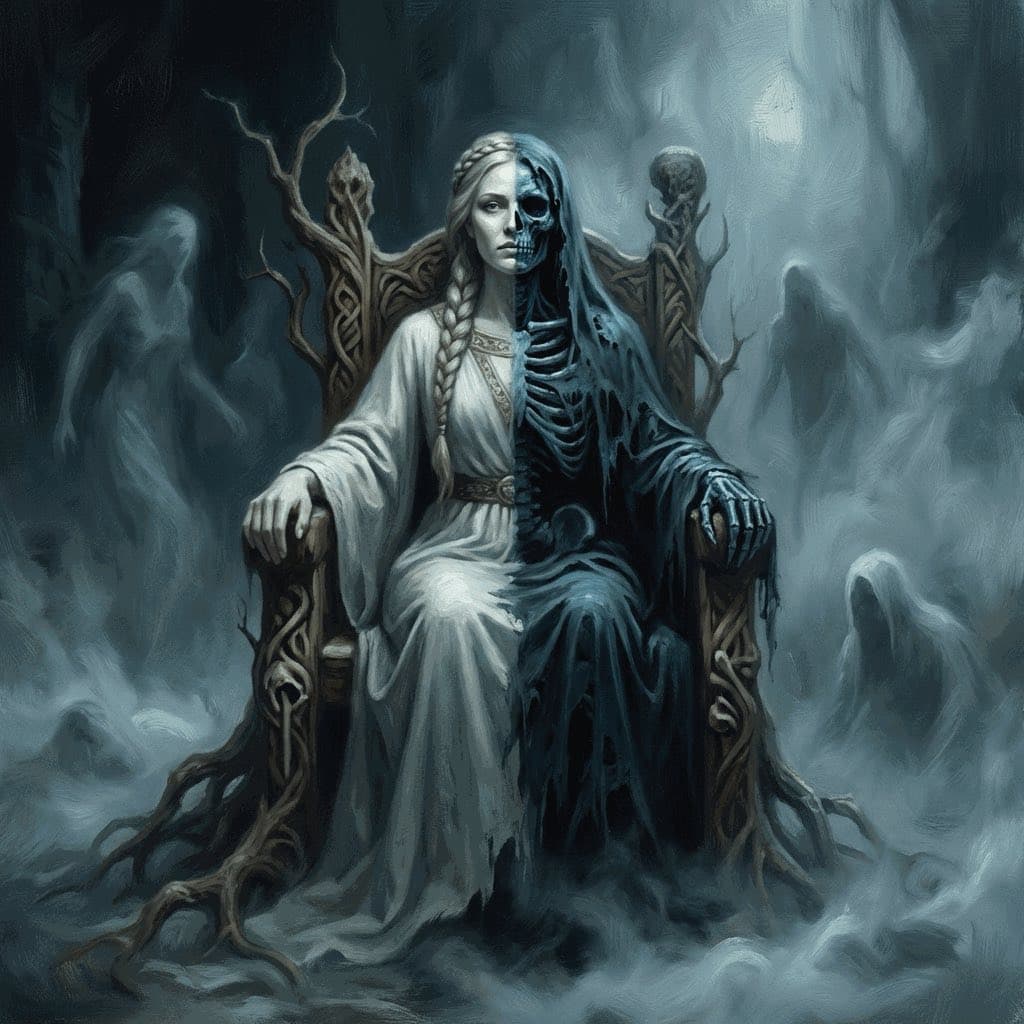
Loki is not one of the Aesir by birth but a giant, the son of the giant Farbauti and the giantess Laufey (or Nal). Despite his giant heritage, he was accepted among the Aesir after becoming blood brothers with Odin in ancient times. The details of this pact are lost, but it bound Odin to never drink unless Loki was also offered a cup. Loki married the goddess Sigyn, who bore him sons Narfi and Vali. With the giantess Angrboda, he fathered three monstrous children: Fenrir the wolf, Jormungandr the World Serpent, and Hel, ruler of the dead.
Across traditions
Parallel figures
Figures who play a role like Loki's in other traditions.
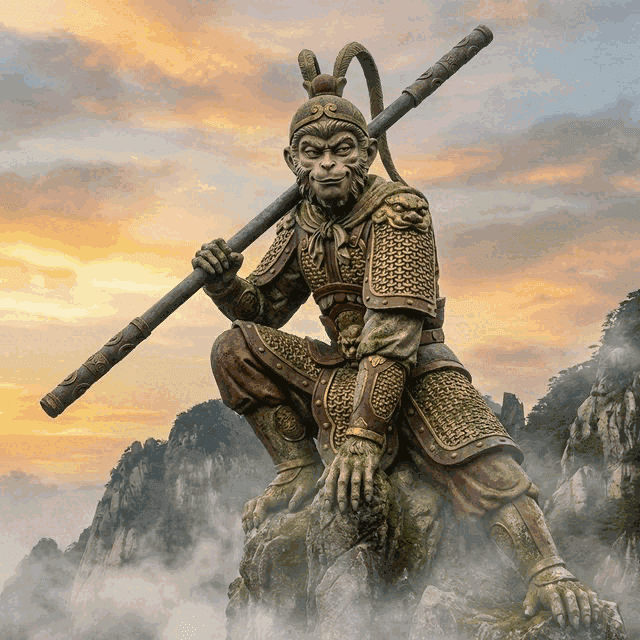 ChineseSun WukongIllustration
Both are shape-shifting troublemakers whose mischief repeatedly disrupts the divine order
Compare Loki and Sun Wukong side by side YorubaEshuIllustration
Both are trickster gods who thrive on mischief, disruption, and crossing boundaries
Compare Loki and Eshu side by side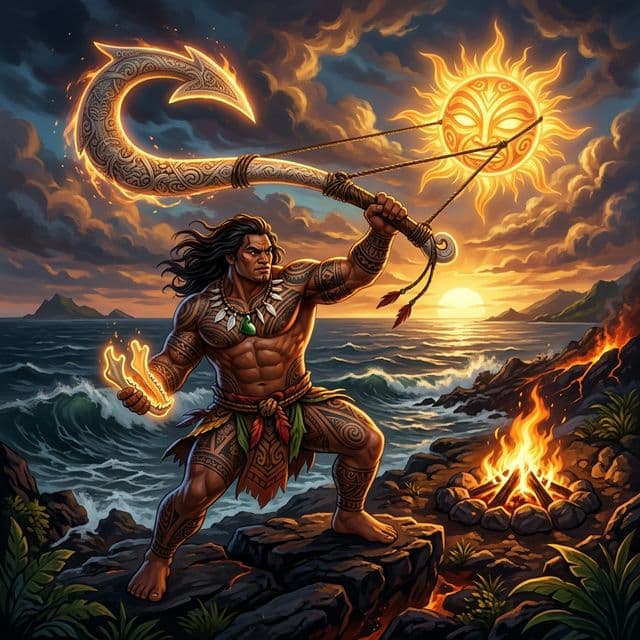 PolynesianMauiIllustration
Both are cunning shape-shifting tricksters who use cleverness rather than strength to achieve their ends
Compare Loki and Maui side by side
Worship and cult
Temples, festivals, and practices recorded for Loki
There is no working Loki cult in the sources. He is bound, blamed, and needed in the stories. The honest note is absence: a mythic catalyst without a priesthood.
Sacred sites
- No attested temple; place-names are scarce and disputed
Family


Relationship sources
Prose Edda — Loki parent of Hel
Snorri Sturluson · Arthur Gilchrist Brodeur, The Prose Edda (1916), American-Scandinavian Foundation; Internet Sacred Text Archive transcription · Gylfaginning XXXIV (34)
Prose Edda — Loki parent of Fenrir
Snorri Sturluson · Arthur Gilchrist Brodeur, The Prose Edda (1916), American-Scandinavian Foundation; Internet Sacred Text Archive transcription · Gylfaginning XXXIV (34)
In the atlas
Where Loki appears
Play the myth
Branching retellings featuring Loki: your choices decide the ending.
Sources and further reading
Source notes
These references are recorded in the catalog. Their passage wording and translation have not been checked, so quotations are not displayed here.
- Prose Edda, Gylfaginning (trans. Anderson)
Appears in
Ancient and classical works featuring this figure.
trickster present in several mythological poems (Lokasenna and other poems)
engineers Baldur's death (Gylfaginning)
About this entry
By Elizabeth Stein for Mythos Atlas. About the author. Editorial notes are grounded in the site's cited sources and can be challenged through the contact page.
Parallels are editorial comparisons across traditions: a shared role does not, by itself, establish a shared origin.
Family relationships come from the atlas's kinship records. Ancient sources often disagree on divine genealogy.
Keep exploring
One myth a week, with its sources in a short email. The sign-up form is just below.
Genealogy
Family tree
Loki's parents, consorts, children and rivals, as recorded in the atlas.