Polynesian Pantheon
Rongo
Also known as Lono (Hawaiian), Rongo-ma-tane (Maori), Ro'o (Tahitian)
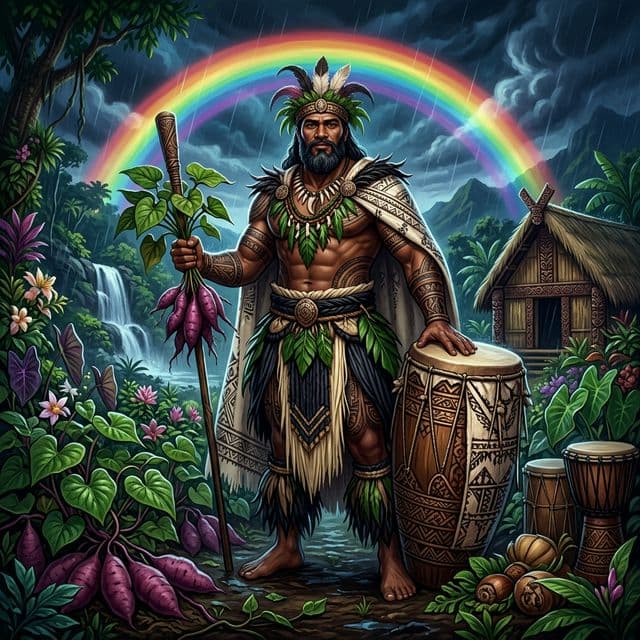
- agriculture
- peace
- fertility
- rain
- cultivated plants
The god of cultivated plants, peace, and agriculture. Rongo represents the peaceful arts of cultivation that sustain life, standing in contrast to his brother Tu's warlike nature.
About Rongo
God of Cultivation
Rongo is the god of cultivated food plants, particularly the kumara (sweet potato), which was the staple crop of Polynesia. He represents the peaceful, nurturing side of existence - the patient work of planting, tending, and harvesting that sustains communities.
The Peaceful Brother
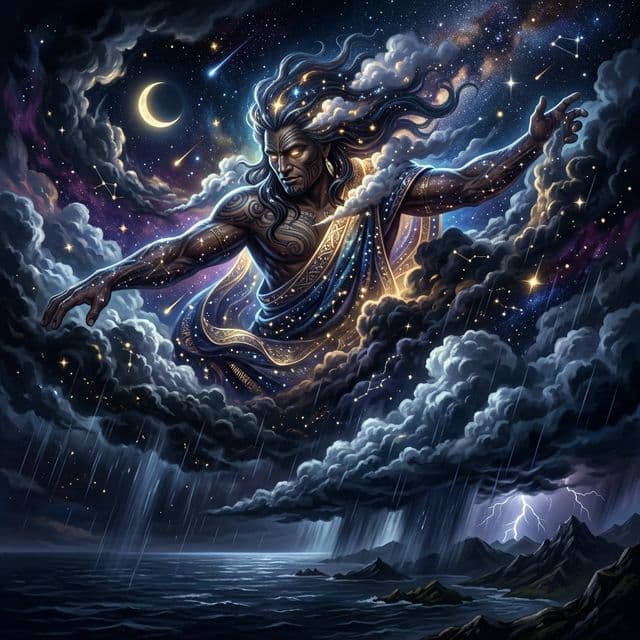
In the conflict between the children of Rangi and Papa, Rongo advocated for peaceful solutions. When Tawhirimatea attacked, Rongo fled to the protection of their mother Papa, hiding within the earth. For this, Tu conquered Rongo's children (the cultivated plants) and made them food for humanity.
Bringer of the Kumara
In Maori tradition, Rongo journeyed to the heavens and brought back the kumara, teaching humanity how to cultivate it. The kumara was so important to Maori life that elaborate rituals surrounded its planting and harvest, all dedicated to Rongo. The god ensured the fertility of the fields and the abundance of the harvest.
Lono in Hawaii
In Hawaiian tradition, Lono was one of the four great gods, associated with agriculture, rainfall, and peace. The Makahiki festival, lasting four months during the rainy season, was dedicated to Lono. During this time, warfare was forbidden (kapu), taxes were collected, and people engaged in games and celebrations. When Captain Cook arrived during Makahiki in 1778, some Hawaiians initially believed he was Lono returning.
Seasons and Cycles
Rongo/Lono represents the cyclical nature of agriculture and time itself. The wet season belongs to him, when crops grow and peace prevails. The dry season belongs to Ku, the war god, when conflicts were permitted. This divine balance reflects the agricultural calendar that governed Polynesian life.
Origin story
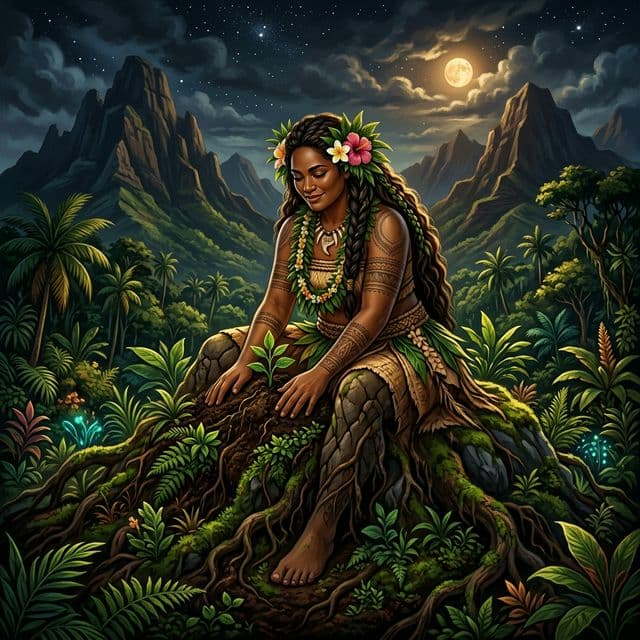
Rongo was born between Rangi and Papa in primordial darkness. Of gentler nature than some of his brothers, he fled from Tawhirimatea's assault and took refuge in the earth. He later ascended to the heavens to bring the kumara to humanity, becoming the patron of agriculture and peaceful pursuits.
Across traditions
Parallel figures
Figures who play a role like Rongo's in other traditions.
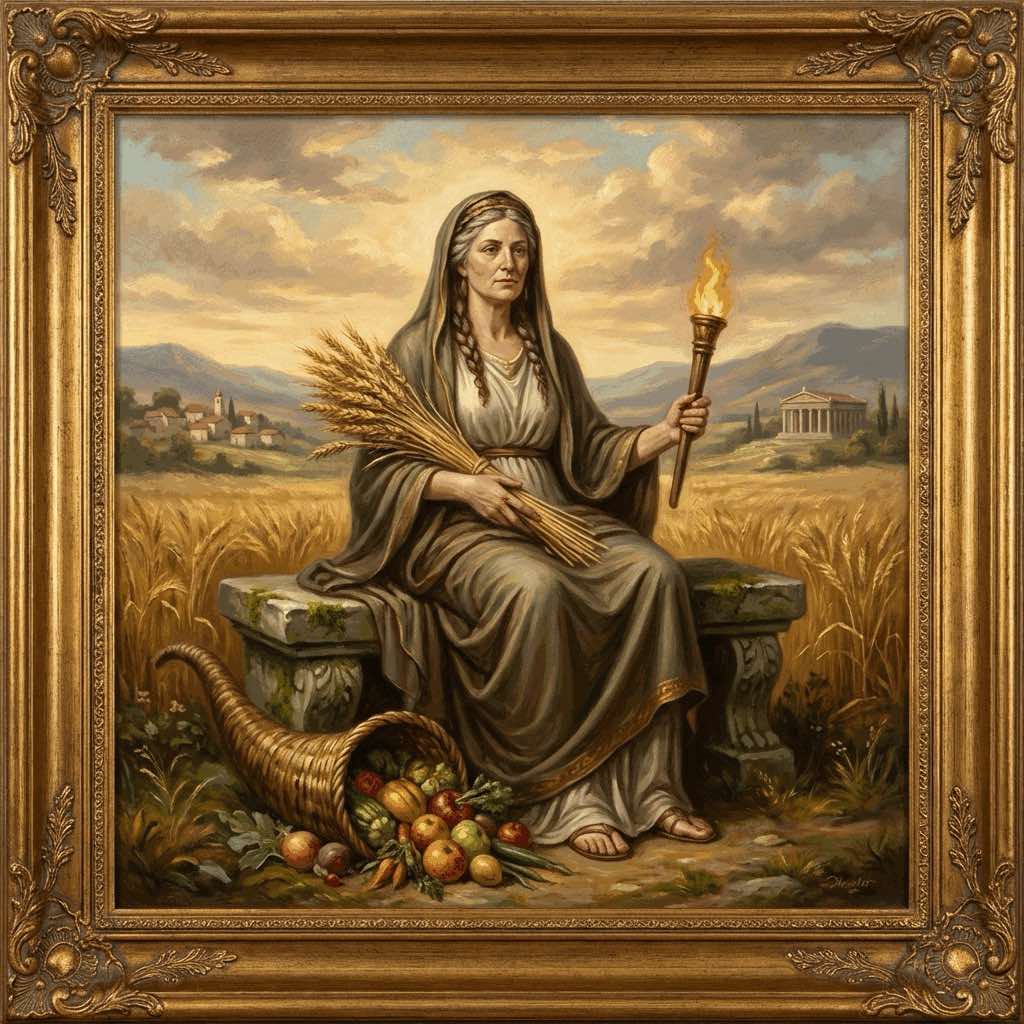 GreekDemeterIllustration
Both are deities of cultivated crops and agricultural fertility
Compare Rongo and Demeter side by side
Worship and cult
Temples, festivals, and practices recorded for Rongo
Cultivated food and the laying down of arms. Rongo-marae-roa in Maori. The cult is the garden, not the raid.
Sacred sites
- Kumara pits and peace after fighting
Family
Sources and further reading
Source notes
These references are recorded in the catalog. Their passage wording and translation have not been checked, so quotations are not displayed here.
- Maori Tradition
About this entry
By Elizabeth Stein for Mythos Atlas. About the author. Editorial notes are grounded in the site's cited sources and can be challenged through the contact page.
Parallels are editorial comparisons across traditions: a shared role does not, by itself, establish a shared origin.
Family relationships come from the atlas's kinship records. Ancient sources often disagree on divine genealogy.
Keep exploring
One myth a week, with its sources in a short email. The sign-up form is just below.
Genealogy
Family tree
Rongo's parents, consorts, children and rivals, as recorded in the atlas.