Side by sideSiblings

Jupiter vs Neptune

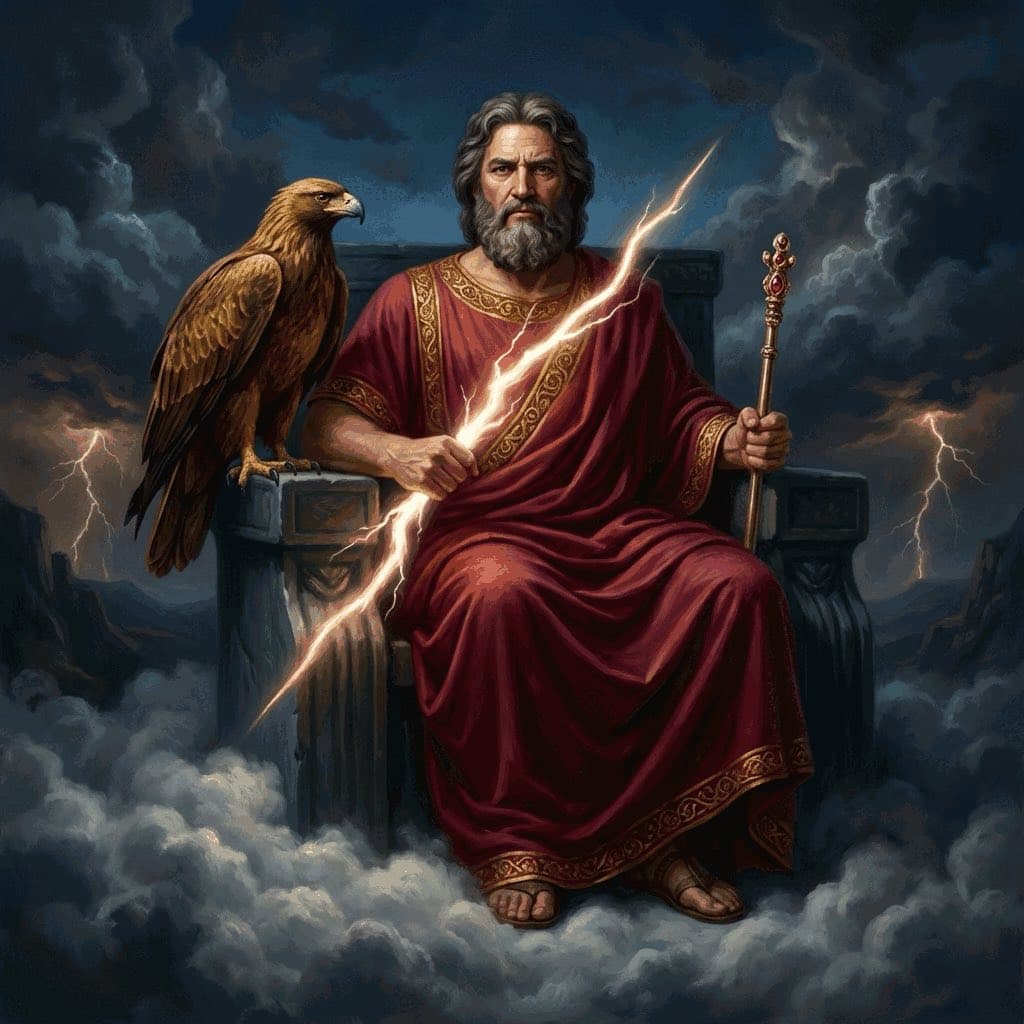
Jupiter
JupiterRoman
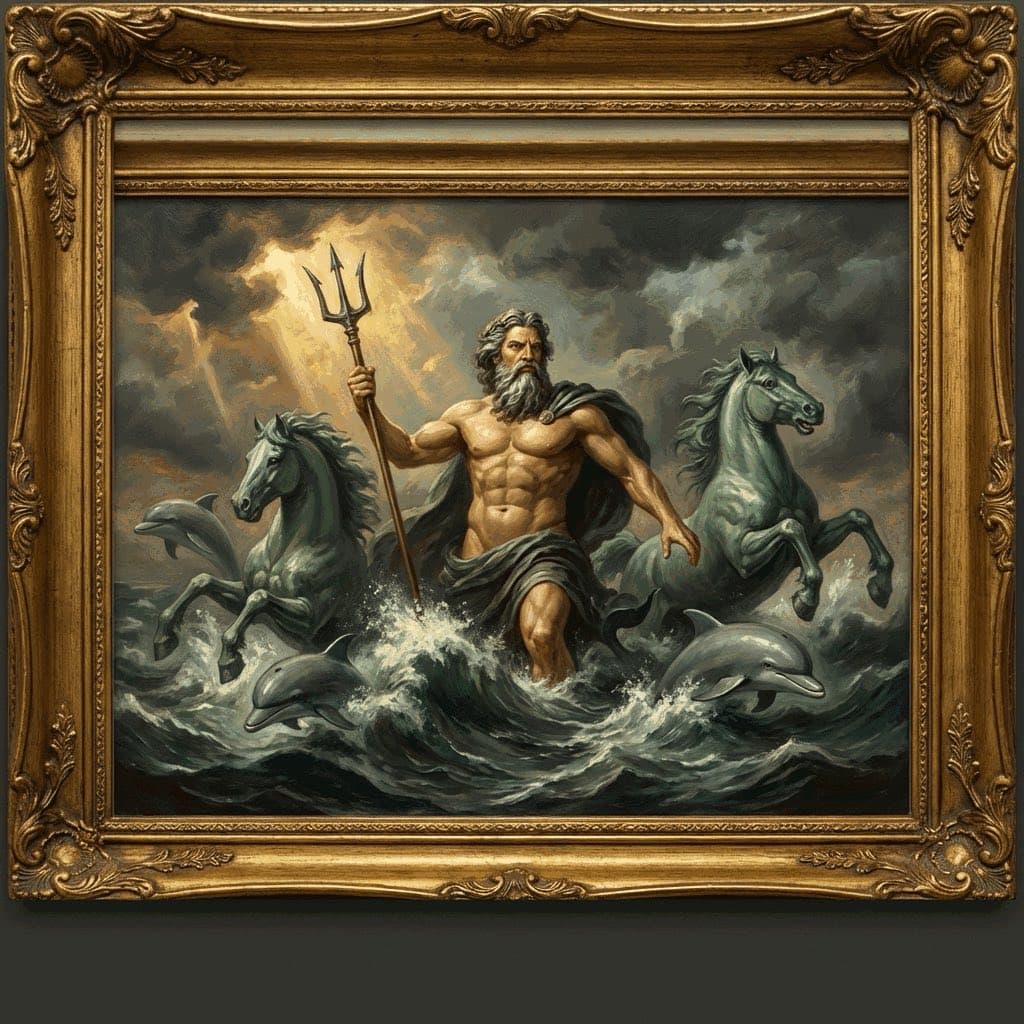
Neptune
NeptuneRoman

Jupiter and Neptune are recorded as siblings in the Roman Pantheon.

At a glance

Jupiter and Neptune compared
JupiterNeptune
TraditionRoman PantheonRoman Pantheon
Domainssky, thunder, lightning, kingship, lawsea, earthquakes, horses, freshwater
Symbolsthunderbolt, eagle, oak tree, sceptertrident, horse, dolphin
Also calledJove, IuppiterNeptunus

Where they meet

The atlas records no domain or symbol that Jupiter and Neptune share.

They are compared because of how the myths connect them, not because of what they rule.

Where they part

Only Jupiter

Associated with sky, thunder, lightning, kingship, and law.

Only Neptune

Associated with sea, earthquakes, horses, and freshwater.

How each was worshipped

Jupiter

Cult sites
Temple of Jupiter Optimus Maximus on the Capitoline, shared with Juno and Minerva; Temple of Jupiter Stator near the Forum; Temple of Jupiter Latiaris on the Alban Mount (Latin League)
Festivals
Ides (monthly); Ludi Romani (September); Vinalia

The flamen Dialis kept a life of taboos that marked Jupiter as the state's sky. White cattle went to him. A triumph ended at the Capitoline temple, where the general laid his laurels before Jupiter Optimus Maximus. The Ides belonged to him each month.

Neptune

Cult sites
Temple of Neptune in the Circus Flaminius; Campus Martius cult of Neptune Equester, close to the later circus and to horse-racing ground
Festivals
Neptunalia (23 July)

In the July heat Romans built leaf shelters (umbrae) and kept the Neptunalia as a thirsty outdoor feast. Neptune's Roman life is water, horses, and the fear of drought more than a Greek-style sea epic. State sacrifice used a bull.

The two figures

Roman Pantheon

Jupiter

King of the gods and god of sky, lightning, and thunder. Supreme deity of the Roman state religion, protector of Rome and source of divine authority for Roman emperors.

Jupiter corresponds to the Greek Zeus, born to Saturn (Cronus) and Ops (Rhea). He overthrew his father to become king of the gods, establishing divine order and justice.

Jupiter is the chief god of the Roman state, not a renamed Zeus wearing a toga. His oldest title, **Optimus Maximus**, "best and greatest," belongs to the temple on the Capitoline that he shared with Juno and Minerva. Roman magistrates took office under his gaze. Treaties were struck in his name. When lightning struck, the *pontifices* read it as his speech.

Read the full Jupiter entry

Roman Pantheon

Neptune

God of the sea, earthquakes, and horses. Brother of Jupiter and Pluto, ruler of all waters. Also associated with freshwater springs and patronage of horse racing.

Neptune rules waters in Roman religion, including the sea the poets borrowed from Greek Poseidon. Older Italian cult, though, ties him as closely to freshwater and to horses as to the open Mediterranean. The **Neptunalia** in July was a festival of midsummer drought, when Romans built leaf shelters and remembered the god who could give or withhold water.

Read the full Neptune entry
About this comparison

Comparisons pair figures that play a similar role across traditions, or that the myths connect within one. A shared role does not, by itself, establish a shared origin.