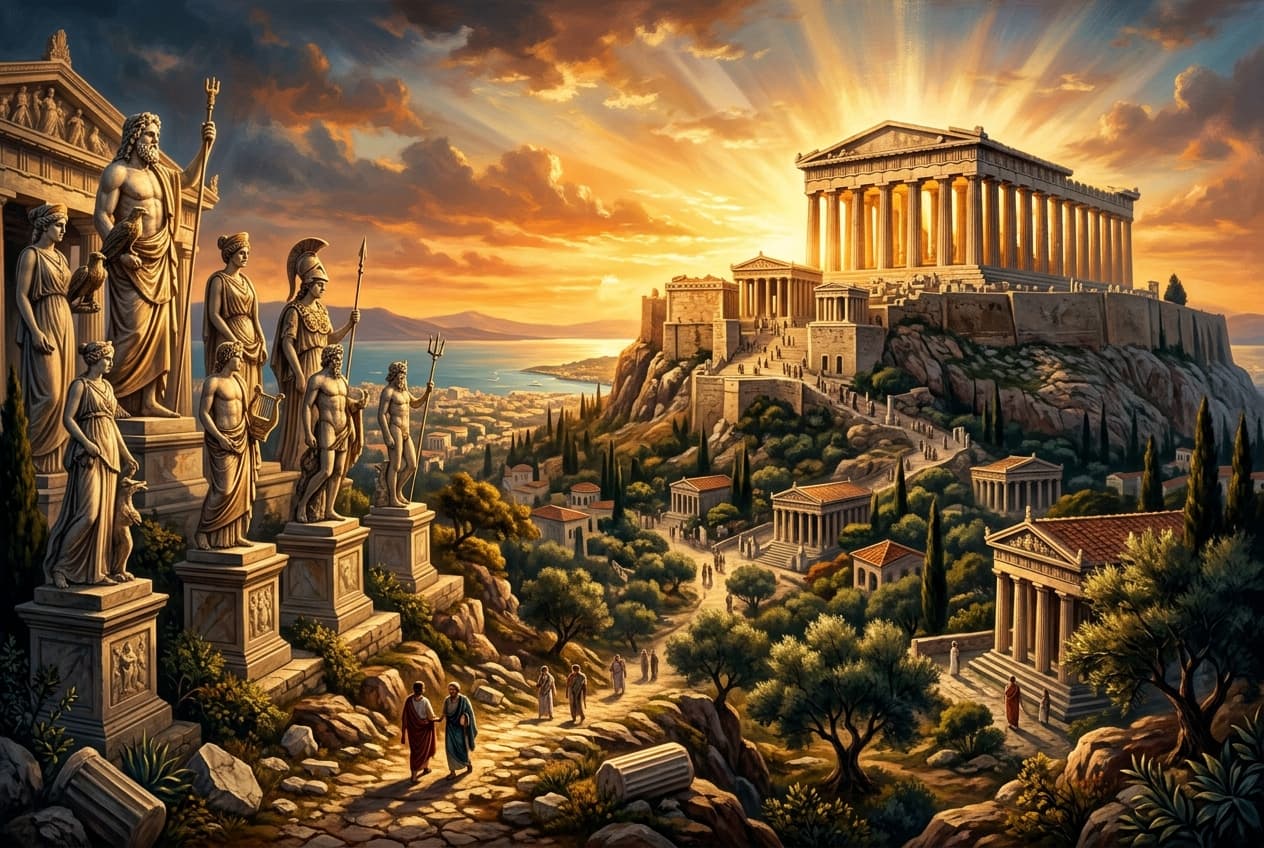
Greek Pantheon worksheet
Mediterranean
For teachers26 worksheets
Printable worksheets with answer keys, study guides and citations. Free, with no sign-up for you or your students.
One sheet per tradition: match figures to their roles, complete family relationships, fill in a word bank and answer short questions. The answer key prints on its own page, on A4 or US Letter.
Mediterranean
Scandinavia
Nile River Valley
Italian Peninsula and Mediterranean
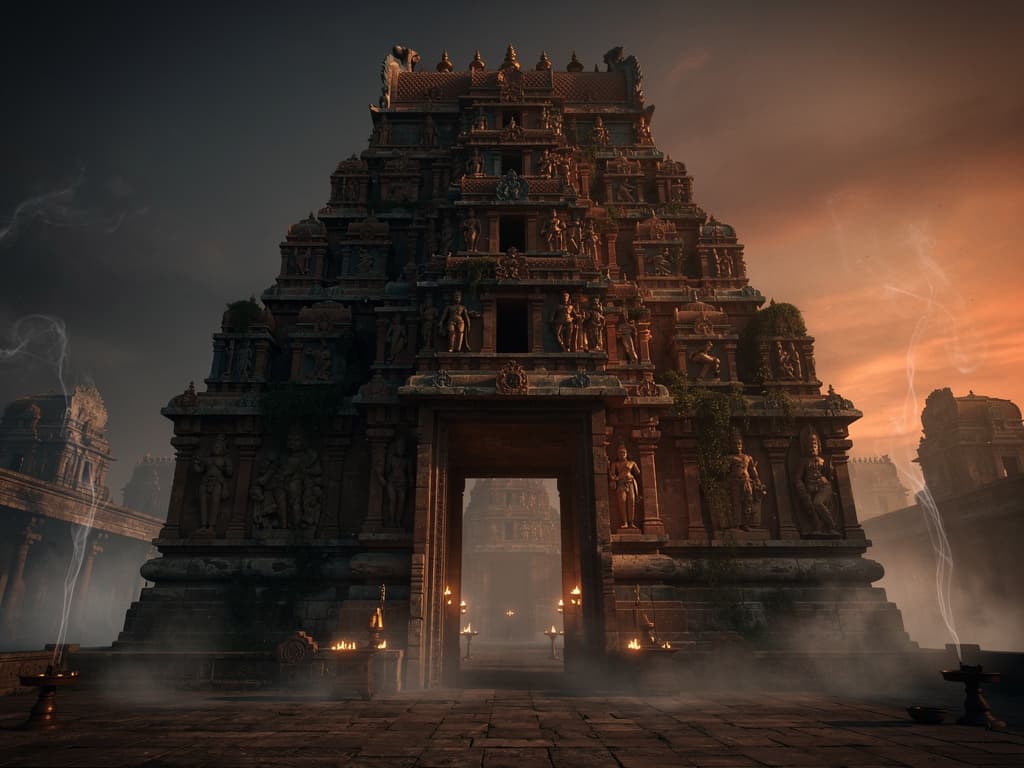
Indian Subcontinent
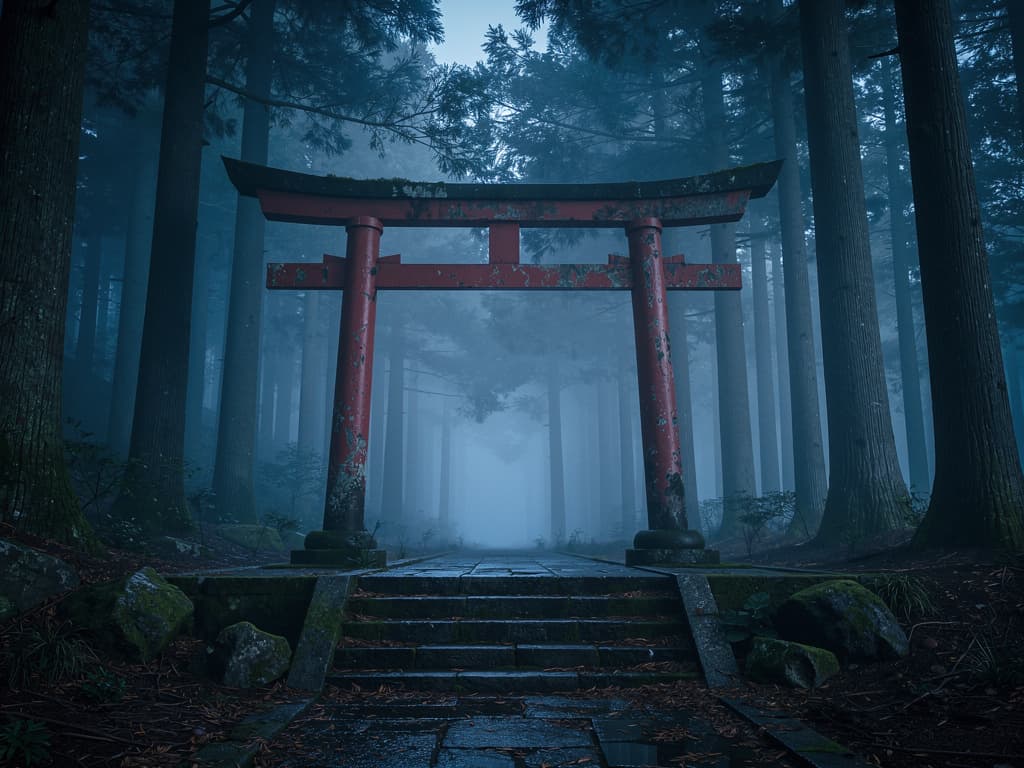
Japanese Archipelago
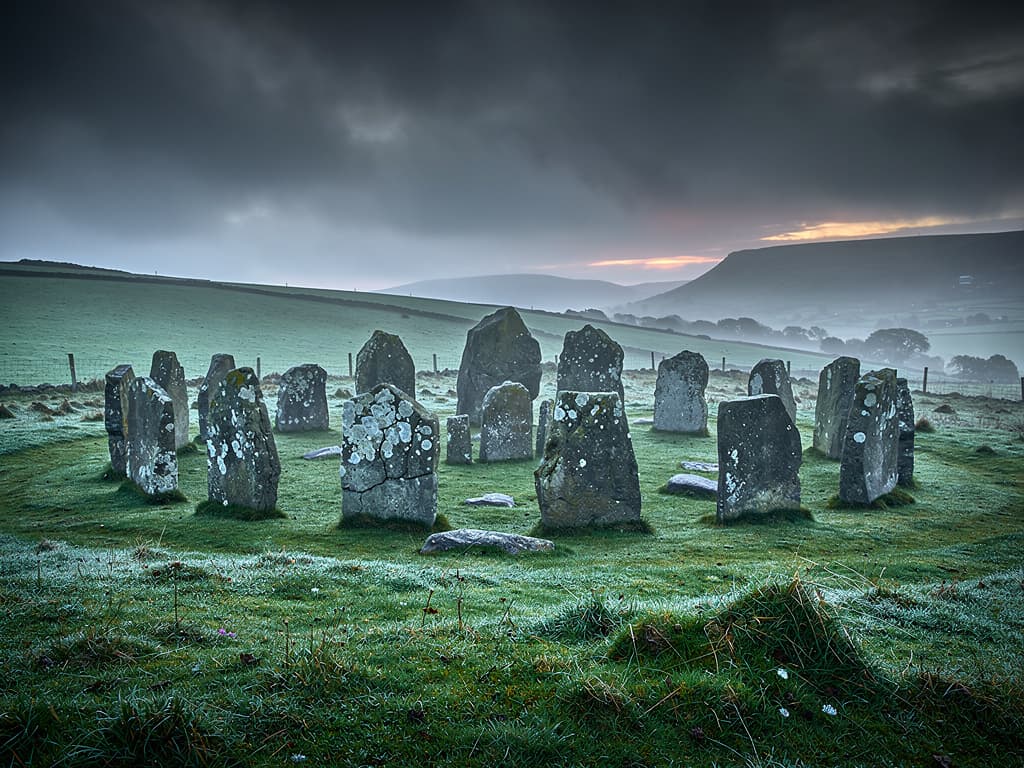
Western Europe
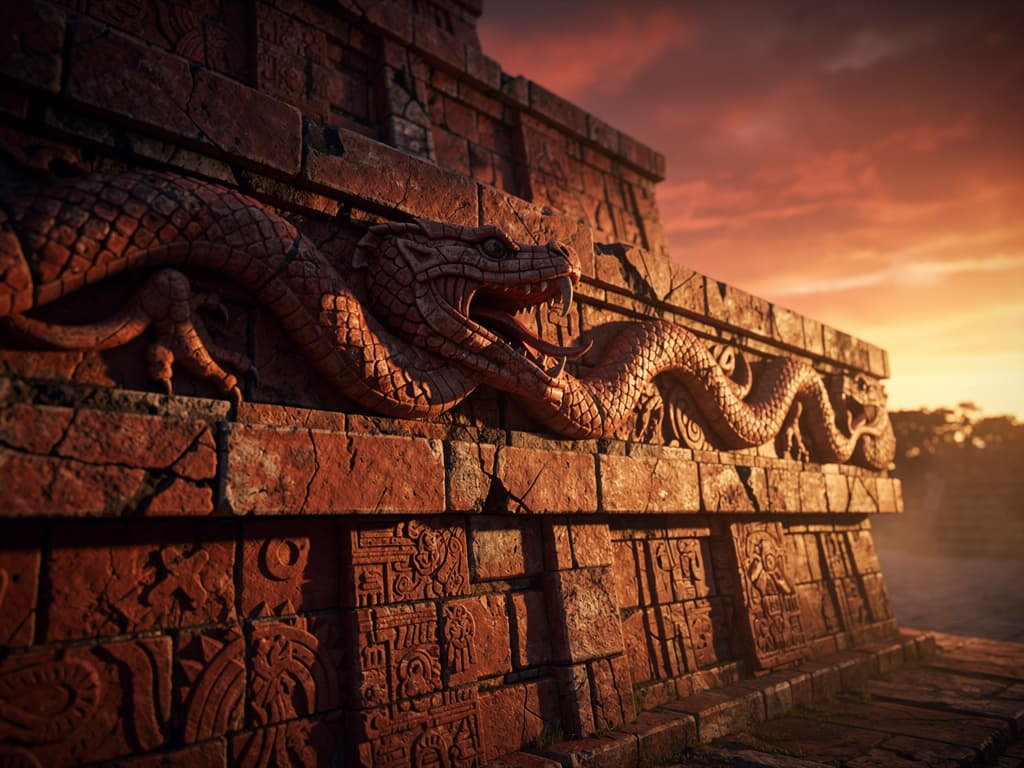
Central Mexico

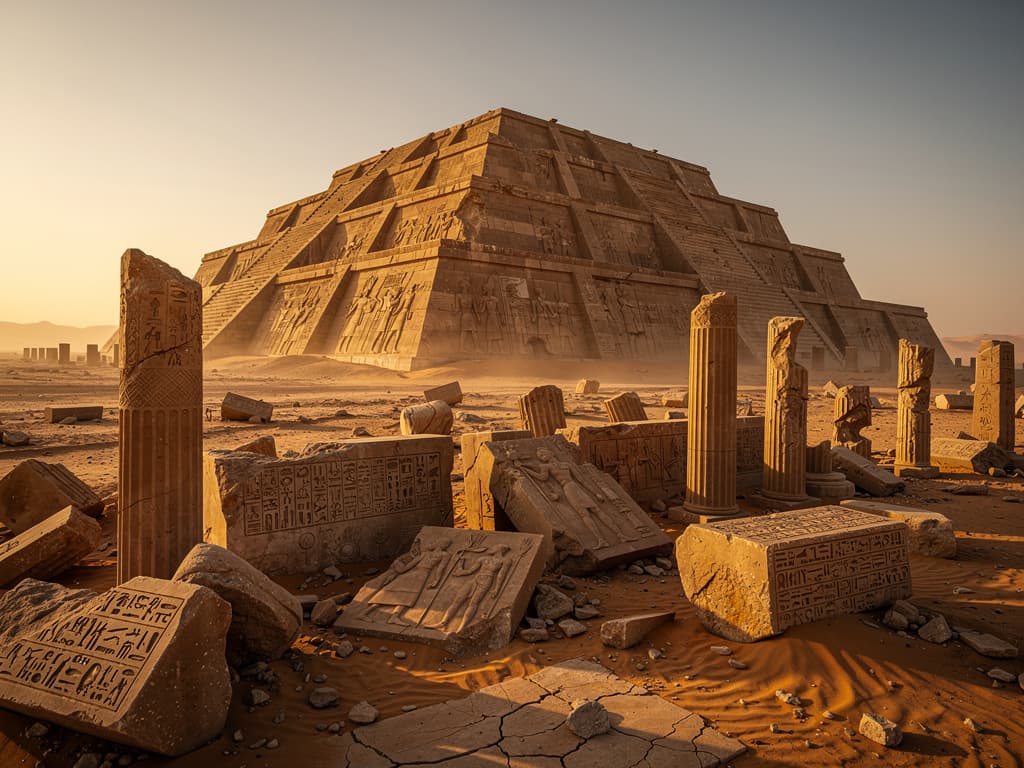
Mesopotamia (modern Iraq)
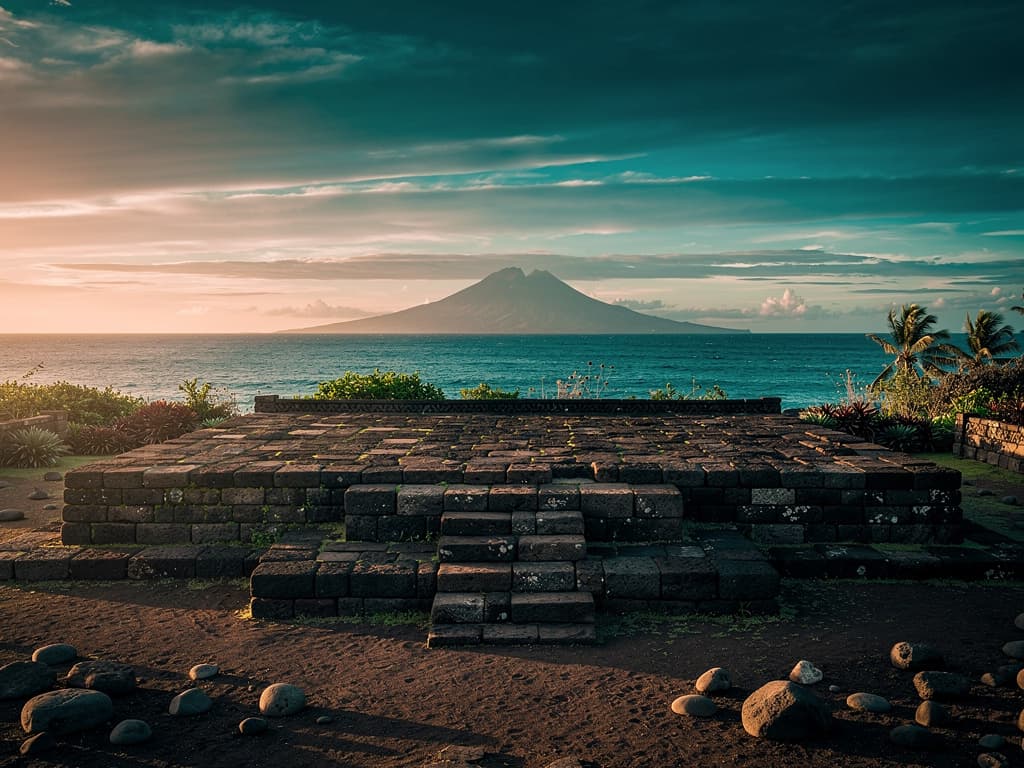
Pacific Ocean (Polynesian Triangle)
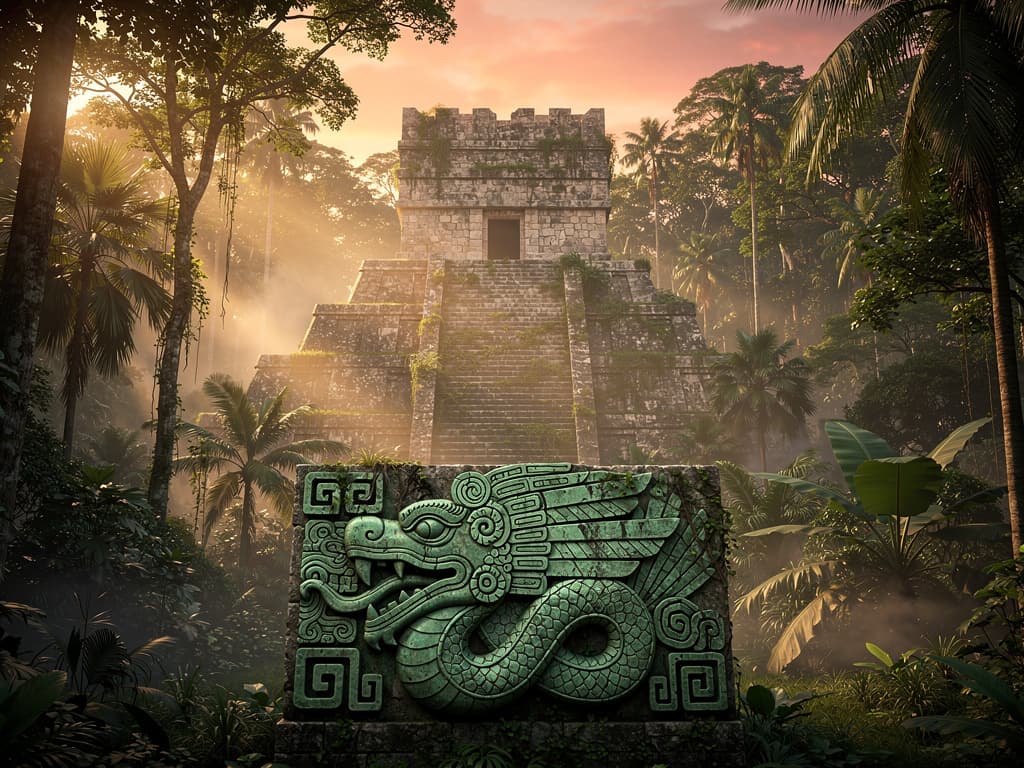
Central America and Mexico
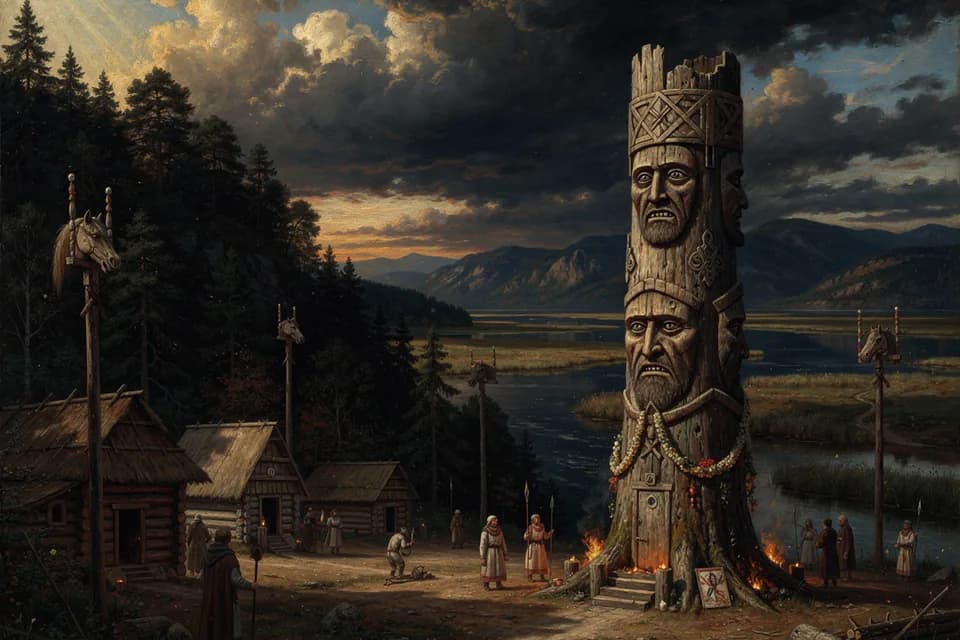
Eastern & Central Europe
Northeastern Woodlands (present-day New York State and southern Ontario)

Pacific Northwest Coast
West Africa and the Americas
Ghana and eastern Côte d’Ivoire
Anatolia (central Türkiye) and northern Syria
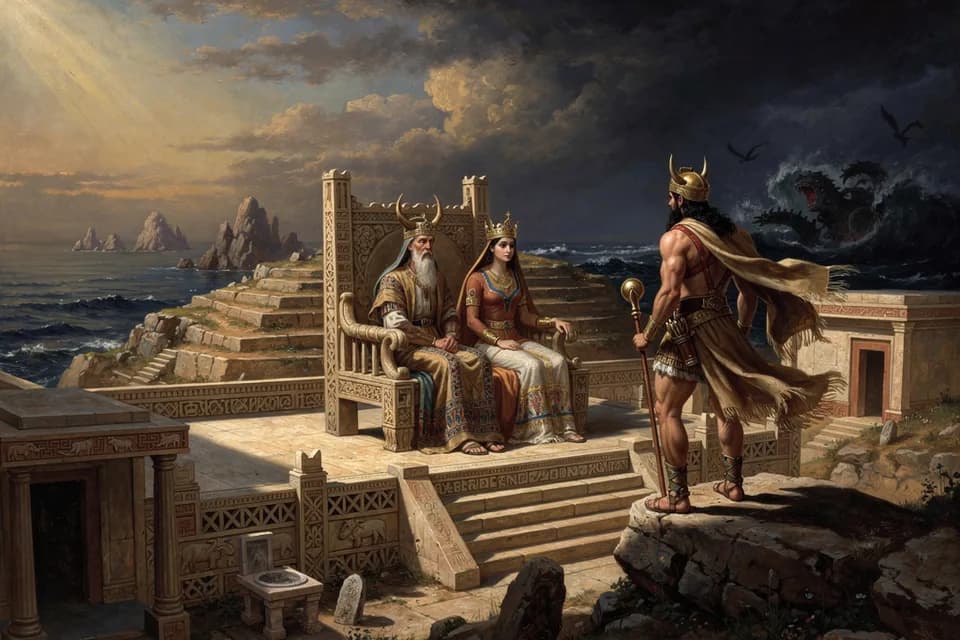
The Levant (coastal Syria, Lebanon, and Israel/Palestine)
The Arctic, from northern Alaska across Canada to Greenland
Australia (many distinct Countries)
Diné Bikéyah (the Navajo Nation and surrounding lands of the Four Corners region, southwestern United States)
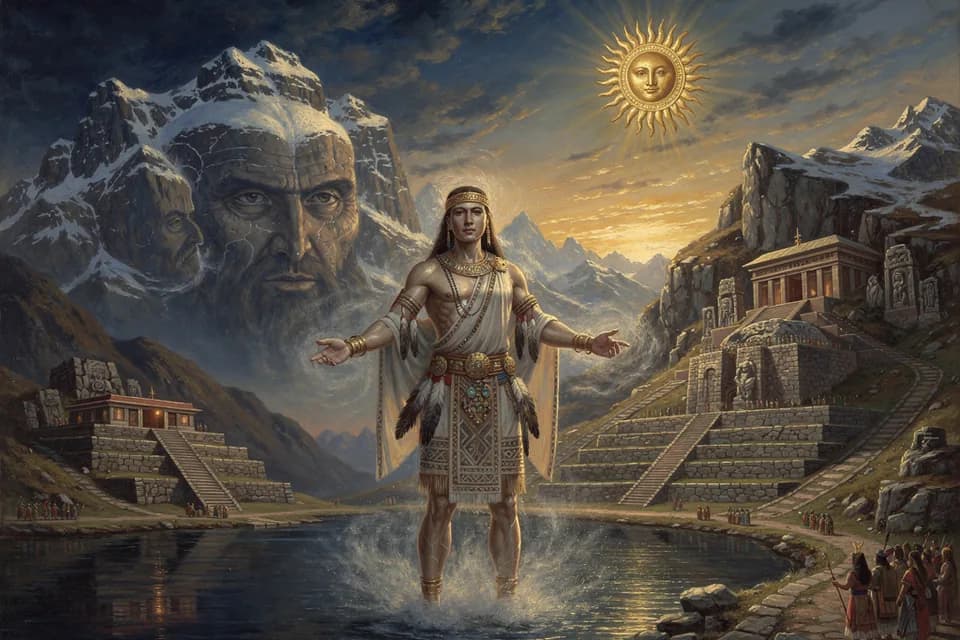
Andes (western South America)
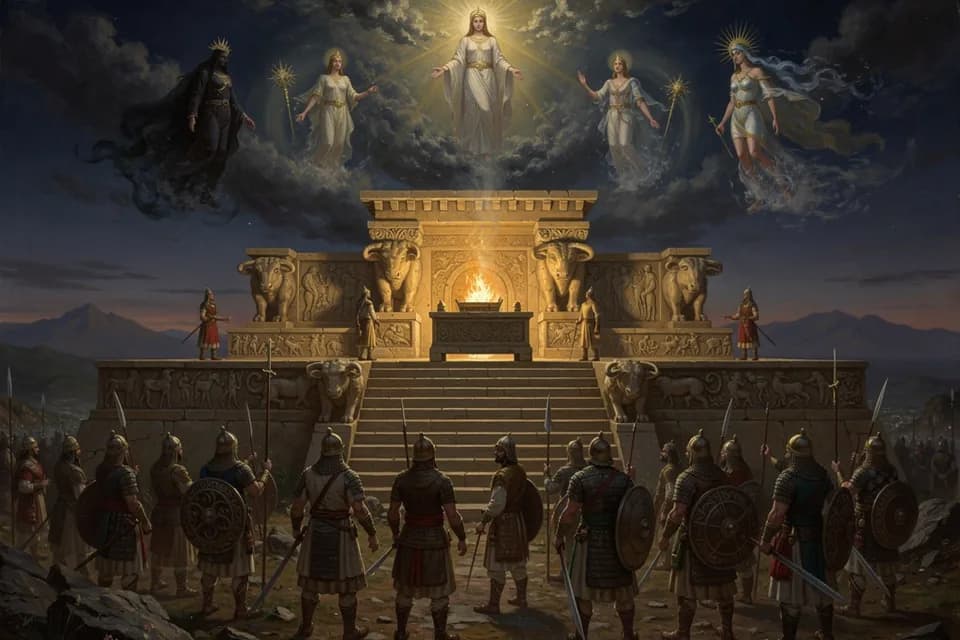
Iranian plateau and Central Asia
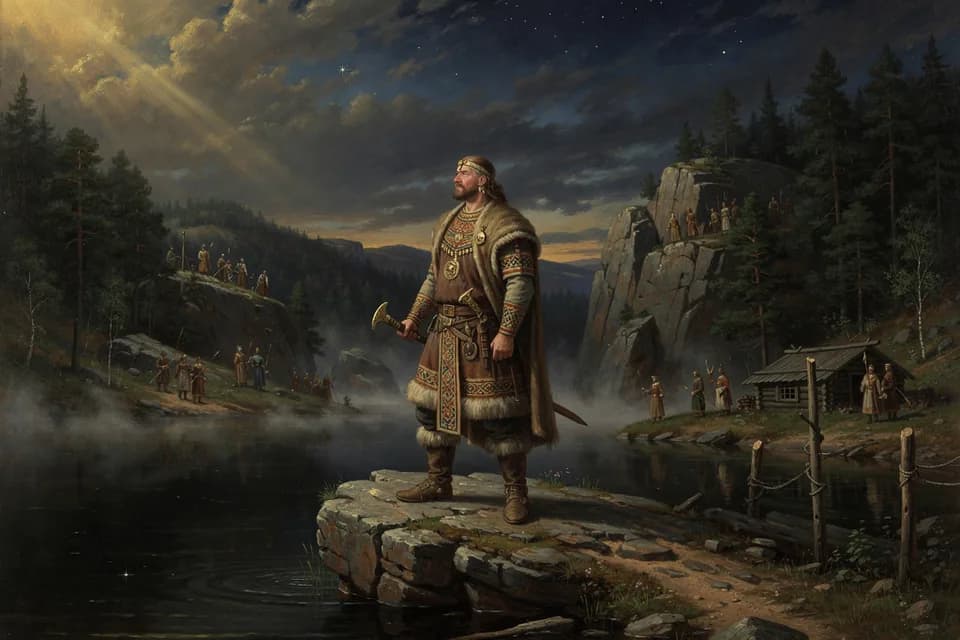
Finland and Karelia (Northern Europe)
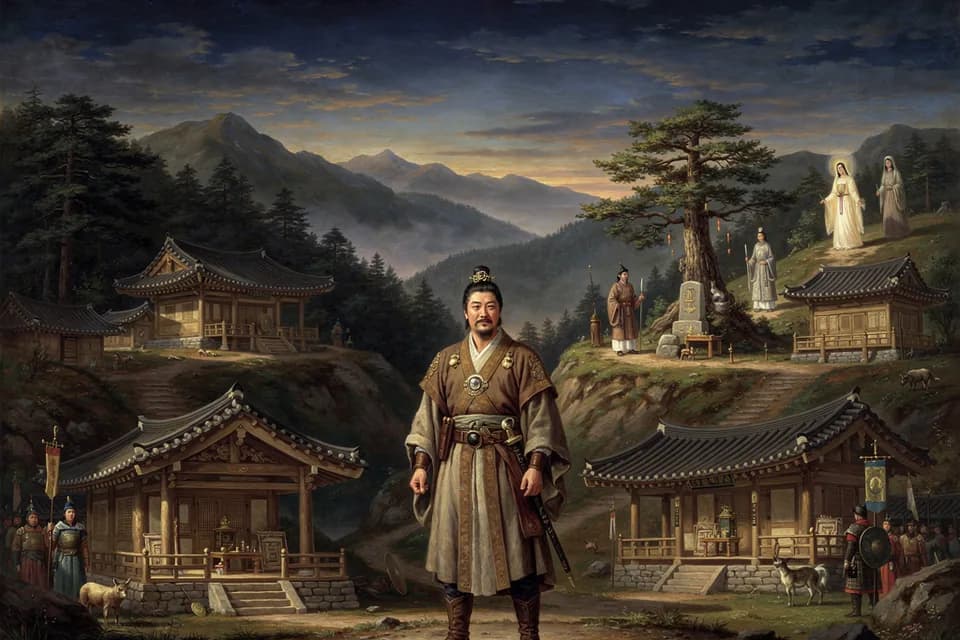
Korean Peninsula and Manchuria
Multiple-choice rounds on figures, symbols and domains. Wrong answers name the right one, and students can add the figures they missed to a review deck.
Spaced-repetition flashcards built from what each student has read. Progress stays in their own browser, with no account or sign-in.
Deity and story entries have a Cite this page control with MLA, APA and Chicago formats. The sources page lists the ancient texts and modern scholarship the atlas draws on.
Ordered routes through a tradition or theme, for a unit that runs over several lessons.
Step-by-step routes through a figure, a tradition or a comparison, with the entries and sources to read at each step.
The worksheets are built from the same catalog as the atlas, so every figure on a sheet has its own entry, with sources, for students who want to read further. Entries on living traditions say so, and retell the stories without speaking for the communities who keep them. Spotted an error, or need a sheet for a tradition that is not here yet? Get in touch.