Polynesian Pantheon
Tu
Also known as Ku (Hawaiian), Tu-matauenga (Maori), Tu-of-the-angry-face
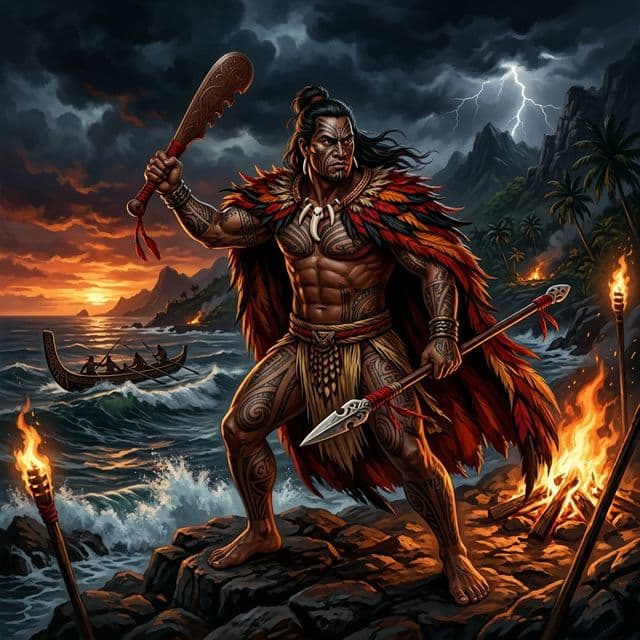
- war
- hunting
- fishing
- agriculture
- masculinity
The fierce god of war and human endeavor. Tu represents the aggressive, active principle necessary for survival, from warfare to hunting to the cultivation of crops.
About Tu
The War God
Tu-matauenga, whose name means 'Tu of the Angry Face,' is the god of war and all human activities that require conflict and struggle. Unlike war gods in some other traditions, Tu represents not just battle but all forms of human striving against nature, including hunting, fishing, and agriculture.
Advocate for Action
When the children of Rangi and Papa debated how to escape their prison between earth and sky, it was Tu who first proposed a violent solution: to kill their parents. When the more peaceful suggestion of separation prevailed, Tu was the one who supported Tane's efforts and fought against Tawhirimatea's winds when the storm god attacked.
The Angry Brother
After Tawhirimatea's assault, when the other gods fled or hid, only Tu stood firm. Furious at his brothers' cowardice, Tu turned on them in revenge. He trapped Tangaroa's fish children, Rongo's cultivated plants, Haumia's wild plants, and Tane's birds, making them all food for humanity. This is why humans eat fish, birds, and plants - because Tu conquered them.
Ku in Hawaii
In Hawaiian tradition, Ku is one of the four major gods, associated with war, politics, and male activities. Different forms of Ku governed different aspects of life: Ku-ka'ili-moku was the war god of King Kamehameha I, Ku-ula was the god of fishermen, and Ku-ka-o'o was the god of farmers. Temples dedicated to Ku required human sacrifice.
Patron of Warriors
Warriors dedicated themselves to Tu before battle, performing rituals and making offerings. The first enemy killed in battle was offered to Tu. His worship was particularly important in Maori society, where the warrior class held great prestige and warfare was a common feature of life.
Origin story
Tu was born in darkness between Rangi and Papa. When the gods debated their fate, he advocated killing their parents but accepted the decision to separate them. After Tawhirimatea attacked, Tu alone stood firm and then conquered his brothers' children to be food for humanity, establishing himself as the ancestor and protector of humans.
Across traditions
Parallel figures
Figures who play a role like Tu's in other traditions.
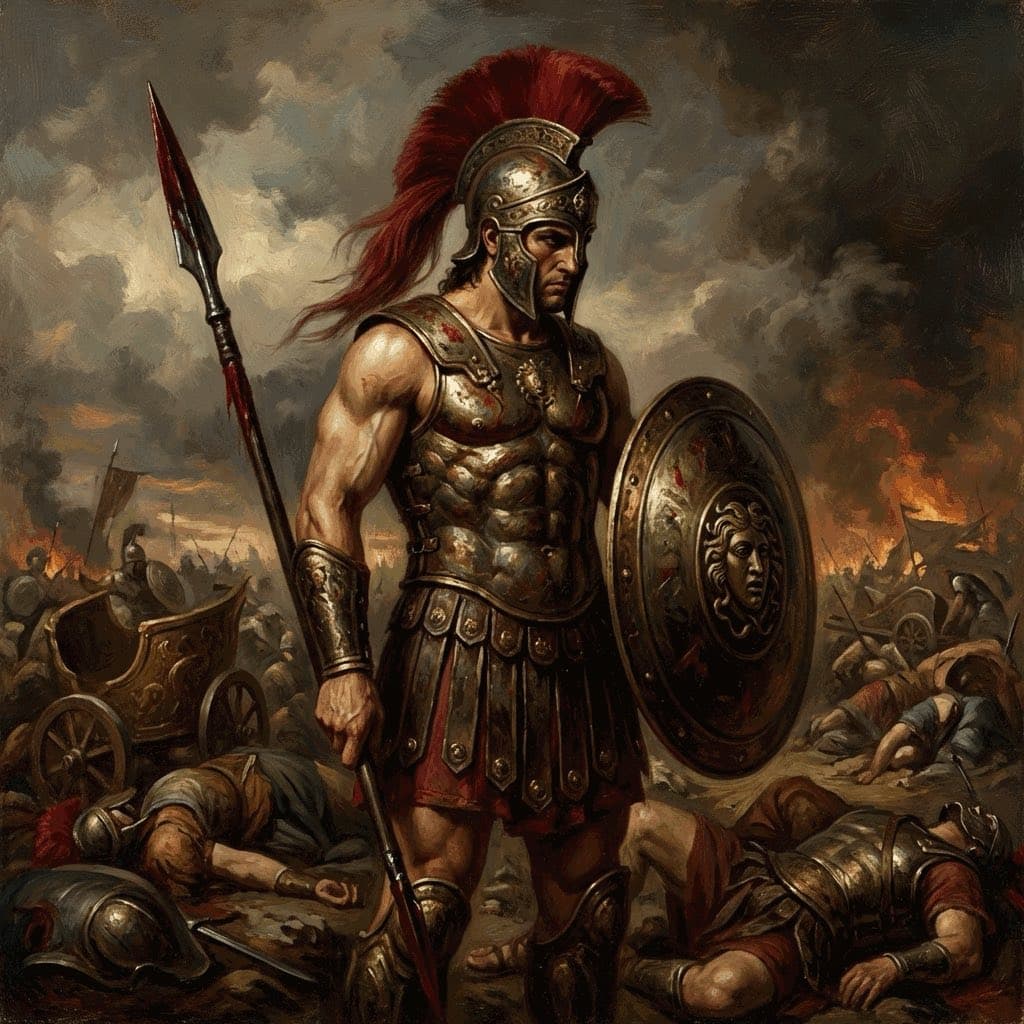 GreekAresIllustration
Both are war gods associated with the violent aspects of conflict
Compare Tu and Ares side by side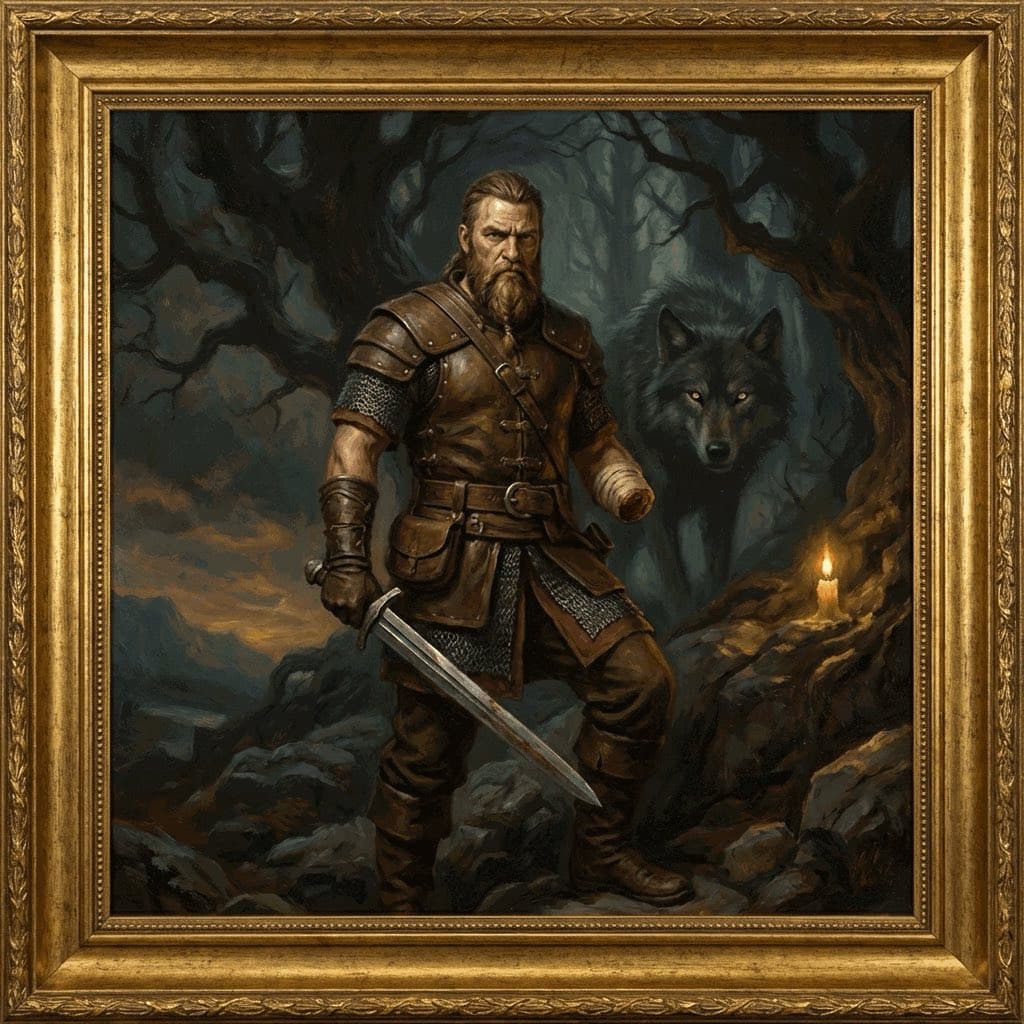 NorseTyrIllustration
Both are warrior gods, though Tyr is associated more with honor and law
Compare Tu and Tyr side by side
Worship and cult
Temples, festivals, and practices recorded for Tu
Tu-mata-uenga, man as warrior. Not a peaceable harvest god. Cult is restriction around fighting and the oven of war.
Sacred sites
- War tapu; niu and related rites in Maori tradition
Family
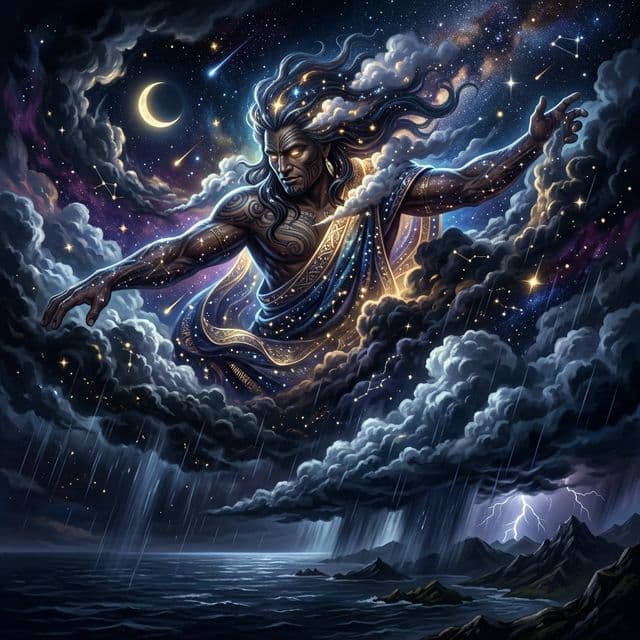
In the atlas
Where Tu appears
Play the myth
Branching retellings featuring Tu: your choices decide the ending.
The Judgment of Paris
Step into the sandals of Paris, prince of Troy. Three goddesses stand before you, each offering a gift beyond mortal dreams. But every choice carries consequences that will echo through eternity.
5-8 min3 endingsThor's Journey to Jotunheim
Accompany Thor, god of thunder, on a perilous journey to the realm of giants. Will you rely on Mjolnir's might, or discover that sometimes wisdom serves better than strength?
8-12 min8 endingsOrpheus in the Underworld
Descend into the realm of the dead as Orpheus, the greatest musician who ever lived. Can your love for Eurydice triumph over death itself? The choice that awaits you has haunted lovers for millennia.
6-10 min3 endingsInanna's Descent
Go down to the underworld as Inanna, Queen of Heaven. Each gate will take a piece of your power. Whether you return depends on who you trusted before you left.
6-9 min4 endingsAmaterasu and the Cave
Play as Ame-no-Uzume. The sun goddess has sealed herself in the rock cave after Susanoo's rampage. The world is dark. Someone has to get her to look out.
5-8 min3 endings
Sources and further reading
Source notes
These references are recorded in the catalog. Their passage wording and translation have not been checked, so quotations are not displayed here.
- Maori Tradition
About this entry
By Elizabeth Stein for Mythos Atlas. About the author. Editorial notes are grounded in the site's cited sources and can be challenged through the contact page.
Parallels are editorial comparisons across traditions: a shared role does not, by itself, establish a shared origin.
Family relationships come from the atlas's kinship records. Ancient sources often disagree on divine genealogy.
Keep exploring
One myth a week, with its sources in a short email. The sign-up form is just below.
Genealogy
Family tree
Tu's parents, consorts, children and rivals, as recorded in the atlas.