Mesoamerican Pantheon
Xochipilli
Also known as Flower Prince, Macuilxochitl

- flowers
- art
- games
- pleasure
- creativity
- homosexuality
The Aztec prince of flowers, art, and pleasure. Xochipilli presides over creativity, games, beauty, and ecstatic states, representing life's joyful aspects.
About Xochipilli
The Flower Prince
Xochipilli embodies pleasure, beauty, and artistic inspiration. His name means 'Flower Prince,' and he is covered in flowers, butterflies, and psychoactive plants.
Patron of Artists
Poets, musicians, dancers, and artists invoked Xochipilli for inspiration. He represents the creative ecstasy that produces great art and the pleasures that make life worth living.
Sacred Plants
The famous statue of Xochipilli shows him covered in entheogenic plants—morning glory, mushrooms, tobacco. He presided over the ritual use of sacred plants to achieve divine connection.
Origin story
Xochipilli emerged as the embodiment of life's pleasures, balancing the grim aspects of Aztec religion with celebrations of beauty and joy.
Worship and cult
Temples, festivals, and practices recorded for Xochipilli
Prince of flowers. Song, patolli, and plants that alter the afternoon. Not a children's garden god.
Sacred sites
- Flower-song precincts; the famous statue is a temple object
Festivals
- Linked to dance, flowers, and the day-count
Family
Questions about Xochipilli's family
- Who are Xochipilli's siblings?
- Siblings of Xochipilli recorded in the atlas: Xochiquetzal.
In the museums
Xochipilli in art
Real objects in public collections, released into the public domain by the museums that hold them. Dates refer to when each object was made. Objects made within the tradition come first, later depictions after.
 (opens the museum record)
Ancient object
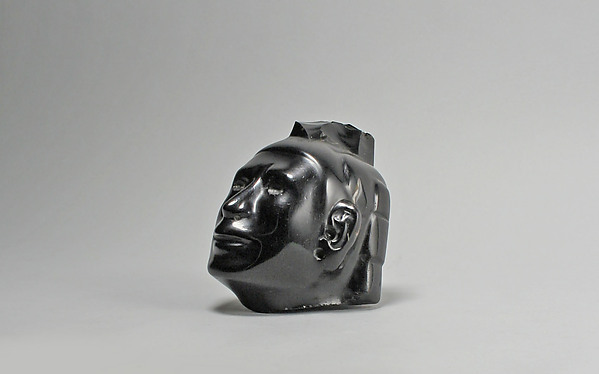
Head from a figure, Xochipilli-Macuilxochitl (opens the museum record)
An obsidian head the museum titles Head from a figure, Xochipilli-Macuilxochitl, naming the Mexica flower prince associated with music, pleasure, and the arts, closely linked with the god Macuilxochitl.
Sources and further reading
Source notes
These references are recorded in the catalog. Their passage wording and translation have not been checked, so quotations are not displayed here.
- Lewis Spence, The Myths of Mexico and Peru (1913), citing Sahagún
About this entry
By Elizabeth Stein for Mythos Atlas. About the author. Editorial notes are grounded in the site's cited sources and can be challenged through the contact page.
Parallels are editorial comparisons across traditions: a shared role does not, by itself, establish a shared origin.
Family relationships come from the atlas's kinship records. Ancient sources often disagree on divine genealogy.
Keep exploring
One myth a week, with its sources in a short email. The sign-up form is just below.
Genealogy
Family tree
Xochipilli's parents, consorts, children and rivals, as recorded in the atlas.