Aztec Pantheon
Xolotl
Also known as The Animal, Lord of the Evening Star
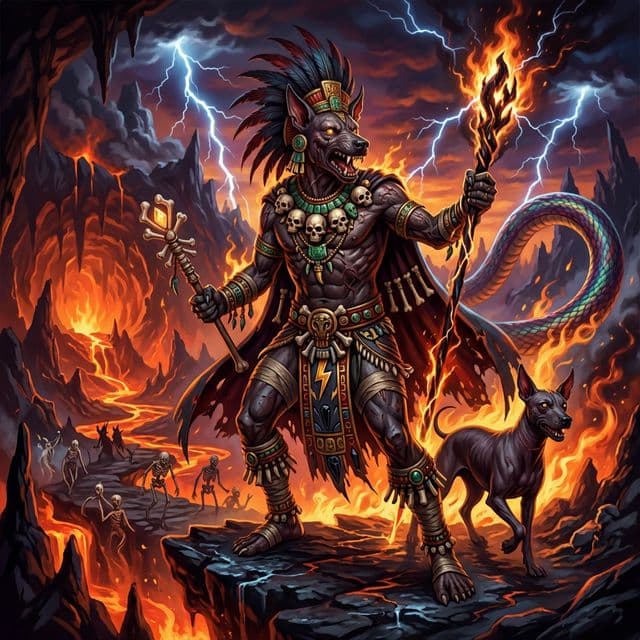
- lightning
- twins
- monsters
- death
- evening star
- sickness
The dog-headed god of lightning, twins, and deformities. Xolotl was the twin brother of Quetzalcoatl and guided the dead through the underworld. His name is preserved in the axolotl salamander.
About Xolotl
The Monstrous Twin
Xolotl was the dog-headed god of lightning, monsters, twins, and deformities. He was the twin brother of Quetzalcoatl, embodying the dark, monstrous aspect that complemented the Feathered Serpent's beauty and wisdom. Where Quetzalcoatl was the morning star, Xolotl was the evening star - both aspects of Venus.
Guide of the Dead
Xolotl's most important role was guiding the souls of the dead on their journey to Mictlan, the underworld. Like a loyal dog, he led them through the nine levels of the underworld. This is why dogs were often buried with the dead in Mesoamerica - to serve as guides in the afterlife.
The Sacrifice of the Gods
When Tonatiuh, the Fifth Sun, refused to move across the sky, the gods decided to sacrifice themselves. Xolotl was tasked with killing the other gods to set the sun in motion. When it came his turn to die, Xolotl fled in terror, transforming first into a maize plant, then a maguey, and finally an axolotl (the salamander that bears his name). He was eventually caught and sacrificed.
Lord of Deformities
Xolotl was patron of those born with deformities, twins, and the physically unusual. In Aztec thought, such births were omens and the children were sacred to Xolotl. He himself was depicted with backwards feet, empty eye sockets, and other deformities.
The Xoloitzcuintli
The hairless Mexican dog, the Xoloitzcuintli, was sacred to Xolotl. These dogs were bred for sacrifice and as companions for the dead. They were believed to be Xolotl's representatives on earth.
Origin story
Xolotl was born as the twin of Quetzalcoatl. During the creation of the Fifth Sun, he was tasked with sacrificing the gods to make the sun move. When his own turn came, he fled through multiple transformations before being captured and sacrificed.
Across traditions
Parallel figures
Figures who play a role like Xolotl's in other traditions.
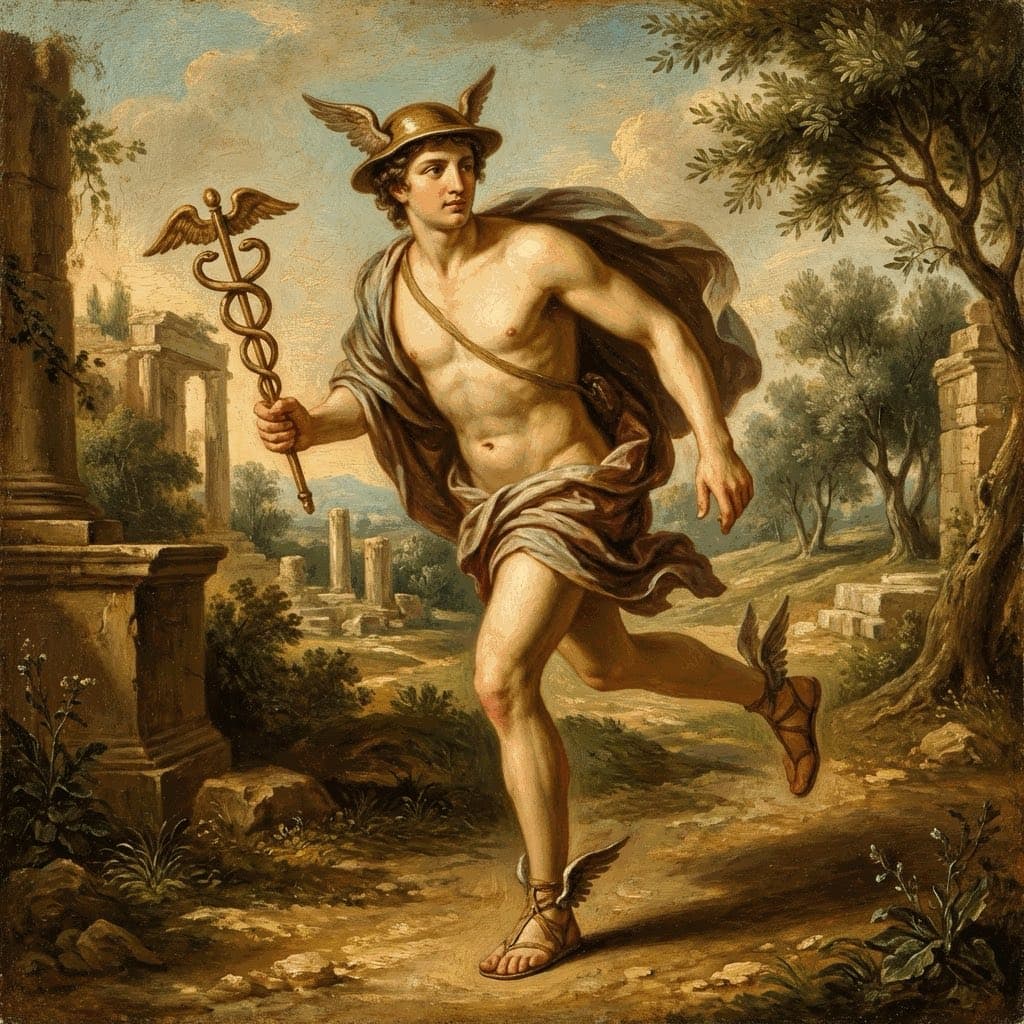 GreekHermesIllustration
Both serve as psychopomps, guiding souls to the underworld
Compare Xolotl and Hermes side by side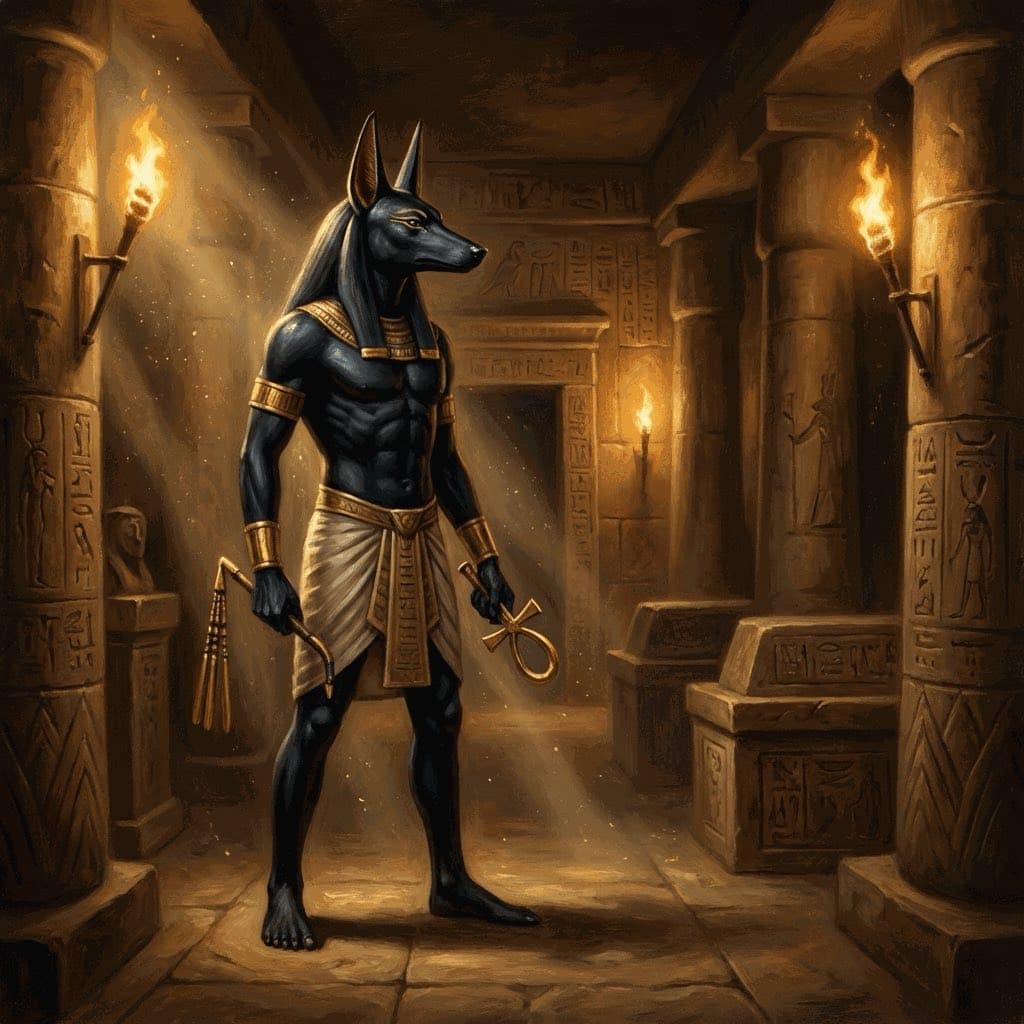 EgyptianAnubisIllustration
Both are canine-associated gods who guide and protect the dead
Compare Xolotl and Anubis side by side
Worship and cult
Temples, festivals, and practices recorded for Xolotl
Evening Venus, twins, and the dog that walks the dead. Ballgame and deformity sit near him. Independent temple lists are thin; he is a double, not a parish head.
Sacred sites
- Twinned with Quetzalcoatl in the calendar
Family
Questions about Xolotl's family
- Who are Xolotl's siblings?
- Siblings of Xolotl recorded in the atlas: Quetzalcoatl.
In the atlas
Where Xolotl appears
Stories
Sources and further reading
Source notes
These references are recorded in the catalog. Their passage wording and translation have not been checked, so quotations are not displayed here.
- Florentine Codex
About this entry
By Elizabeth Stein for Mythos Atlas. About the author. Editorial notes are grounded in the site's cited sources and can be challenged through the contact page.
Parallels are editorial comparisons across traditions: a shared role does not, by itself, establish a shared origin.
Family relationships come from the atlas's kinship records. Ancient sources often disagree on divine genealogy.
Keep exploring
One myth a week, with its sources in a short email. The sign-up form is just below.
Genealogy
Family tree
Xolotl's parents, consorts, children and rivals, as recorded in the atlas.