Collectionchaos
Trickster Gods
Divine troublemakers and shapeshifters who use cunning over brute force. These deities blur the lines between chaos and creation.
Across traditions
The figures
They share a theme; their roles, beliefs and histories differ from one tradition to the next.
 Norse PantheonLokiIllustration
A complex figure, blood brother to Odin but frequently causing trouble for the gods.
 Greek PantheonHermesIllustration
God of messengers, commerce, thieves, and travelers.
 Akan TraditionAnansiIllustration
The trickster spider god of the Akan people.
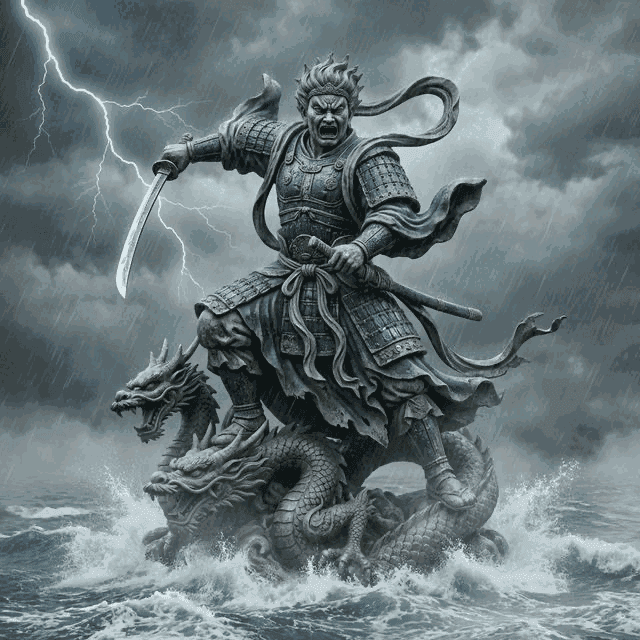 Japanese PantheonSusanooIllustration
God of storms, sea, and chaos.
 Polynesian PantheonMauiIllustration
The legendary trickster demigod and culture hero of Polynesian mythology.
 Greek PantheonDionysusIllustration
God of wine, festivity, and theater.
 Egyptian PantheonSetIllustration
God of chaos, storms, and the desert.
The stories
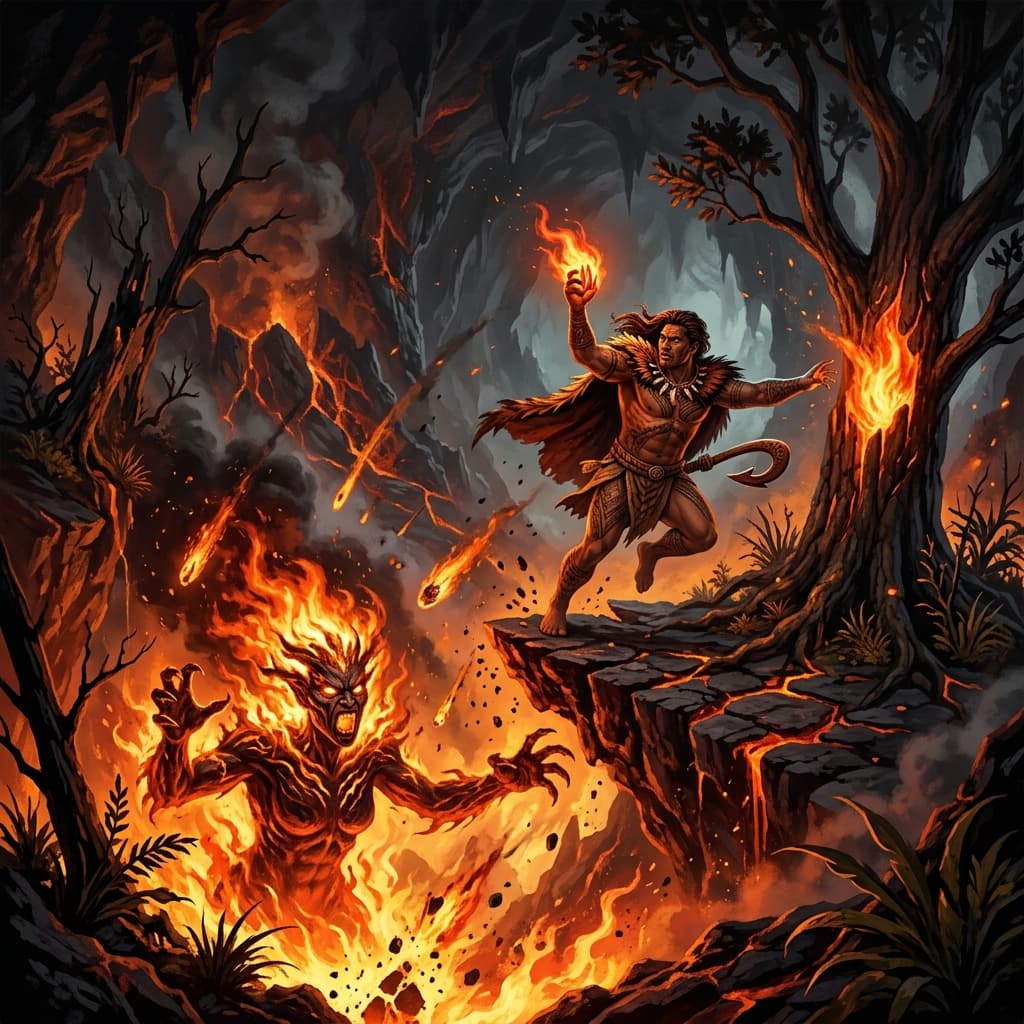 Maui Steals FirePolynesian PantheonMaui tricks his ancestress Mahuika, goddess of fire, into giving him her flaming fingernails, then preserves the secret of fire in the wood of trees when she tries to destroy him.
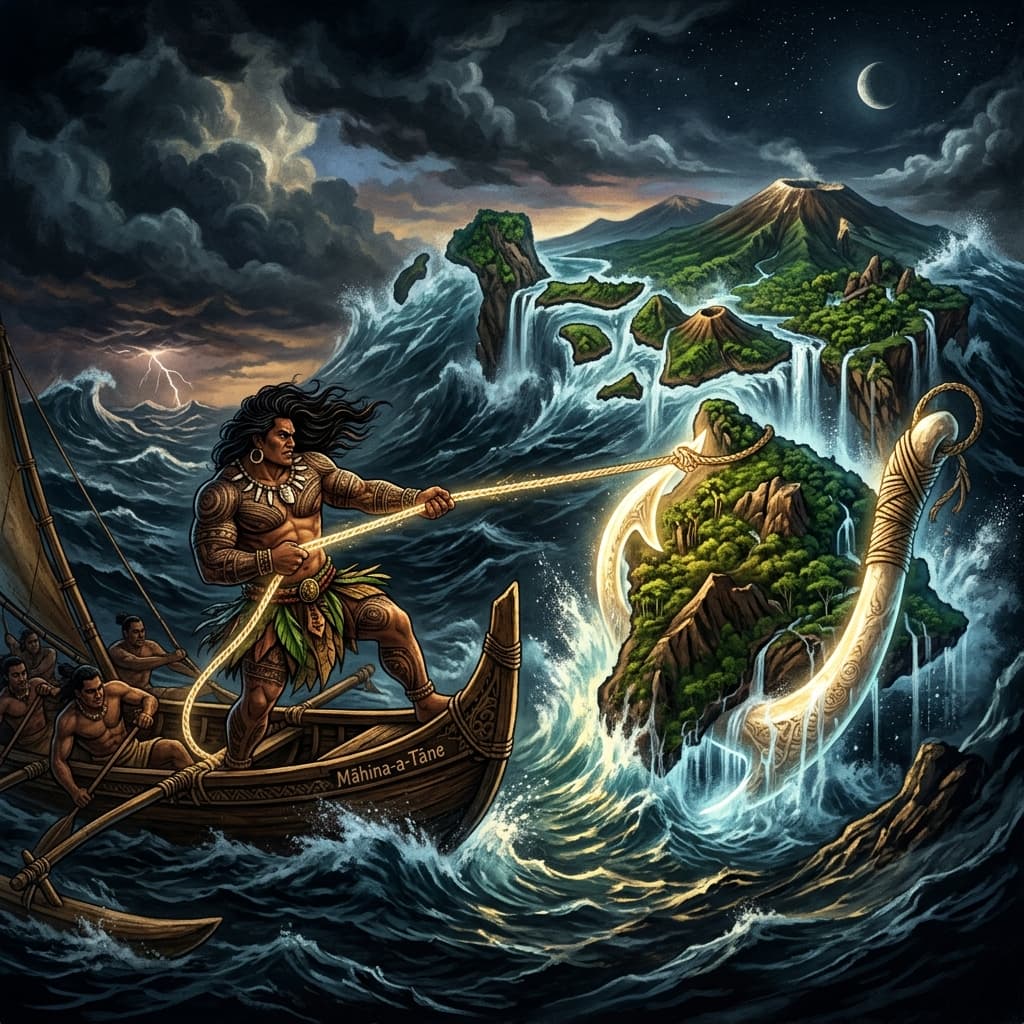 Maui Fishes Up the IslandsPolynesian PantheonThe demigod Maui uses a magical fishhook to pull islands from the ocean floor, creating the lands where Polynesian peoples would live. This foundational myth explains the origin of Pacific islands.
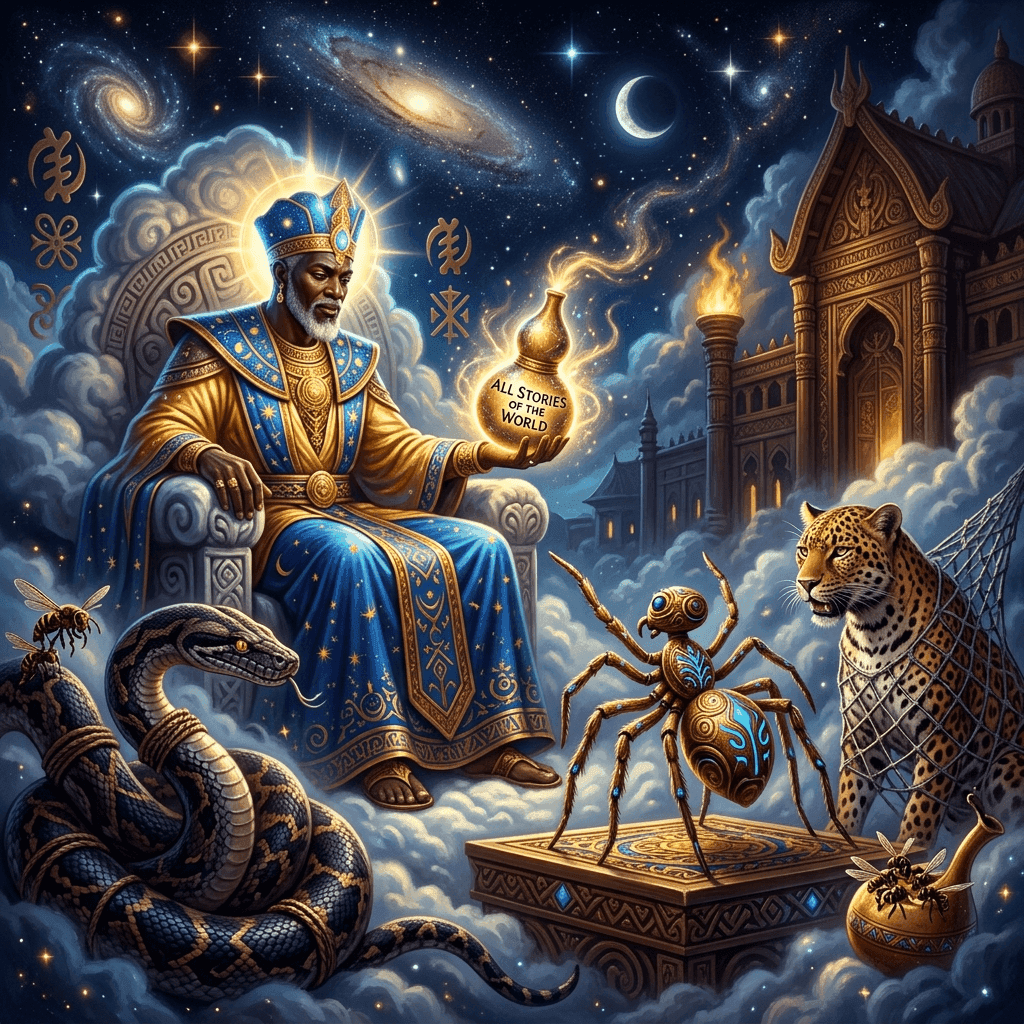 How Anansi Bought the World's StoriesAkan TraditionThe clever spider Anansi bargains with the sky god Nyame to purchase all the world's stories by completing four impossible tasks.
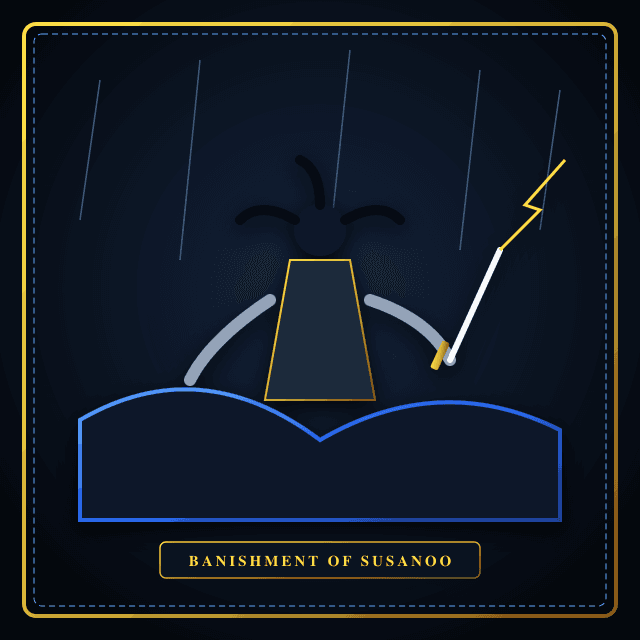 The Banishment of SusanooJapanese PantheonStorm god Susanoo rages through Amaterasu’s heavenly fields, wrecking her loom and sacred halls until the sun goddess seals herself in a cave — and Susanoo is cast from heaven.
About this collection
By Elizabeth Stein for Mythos Atlas. About the author. Editorial notes are grounded in the site's cited sources and can be challenged through the contact page.
Collections group figures and myths by a shared theme. A shared theme is an editorial lens, not evidence that the traditions borrowed from one another.