Egyptian Pantheon
Thoth
Also known as Djehuty, Tehuti, Three Times Great
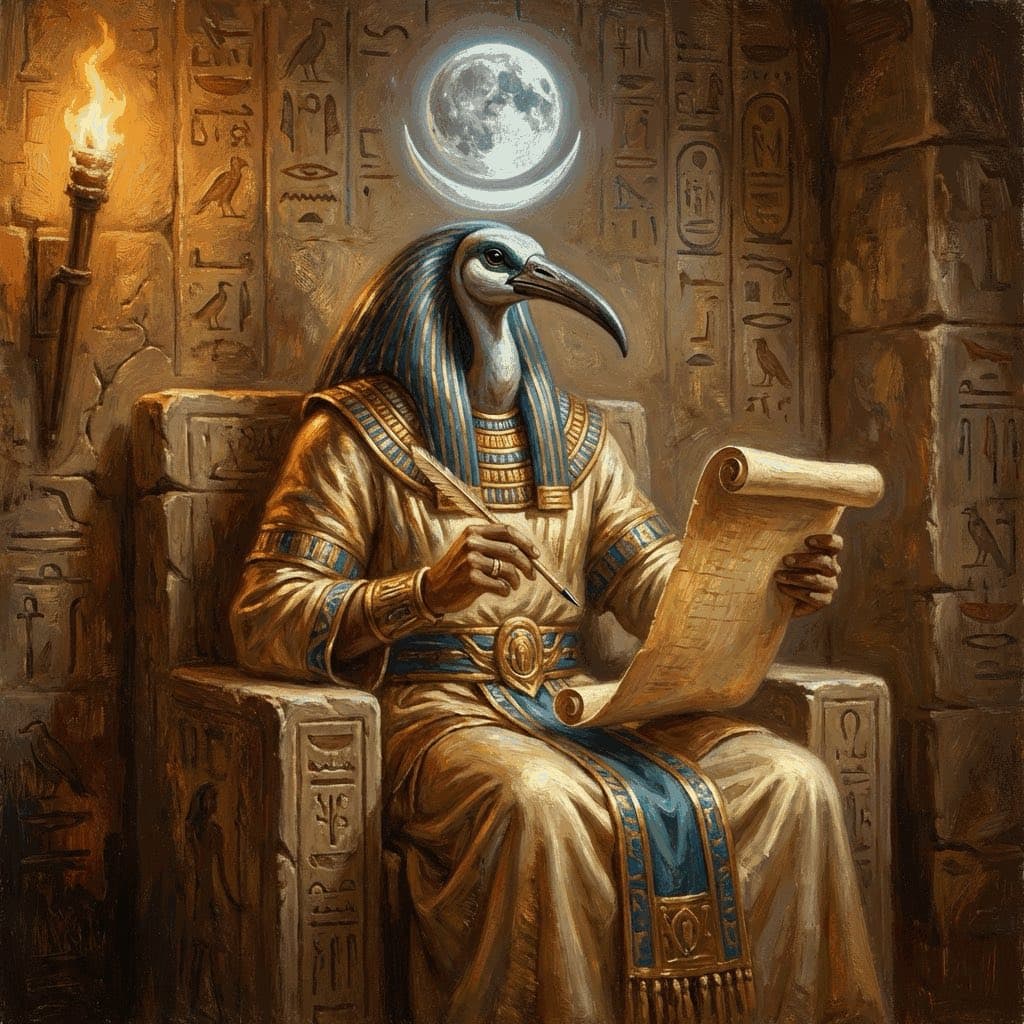
- wisdom
- writing
- magic
- moon
- time
- knowledge
- judgment
God of wisdom, writing, and magic. Inventor of hieroglyphs and scribe of the gods. He records the results of the weighing of hearts ceremony.
About Thoth
Scribe of the Gods
Thoth is the ibis-headed god of wisdom, writing, magic, and the moon. He invented hieroglyphs and is credited with creating all branches of knowledge, including science, philosophy, mathematics, and religion. His precise calculations and record-keeping maintain cosmic order.
The Divine Arbiter
Thoth serves as the divine mediator and arbiter, ensuring balance between good and evil, order and chaos. During the great contest between Horus and Set for the throne of Egypt, Thoth presided over the proceedings and recorded the judgments. He restored the Eye of Horus after Set damaged it, making the Wedjat a symbol of wholeness and healing.
Lord of Time and the Moon
As a lunar deity, Thoth governs time, calendars, and the measurement of seasons. He added five extra days to the calendar through a clever wager with the moon god Khonsu, allowing Nut to give birth to her children (Osiris, Isis, Set, Nephthys, and Horus the Elder).
Sacred Animals and Cult Centers
Thoth appears as an ibis or a baboon, both sacred to him. His primary cult center was Hermopolis (Khemenu), where he was worshipped as a creator god. Greeks later identified him with Hermes, calling him Hermes Trismegistus ("Thrice-Great").
Origin story
Thoth's origins are mysterious, befitting the god of hidden knowledge. In some traditions, he was self-created, emerging from the chaos at the beginning of time through the power of language itself. Other accounts describe him as born from the lips of Ra, created from the sun god's words. In Hermopolitan theology, Thoth was among the primordial eight deities (the Ogdoad) who existed before creation. His role in establishing cosmic order through writing and calculation made him essential to the functioning of the universe from its very beginning.
Across traditions
Parallel figures
Figures who play a role like Thoth's in other traditions.
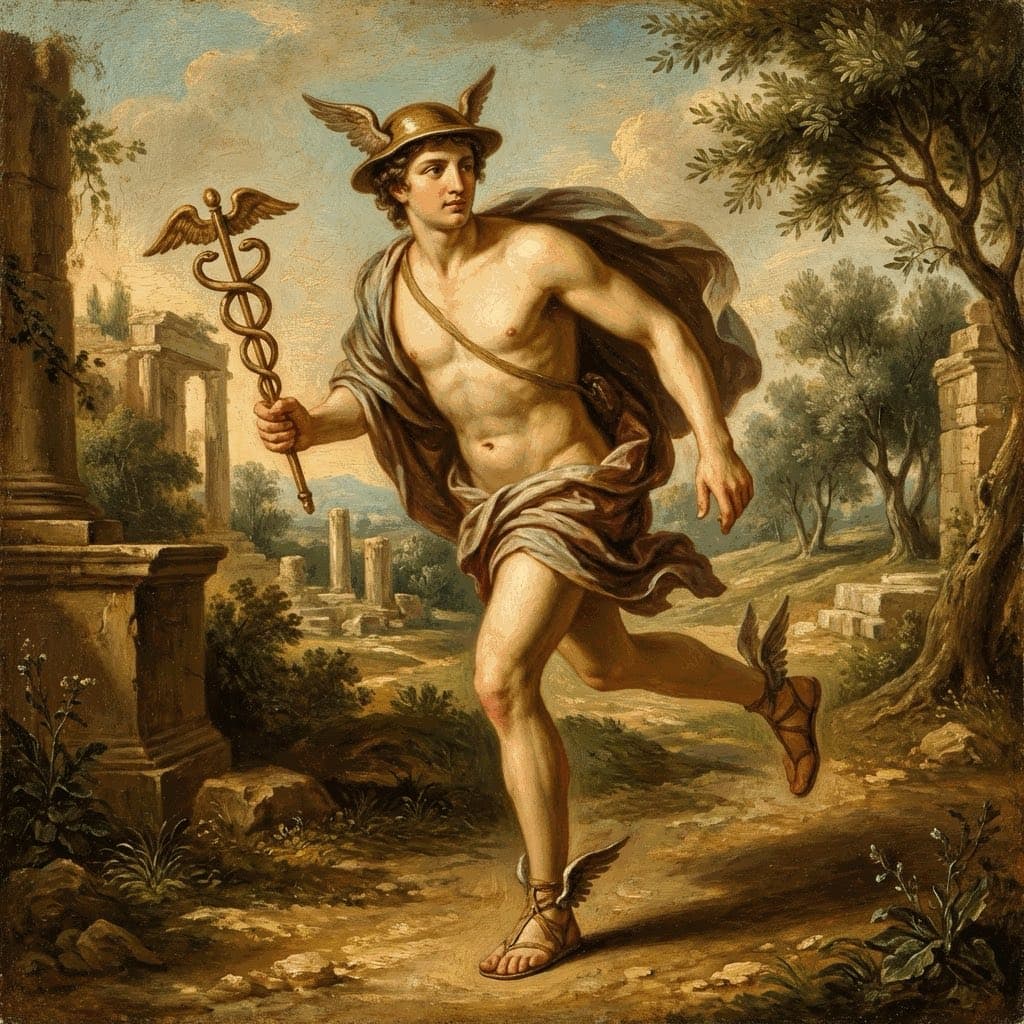 GreekHermesIllustration
The Hellenistic syncretism 'Hermes Trismegistus' directly fused the two as the god of wisdom, writing, and magic
Compare Thoth and Hermes side by side MesopotamianEnkiIllustration
Both are gods of wisdom, magic, and secret knowledge
Compare Thoth and Enki side by side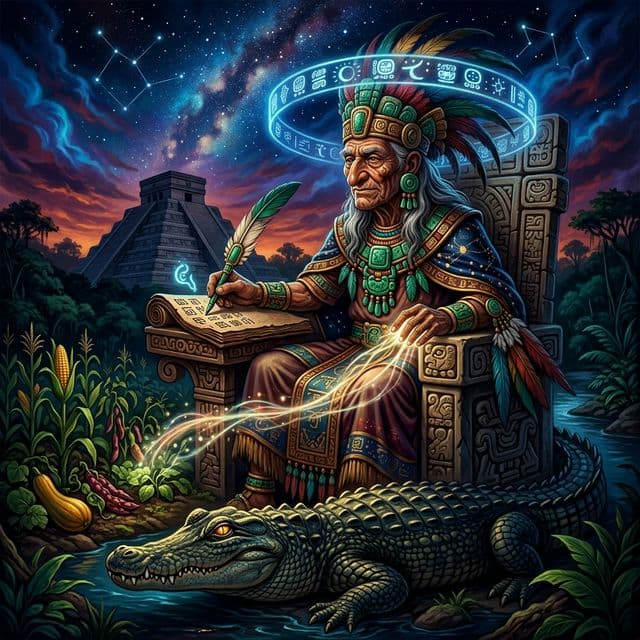 MesoamericanItzamnaIllustration
Both are creator-gods associated with writing, wisdom, and healing
Compare Thoth and Itzamna side by side
Worship and cult
Temples, festivals, and practices recorded for Thoth
Ibis, baboon, and the scribe's kit. He records the weighing of the heart and invents writing. Priests of the House of Life worked in his shadow. Moon and word are one office.
Sacred sites
- Hermopolis Magna (Khmun)
- House of Life scriptoria in major temples
Festivals
- Thoth festivals of the lunar calendar
- New Year scribal observances
In the atlas
Where Thoth appears
In the museums
Thoth in art
Real objects in public collections, released into the public domain by the museums that hold them. Dates refer to when each object was made. Objects made within the tradition come first, later depictions after.
 (opens the museum record)
Ancient object
Striding Thoth (opens the museum record)
A faience statuette the museum titles as Striding Thoth, shown in his ibis-headed form as god of writing and knowledge. Faience figures of Thoth were common votive gifts at his cult centers.
 (opens the museum record)
Ancient object
Ibis-headed god, Thoth (opens the museum record)
A bronze statuette the museum identifies as the ibis-headed god Thoth. Thoth's ibis form referenced the bird's association with wisdom and the recording of knowledge.
Sources and further reading
Source notes
These references are recorded in the catalog. Their passage wording and translation have not been checked, so quotations are not displayed here.
- Book of the Dead, spell 182 (composite Egyptian scribal tradition)
Appears in
Ancient and classical works featuring this figure.
Ibis-headed divine scribe who records the verdict of the weighing of the heart (Spells 125, 182)
About this entry
By Elizabeth Stein for Mythos Atlas. About the author. Editorial notes are grounded in the site's cited sources and can be challenged through the contact page.
Parallels are editorial comparisons across traditions: a shared role does not, by itself, establish a shared origin.
Keep exploring
One myth a week, with its sources in a short email. The sign-up form is just below.
Genealogy
Family tree
Thoth's parents, consorts, children and rivals, as recorded in the atlas.