Egyptian Pantheon
Osiris
wsjr(Usir / Wesir)
Also known as Usir, Lord of the Perfect Black
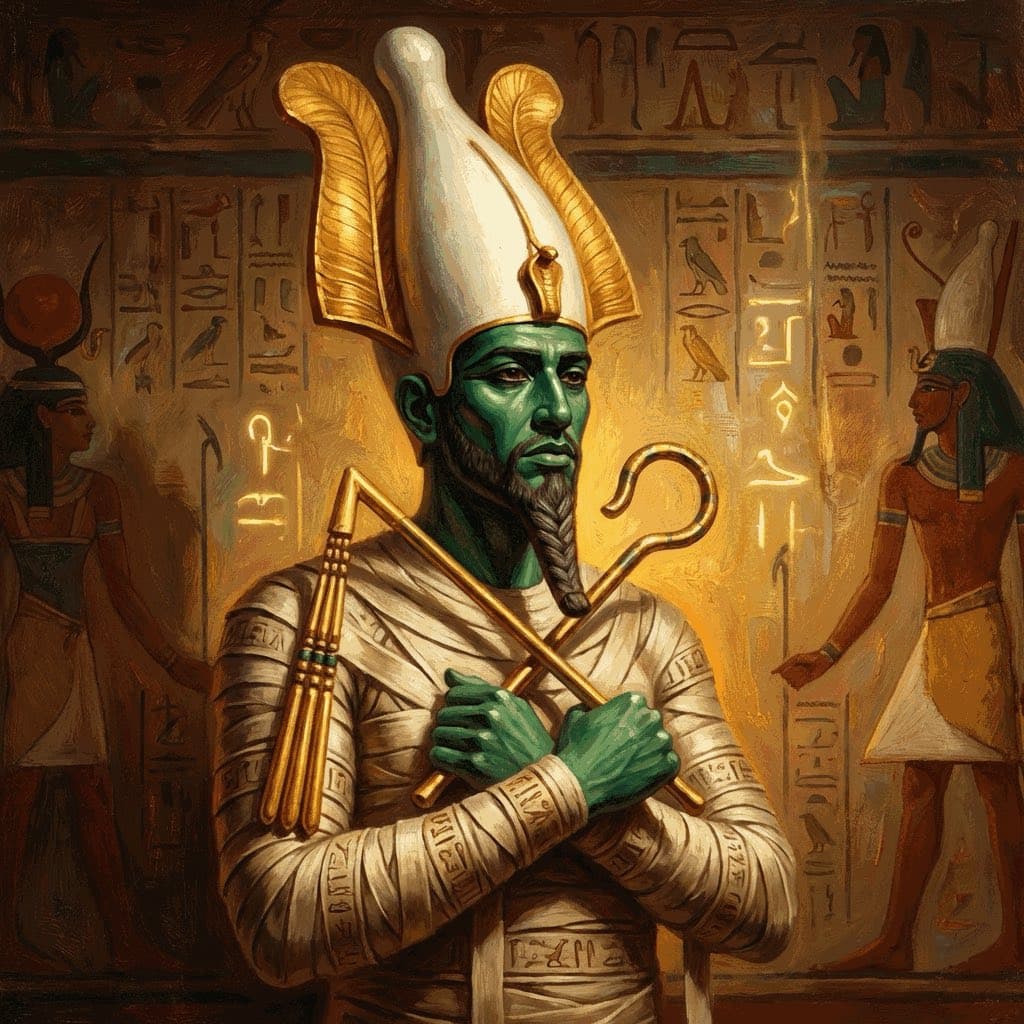
- afterlife
- resurrection
- fertility
- agriculture
- judgment
God of the afterlife, resurrection, and fertility. First pharaoh and lawgiver who taught agriculture to humanity. Murdered by his brother Set and resurrected by Isis.
About Osiris
Lord of the Dead
Osiris was the first mythical pharaoh of Egypt, who brought civilization and agriculture. After being murdered and dismembered by his jealous brother Set, he was resurrected by Isis to rule the Underworld.
Judgement of the Dead
As ruler of the afterlife, Osiris presides over the weighing of the heart. He represents hope for eternal life and the cycle of vegetation and regeneration.
Across traditions
Parallel figures
Figures who play a role like Osiris's in other traditions.
 GreekDionysusIllustration
Herodotus (Histories 2.144) identifies Osiris with Dionysus; both preside over death, resurrection, and ecstatic mystery cult
Compare Osiris and Dionysus side by side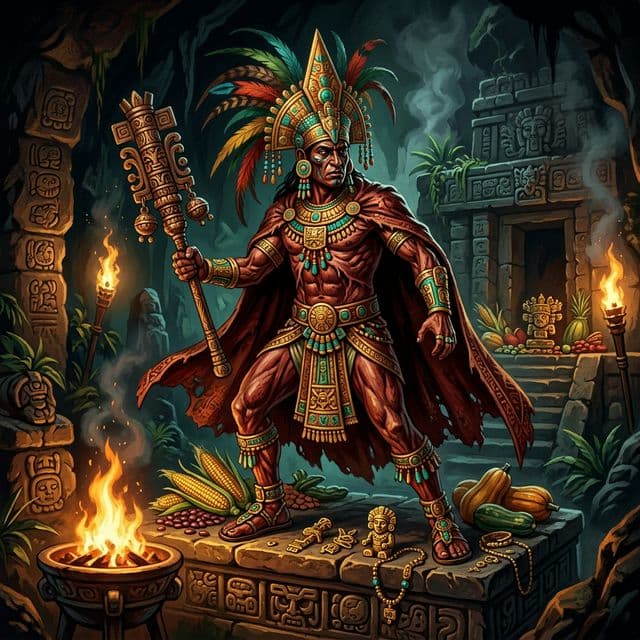 MesoamericanXipe TotecIllustration
Both are gods of death and agricultural renewal/rebirth
Compare Osiris and Xipe Totec side by side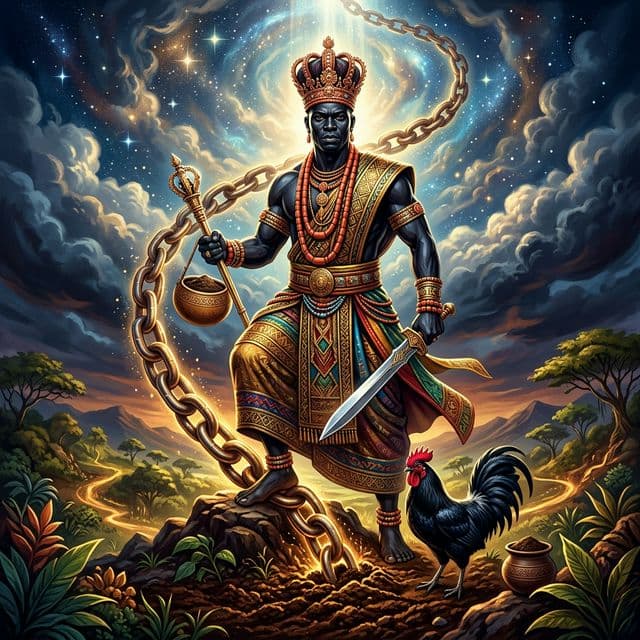 YorubaOduduwaIllustration
Both are the foundational divine ancestor-king figure behind the origin of legitimate kingship in their civilization
Compare Osiris and Oduduwa side by side
Worship and cult
Temples, festivals, and practices recorded for Osiris
Death, grain, and kingship of the underworld. Khoiak grew his figure from grain and floated his neshmet bark. Every tomb needs him. Isis, Horus, and the justified dead share the same story.
Sacred sites
- Abydos, with the processional route to Umm el-Qa'ab
- Osireion and temples throughout Egypt as the dead god
Festivals
- Khoiak mysteries
- Osiris festivals of the month of Khoiak
Family
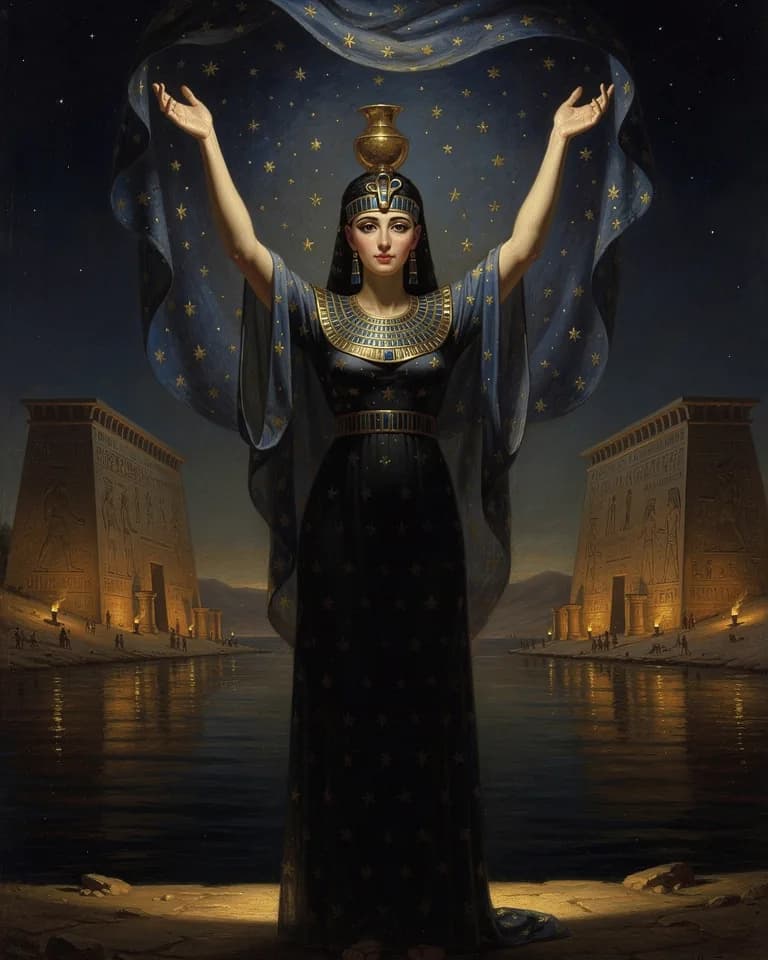
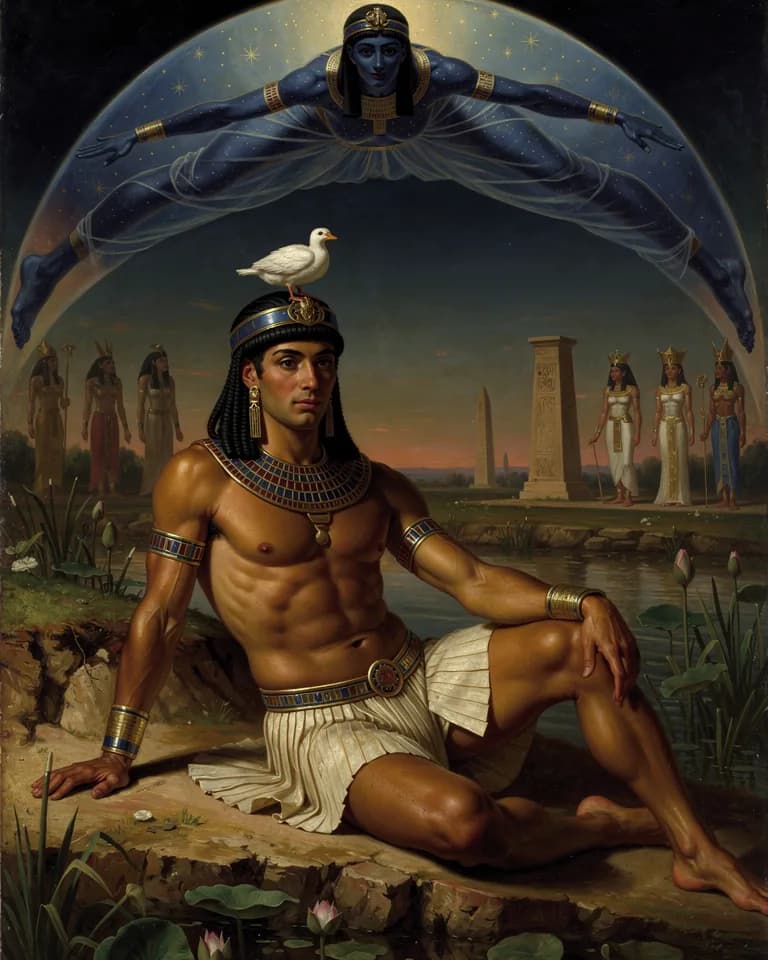
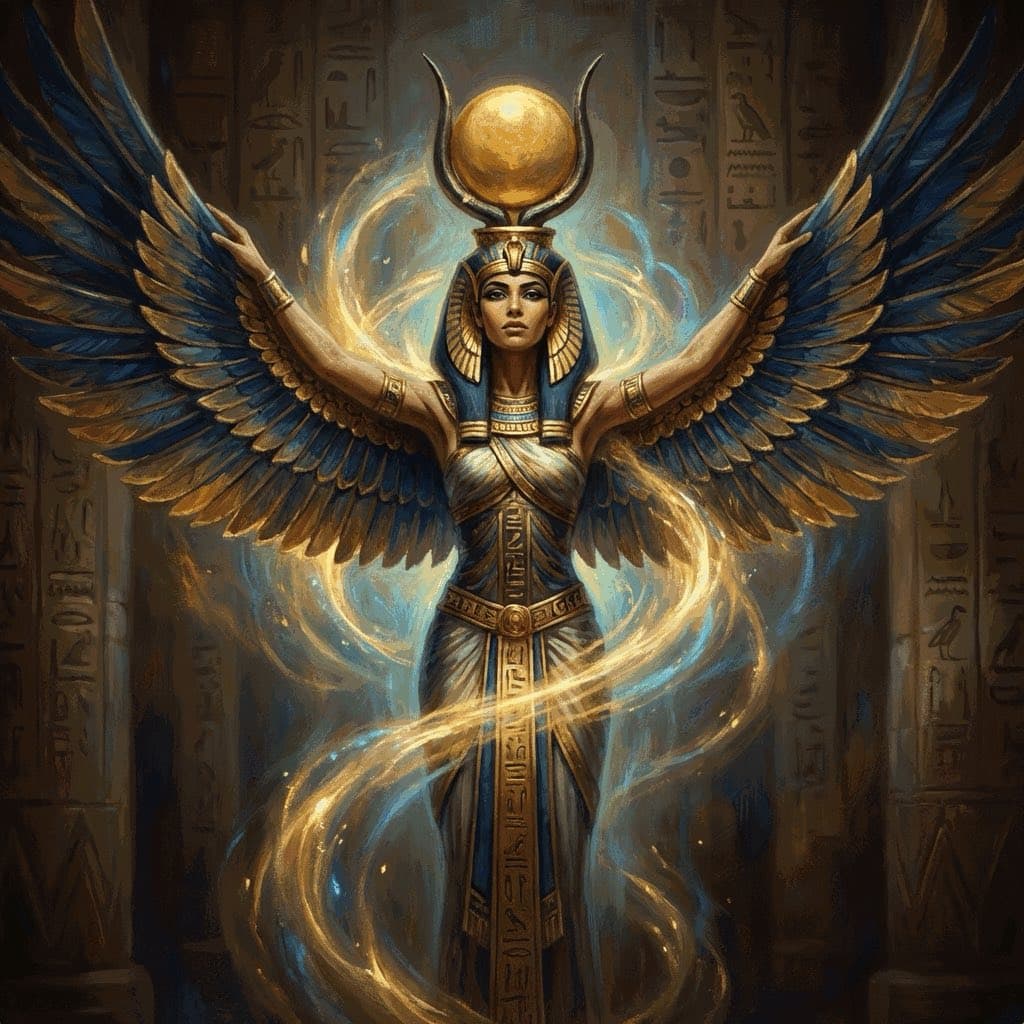
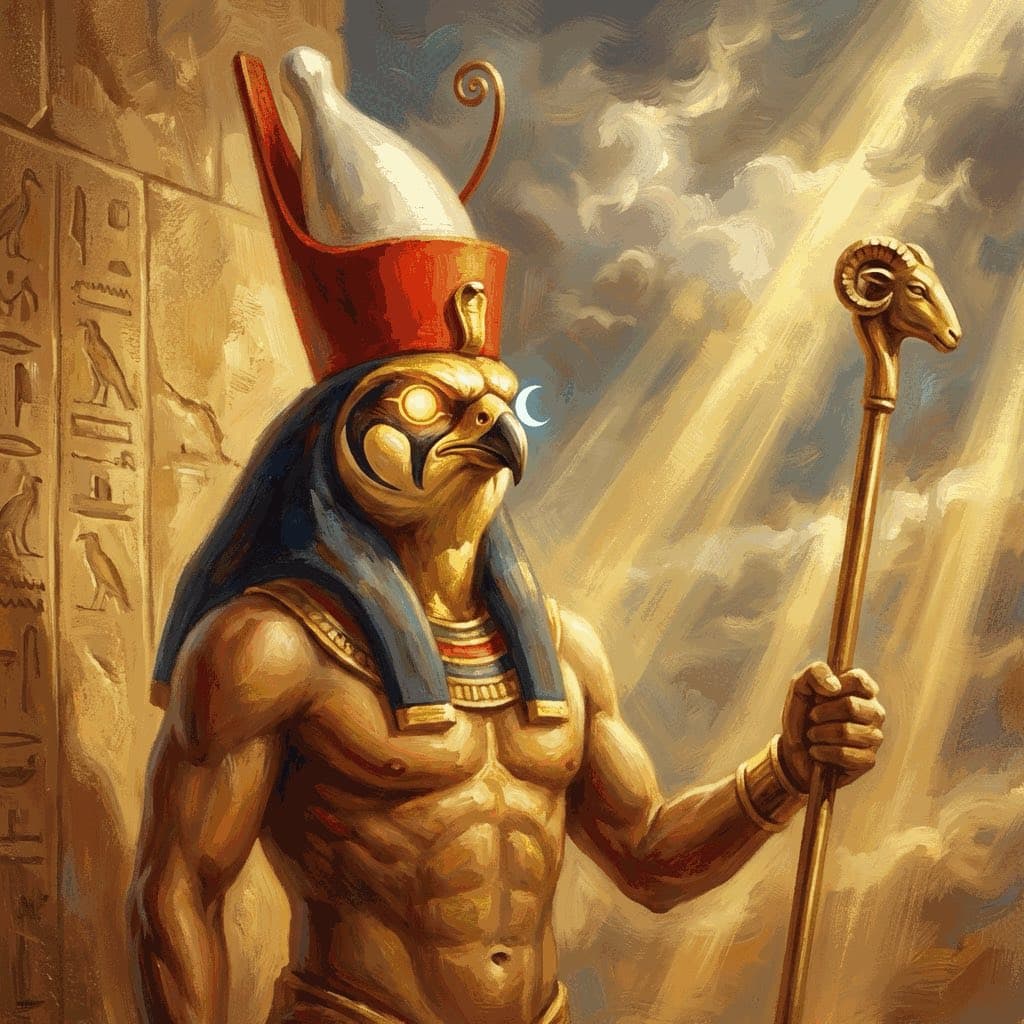
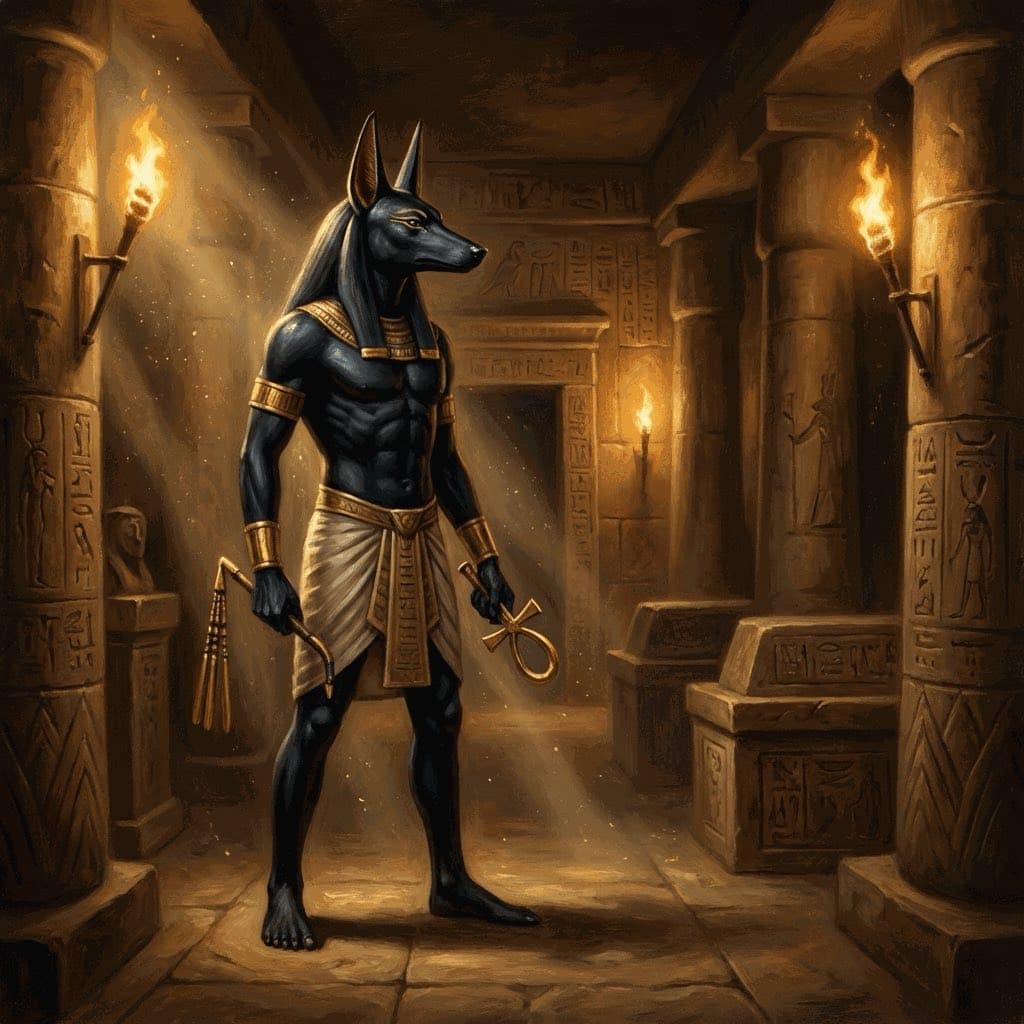
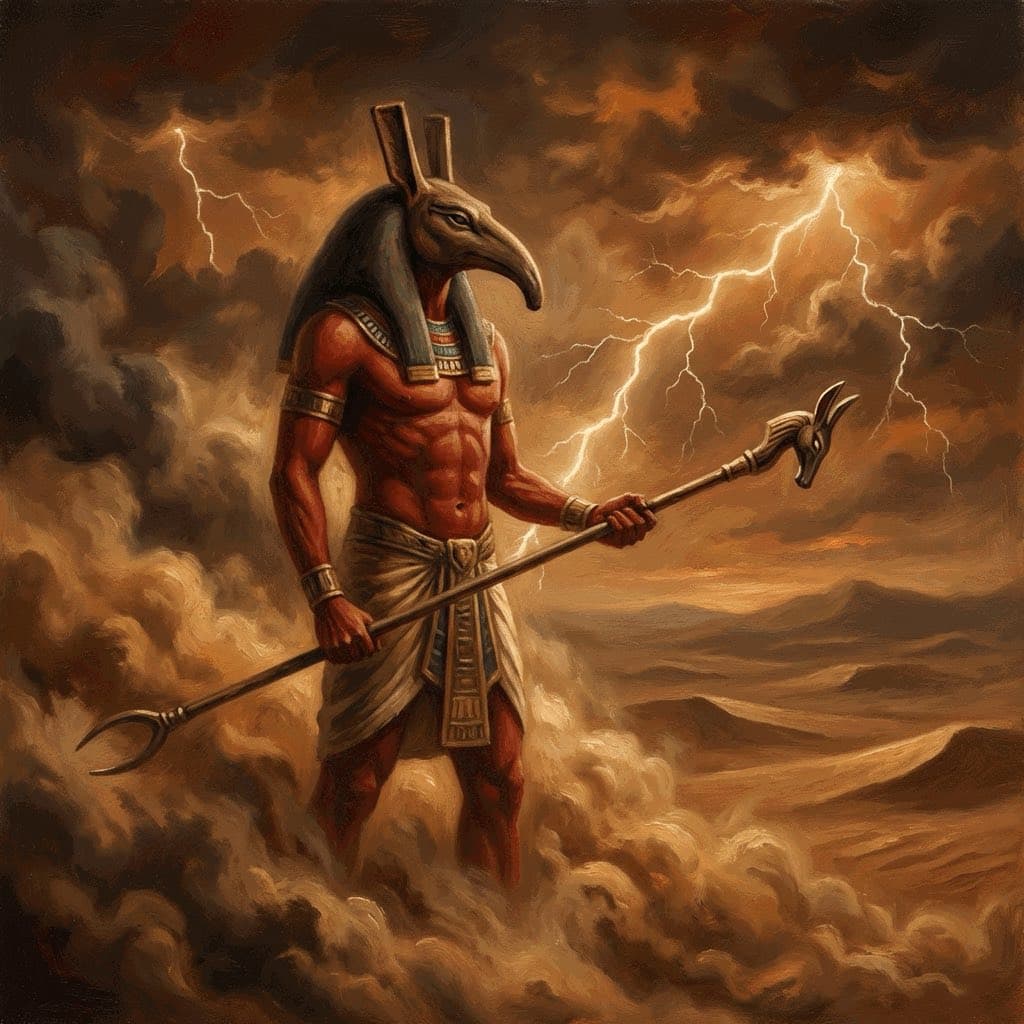
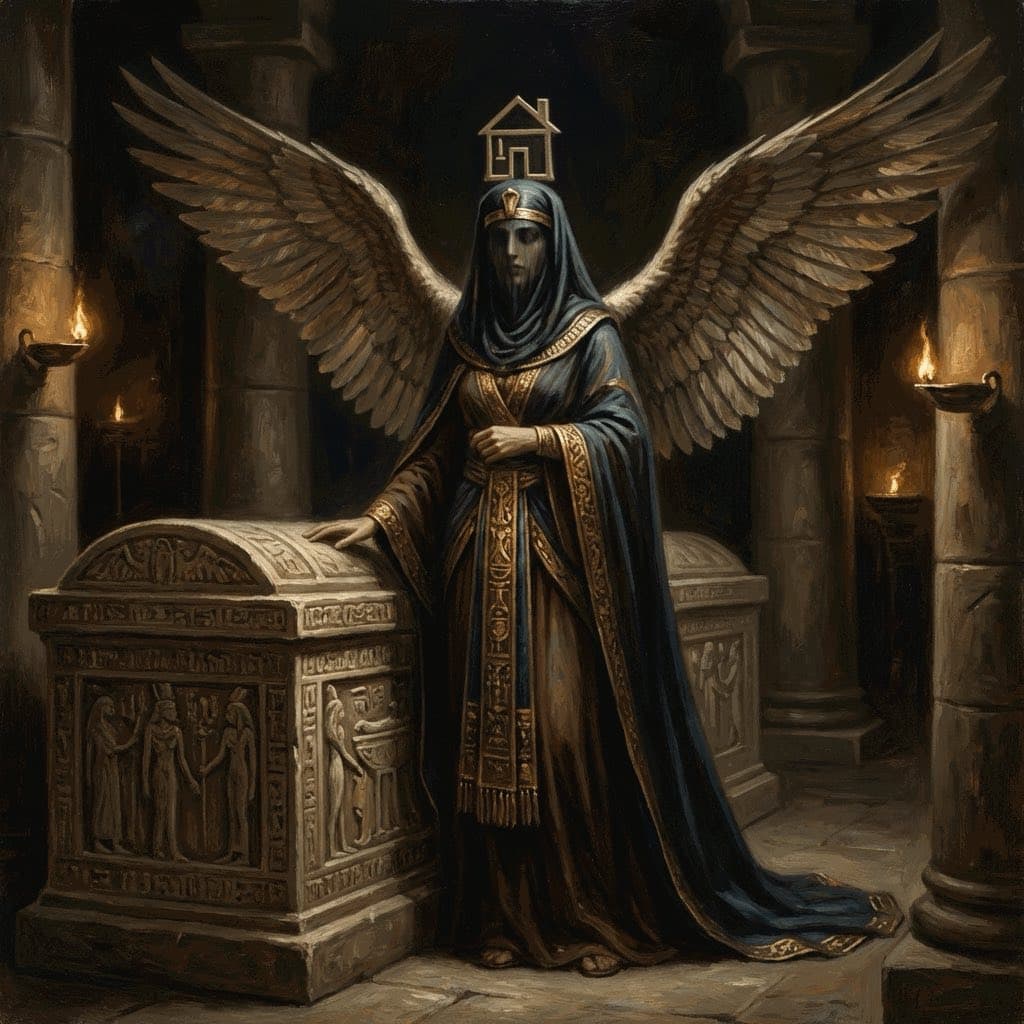
Relationship sources
On Isis and Osiris (De Iside et Osiride) — Osiris sibling of Isis
Plutarch · Frank Cole Babbitt, Plutarch, Moralia, Volume V (1936), Loeb Classical Library; LacusCurtius transcription · On Isis and Osiris 12 (355D–356A)
On Isis and Osiris (De Iside et Osiride) — Osiris sibling of Set
Plutarch · Frank Cole Babbitt, Plutarch, Moralia, Volume V (1936), Loeb Classical Library; LacusCurtius transcription · On Isis and Osiris 12 (355D–356A)
On Isis and Osiris (De Iside et Osiride) — Osiris sibling of Nephthys
Plutarch · Frank Cole Babbitt, Plutarch, Moralia, Volume V (1936), Loeb Classical Library; LacusCurtius transcription · On Isis and Osiris 12 (355D–356A)
On Isis and Osiris (De Iside et Osiride) — Osiris parent of Anubis
Plutarch · Frank Cole Babbitt, Plutarch, Moralia, Volume V (1936), Loeb Classical Library; LacusCurtius transcription · On Isis and Osiris 14 (356E–F)
On Isis and Osiris (De Iside et Osiride) — Osiris enemy of Set: Set murdered Osiris
Plutarch · Frank Cole Babbitt, Plutarch, Moralia, Volume V (1936), Loeb Classical Library; LacusCurtius transcription · On Isis and Osiris 13 (356B–D)
Questions about Osiris's family
In the atlas
Where Osiris appears
Artifacts
In the museums
Osiris in art
Real objects in public collections, released into the public domain by the museums that hold them. Dates refer to when each object was made. Objects made within the tradition come first, later depictions after.
(opens the museum record)
Ancient object
Statuette of Osiris (opens the museum record)
This figure shows Osiris in mummy form with the crook and flail of kingship. It provides evidence for his representation in Egyptian religious art, rather than depicting the full account of his death and restoration.
 (opens the museum record)
Ancient object
Bronze statuette of Osiris (opens the museum record)
A second bronze statuette of Osiris in his mummiform pose, holding the crook and flail. Figures like this were among the most commonly dedicated votive bronzes in the Late Period, reflecting Osiris's central role in beliefs about the afterlife.
Sources and further reading
Ancient sources
Quotations, paraphrases and verification notes. Each passage states what has been checked.
“Adoration to thee, O Osiris. Rise thou up on thy left side, place thyself on thy right side.”
Pyramid Texts, as quoted in Legends of the Gods · Mer-en-Ra, line 336; Pepi II, line 862 (locators cited by Budge)
Translation: E. A. Wallis Budge
Budge, Legends of the Gods (1912), discussion of Osiris, footnotes 27–28. Budge notes that he omits the king's names; footnote markers omitted here. English excerpt checked against the cited transcription on 2026-09-23; no original-language text is supplied. This replaces the previously unverified passage.
Read sourceSource notes
These references are recorded in the catalog. Their passage wording and translation have not been checked, so quotations are not displayed here.
- The Book of the Dead, Hymn to Osiris (trans. Budge)
- Plutarch, Isis and Osiris (trans. Babbitt)
Appears in
Ancient and classical works featuring this figure.
Lord of the Underworld and supreme judge of souls in the afterlife (Spells 1, 125, 185)
Archetype of resurrected royalty whose triumph over death guarantees the pharaoh's immortality (Utterances 213, 219, 412)
About this entry
By Elizabeth Stein for Mythos Atlas. About the author. Editorial notes are grounded in the site's cited sources and can be challenged through the contact page.
Parallels are editorial comparisons across traditions: a shared role does not, by itself, establish a shared origin.
Family relationships come from the atlas's kinship records. Ancient sources often disagree on divine genealogy.
Keep exploring
One myth a week, with its sources in a short email. The sign-up form is just below.
Genealogy
Family tree
Osiris's parents, consorts, children and rivals, as recorded in the atlas.