Source recordAncient text
Book of the Dead
Various Egyptian priests · c. 1550-50 BCE · Ancient Egyptian (Hieroglyphic)
Ancient text
Book of the Dead
Various Egyptian priests
A collection of funerary spells intended to assist the deceased in the afterlife. Major source for Egyptian underworld mythology and the weighing of the heart ceremony.
About this work
A collection of funerary spells intended to assist the deceased in the afterlife. Major source for Egyptian underworld mythology and the weighing of the heart ceremony.
Where to start
Begin with Spell 125 (the Judgment and Weighing of the Heart), the moral core of Egyptian religion; then read Spell 1 for the tomb procession and Spell 110 for the vision of paradise in Aaru.
Figures in the text
Heroes and divinities who feature prominently, with where they appear.
Deities and immortals
 OsirisSpells 1, 125, 185Lord of the Underworld and supreme judge of souls in the afterlife
 AnubisSpells 26, 125Jackal-headed master of embalming who guides the soul and balances the scale in the Hall of Truth
 ThothSpells 125, 182Ibis-headed divine scribe who records the verdict of the weighing of the heart
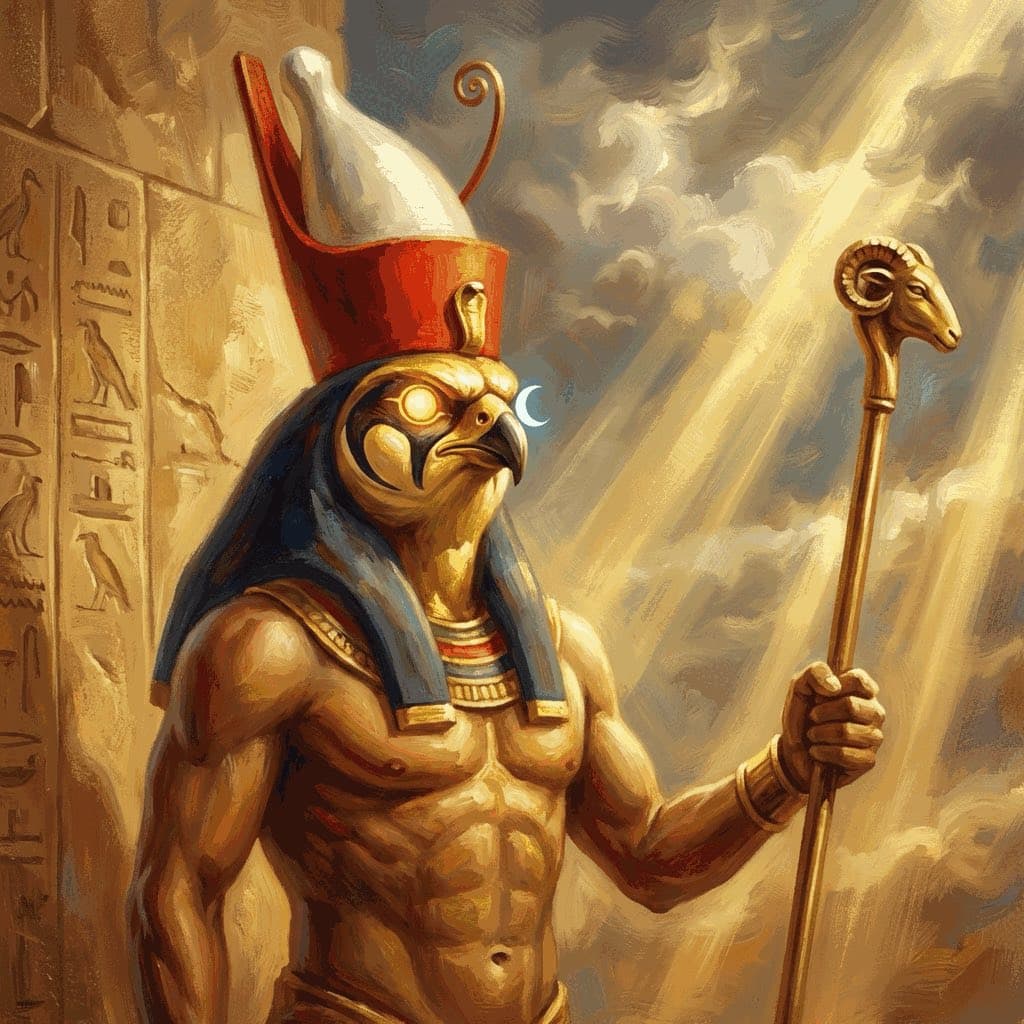 HorusSpells 125, 173Protective prince and son of Osiris who introduces the vindicated soul to his enthroned father
 Ma'atSpell 125Goddess of cosmic order whose white ostrich feather is the standard against which the heart is weighed
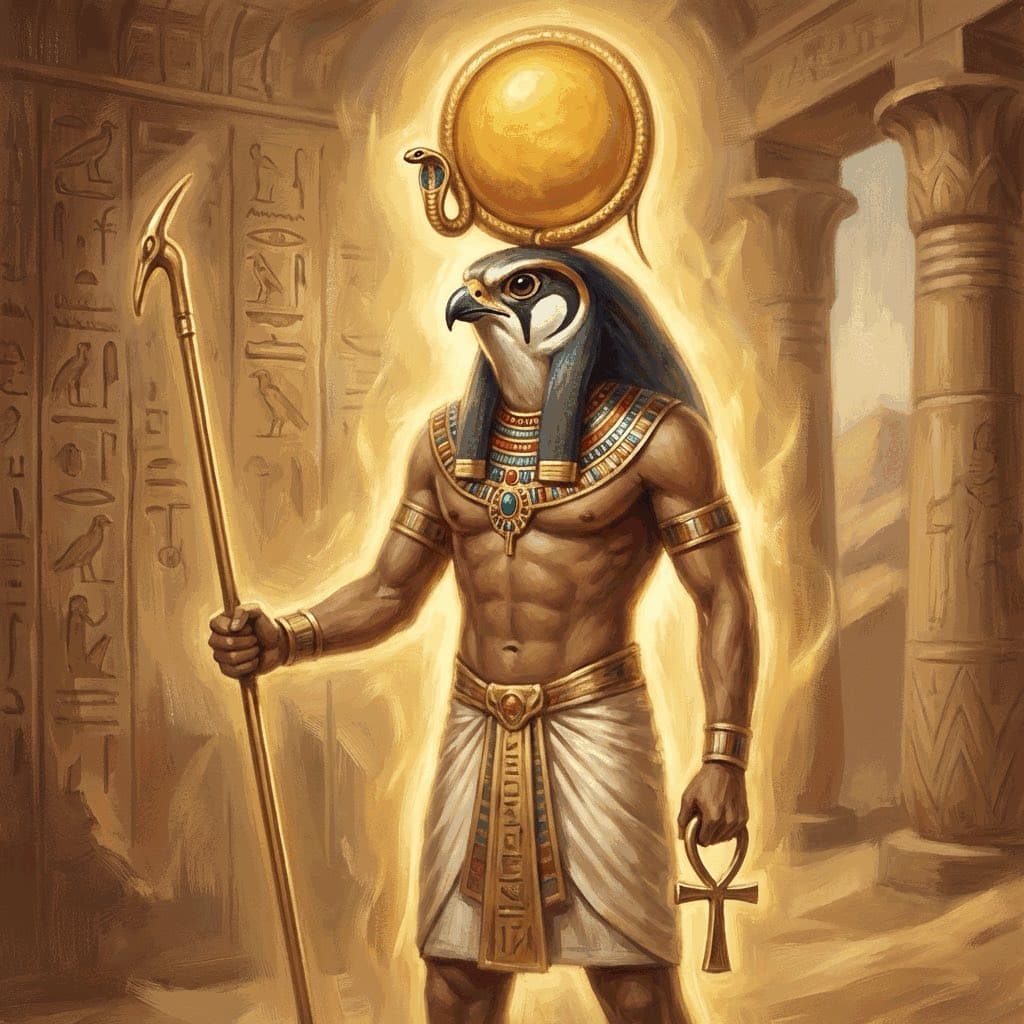 RaSpells 15, 130Supreme sun god aboard the solar barque whom the blessed dead accompany through eternity
 IsisSpells 151, 156Great enchantress whose magical wings protect the deceased from decay and danger
Key scenes
Turning points of the work, in reading order.
The Negative Confession (Declaration of Innocence)
Standing before forty-two divine judges in the Hall of Ma'ati, the deceased recites specific denials of sins, demonstrating a life lived in harmony with Ma'at.
The Weighing of the Heart
Anubis balances the deceased's heart (ib) against the feather of truth; Thoth stands poised with stylus and palette while Ammit waits to devour the sinful.
Entrance into the Field of Reeds (Aaru)
Declared 'true of voice' (maa kheru), the spirit sails into the fertile celestial paradise to plow, reap, and feast beside Osiris forever.
Passages
Direct quotations are distinguished from editorial paraphrases and records awaiting verification.
“My heart my mother, my heart my mother, my heart my coming into being! May there be nothing to resist me at [my] judgment;”
Book of the Dead, Papyrus of Ani · Chapter XXXB (30B), Plate III, opening
Translation: E. A. Wallis Budge
1895; Sacred Texts transcription. Closing semicolon retained; bracketed text belongs to the edition. English transcription checked 2026-09-23. Replaces prior unverified wording; no original-language text is supplied or certified.
Read source“Hail, lord of faces, who comest forth from Tchefet, I have never judged hastily.”
Book of the Dead · Chapter CXXV (125), Plate XXXII, statement 31 in the Nebseni appendix
Translation: E. A. Wallis Budge
1895; Sacred Texts transcription. This statement comes from the appended Nebseni version, not Ani’s wording. English transcription checked 2026-09-23. Replaces prior unverified wording; no original-language text is supplied or certified.
Read source“Homage to thee, O thou glorious Being, thou who art dowered [with all sovereignty].”
Book of the Dead, Hymn to Ra (Papyrus of Nekht) · Sheet 21, opening sentence
Translation: E. A. Wallis Budge
Budge translation reproduced by the Internet Ancient History Sourcebook; the brackets are part of that transcription. English excerpt checked against the cited transcription on 2026-09-23; no original-language text is supplied. This replaces the previously unverified passage.
Read source“Anubis, who dwelleth in the region of the embalmed, the chief of the holy house, layeth his hands upon the lord of life”
Book of the Dead, Papyrus of Nebseni · Chapter 151, opening clause in note 1 to Plates XXXIII–XXXIV
Translation: E. A. Wallis Budge
Budge, The Book of the Dead: Papyrus of Ani (1895), note quoting the Nebseni papyrus; excerpt stops before the parenthetical gloss. English excerpt checked against the cited transcription on 2026-09-23; no original-language text is supplied. This replaces the previously unverified passage.
Read sourceStories drawn from it
Retellings in the atlas that quote or cite this work.
 The Solar Barque - Ra's Daily JourneycosmologyEach day, Ra travels across the sky in his solar barque, bringing light and warmth to the world. As night falls, Ra enters the underworld (Duat), facing his greatest enemy: Apophis.
 The Weighing of the Heart CeremonyafterlifeWhen a person dies, their heart is weighed on scales by Anubis against the feather of Ma'at (truth and justice). Thoth records the results.
 Journey Through the DuatafterlifeThe soul's perilous journey through the Egyptian underworld, facing demons and trials before reaching the Hall of Ma'at where the heart is weighed against the feather of truth.
About this record
By Elizabeth Stein for Mythos Atlas. About the author. Editorial notes are grounded in the site's cited sources and can be challenged through the contact page.
Dates and authorship follow standard scholarly references; for many ancient works both are approximate or disputed.