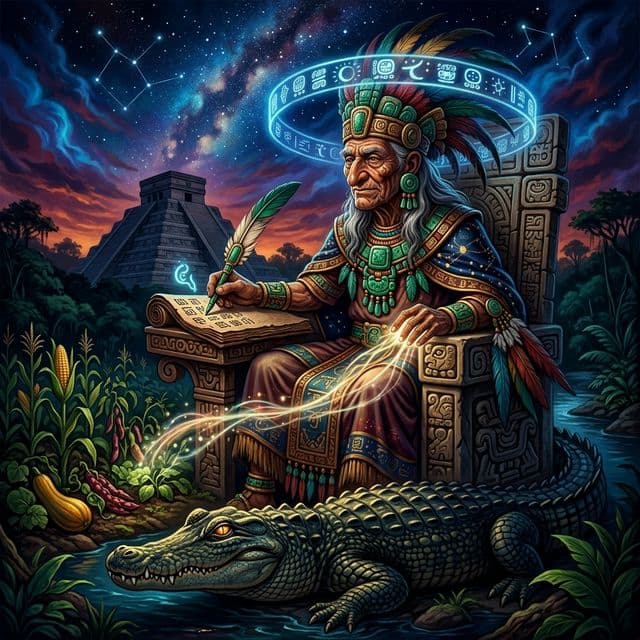
Itzamna
The supreme creator god of the Maya, lord of the heavens and inventor of writing, calendars, and agriculture. Depicted as a wise, aged figure, Itzamna represents cosmic order and benevolent rulership.
Divine domains
21 deities from 12 traditions whose entries in this atlas list agriculture among their domains, grouped by tradition.
The supreme creator god of the Maya, lord of the heavens and inventor of writing, calendars, and agriculture. Depicted as a wise, aged figure, Itzamna represents cosmic order and benevolent rulership.
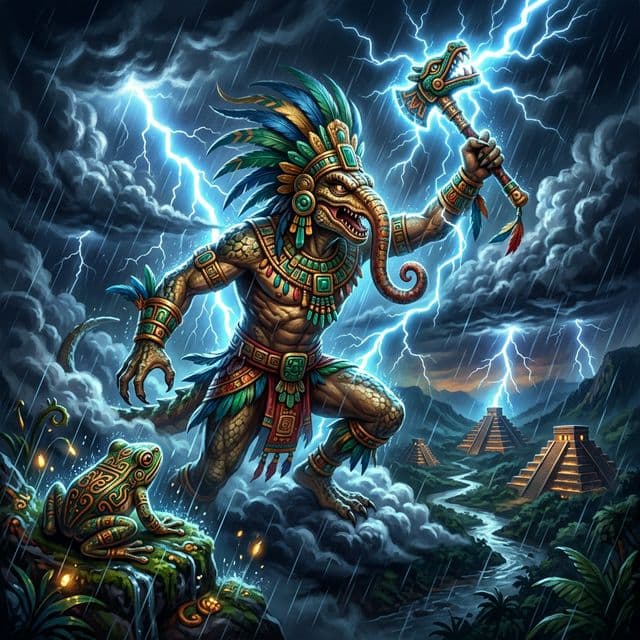
The Maya god of rain, lightning, and thunder. Chaac wields his lightning axe to split the clouds and bring life-giving rain to the maize fields. One of the most widely worshipped Maya deities.
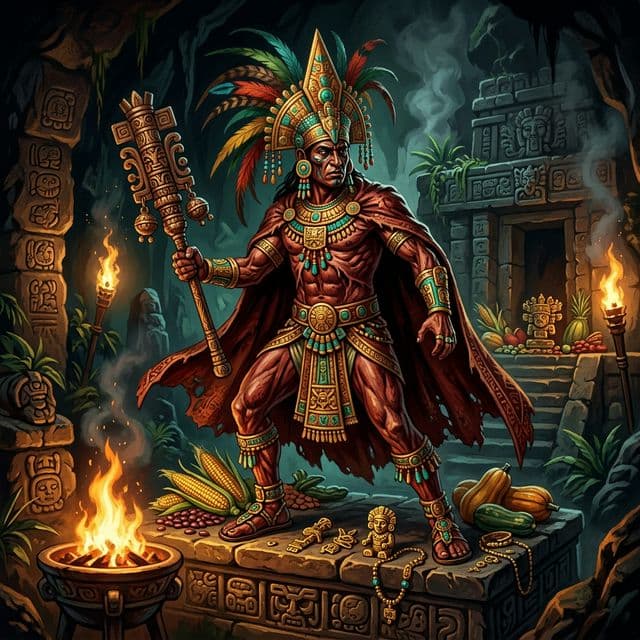
The Aztec god of spring, renewal, and new vegetation. Xipe Totec represents the cycle of death and rebirth in nature. Priests wore the flayed skins of sacrificial victims, symbolizing the earth's new covering of vegetation.
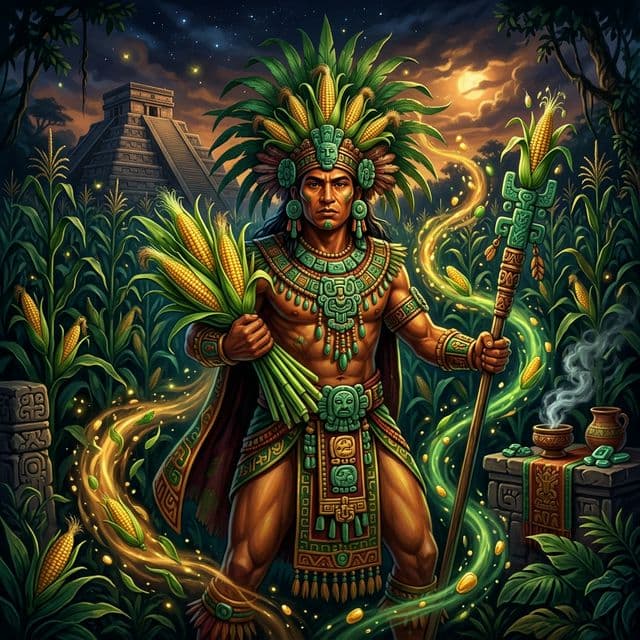
The Aztec god of maize and sustenance. Centeotl represents the sacred maize plant that sustained Mesoamerican civilization.
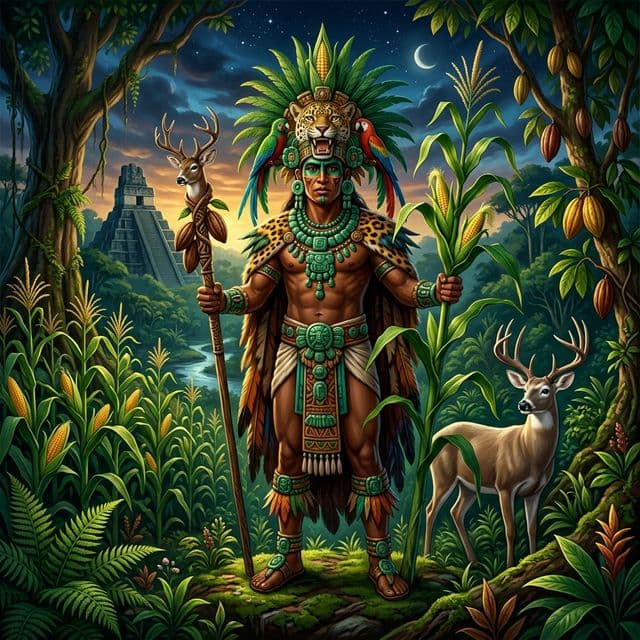
The youthful Maya god of maize, agriculture, and wild nature. Yum Kaax represents the life-sustaining bounty of cultivated fields and untamed forests.
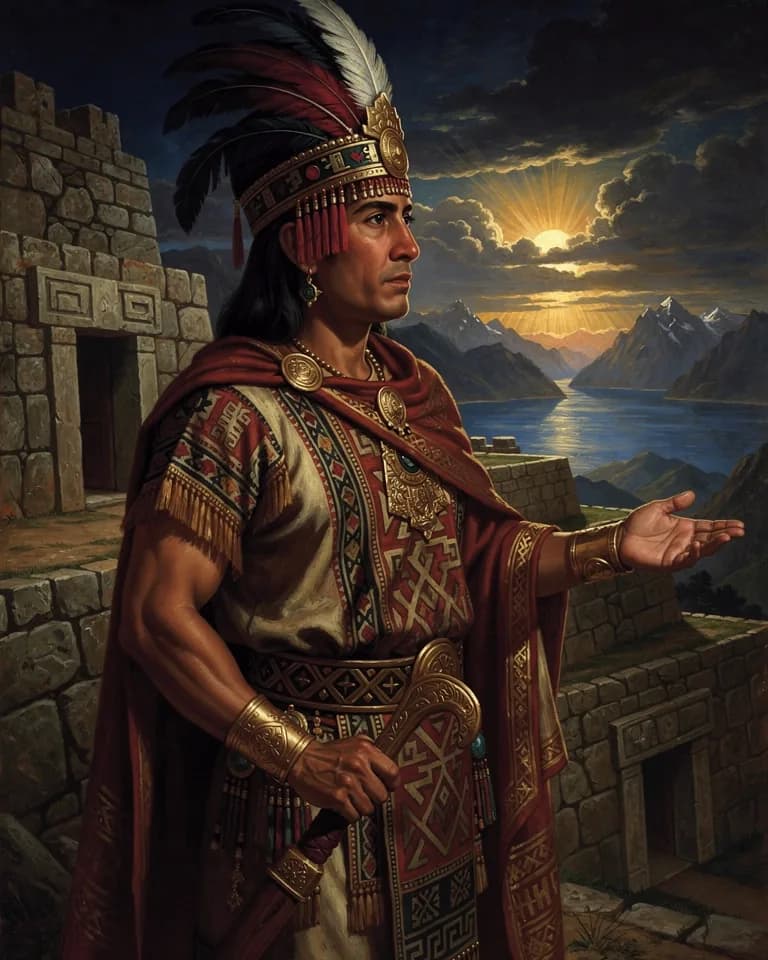
The first Inca, founder of Cusco, presented by Garcilaso as a son of the Sun sent to Lake Titicaca with his sister-wife Mama Ocllo, and by Betanzos and Sarmiento as the leader of four brothers and four sisters who emerged from a cave at Pacaritambo.
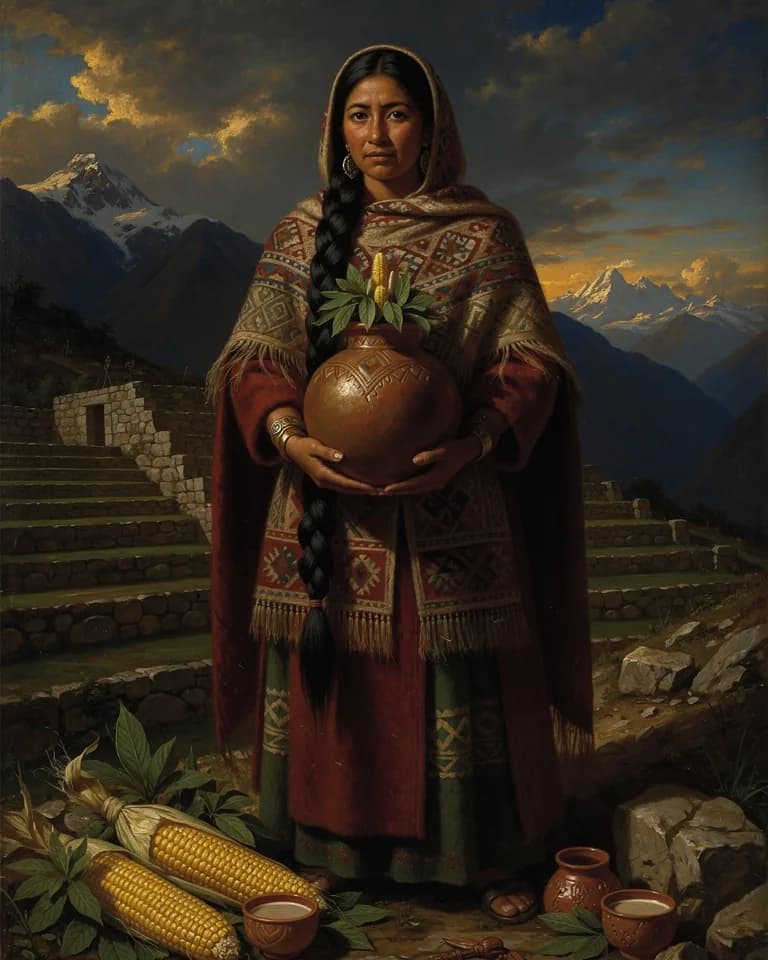
The Earth Mother of the Andes, recorded by colonial writers as receiving offerings of maize beer and coca in the fields, and still honored by Quechua and Aymara communities today.
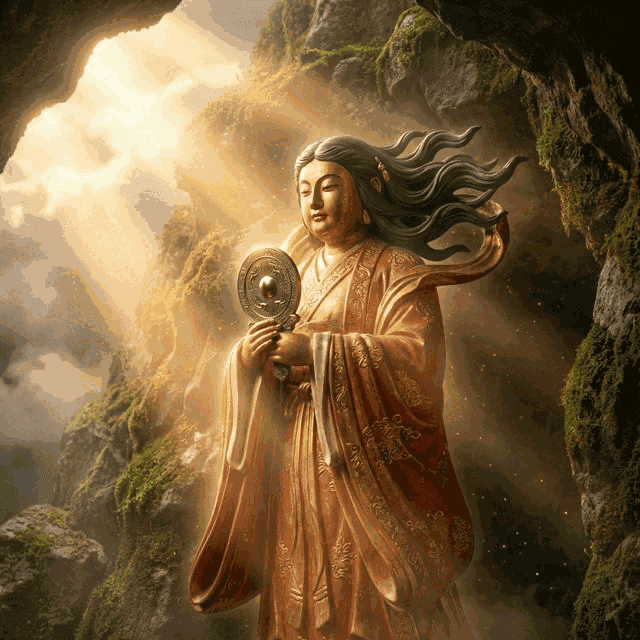
Supreme goddess of the sun and universe. Ruler of the High Celestial Plain. Divine ancestor of the Japanese Imperial family. Most important deity in Shinto.
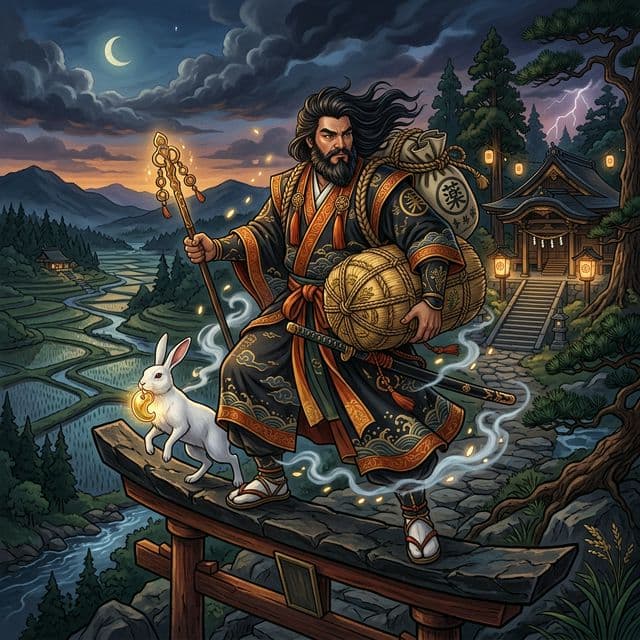
The Great Land Master who built and ruled the earthly realm before ceding it to Amaterasu's descendants. God of nation-building, medicine, magic, and matchmaking. Principal deity of Izumo Grand Shrine.
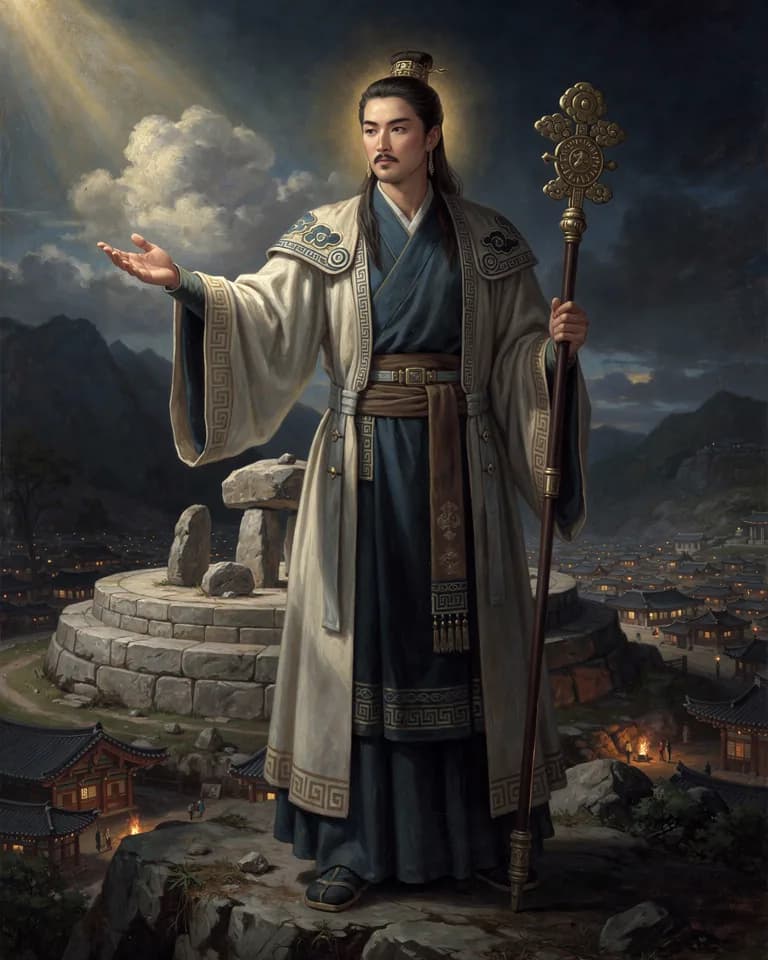
The son of the Lord of Heaven who descends to Mount Taebaek with three thousand followers and the ministers of wind, rain, and clouds, founds the 'City of God' beneath the sacred altar tree, and fathers Dangun with the bear-woman Ungnyeo.
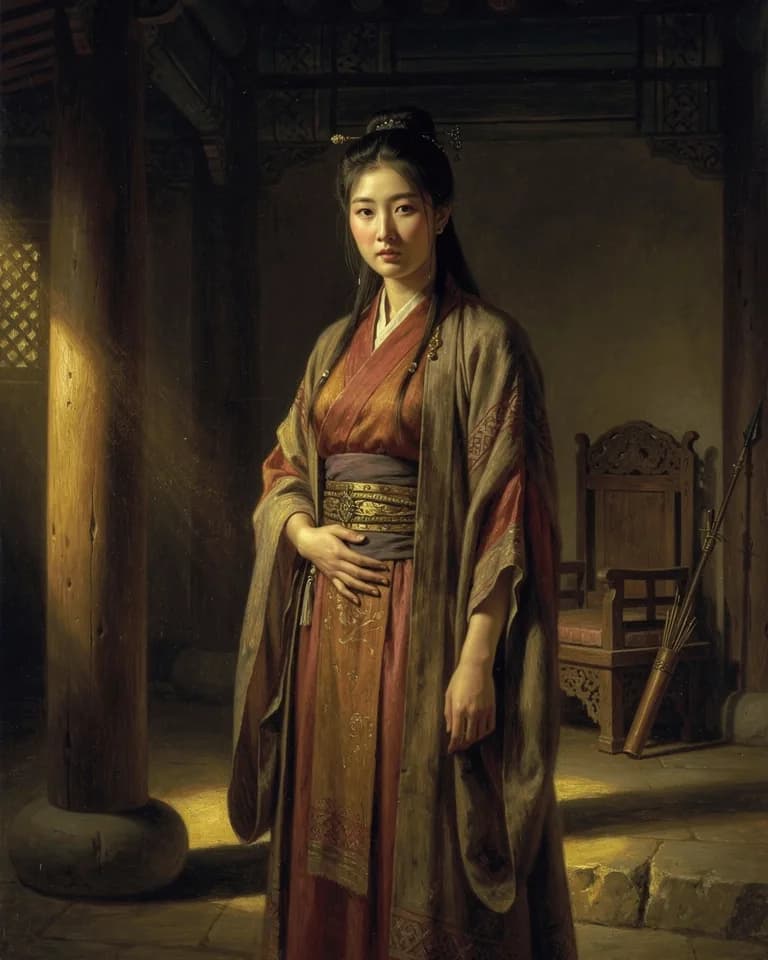
The daughter of Habaek, the River Earl, who is seduced and abandoned by Haemosu, banished by her parents, sheltered by King Geumwa of East Buyeo, and there lays the egg from which Jumong hatches; later worshipped by Goguryeo as a mother goddess.
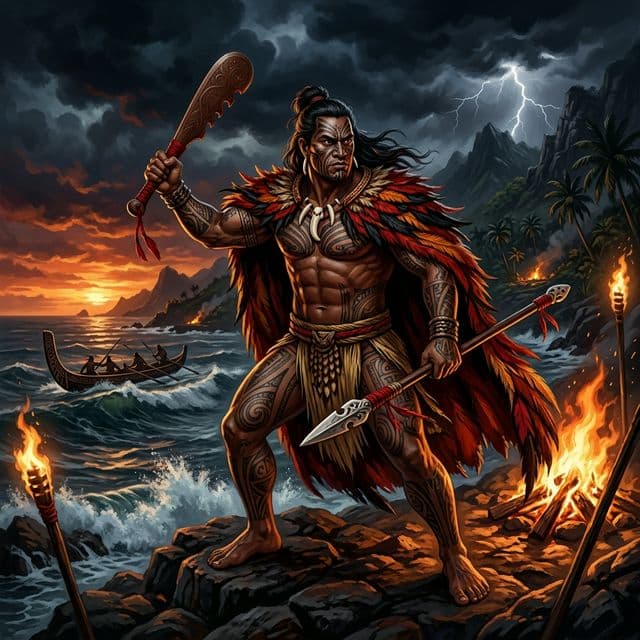
The fierce god of war and human endeavor. Tu represents the aggressive, active principle necessary for survival, from warfare to hunting to the cultivation of crops.
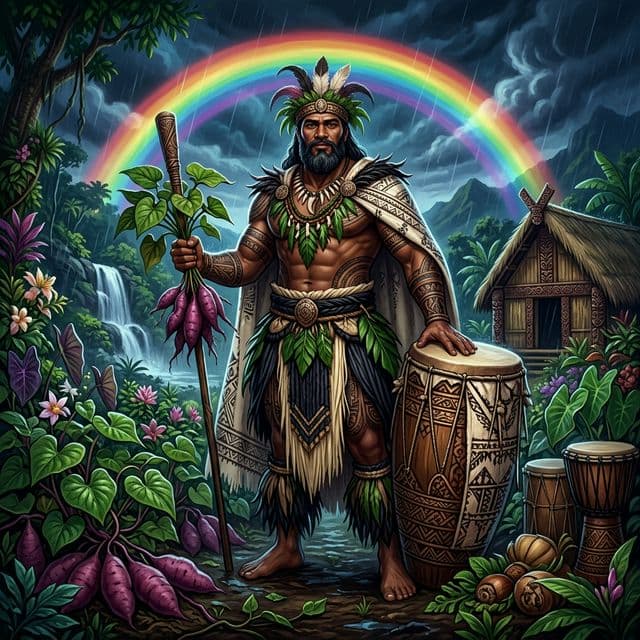
The god of cultivated plants, peace, and agriculture. Rongo represents the peaceful arts of cultivation that sustain life, standing in contrast to his brother Tu's warlike nature.
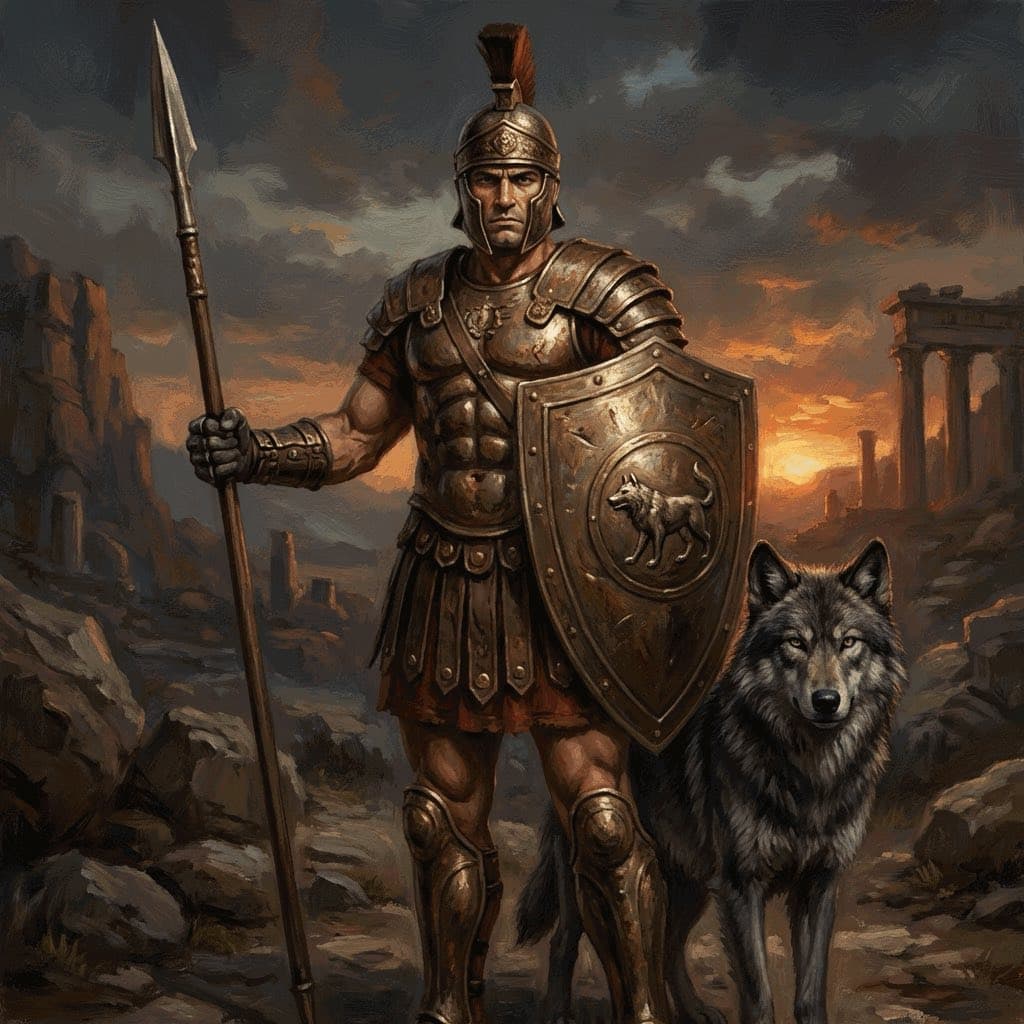
God of war and guardian of Rome. More prominent in Roman religion than his Greek counterpart Ares, Mars was also a god of agriculture and fertility. Father of Romulus and Remus, legendary founders of Rome.
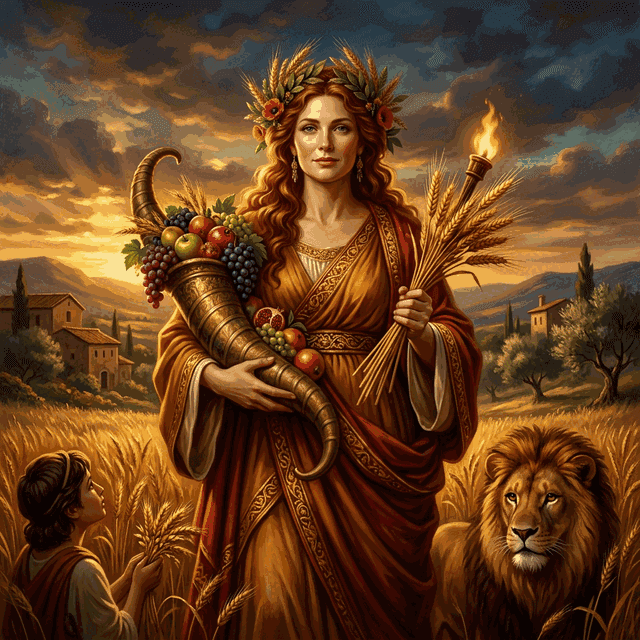
Goddess of agriculture, grain crops, fertility, and motherhood. Her cult was central to Roman plebeian identity. Mother of Proserpina (Persephone). Roman equivalent of Demeter.
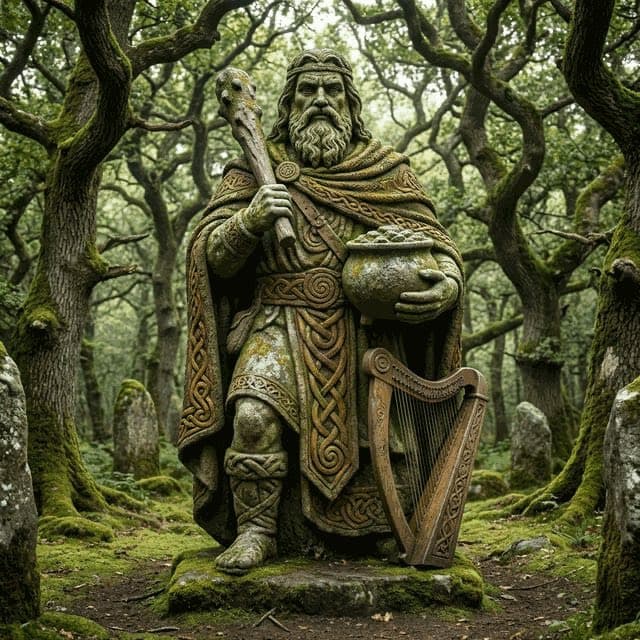
The father figure and king of the Tuatha Dé Danann. A giant, bearded powerhouse with a magic club that can kill with one end and heal with the other, and a cauldron that never runs empty.
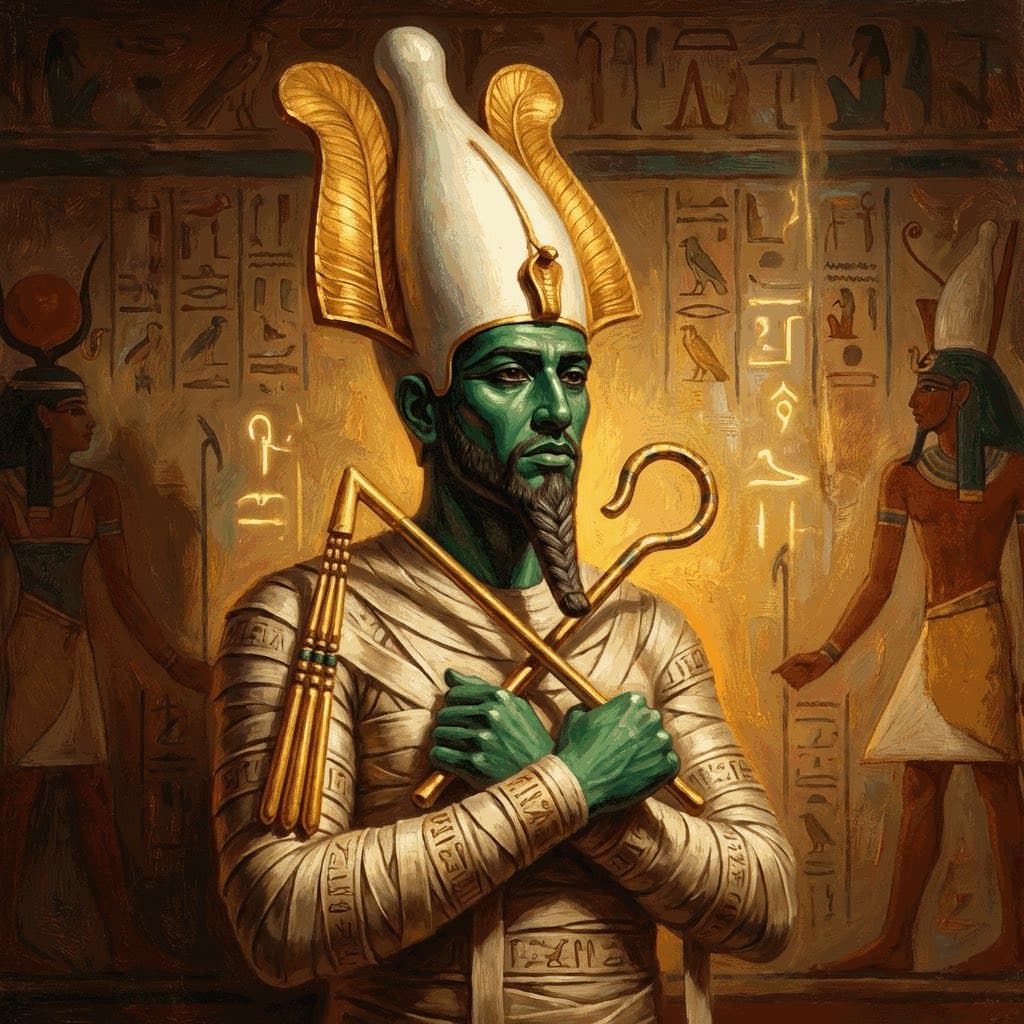
God of the afterlife, resurrection, and fertility. First pharaoh and lawgiver who taught agriculture to humanity. Murdered by his brother Set and resurrected by Isis.
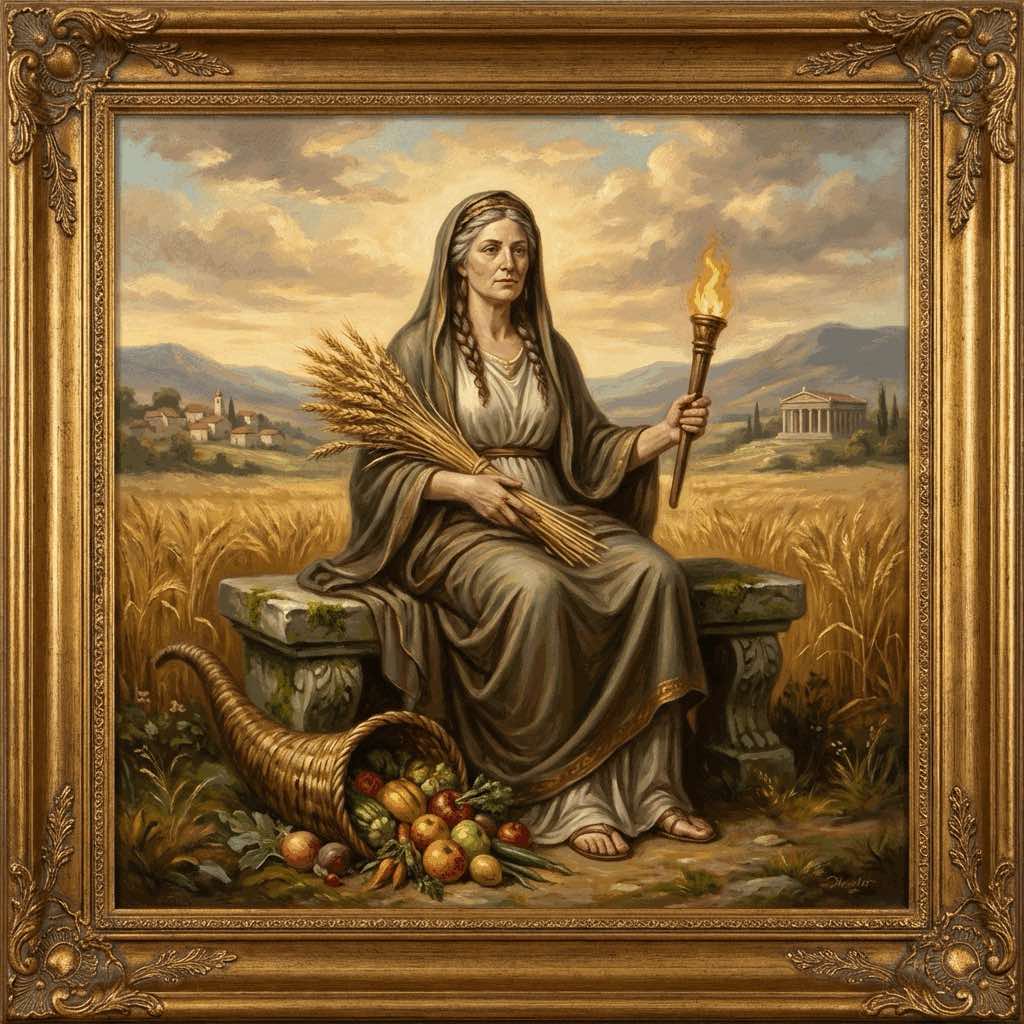
Goddess of agriculture, harvest, and fertility. Mother of Persephone, whose abduction by Hades explains the seasons.

The inseparable spirits of corn, beans, and squash, the crops Haudenosaunee farmers plant together, remembered as sisters and thanked as the sustainers of the people.
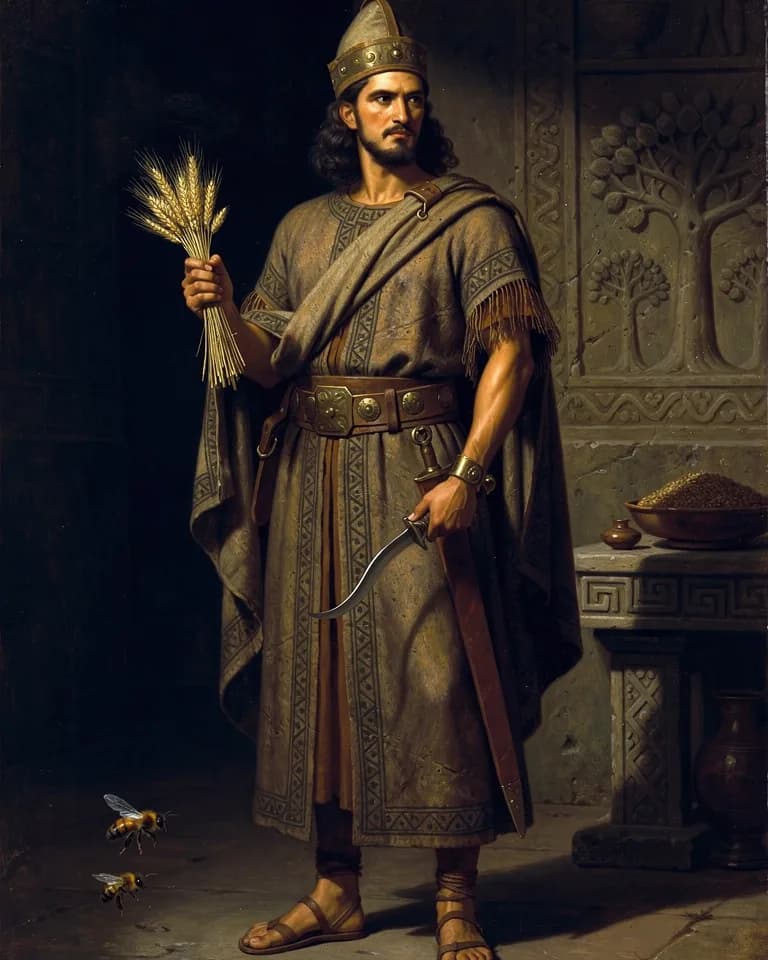
A Hattian god of farming and growth, son of the Storm-god, whose angry departure makes the whole land barren until a bee finds him asleep and a ritual soothes his rage.
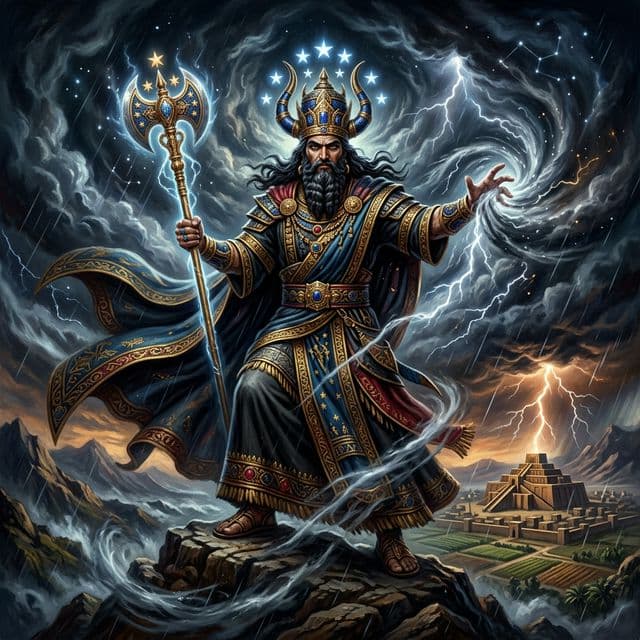
Lord of wind, storms, and the breath of life. Enlil is the executive authority of the gods, wielding the Tablet of Destinies and determining the fates of gods and mortals.
Editorial comparisons recorded on these entries; a shared role does not establish a shared origin.
Demeter (Greek) and Ceres (Roman)
Ceres is the direct Roman equivalent, goddess of grain, harvest, and agriculture
Compare Demeter and CeresOsiris (Egyptian) and Xipe Totec (Mesoamerican)
Xipe Totec already lists Osiris; both are gods of death and agricultural renewal/rebirth
Compare Osiris and Xipe TotecCeres (Roman) and Yum Kaax (Mesoamerican)
Both are patrons of maize/grain cultivation and the fertility of cultivated land
Compare Ceres and Yum KaaxRongo (Polynesian) and Demeter (Greek)
Both are deities of cultivated crops and agricultural fertility
Compare Rongo and DemeterCenteotl (Mesoamerican) and Demeter (Greek)
Both are grain deities whose blessing ensures agricultural abundance
Compare Centeotl and DemeterTelipinu (Hittite) and Demeter (Greek)
Both are agricultural deities whose withdrawal in grief or anger makes the earth barren until the gods intervene; the resemblance is typological.
Compare Telipinu and DemeterBuilt from each deity's catalog entry. See every domain side by side on Divine Domains, or browse every cross-pantheon parallel.