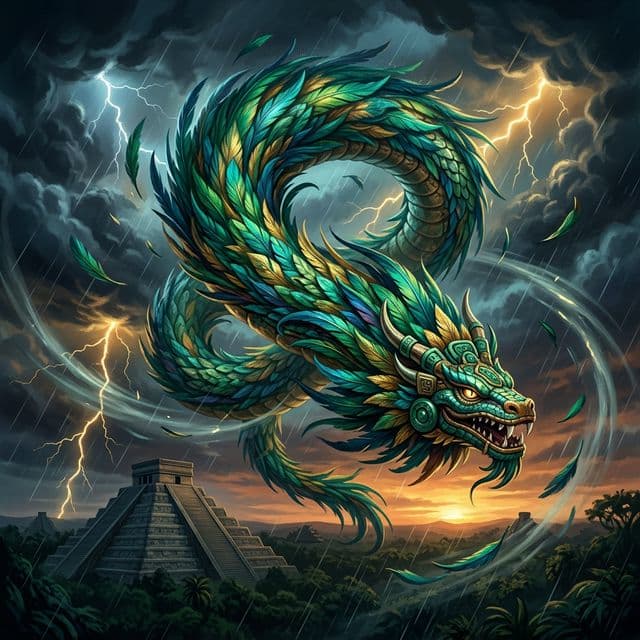
Kukulkan
The Maya feathered serpent deity, cognate with the Aztec Quetzalcoatl. Kukulkan represents the union of earth and sky, associated with wind, rain, and the transmission of knowledge to humanity.
Divine domains
16 deities from 13 traditions whose entries in this atlas list rain among their domains, grouped by tradition.
The Maya feathered serpent deity, cognate with the Aztec Quetzalcoatl. Kukulkan represents the union of earth and sky, associated with wind, rain, and the transmission of knowledge to humanity.
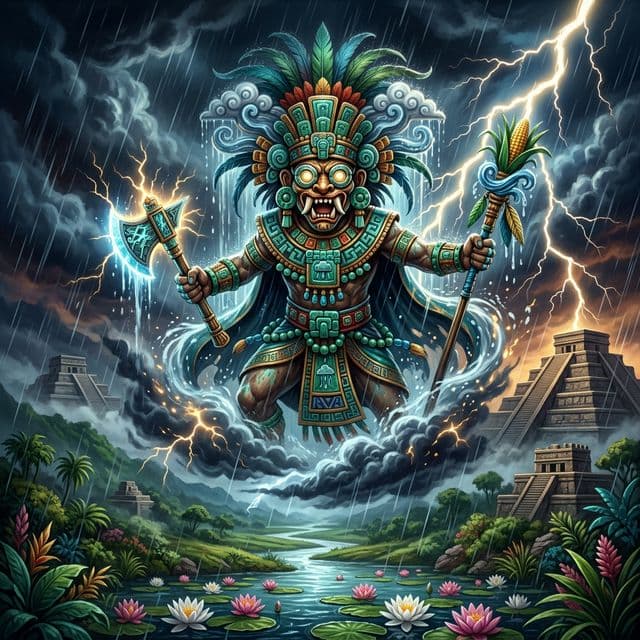
The Aztec god of rain, fertility, and water. Tlaloc's distinctive goggled eyes and fanged mouth make him one of the most recognizable deities in Mesoamerican art. He shared the summit of the Templo Mayor with Huitzilopochtli.
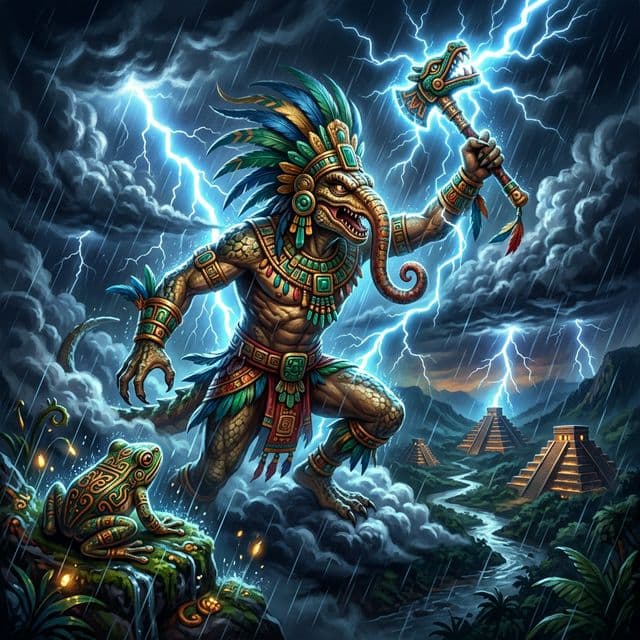
The Maya god of rain, lightning, and thunder. Chaac wields his lightning axe to split the clouds and bring life-giving rain to the maize fields. One of the most widely worshipped Maya deities.
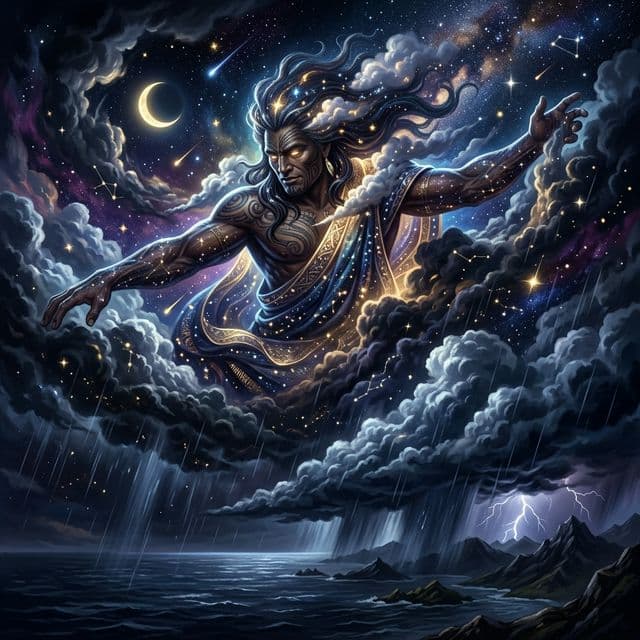
The Sky Father, husband of Papa the Earth Mother. Rangi was forced apart from his wife by their children, and now weeps for her from above, his tears falling as rain upon her body.
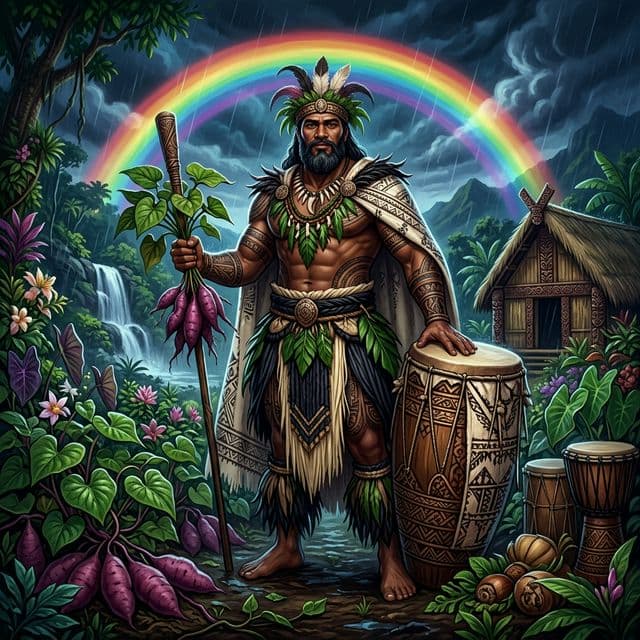
The god of cultivated plants, peace, and agriculture. Rongo represents the peaceful arts of cultivation that sustain life, standing in contrast to his brother Tu's warlike nature.
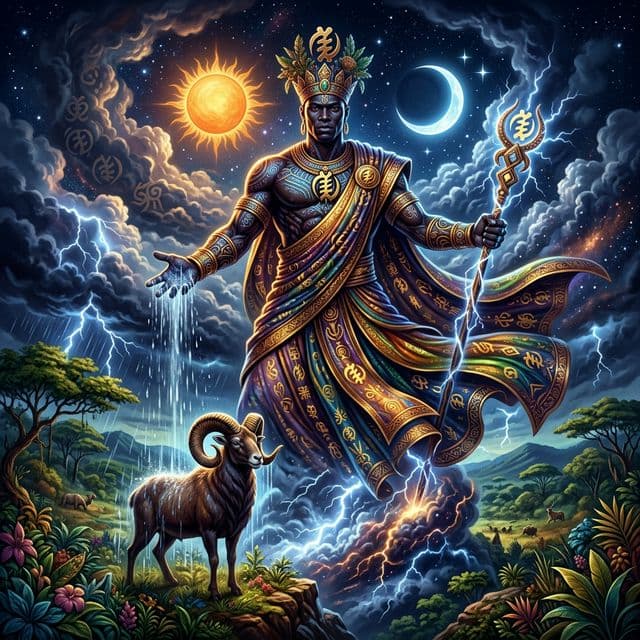
The supreme sky god of the Akan people. Nyame is the creator of all things and source of all life, though he withdrew from direct involvement with humanity.
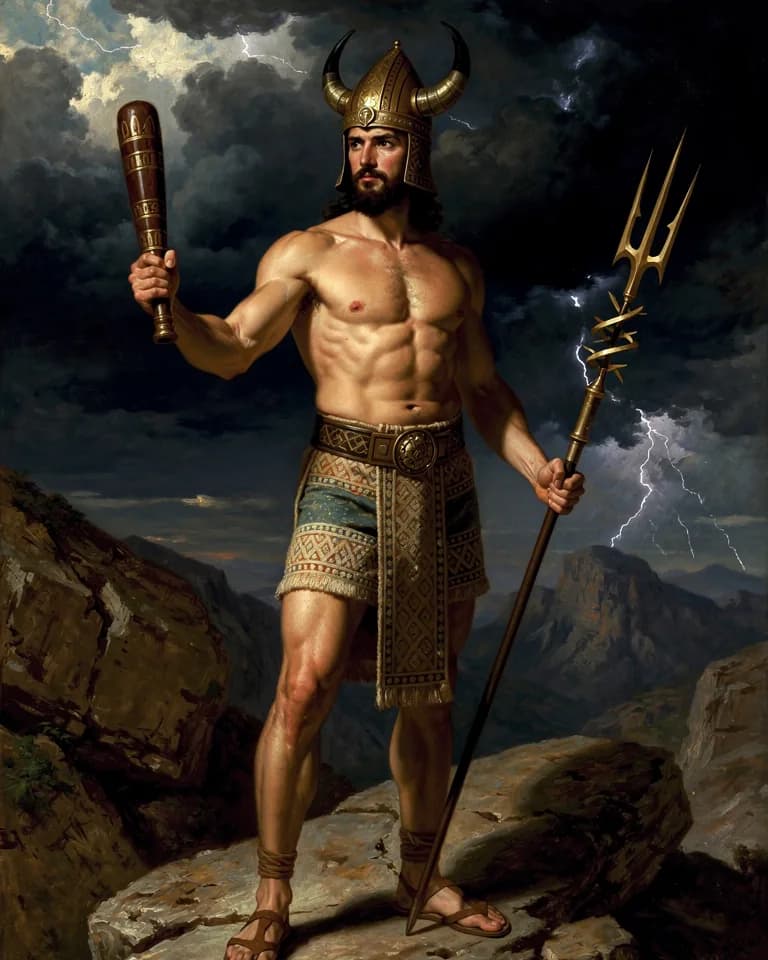
The storm-god of Ugarit, 'Rider of the Clouds', whose rain makes the land fertile; he defeats Yamm the Sea, builds his palace on Mount Zaphon, is swallowed by Mot (Death), and returns to life.
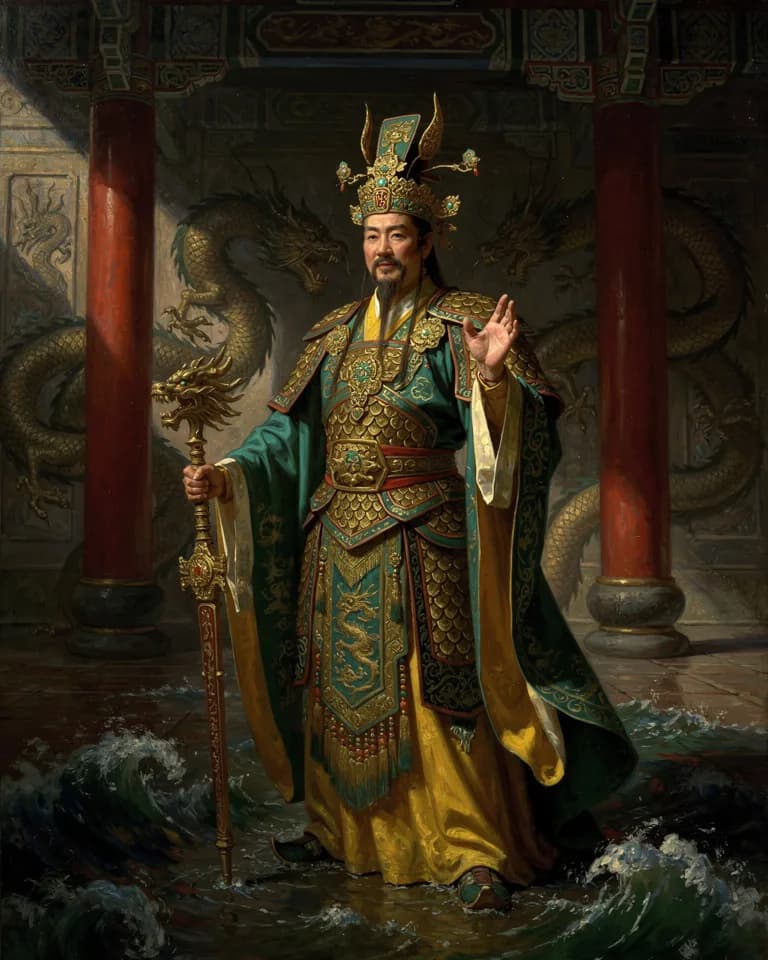
The dragon kings who rule the waters and send the rain, most famously the Dragon Kings of the Four Seas led by Ao Guang of the Eastern Sea. They govern as officials of the heavenly bureaucracy under the Jade Emperor, and their temples stood in villages across China wherever farmers prayed for rain.
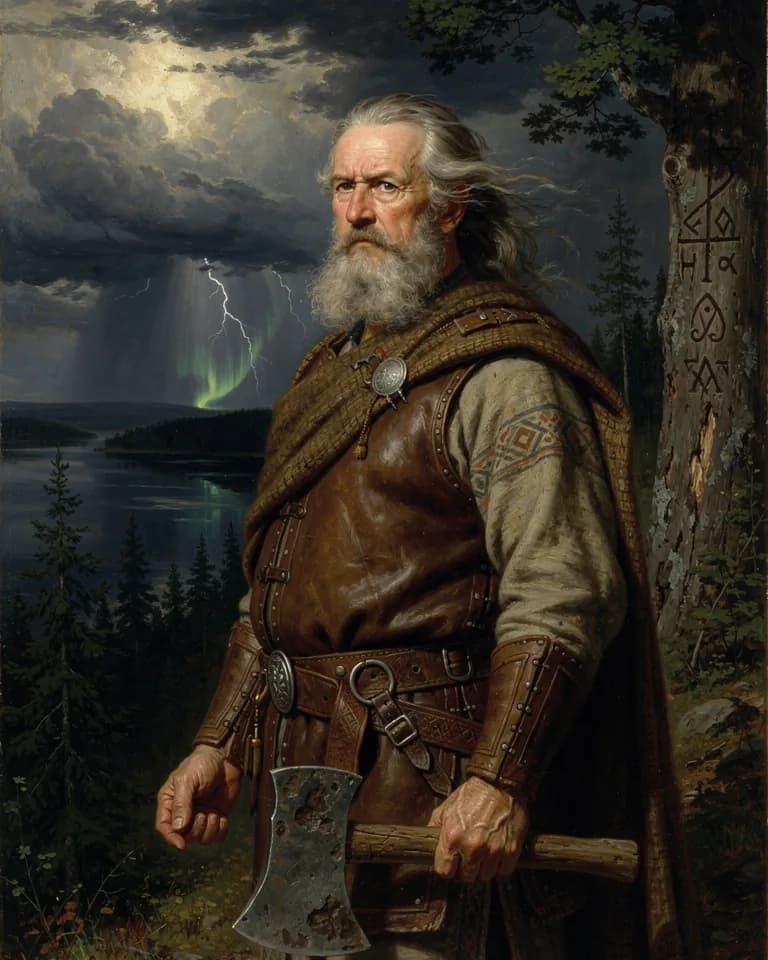
The sky and thunder god of Finnish and Karelian tradition, 'highest god' of the runo-songs, whose feast at the spring sowing Agricola condemned in 1551 and whom the Kalevala's heroes and Ilmatar call on in need.

The Thunderer of Seneca and wider Haudenosaunee tradition, maker of rains, who hunts the horned serpent and other malicious beings of the underworld with arrows of lightning.
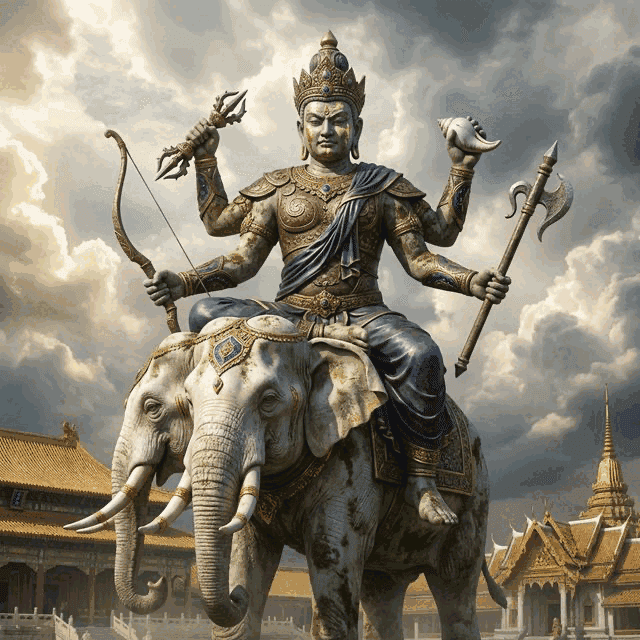
King of the gods (Devas) and lord of heaven (Svarga). God of thunder, rain, and war. Slayer of the dragon Vritra. Rides the white elephant Airavata.
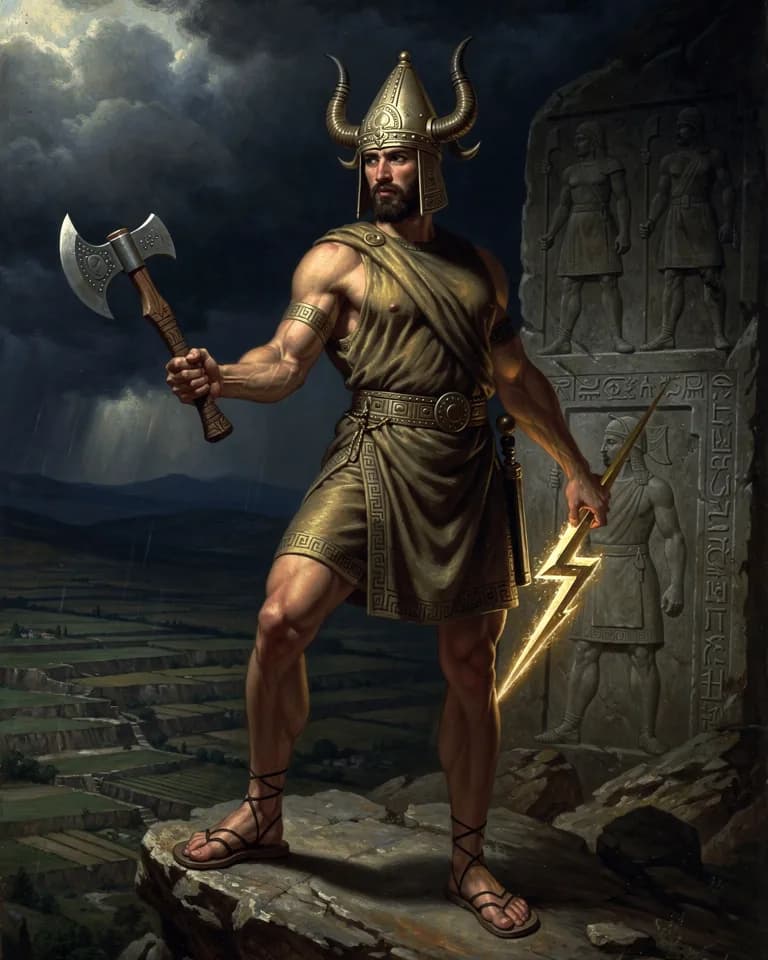
The chief god of the Hittite state: a storm-god of rain and thunder who gives the land its fertility, fights the serpent Illuyanka, and, under his Hurrian name Teššub, wins kingship in heaven in the Kumarbi cycle.
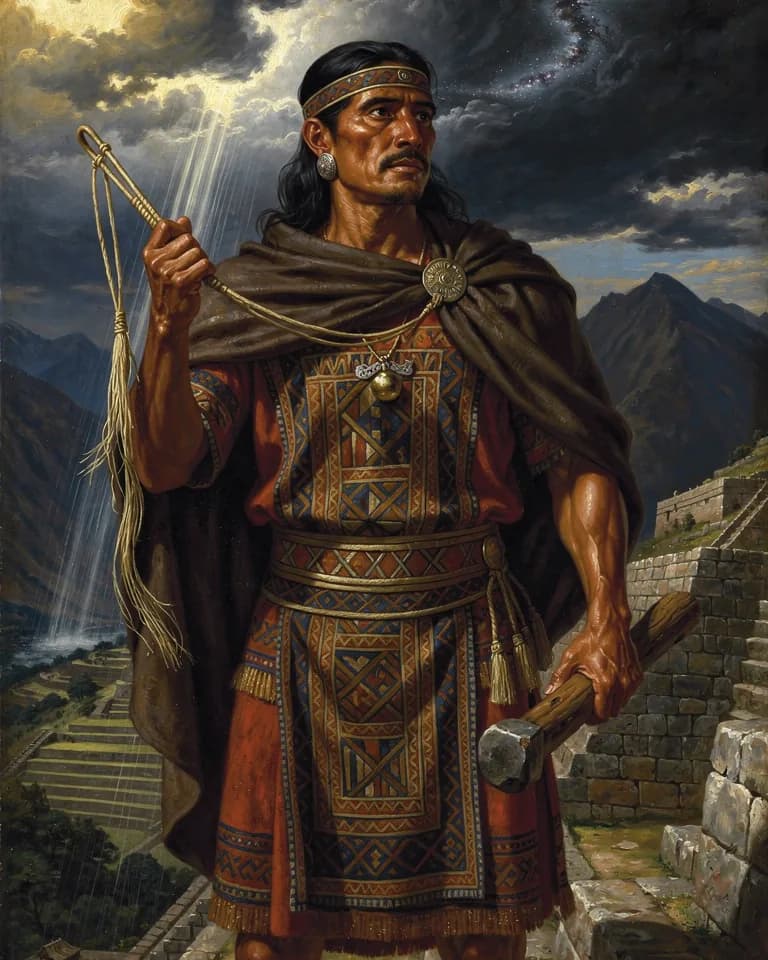
The Thunder of the Inca state cult, imagined as a man in the sky with a sling and club who draws rain from the heavenly river; after the conquest he was widely identified with Saint James (Santiago).
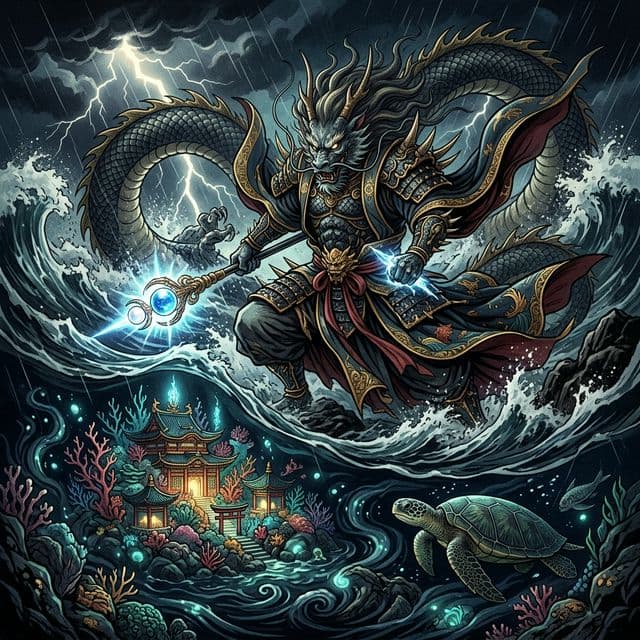
Dragon god of the sea who dwells in an underwater palace made of red and white coral. Ruler of all sea creatures and controller of the tides through his magical tide jewels.
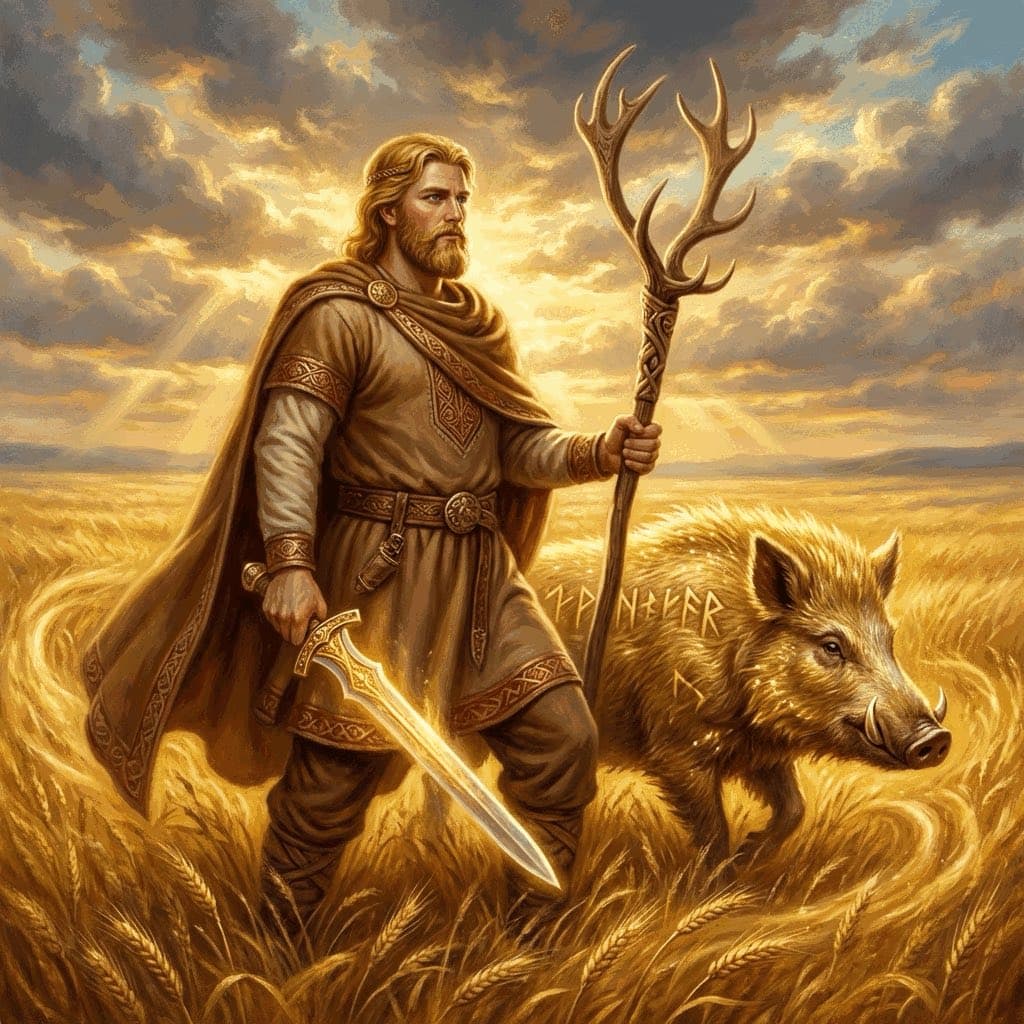
One of the Vanir, god of fertility, prosperity, and fair weather. Owner of the magical ship Skidbladnir and the golden boar Gullinbursti.
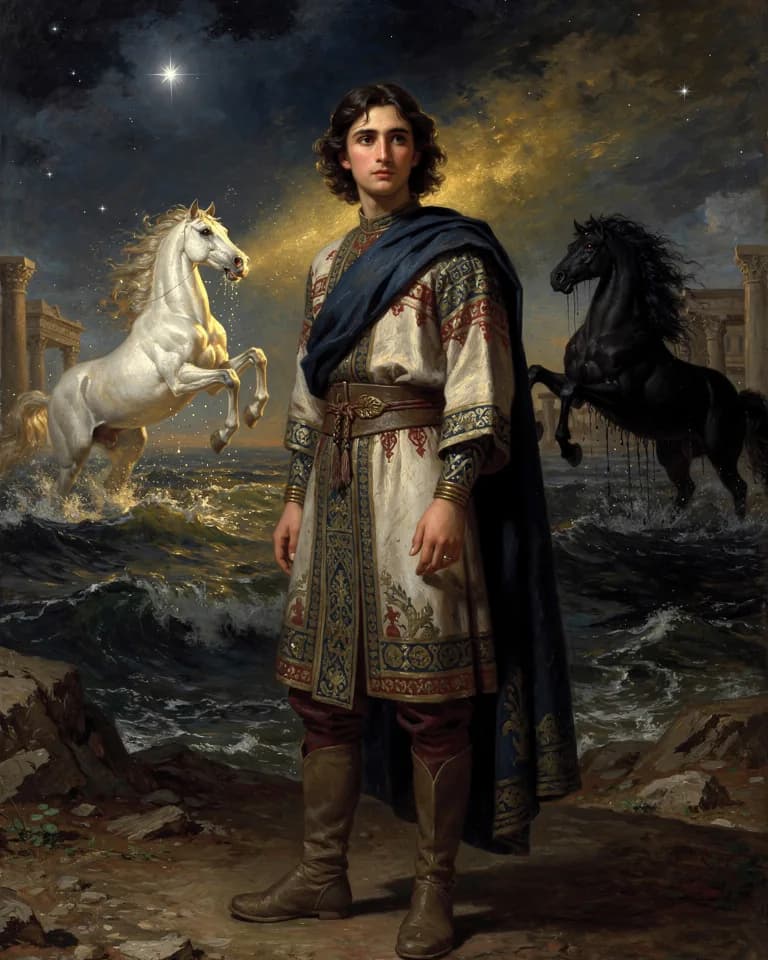
The star Sirius as a rain-bringing yazata, who in the Tir Yasht descends to the cosmic sea as a white horse, is at first overcome by the black horse of the drought demon Apaosha, and then, strengthened by worship, defeats him and releases the rains.
Editorial comparisons recorded on these entries; a shared role does not establish a shared origin.
Chaac (Mesoamerican) and Tlaloc (Mesoamerican)
Tlaloc is the Aztec equivalent of Chaac, both being rain gods essential to maize agriculture
Compare Chaac and TlalocRyujin (Japanese) and Longwang (the Dragon Kings) (Chinese)
The Chinese Dragon Kings directly influenced Japanese Ryujin mythology through cultural exchange
Compare Ryujin and Longwang (the Dragon Kings)Tarhunna (the Storm-god of Hatti) (Hittite) and Baal (Baʿlu Haddu) (Canaanite)
Both storm-gods have their mountain at Jebel Aqra, Hurrian-Hittite Hazzi and Ugaritic Zaphon, and both defeat a sea or serpent enemy; Ugaritic god-lists equate Teššub with Baal.
Compare Tarhunna (the Storm-god of Hatti) and Baal (Baʿlu Haddu)Illapa (Inca and Andean) and Tlaloc (Mesoamerican)
Both are storm and rain gods of American states, petitioned on mountains in time of drought; Illapa wields a sling, Tlaloc the lightning serpent. The resemblance is typological, not historical.
Compare Illapa and TlalocBuilt from each deity's catalog entry. See every domain side by side on Divine Domains, or browse every cross-pantheon parallel.