Mythos Atlas

Side by sideParallel across traditions

Longwang (the Dragon Kings) vs Ryujin

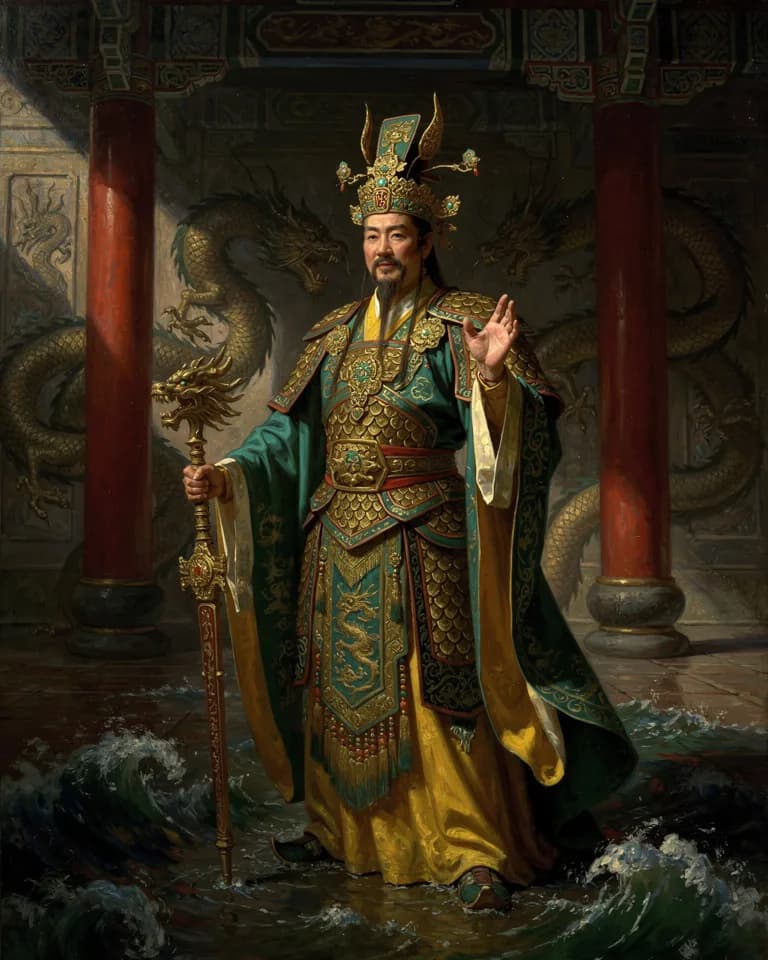
Longwang (the Dragon Kings)
Longwang (the Dragon Kings)Chinese
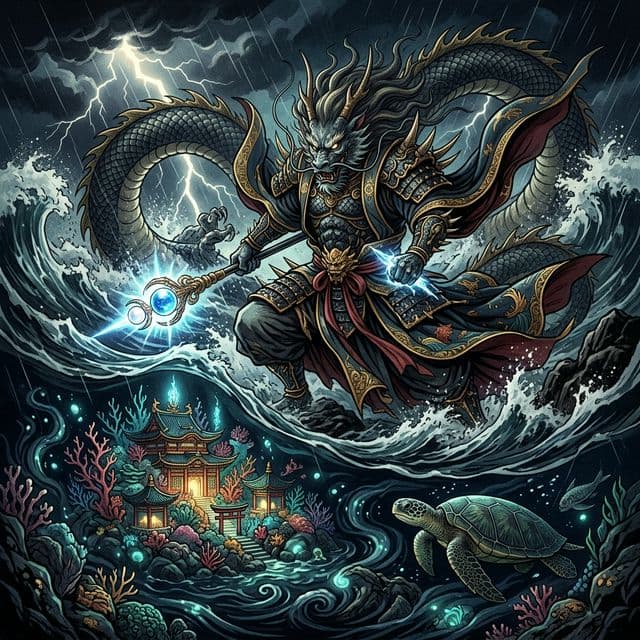
Ryujin
RyujinJapanese

The Chinese Dragon Kings directly influenced Japanese Ryujin mythology through cultural exchange.

At a glance

Longwang (the Dragon Kings) and Ryujin compared
Longwang (the Dragon Kings)Ryujin
TraditionChinese PantheonJapanese Pantheon
Domainsseas, rivers, rain, weathersea, ocean, dragons, storms, rain
Symbolsdragon form, pearl, underwater crystal palace, tablet of officedragon, tide jewels, coral palace, sea turtle
Also calledDragon King, Dragon Kings of the Four Seas, Ao Guang (Dragon King of the Eastern Sea), Long WangWatatsumi, Owatatsumi-no-kami, Dragon King of the Sea

Where they meet

Both are associated with rain.

Where they part

Only Longwang (the Dragon Kings)

Associated with seas, rivers, and weather.

Only Ryujin

Associated with sea, ocean, dragons, and storms.

How each was worshipped

Longwang (the Dragon Kings)

Cult sites
Village Longwang temples throughout north China; Dragon King temples beside springs, wells, and rivers
Festivals
Rain prayers in drought; Dragon King's birthday observances (dates vary by region)

In drought, communities processed the Dragon King's image, offered sacrifice, and sometimes set the image in the sun to press him to send rain.

Ryujin

Cult sites
Sea shrines; Ryugu in story; Coastal jinja that house a dragon king

Tide jewels and the undersea palace. Fishermen more than courtiers. The cult is the weather of the catch.

The two figures

Chinese Pantheon

Longwang (the Dragon Kings)

The dragon kings who rule the waters and send the rain, most famously the Dragon Kings of the Four Seas led by Ao Guang of the Eastern Sea. They govern as officials of the heavenly bureaucracy under the Jade Emperor, and their temples stood in villages across China wherever farmers prayed for rain.

The Dragon Kings grew from the ancient Chinese association of dragons with water and rain, combined after the arrival of Buddhism with the naga kings of Indian scripture. Popular religion made them officials appointed by the Jade Emperor over each body of water.

The belief that dragons control water and rain is ancient in China. With the arrival of Buddhism, the Indian naga kings of the sutras, serpent rulers of underwater palaces, merged with native dragon lore to produce the Dragon King (Longwang). By late imperial times every sea, river, lake, and well could have its dragon king, and the most prominent were the four kings of the Eastern, Southern, Western, and Northern Seas.

Read the full Longwang (the Dragon Kings) entry

Japanese Pantheon

Ryujin

Dragon god of the sea who dwells in an underwater palace made of red and white coral. Ruler of all sea creatures and controller of the tides through his magical tide jewels.

Ryujin emerged as a kami of the ocean depths in early Shinto belief. According to the **Kojiki**, he is the father of **Toyotama-hime**, who married the hunter Hoori and became grandmother to Japan's first emperor Jimmu. His coral palace **Ryugu-jo** lies beneath the waves, where time flows differently than on land.

**Ryujin** (also called Watatsumi) is the dragon deity who rules the ocean from his magnificent coral palace **Ryugu-jo** beneath the waves. He commands all sea creatures—fish, turtles, jellyfish, and other marine life serve as his messengers and attendants. His kingdom exists in a realm where time moves differently; what seems like days underwater may be centuries on the surface.

Read the full Ryujin entry
About this comparison

Comparisons pair figures that play a similar role across traditions, or that the myths connect within one. A shared role does not, by itself, establish a shared origin.