Mythos Atlas

Side by sideRivals

Longwang (the Dragon Kings) vs Sun Wukong

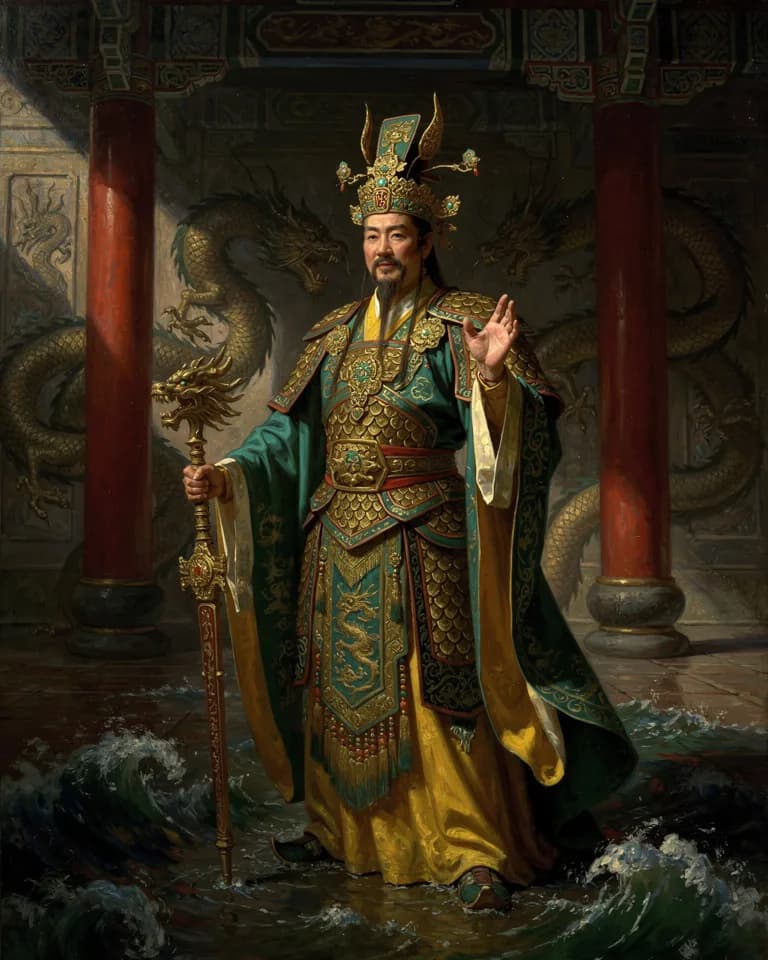
Longwang (the Dragon Kings)
Longwang (the Dragon Kings)Chinese
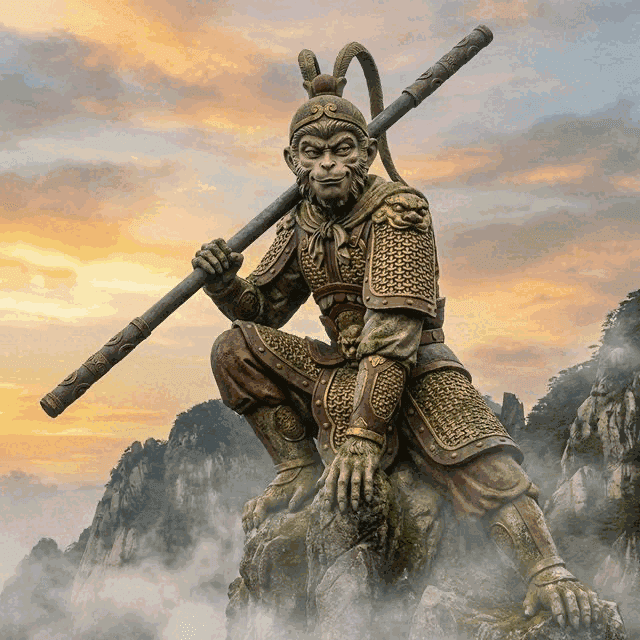
Sun Wukong
Sun WukongChinese

Longwang (the Dragon Kings) and Sun Wukong are recorded as rivals in the Chinese Pantheon.

At a glance

Longwang (the Dragon Kings) and Sun Wukong compared
Longwang (the Dragon Kings)Sun Wukong
TraditionChinese PantheonChinese Pantheon
Domainsseas, rivers, rain, weathertrickery, strength, fighting, rebellion, transformation, immortality
Symbolsdragon form, pearl, underwater crystal palace, tablet of officeRuyi Jingu Bang (golden cudgel), golden fillet (headband), cloud-walking boots, phoenix-feather cap
Also calledDragon King, Dragon Kings of the Four Seas, Ao Guang (Dragon King of the Eastern Sea), Long WangMonkey King, Great Sage Equal to Heaven, Victorious Fighting Buddha, Beautiful Monkey King

Where they meet

The atlas records no domain or symbol that Longwang (the Dragon Kings) and Sun Wukong share.

They are compared because of how the myths connect them, not because of what they rule.

Where they part

Only Longwang (the Dragon Kings)

Associated with seas, rivers, rain, and weather.

Only Sun Wukong

Associated with trickery, strength, fighting, rebellion, transformation, and immortality.

How each was worshipped

Longwang (the Dragon Kings)

Cult sites
Village Longwang temples throughout north China; Dragon King temples beside springs, wells, and rivers
Festivals
Rain prayers in drought; Dragon King's birthday observances (dates vary by region)

In drought, communities processed the Dragon King's image, offered sacrifice, and sometimes set the image in the sun to press him to send rain.

Sun Wukong

Cult sites
Great Sage temples in Fujian, Taiwan, Singapore, and Malaysia; Side halls in some Buddhist monasteries
Festivals
Great Sage birthday festivals

Monkey, staff, and the novel made a god people actually visit. Mediums, opera, and fruit. This is living cult from literature, which is a normal Chinese outcome, not a category error.

The two figures

Chinese Pantheon

Longwang (the Dragon Kings)

The dragon kings who rule the waters and send the rain, most famously the Dragon Kings of the Four Seas led by Ao Guang of the Eastern Sea. They govern as officials of the heavenly bureaucracy under the Jade Emperor, and their temples stood in villages across China wherever farmers prayed for rain.

The Dragon Kings grew from the ancient Chinese association of dragons with water and rain, combined after the arrival of Buddhism with the naga kings of Indian scripture. Popular religion made them officials appointed by the Jade Emperor over each body of water.

The belief that dragons control water and rain is ancient in China. With the arrival of Buddhism, the Indian naga kings of the sutras, serpent rulers of underwater palaces, merged with native dragon lore to produce the Dragon King (Longwang). By late imperial times every sea, river, lake, and well could have its dragon king, and the most prominent were the four kings of the Eastern, Southern, Western, and Northern Seas.

Read the full Longwang (the Dragon Kings) entry

Chinese Pantheon

Sun Wukong

A monkey born from a magical stone who acquired supernatural powers through Taoist cultivation. After wreaking havoc in Heaven, he was imprisoned for 500 years before redeeming himself as the protector of the monk Tang Sanzang on the journey to retrieve Buddhist scriptures.

On the Mountain of Flowers and Fruit, a magical stone nourished by heaven and earth for eons produced a stone egg. When the wind blew upon it, the egg transformed into a stone monkey with golden eyes. This monkey would become Sun Wukong, the Great Sage Equal to Heaven.

Sun Wukong is China's most beloved mythological figure, a trickster hero who combines irreverent rebellion with ultimate redemption. Born from a stone egg nourished by heaven and earth, he embodies the tension between chaos and order, individual freedom and cosmic duty.

Read the full Sun Wukong entry
About this comparison

Comparisons pair figures that play a similar role across traditions, or that the myths connect within one. A shared role does not, by itself, establish a shared origin.