Side by sideParallel across traditions

Loki vs Sun Wukong

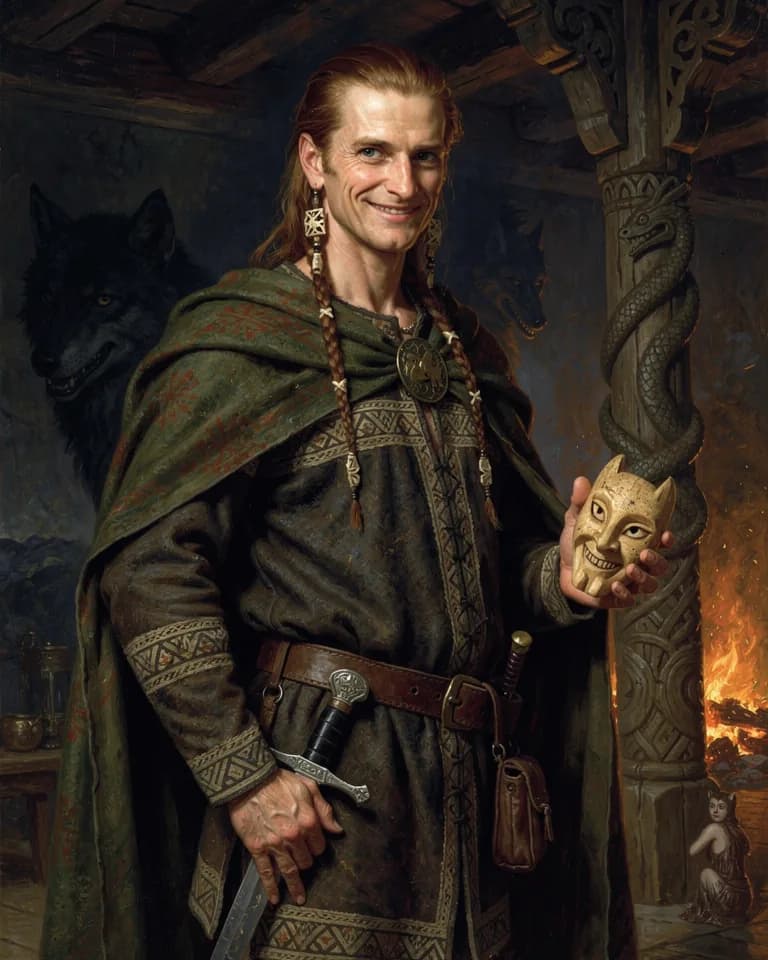
Loki
LokiNorse
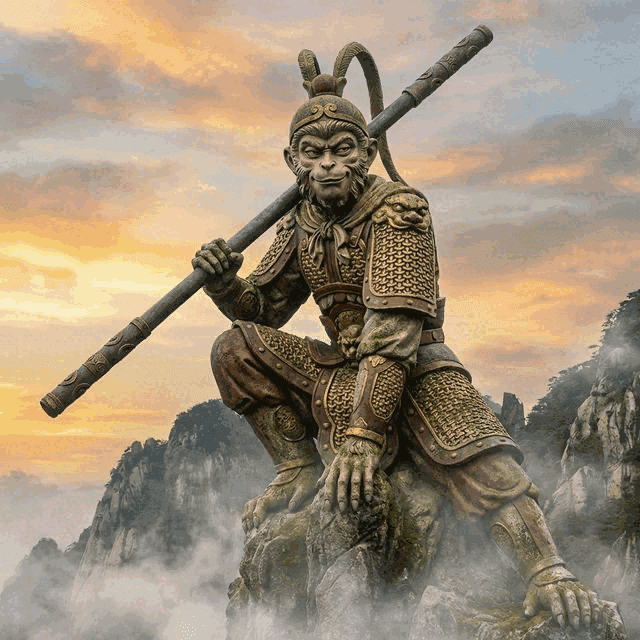
Sun Wukong
Sun WukongChinese

Both are shape-shifting troublemakers whose mischief repeatedly disrupts the divine order.

At a glance

Loki and Sun Wukong compared
LokiSun Wukong
TraditionNorse PantheonChinese Pantheon
Domainsmischief, trickery, chaos, fire, transformationtrickery, strength, fighting, rebellion, transformation, immortality
Symbolsflames, serpent, salmon, flyRuyi Jingu Bang (golden cudgel), golden fillet (headband), cloud-walking boots, phoenix-feather cap
Also calledLopt, Trickster, Shape-ShifterMonkey King, Great Sage Equal to Heaven, Victorious Fighting Buddha, Beautiful Monkey King

Where they meet

Both are associated with trickery and transformation.

Where they part

Only Loki

Associated with mischief, chaos, and fire.

Only Sun Wukong

Associated with strength, fighting, rebellion, and immortality.

Why they are compared

Both are trickster figures who rebel against cosmic order and use shape-shifting abilities.

How each was worshipped

Loki

Cult sites
No attested temple; place-names are scarce and disputed

There is no working Loki cult in the sources. He is bound, blamed, and needed in the stories. The honest note is absence: a mythic catalyst without a priesthood.

Sun Wukong

Cult sites
Great Sage temples in Fujian, Taiwan, Singapore, and Malaysia; Side halls in some Buddhist monasteries
Festivals
Great Sage birthday festivals

Monkey, staff, and the novel made a god people actually visit. Mediums, opera, and fruit. This is living cult from literature, which is a normal Chinese outcome, not a category error.

The two figures

Norse Pantheon

Loki

A complex figure, blood brother to Odin but frequently causing trouble for the gods. A shape-shifter and trickster who fathers monstrous children including Fenrir, Jormungandr, and Hel.

Loki is not one of the Aesir by birth but a giant, the son of the giant Farbauti and the giantess Laufey (or Nal). Despite his giant heritage, he was accepted among the Aesir after becoming blood brothers with Odin in ancient times. The details of this pact are lost, but it bound Odin to never drink unless Loki was also offered a cup. Loki married the goddess Sigyn, who bore him sons Narfi and Vali. With the giantess Angrboda, he fathered three monstrous children: Fenrir the wolf, Jormungandr the World Serpent, and Hel, ruler of the dead.

Loki is a shape-shifter and the catalyst for most Norse myths. Sometimes a helpful ally, often a malicious nuisance, his actions drive the plot of the gods' lives.

Read the full Loki entry

Chinese Pantheon

Sun Wukong

A monkey born from a magical stone who acquired supernatural powers through Taoist cultivation. After wreaking havoc in Heaven, he was imprisoned for 500 years before redeeming himself as the protector of the monk Tang Sanzang on the journey to retrieve Buddhist scriptures.

On the Mountain of Flowers and Fruit, a magical stone nourished by heaven and earth for eons produced a stone egg. When the wind blew upon it, the egg transformed into a stone monkey with golden eyes. This monkey would become Sun Wukong, the Great Sage Equal to Heaven.

Sun Wukong is China's most beloved mythological figure, a trickster hero who combines irreverent rebellion with ultimate redemption. Born from a stone egg nourished by heaven and earth, he embodies the tension between chaos and order, individual freedom and cosmic duty.

Read the full Sun Wukong entry
About this comparison

Comparisons pair figures that play a similar role across traditions, or that the myths connect within one. A shared role does not, by itself, establish a shared origin.