Side by sideParallel across traditions

Hanuman vs Sun Wukong

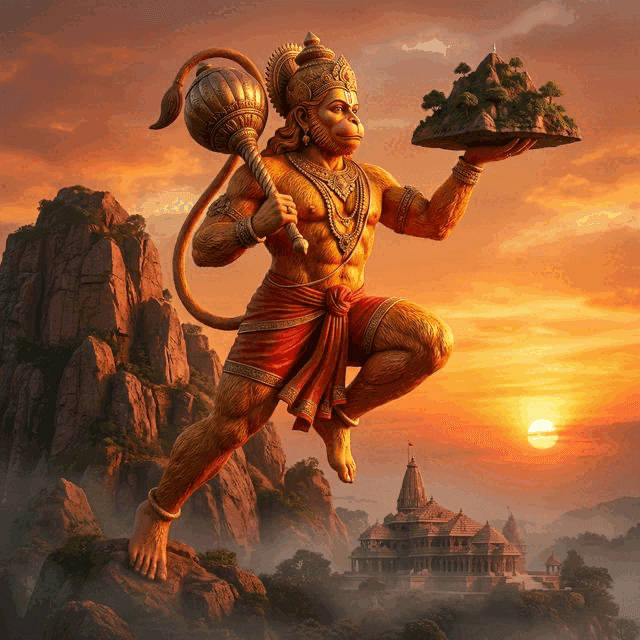
Hanuman
HanumanHindu
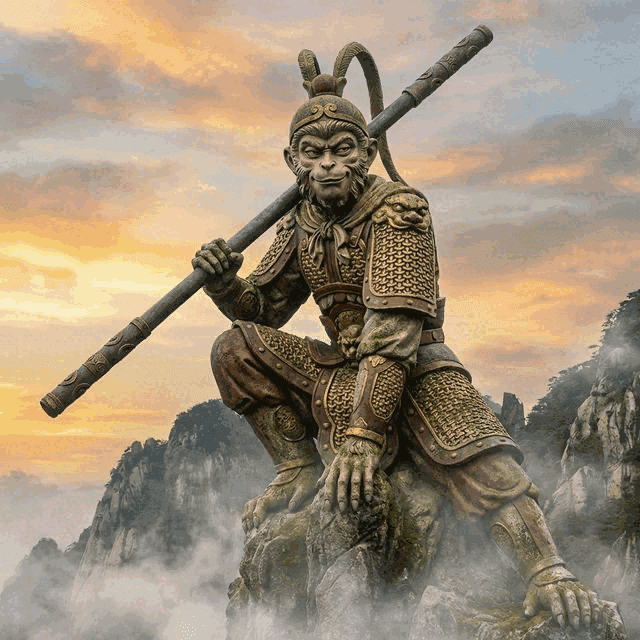
Sun Wukong
Sun WukongChinese

Both are super-strong monkey heroes with shape-shifting and flight powers devoted to a higher cause.

At a glance

Hanuman and Sun Wukong compared
HanumanSun Wukong
TraditionHindu PantheonChinese Pantheon
Domainsstrength, devotion, service, courage, learningtrickery, strength, fighting, rebellion, transformation, immortality
Symbolsmace, mountain, monkeyRuyi Jingu Bang (golden cudgel), golden fillet (headband), cloud-walking boots, phoenix-feather cap
Also calledAnjaneya, Maruti, BajrangbaliMonkey King, Great Sage Equal to Heaven, Victorious Fighting Buddha, Beautiful Monkey King

Where they meet

Both are associated with strength.

Where they part

Only Hanuman

Associated with devotion, service, courage, and learning.

Only Sun Wukong

Associated with trickery, fighting, rebellion, transformation, and immortality.

Why they are compared

Both are monkey heroes of immense strength and devotion. Some scholars suggest Hanuman may have influenced Sun Wukong's character.

How each was worshipped

Hanuman

Cult sites
Hanuman Garhi at Ayodhya; Salasar and Jakhu temples; Akharas and wayside orange shrines
Festivals
Hanuman Jayanti; Tuesdays and Saturdays

The Chalisa is the liturgy. Wrestlers oil up in his name; travellers keep a small image in the cab. Strength as service, not as throne.

Sun Wukong

Cult sites
Great Sage temples in Fujian, Taiwan, Singapore, and Malaysia; Side halls in some Buddhist monasteries
Festivals
Great Sage birthday festivals

Monkey, staff, and the novel made a god people actually visit. Mediums, opera, and fruit. This is living cult from literature, which is a normal Chinese outcome, not a category error.

The two figures

Hindu Pantheon

Hanuman

Monkey deity symbolizing strength, devotion, and selfless service. Greatest devotee of Rama and central figure in the Ramayana. Son of the wind god Vayu.

Son of Anjana and the wind god Vayu. As a child, he tried to eat the sun. Indra struck him with thunderbolt, but he was revived and blessed by the gods with immortality and great powers.

Hanuman is the monkey deity who embodies **strength**, devotion, courage, and selfless service. He is the greatest devotee of **Rama** and a central hero of the **Ramayana** epic. Son of the wind god **Vayu**, he possesses supernatural powers and unwavering loyalty.

Read the full Hanuman entry

Chinese Pantheon

Sun Wukong

A monkey born from a magical stone who acquired supernatural powers through Taoist cultivation. After wreaking havoc in Heaven, he was imprisoned for 500 years before redeeming himself as the protector of the monk Tang Sanzang on the journey to retrieve Buddhist scriptures.

On the Mountain of Flowers and Fruit, a magical stone nourished by heaven and earth for eons produced a stone egg. When the wind blew upon it, the egg transformed into a stone monkey with golden eyes. This monkey would become Sun Wukong, the Great Sage Equal to Heaven.

Sun Wukong is China's most beloved mythological figure, a trickster hero who combines irreverent rebellion with ultimate redemption. Born from a stone egg nourished by heaven and earth, he embodies the tension between chaos and order, individual freedom and cosmic duty.

Read the full Sun Wukong entry
About this comparison

Comparisons pair figures that play a similar role across traditions, or that the myths connect within one. A shared role does not, by itself, establish a shared origin.