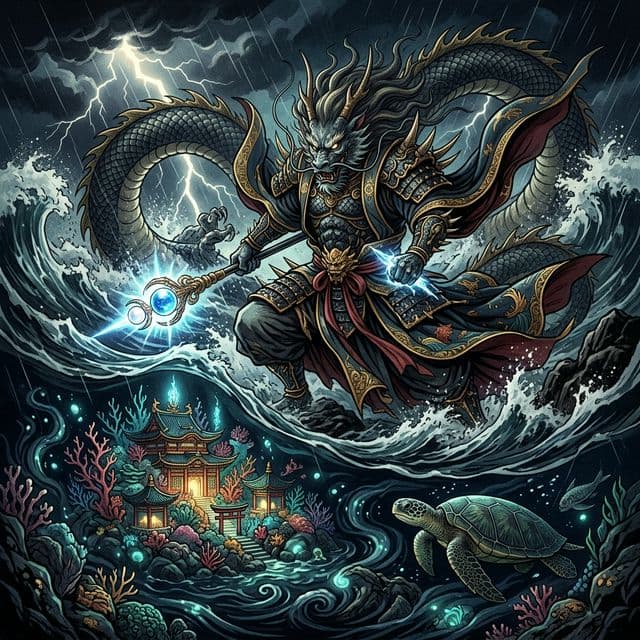
Ryujin
Dragon god of the sea who dwells in an underwater palace made of red and white coral. Ruler of all sea creatures and controller of the tides through his magical tide jewels.
Divine domains
15 deities from 11 traditions whose entries in this atlas list storms among their domains, grouped by tradition.
Dragon god of the sea who dwells in an underwater palace made of red and white coral. Ruler of all sea creatures and controller of the tides through his magical tide jewels.
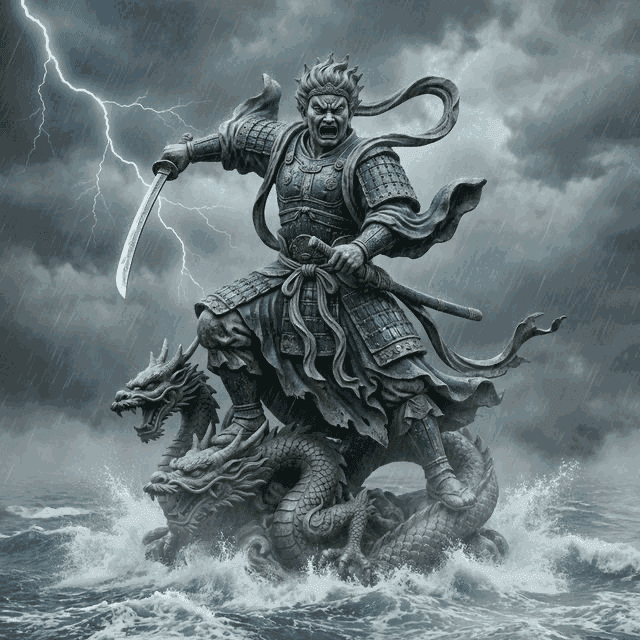
God of storms, sea, and chaos. Brother of Amaterasu. Initially wild but later heroic. Famous for slaying the eight-headed dragon Yamata no Orochi.
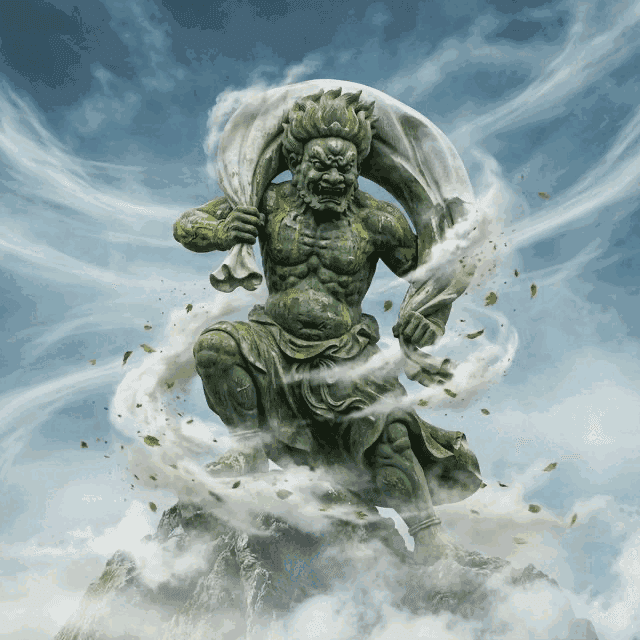
God of wind and air. Depicted as a demon carrying a large bag of winds. Twin to Raijin. Controls gentle breezes and destructive typhoons.
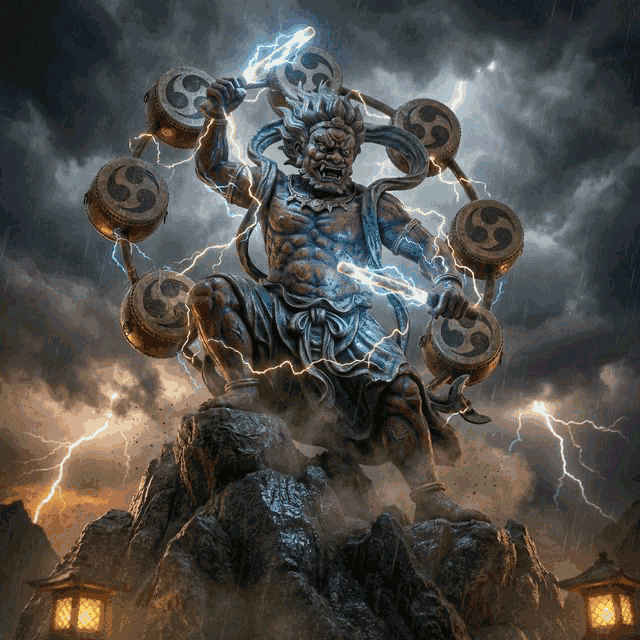
God of thunder, lightning, and storms. Depicted as a demon beating drums to create thunder. Works with Fujin (wind god).
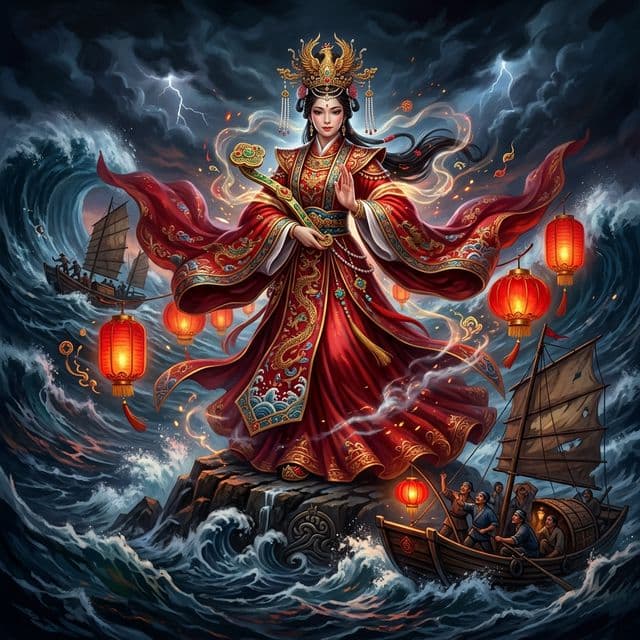
The goddess of the sea and protector of sailors, fishermen, and all who travel by water. Originally a human girl from Fujian Province with miraculous powers, she was deified after her death.
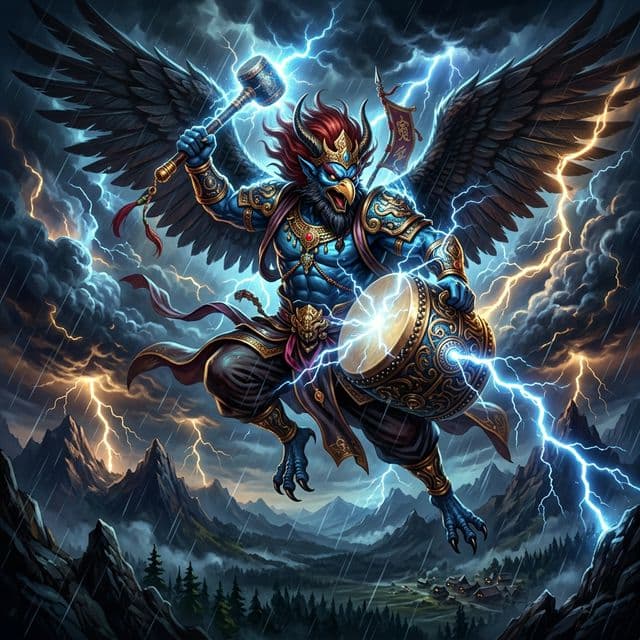
The god of thunder who punishes evildoers and hidden crimes with his thunderbolts. He appears as a fearsome creature with a bird's beak, claws, and blue skin, carrying drums that create thunder.
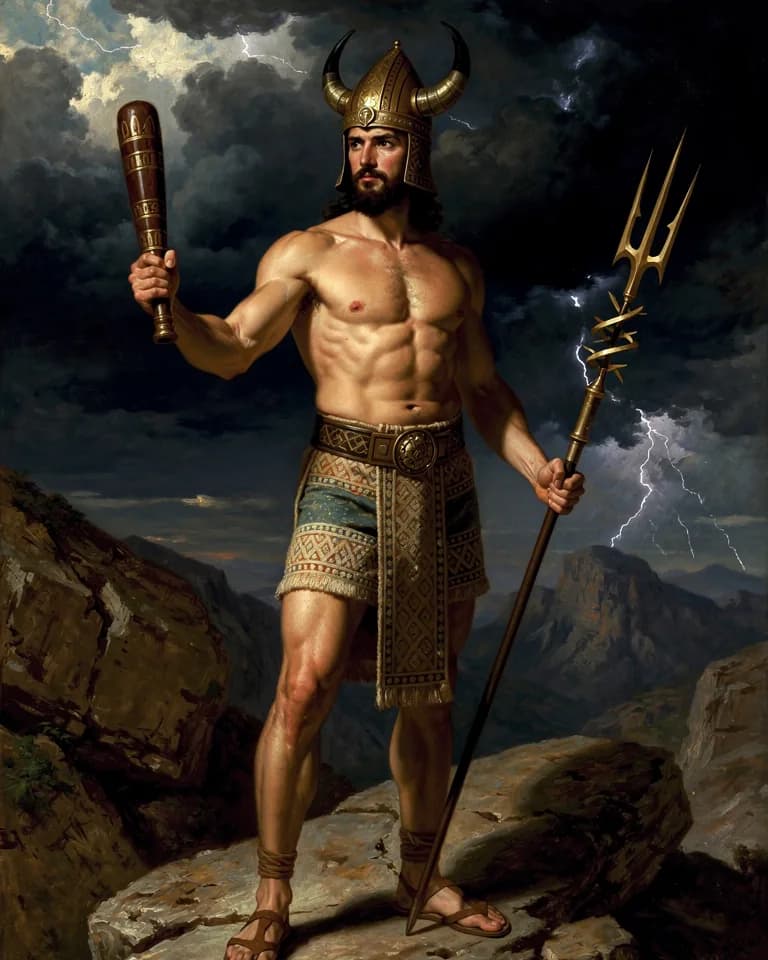
The storm-god of Ugarit, 'Rider of the Clouds', whose rain makes the land fertile; he defeats Yamm the Sea, builds his palace on Mount Zaphon, is swallowed by Mot (Death), and returns to life.
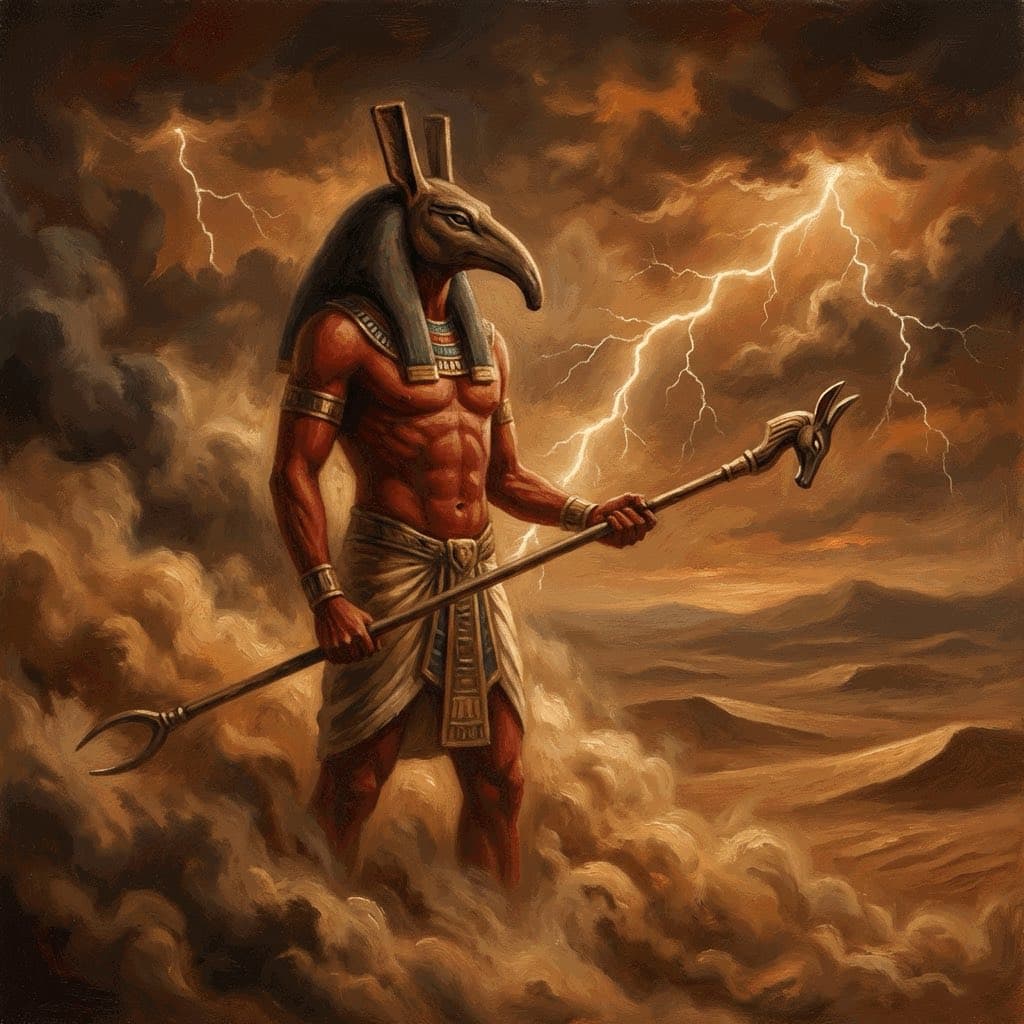
God of chaos, storms, and the desert. Brother and murderer of Osiris, enemy of Horus. Despite being a villain in myth, he also protects Ra's solar barque from Apophis each night.
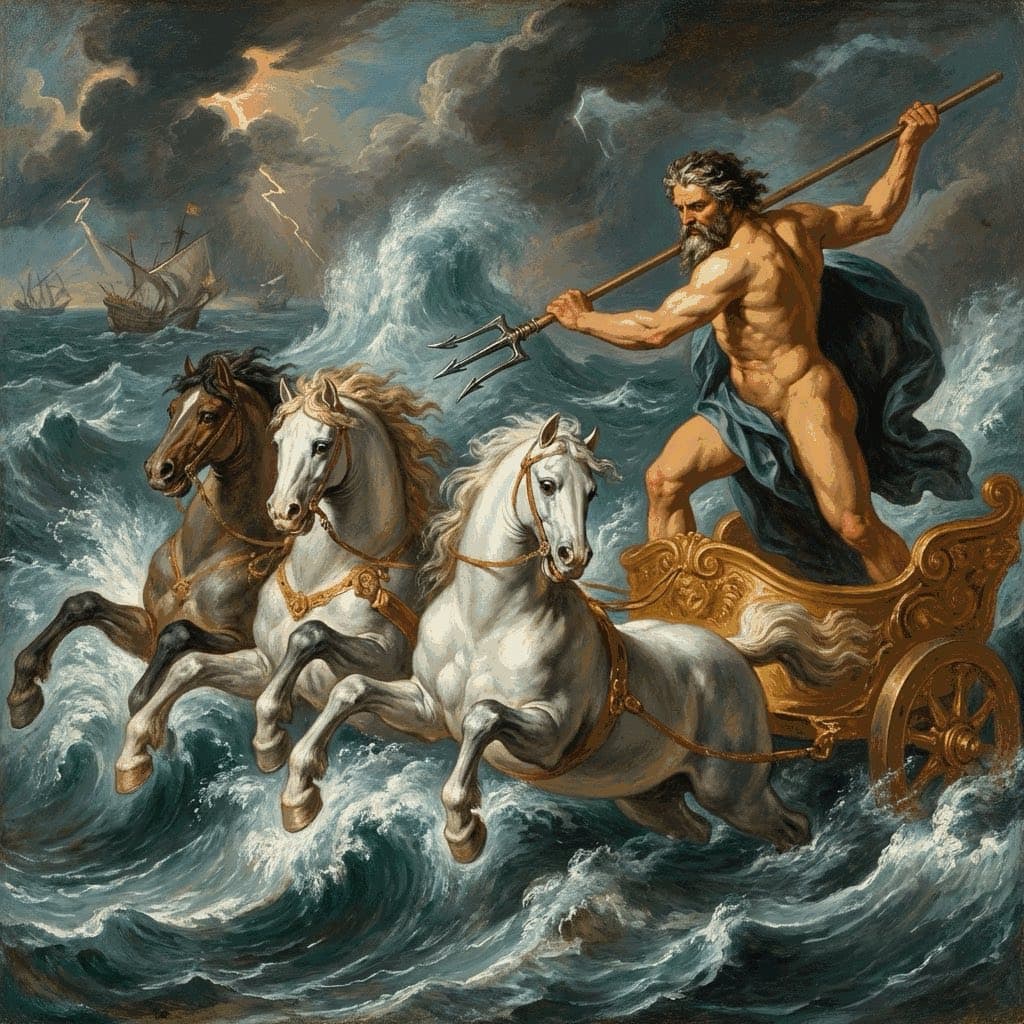
God of the sea, earthquakes, and horses. Brother of Zeus and Hades, ruler of the oceans and all waters.
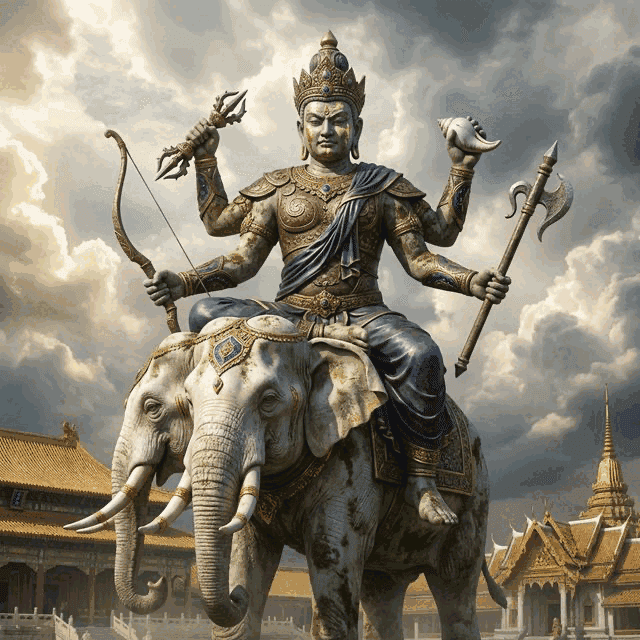
King of the gods (Devas) and lord of heaven (Svarga). God of thunder, rain, and war. Slayer of the dragon Vritra. Rides the white elephant Airavata.
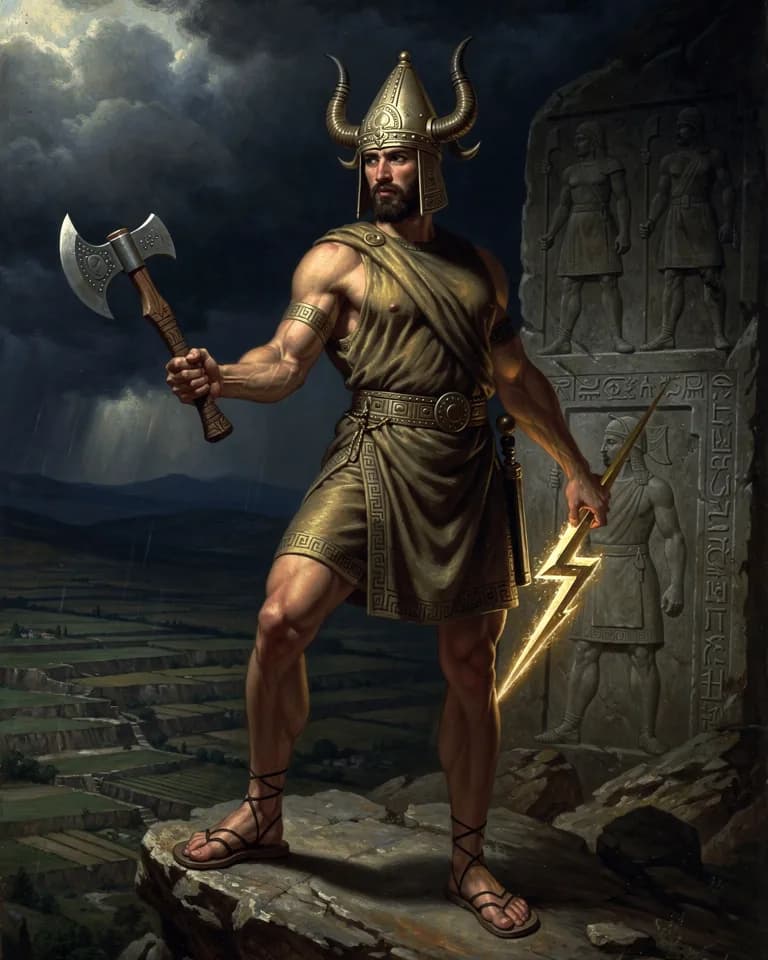
The chief god of the Hittite state: a storm-god of rain and thunder who gives the land its fertility, fights the serpent Illuyanka, and, under his Hurrian name Teššub, wins kingship in heaven in the Kumarbi cycle.
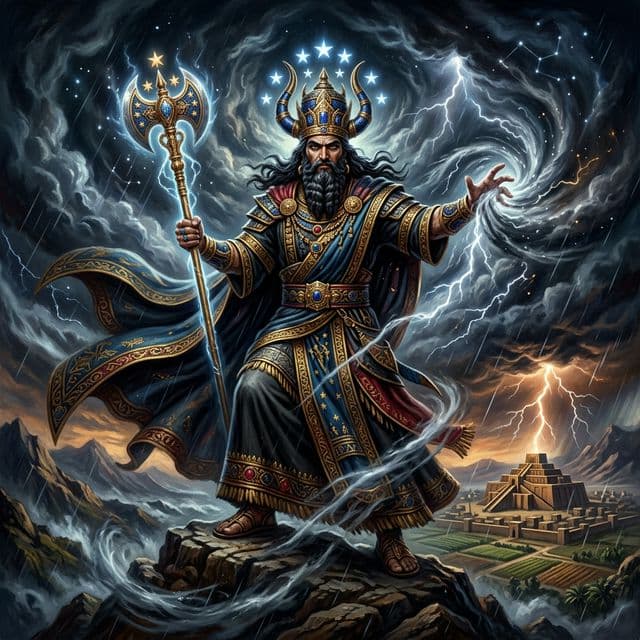
Lord of wind, storms, and the breath of life. Enlil is the executive authority of the gods, wielding the Tablet of Destinies and determining the fates of gods and mortals.
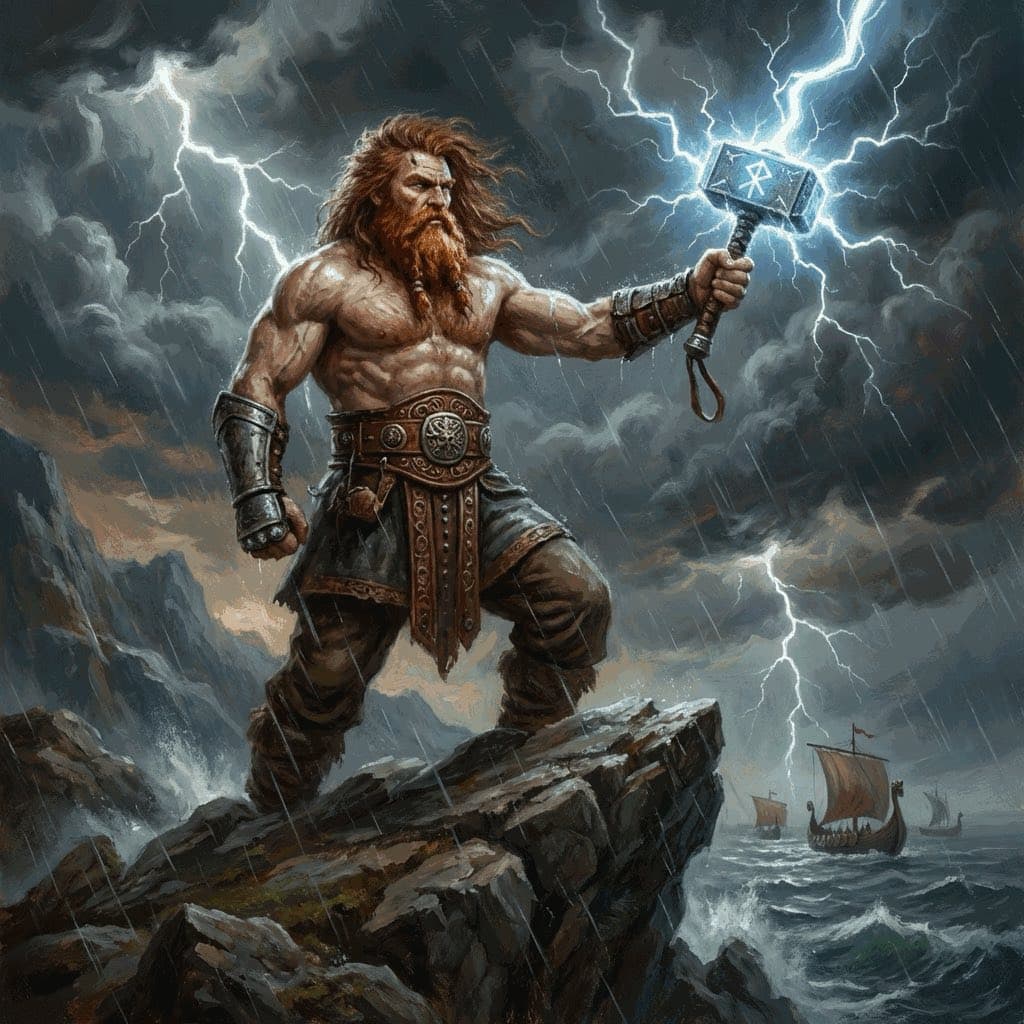
Son of Odin and the earth goddess Jord. God of thunder, lightning, and storms. Protector of mankind and the gods, wielding the mighty hammer Mjolnir.
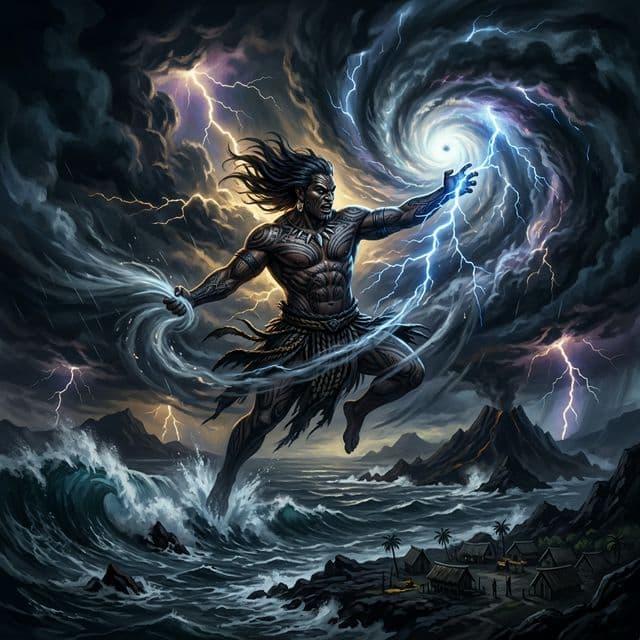
The Maori god of weather, winds, and storms. Tawhirimatea was the only one of Rangi and Papa's children to oppose their separation, and he still attacks his brothers with storms in revenge.
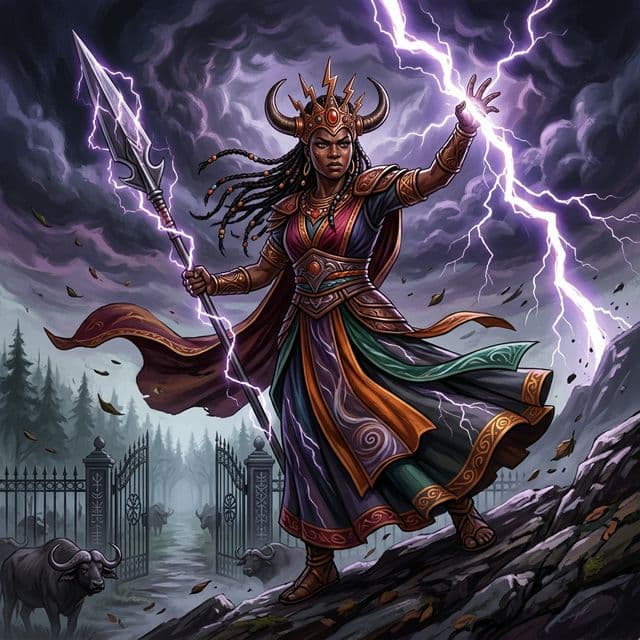
The Orisha of wind, storms, and transformation. Oya is a fierce warrior goddess who controls the forces of change and guards the cemetery gates.
Editorial comparisons recorded on these entries; a shared role does not establish a shared origin.
Thor (Norse) and Indra (Hindu)
Both are thunder gods who wield a signature weapon (hammer/vajra) against chaos-monsters, part of the widespread Indo-European thunder-god motif
Compare Thor and IndraThor (Norse) and Raijin (Japanese)
Both are hammer/drum-wielding thunder gods depicted as fearsome, muscular warriors who cause storms
Compare Thor and RaijinThor (Norse) and Lei Gong (Chinese)
Lei Gong already lists Thor; both are thunder gods who punish wrongdoing with lightning
Compare Thor and Lei GongSet (Egyptian) and Susanoo (Japanese)
Both are storm-and-chaos gods locked in ongoing rivalry with a sibling sun/order deity
Compare Set and SusanooRaijin (Japanese) and Lei Gong (Chinese)
Both are drum-wielding thunder gods who punish wrongdoing with lightning
Compare Raijin and Lei GongFujin (Japanese) and Enlil (Mesopotamian)
Both are gods of wind and storm associated with the destructive and life-giving power of moving air
Compare Fujin and EnlilFujin (Japanese) and Tawhirimatea (Polynesian)
Both are storm-and-wind gods who unleash tempests, distinct from their pantheon's thunder deity
Compare Fujin and TawhirimateaMazu (Chinese) and Poseidon (Greek)
Both are deities who control the seas and protect (or endanger) sailors, though Mazu is more benevolent
Compare Mazu and PoseidonTawhirimatea (Polynesian) and Thor (Norse)
Both command storms and thunder
Compare Tawhirimatea and ThorRyujin (Japanese) and Poseidon (Greek)
Both are rulers of the sea with underwater palaces and control over storms and marine life
Compare Ryujin and PoseidonTarhunna (the Storm-god of Hatti) (Hittite) and Baal (Baʿlu Haddu) (Canaanite)
Both storm-gods have their mountain at Jebel Aqra, Hurrian-Hittite Hazzi and Ugaritic Zaphon, and both defeat a sea or serpent enemy; Ugaritic god-lists equate Teššub with Baal.
Compare Tarhunna (the Storm-god of Hatti) and Baal (Baʿlu Haddu)Tarhunna (the Storm-god of Hatti) (Hittite) and Thor (Norse)
Both are storm-gods whose defining myth is combat with a great serpent (Illuyanka, Jörmungandr); the resemblance belongs to a widespread storm-god-versus-serpent pattern, not a shared text.
Compare Tarhunna (the Storm-god of Hatti) and ThorBuilt from each deity's catalog entry. See every domain side by side on Divine Domains, or browse every cross-pantheon parallel.