
Side by sideParallel across traditions

Set vs Susanoo

Set
SetEgyptian
Susanoo
SusanooJapanese

Both are storm-and-chaos gods locked in ongoing rivalry with a sibling sun/order deity.

At a glance

Set and Susanoo compared
SetSusanoo
TraditionEgyptian PantheonJapanese Pantheon
Domainschaos, desert, storms, foreigners, violence, strengthstorms, sea, chaos, heroism
Symbolswas scepter, Set animal, red colorsword, storm, dragon
Also calledSeth, Sutekh, Lord of the Red LandSusanoo-no-Mikoto

Where they meet

Both are associated with chaos and storms.

Where they part

Only Set

Associated with desert, foreigners, violence, and strength.

Only Susanoo

Associated with sea and heroism.

Why they are compared

Both are storm-and-chaos gods locked in ongoing rivalry with a sibling sun/order deity (Amaterasu/Horus).

How each was worshipped

Set

Cult sites
Ombos (Nubt) and the northeast frontier; Ramesside royal cult that claimed him
Festivals
Heb-Sed in some royal contexts; Later execration of Seth

Storm, desert, and foreign lands. Early on he is necessary: strength, the night boat's defender. Later theology makes him the murderer. Both layers are historical. Do not flatten him into a devil with a festival.

Susanoo

Cult sites
Yasaka Shrine in Kyoto; Hiromine and other Gion-line shrines; Izumo as the wild brother of the sun
Festivals
Gion Matsuri; Susanoo festivals at Yasaka

Storm, sword, and the eight-headed serpent. Gion's month-long parade is plague-exorcism dressed as spectacle. He is worshipped as a settler of chaos, not as a polite rice god.

The two figures

Egyptian Pantheon

Set

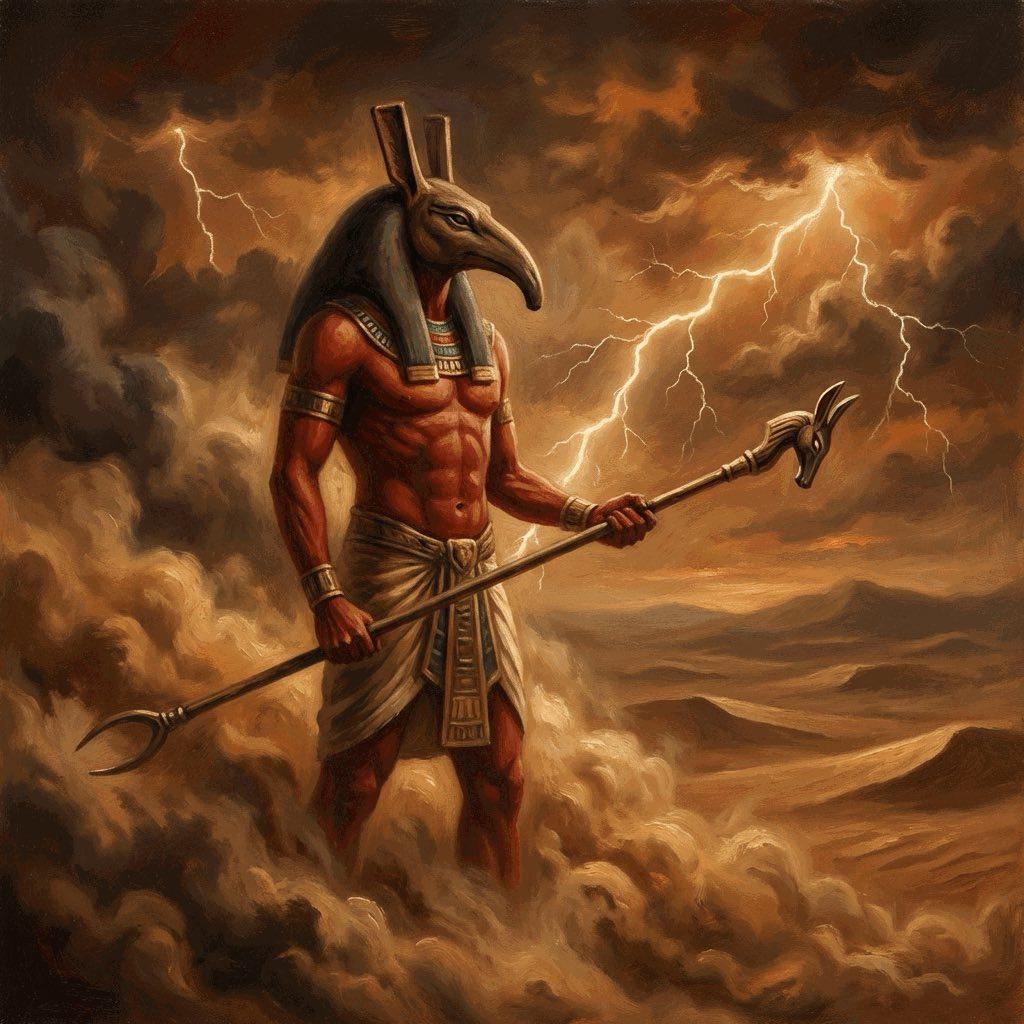
God of chaos, storms, and the desert. Brother and murderer of Osiris, enemy of Horus. Despite being a villain in myth, he also protects Ra's solar barque from Apophis each night.

Set is the god of storms, deserts, and foreigners. He represents the necessary chaos (*Isfet*) that balances order.

Read the full Set entry

Japanese Pantheon

Susanoo

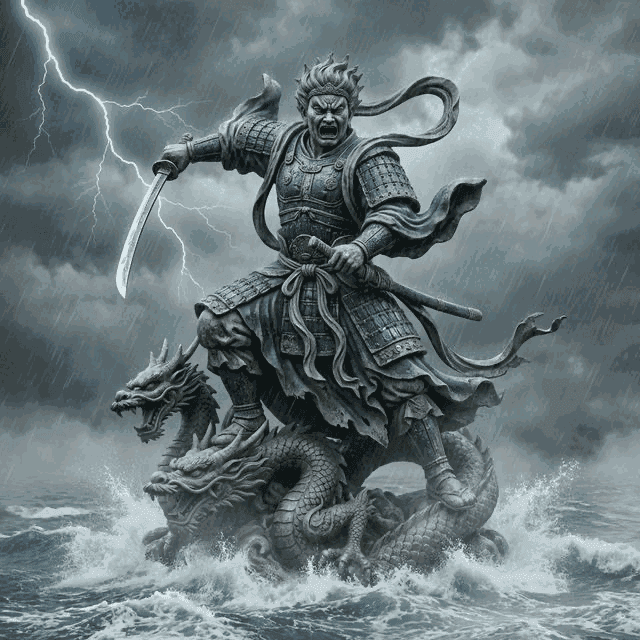
God of storms, sea, and chaos. Brother of Amaterasu. Initially wild but later heroic. Famous for slaying the eight-headed dragon Yamata no Orochi.

Born from Izanagi's nose during purification. Exiled from heaven for his violence, he descended to Earth where he became a hero, slaying the dragon Yamata no Orochi.

**Susanoo-no-Mikoto** embodies the raw, untamed power of storms and the sea. Born from Izanagi's nose during his purification ritual, Susanoo was assigned to rule the ocean realm. However, his nature was wild and tempestuous, and his refusal to accept his duties set in motion one of Shinto mythology's most dramatic sagas.
Read the full Susanoo entry
About this comparison

Comparisons pair figures that play a similar role across traditions, or that the myths connect within one. A shared role does not, by itself, establish a shared origin.