Side by sideSiblings

Amaterasu vs Susanoo

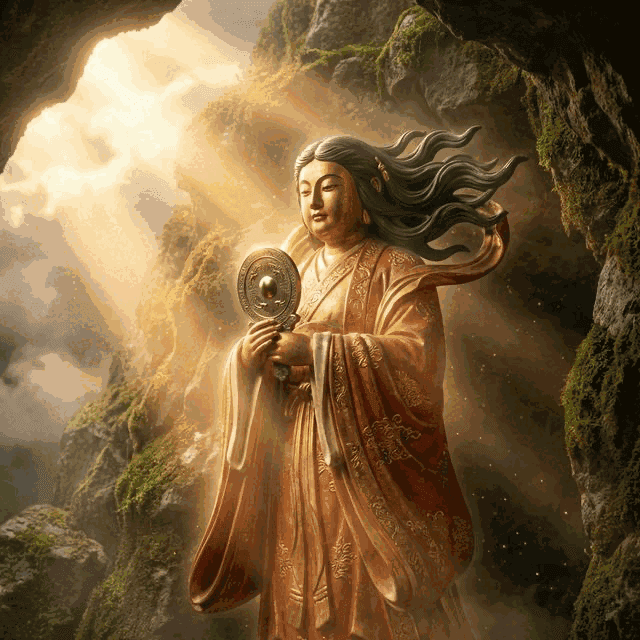
Amaterasu
AmaterasuJapanese
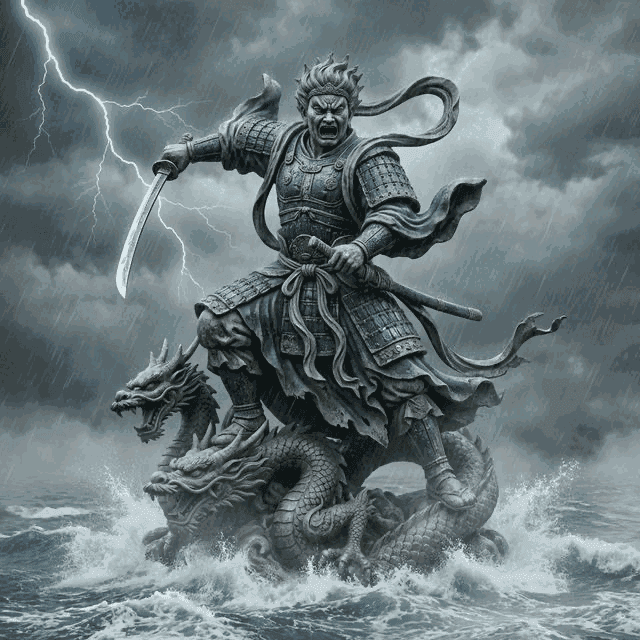
Susanoo
SusanooJapanese

Amaterasu and Susanoo are recorded as siblings in the Japanese Pantheon.

At a glance

Amaterasu and Susanoo compared
AmaterasuSusanoo
TraditionJapanese PantheonJapanese Pantheon
Domainssun, light, universe, agriculture, imperial authoritystorms, sea, chaos, heroism
Symbolsmirror, jewel, sunsword, storm, dragon
Also calledAmaterasu-omikamiSusanoo-no-Mikoto

Where they meet

The atlas records no domain or symbol that Amaterasu and Susanoo share.

They are compared because of how the myths connect them, not because of what they rule.

Where they part

Only Amaterasu

Associated with sun, light, universe, agriculture, and imperial authority.

Only Susanoo

Associated with storms, sea, chaos, and heroism.

How each was worshipped

Amaterasu

Cult sites
Ise Grand Shrine (Naiku), rebuilt on a twenty-year cycle; Atsuta and other shrines holding imperial regalia traditions
Festivals
Kannamesai; Shikinen Sengu (periodic rebuilding)

The mirror, the rice, and the imperial line. Ise is not a tourist temple in origin; it is a restricted house of the sun kami. Offerings of first rice and the rebuilding of the shrine are the cult's time-keeping.

Susanoo

Cult sites
Yasaka Shrine in Kyoto; Hiromine and other Gion-line shrines; Izumo as the wild brother of the sun
Festivals
Gion Matsuri; Susanoo festivals at Yasaka

Storm, sword, and the eight-headed serpent. Gion's month-long parade is plague-exorcism dressed as spectacle. He is worshipped as a settler of chaos, not as a polite rice god.

The two figures

Japanese Pantheon

Amaterasu

Supreme goddess of the sun and universe. Ruler of the High Celestial Plain. Divine ancestor of the Japanese Imperial family. Most important deity in Shinto.

Born from Izanagi's left eye during his purification ritual. She was assigned to rule the heavens. Her grandson Ninigi descended to Earth, becoming ancestor of Japan's emperors.

**Amaterasu-omikami** stands as the most important deity in Shinto, embodying the sun itself and serving as the divine ancestor of Japan's Imperial family. Her name translates to "Great Divinity Illuminating Heaven," reflecting her role as the source of all light and life in the cosmos.

Read the full Amaterasu entry

Japanese Pantheon

Susanoo

God of storms, sea, and chaos. Brother of Amaterasu. Initially wild but later heroic. Famous for slaying the eight-headed dragon Yamata no Orochi.

Born from Izanagi's nose during purification. Exiled from heaven for his violence, he descended to Earth where he became a hero, slaying the dragon Yamata no Orochi.

**Susanoo-no-Mikoto** embodies the raw, untamed power of storms and the sea. Born from Izanagi's nose during his purification ritual, Susanoo was assigned to rule the ocean realm. However, his nature was wild and tempestuous, and his refusal to accept his duties set in motion one of Shinto mythology's most dramatic sagas.

Read the full Susanoo entry
About this comparison

Comparisons pair figures that play a similar role across traditions, or that the myths connect within one. A shared role does not, by itself, establish a shared origin.