Mythos Atlas

Side by sideParallel across traditions

Amaterasu vs Sun-goddess of Arinna

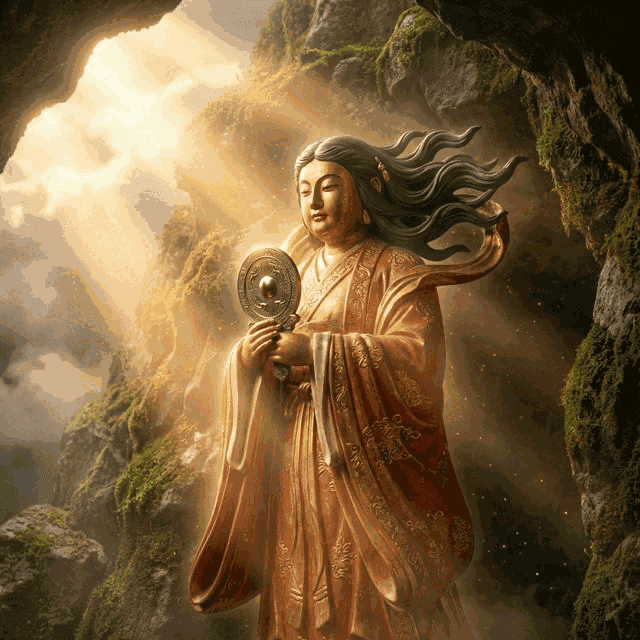
Amaterasu
AmaterasuJapanese
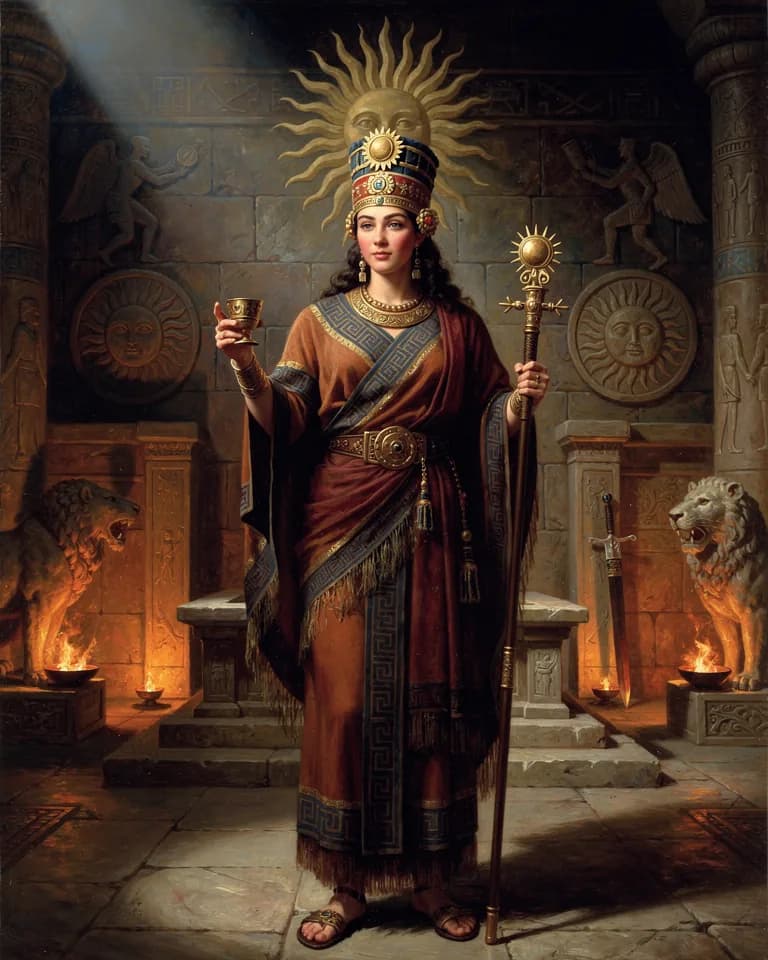
Sun-goddess of Arinna
Sun-goddess of ArinnaHittite

Both are female sun deities at the head of a royal state cult; the traditions are historically unrelated, and the comparison is typological only.

At a glance

Amaterasu and Sun-goddess of Arinna compared
AmaterasuSun-goddess of Arinna
TraditionJapanese PantheonHittite Pantheon
Domainssun, light, universe, agriculture, imperial authoritythe sun, kingship, the protection of the Hittite state
Symbolsmirror, jewel, sunsun disk, the city of Arinna
Also calledAmaterasu-omikamiWurunšemu (Hattian), Arinnitti, Hebat (by royal equation)

Where they meet

The atlas records no domain or symbol that Amaterasu and Sun-goddess of Arinna share.

They are compared for the part each plays in their own tradition rather than for any attribute in common.

Where they part

Only Amaterasu

Associated with sun, light, universe, agriculture, and imperial authority.

Only Sun-goddess of Arinna

Associated with the sun, kingship, and the protection of the hittite state.

How each was worshipped

Amaterasu

Cult sites
Ise Grand Shrine (Naiku), rebuilt on a twenty-year cycle; Atsuta and other shrines holding imperial regalia traditions
Festivals
Kannamesai; Shikinen Sengu (periodic rebuilding)

The mirror, the rice, and the imperial line. Ise is not a tourist temple in origin; it is a restricted house of the sun kami. Offerings of first rice and the rebuilding of the shrine are the cult's time-keeping.

Sun-goddess of Arinna

Cult sites
Temple at Arinna (site unidentified); Great Temple at Hattusa, shared with the Storm-god
Festivals
Royal festival visits to Arinna during the AN.TAḪ.ŠUM spring festival

Kings and queens addressed her in written prayers in times of plague and crisis, and royal journeys to Arinna were part of the great state festivals.

The two figures

Japanese Pantheon

Amaterasu

Supreme goddess of the sun and universe. Ruler of the High Celestial Plain. Divine ancestor of the Japanese Imperial family. Most important deity in Shinto.

Born from Izanagi's left eye during his purification ritual. She was assigned to rule the heavens. Her grandson Ninigi descended to Earth, becoming ancestor of Japan's emperors.

**Amaterasu-omikami** stands as the most important deity in Shinto, embodying the sun itself and serving as the divine ancestor of Japan's Imperial family. Her name translates to "Great Divinity Illuminating Heaven," reflecting her role as the source of all light and life in the cosmos.

Read the full Amaterasu entry

Hittite Pantheon

Sun-goddess of Arinna

The Hattian sun-goddess of the holy city of Arinna, queen of the land of Hatti and, with the Storm-god, the highest deity of the Hittite state cult; Queen Puduhepa's prayer equates her with the Hurrian goddess Hebat.

The Sun-goddess of Arinna was a Hattian deity (her Hattian name was Wurunšemu) whom the Hittite kings made one of the two heads of their state religion. Royal prayers address her as the queen of the land of Hatti, and kings described the land and kingship as belonging to her and the Storm-god, who was regarded as her husband. Her holy city, Arinna, lay within a day's journey of Hattusa, but its site has never been securely identified; this site therefore does not give it a map location.

Read the full Sun-goddess of Arinna entry
About this comparison

Comparisons pair figures that play a similar role across traditions, or that the myths connect within one. A shared role does not, by itself, establish a shared origin.