
Mythos Atlas

Side by sideParallel across traditions

Amaterasu vs Malina (the Sun Woman)

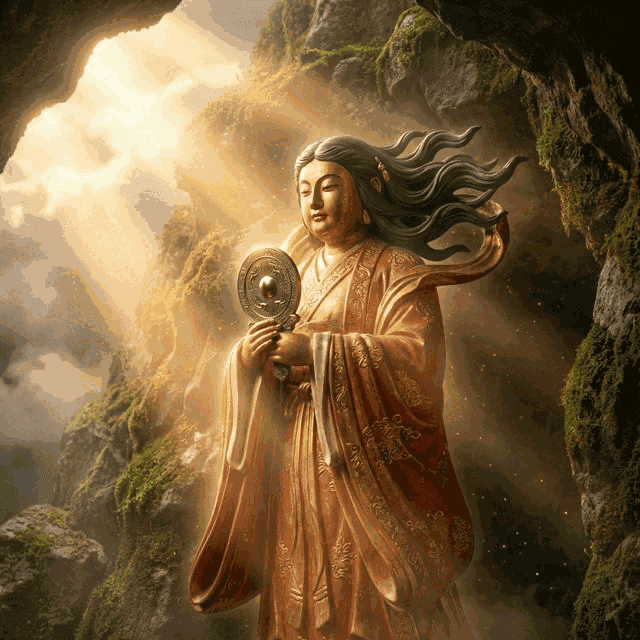
Amaterasu
AmaterasuJapanese
Malina (the Sun Woman)
Malina (the Sun Woman)Inuit

Both are female sun figures separated from a male moon; Amaterasu's separation from Tsukuyomi follows a different story entirely.

At a glance

Amaterasu and Malina (the Sun Woman) compared
AmaterasuMalina (the Sun Woman)
TraditionJapanese PantheonInuit Tradition
Domainssun, light, universe, agriculture, imperial authoritythe sun, light and warmth
Symbolsmirror, jewel, suna blazing torch, hands blackened with soot
Also calledAmaterasu-omikamiSiqiniq (the sun), The Sun Sister

Where they meet

The atlas records no domain or symbol that Amaterasu and Malina (the Sun Woman) share.

They are compared for the part each plays in their own tradition rather than for any attribute in common.

Where they part

Only Amaterasu

Associated with sun, light, universe, agriculture, and imperial authority.

Only Malina (the Sun Woman)

Associated with the sun and light and warmth.

How each was worshipped

Amaterasu

Cult sites
Ise Grand Shrine (Naiku), rebuilt on a twenty-year cycle; Atsuta and other shrines holding imperial regalia traditions
Festivals
Kannamesai; Shikinen Sengu (periodic rebuilding)

The mirror, the rice, and the imperial line. Ise is not a tourist temple in origin; it is a restricted house of the sun kami. Offerings of first rice and the rebuilding of the shrine are the cult's time-keeping.

Malina (the Sun Woman)

This is part of a living tradition. Inuit relationships with these figures today range from continued respect and storytelling to Christian faith that sets older practice aside, and they vary by family and community; this site does not describe angakkuq (shamanic) practice beyond what elders and Inuit-led publishers have chosen to make public.

The two figures

Japanese Pantheon

Amaterasu

Supreme goddess of the sun and universe. Ruler of the High Celestial Plain. Divine ancestor of the Japanese Imperial family. Most important deity in Shinto.

Born from Izanagi's left eye during his purification ritual. She was assigned to rule the heavens. Her grandson Ninigi descended to Earth, becoming ancestor of Japan's emperors.

**Amaterasu-omikami** stands as the most important deity in Shinto, embodying the sun itself and serving as the divine ancestor of Japan's Imperial family. Her name translates to "Great Divinity Illuminating Heaven," reflecting her role as the source of all light and life in the cosmos.

Read the full Amaterasu entry

Inuit Tradition

Malina (the Sun Woman)

The sister who became the sun: when she discovered that the visitor in the dark was her brother, she fled with a burning torch into the sky, and he has pursued her ever since as the moon.

In the widely told Inuit story of the sun and moon, a young woman is visited in the dark by a man she cannot see. To find out who he is, she blackens her hands with soot from the lamp and marks him. When the lamps are lit she sees the marks on her brother. In anger and shame she flees with a burning torch; he follows with his own, but his falls or burns down to embers. Both rise into the sky, where she becomes the sun and he, with his faint light, becomes the moon.

Read the full Malina (the Sun Woman) entry
About this comparison

Comparisons pair figures that play a similar role across traditions, or that the myths connect within one. A shared role does not, by itself, establish a shared origin.