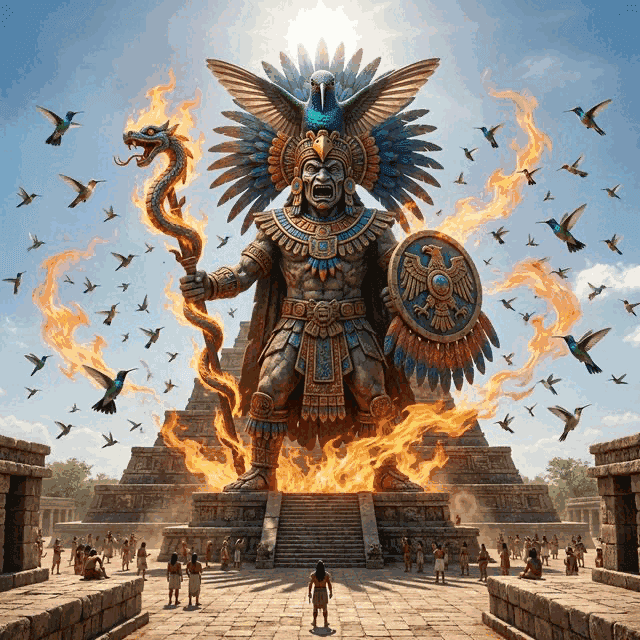
Huitzilopochtli
The patron god of the Aztecs and Tenochtitlan. A solar warrior who requires blood sacrifice to battle the infinite night and keep the sun moving.
Divine domains
19 deities from 16 traditions whose entries in this atlas list sun among their domains, grouped by tradition.
The patron god of the Aztecs and Tenochtitlan. A solar warrior who requires blood sacrifice to battle the infinite night and keep the sun moving.
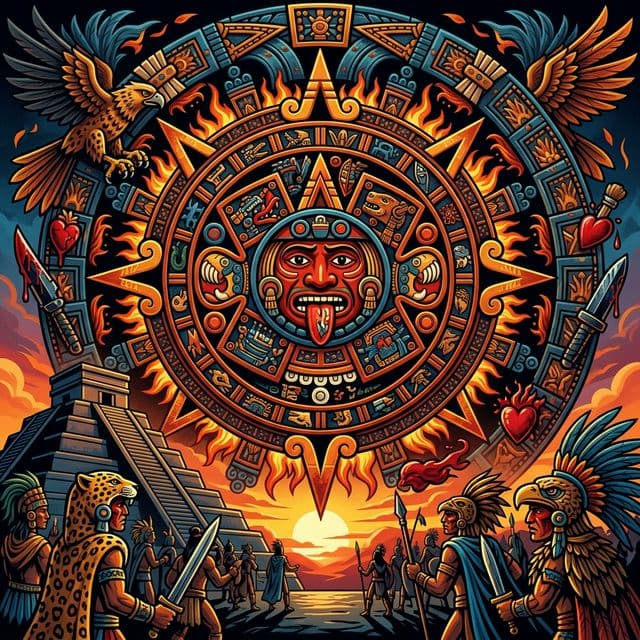
The sun god of the Fifth Sun (the current world age). Tonatiuh demanded human hearts and blood to fuel his daily journey across the sky, driving the Aztec system of ritual sacrifice.
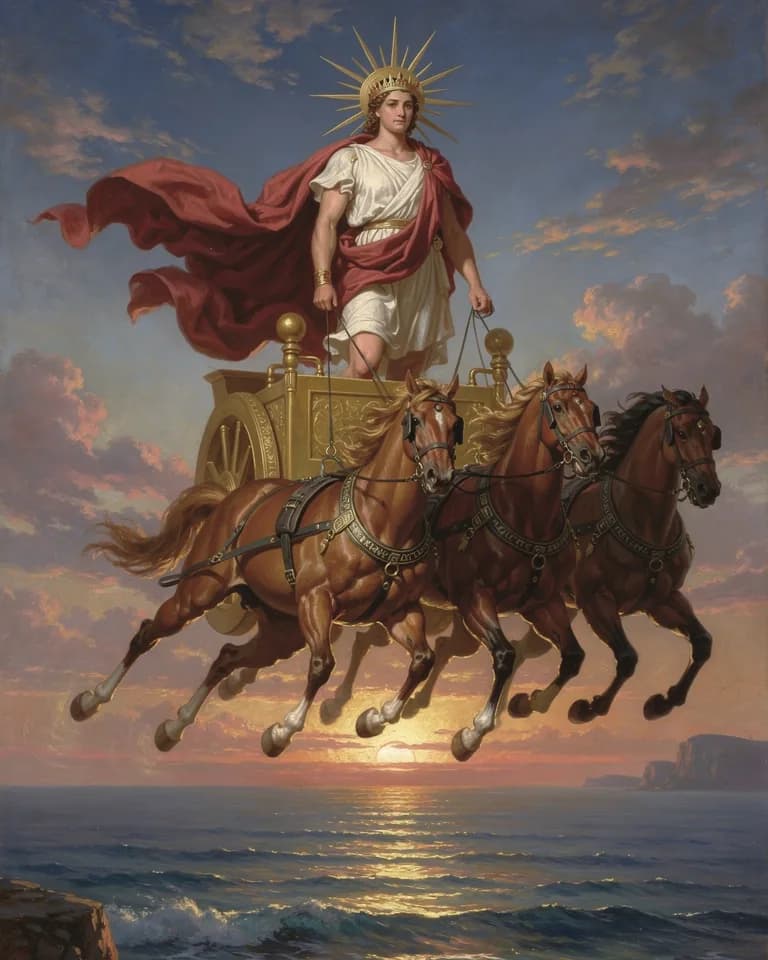
The Titan-born sun who drives his chariot across the sky each day and sees everything beneath it. Son of Hyperion and Theia, brother of Selene (Moon) and Eos (Dawn), Helios is the witness gods and mortals call on because nothing happens outside his gaze.
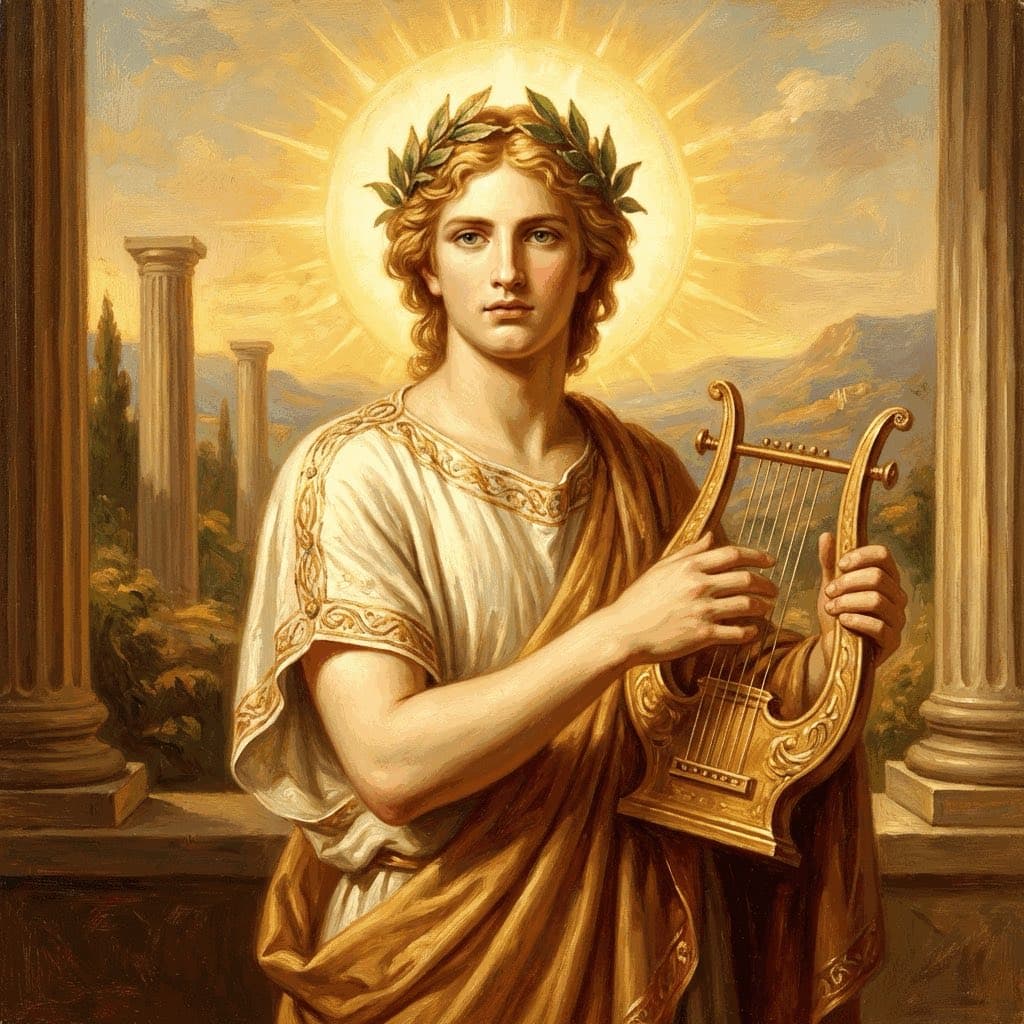
God of sun, music, poetry, prophecy, and healing. Twin brother of Artemis, patron of the Muses and leader of the nine sisters.
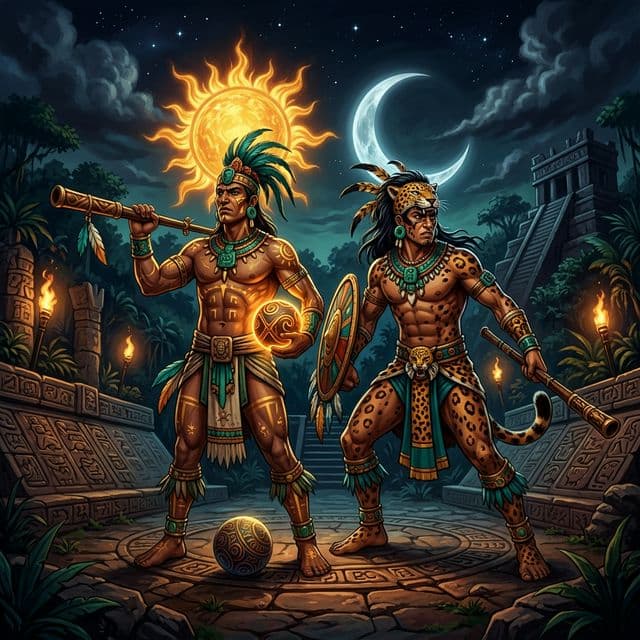
The Hero Twins of Maya mythology, sons of the maize god Hun Hunahpu. Through cleverness and sacrifice, they defeated the lords of death and became the sun and moon.
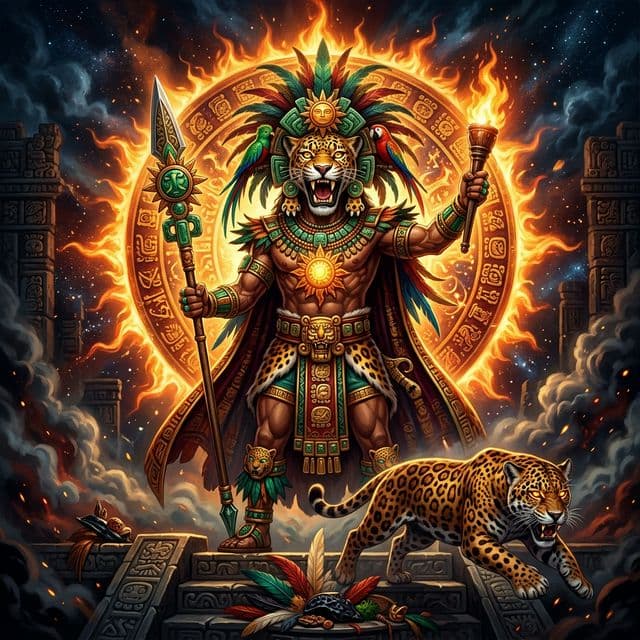
The Maya sun god with large square eyes and jaguar features. Kinich Ahau rules the daytime sky and transforms into the Jaguar God when traveling through the underworld at night.
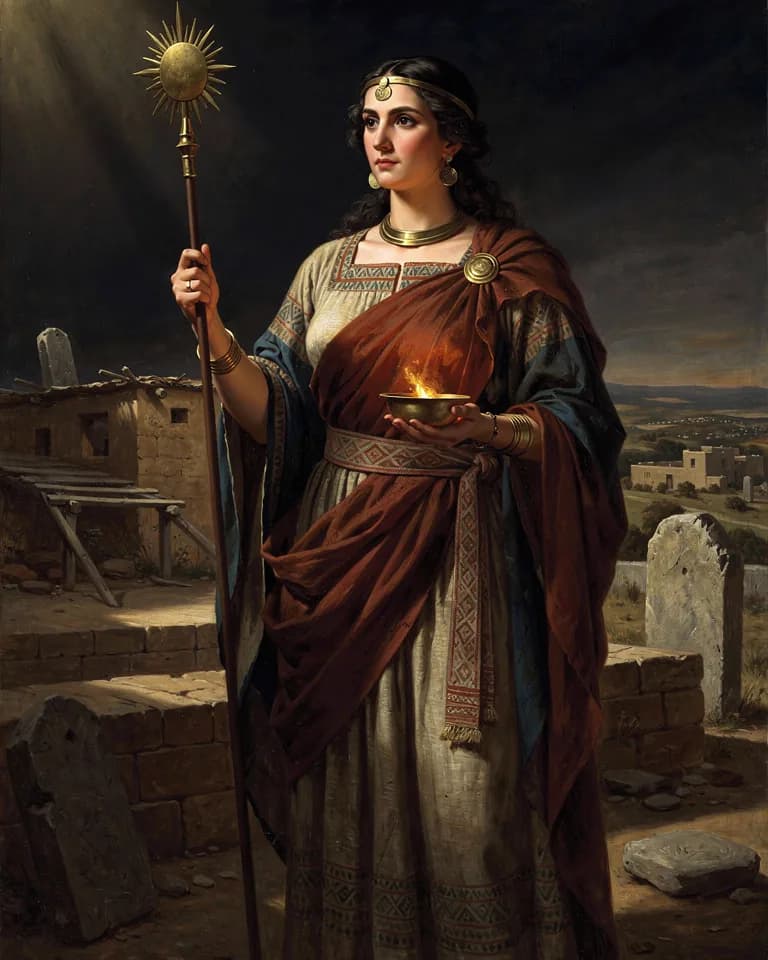
The sun-goddess of Ugarit, 'Torch of the Gods', who sees everything on her daily journey, helps Anat carry Baal's body, searches for him, and warns Mot to yield.
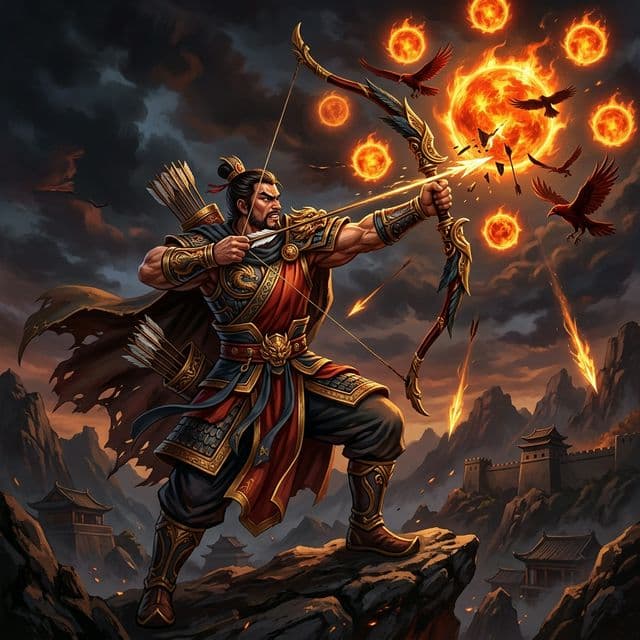
The divine archer who saved the world by shooting down nine of the ten suns. His heroic act brought salvation to humanity but cost him his immortality and eventual separation from his beloved wife Chang'e.

The Sun, who carries the sun across the sky, father of Monster Slayer by Changing Woman; he tests the twins harshly before recognising them as his sons and giving them lightning weapons.
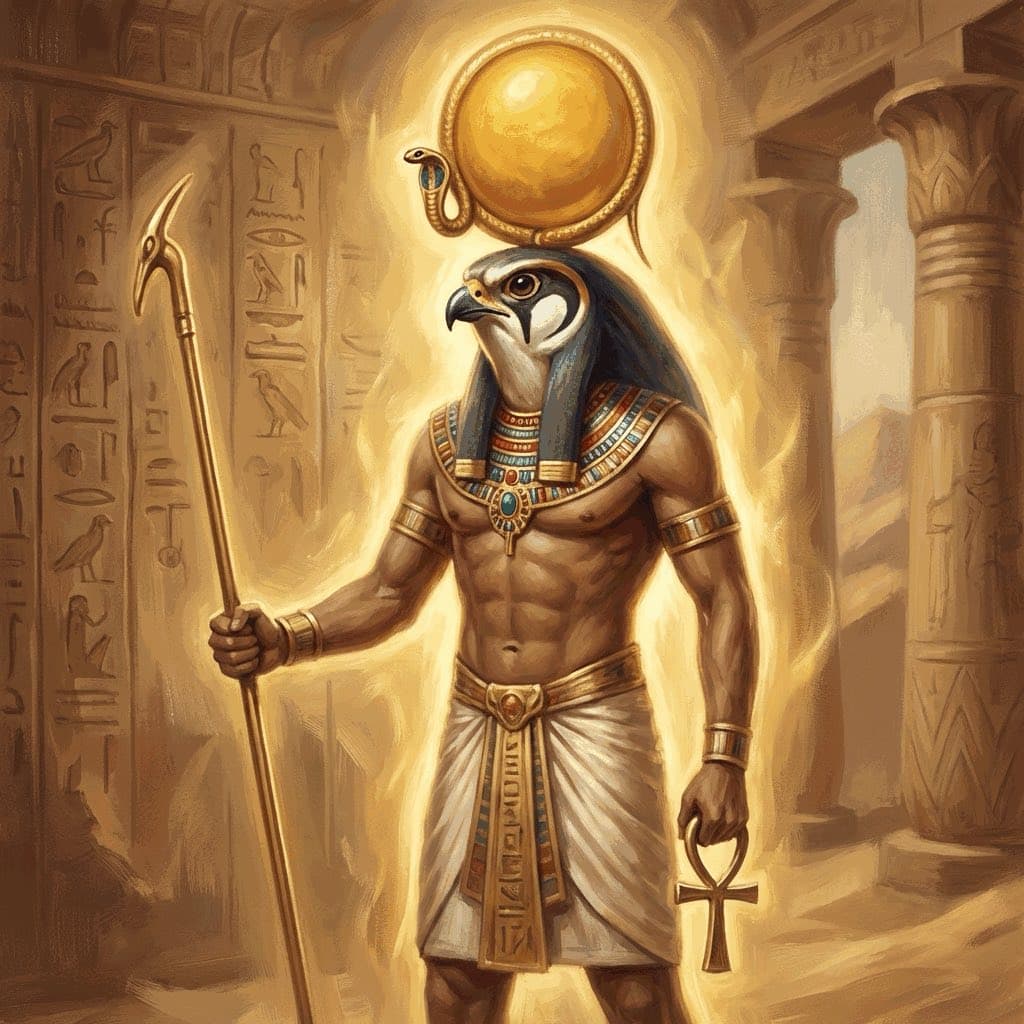
The supreme solar deity and creator god. Ra travels across the sky each day in his solar barque and through the underworld each night, battling the serpent Apophis.
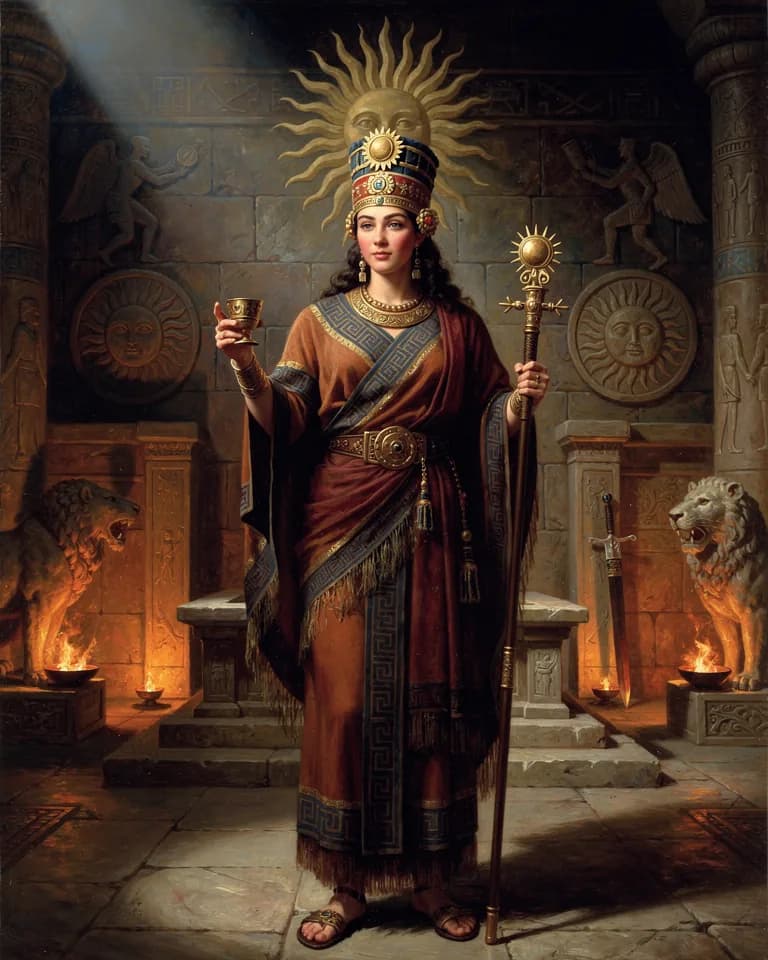
The Hattian sun-goddess of the holy city of Arinna, queen of the land of Hatti and, with the Storm-god, the highest deity of the Hittite state cult; Queen Puduhepa's prayer equates her with the Hurrian goddess Hebat.
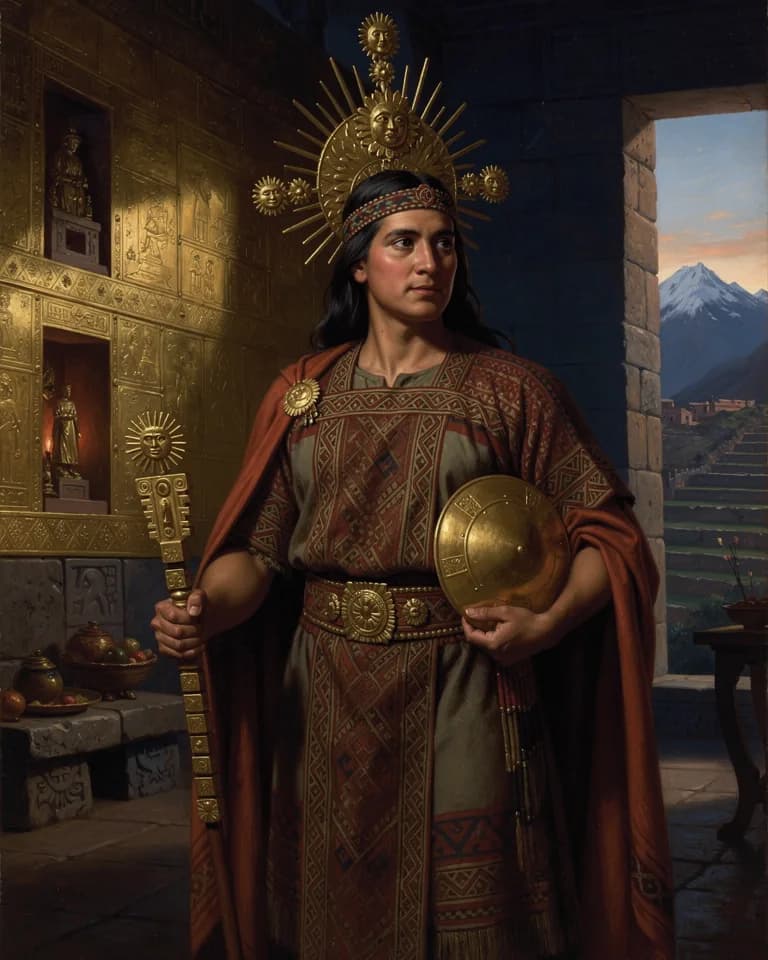
The Sun, divine ancestor of the Inca kings and center of the state cult, worshipped in the gold-sheathed Coricancha of Cusco and at the June solstice festival of Inti Raymi.

The sister who became the sun: when she discovered that the visitor in the dark was her brother, she fled with a burning torch into the sky, and he has pursued her ever since as the moon.
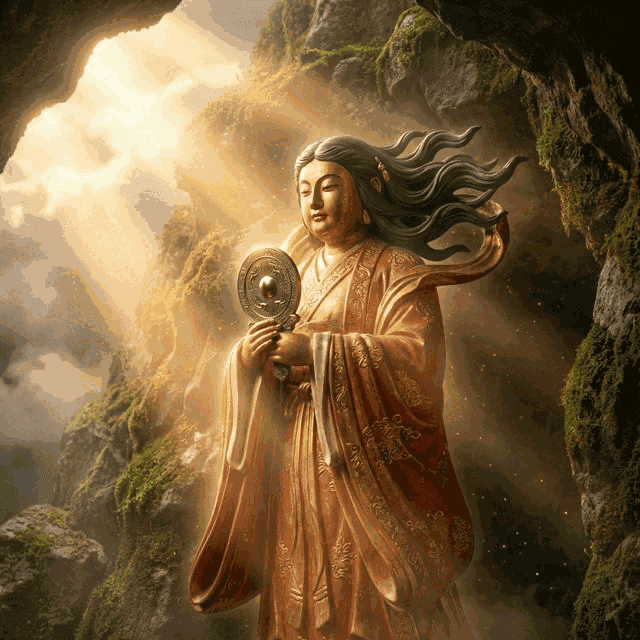
Supreme goddess of the sun and universe. Ruler of the High Celestial Plain. Divine ancestor of the Japanese Imperial family. Most important deity in Shinto.
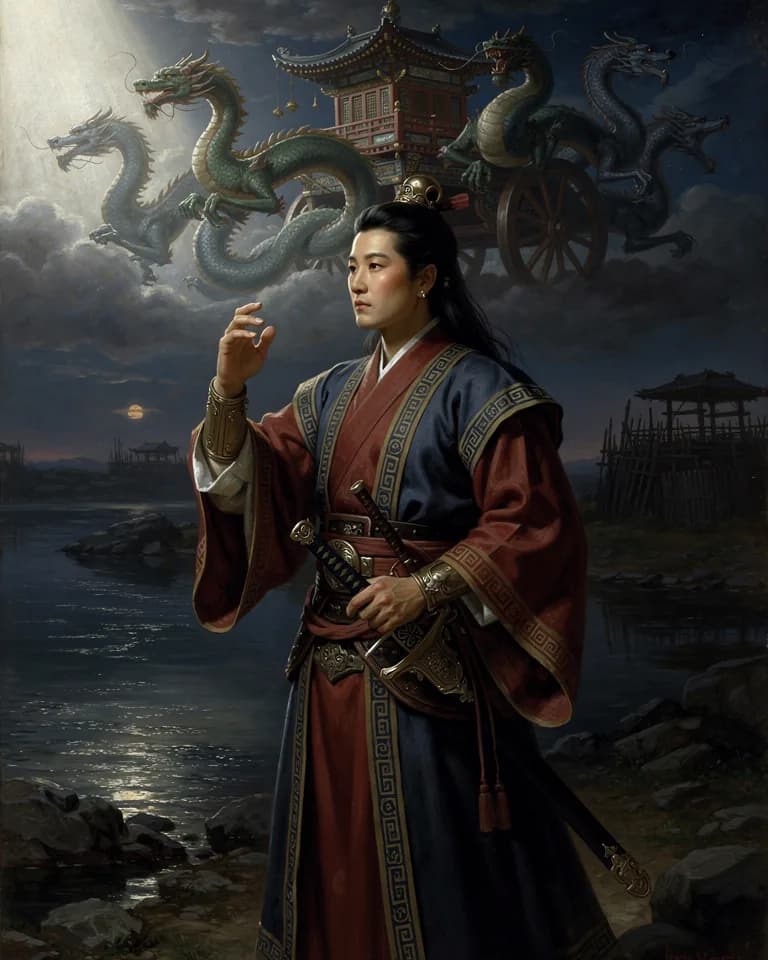
The Son of Heaven who descends in a five-dragon chariot, seduces Yuhwa, daughter of the River Earl, by the Amnok (Yalu) River, and becomes the father of Jumong, founder of Goguryeo.
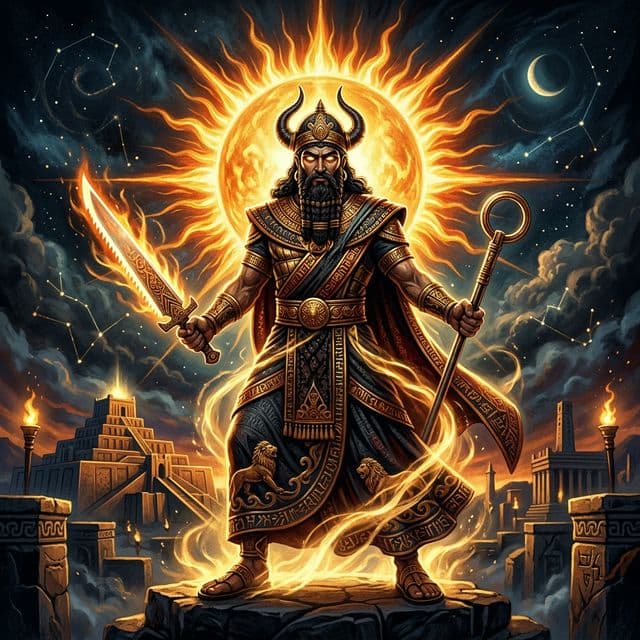
The sun god and divine judge. Shamash sees all that occurs under the sun and is the god of justice, truth, and moral order.
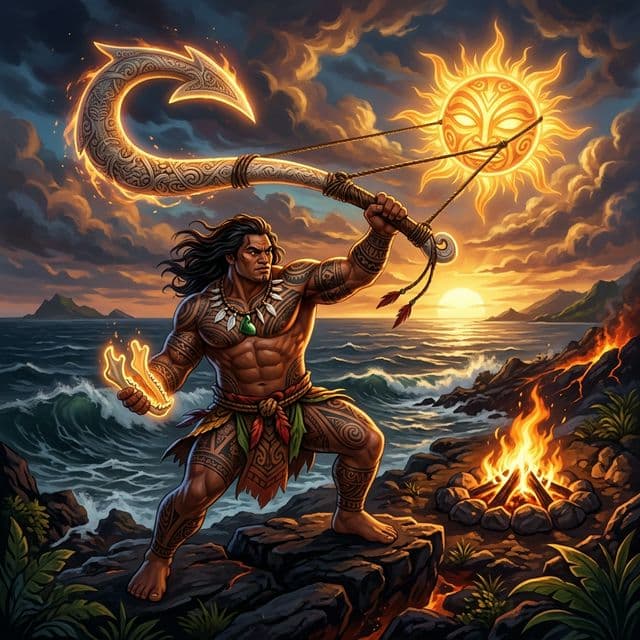
The legendary trickster demigod and culture hero of Polynesian mythology. Maui is credited with fishing up islands, slowing the sun, stealing fire for humanity, and attempting to conquer death itself.
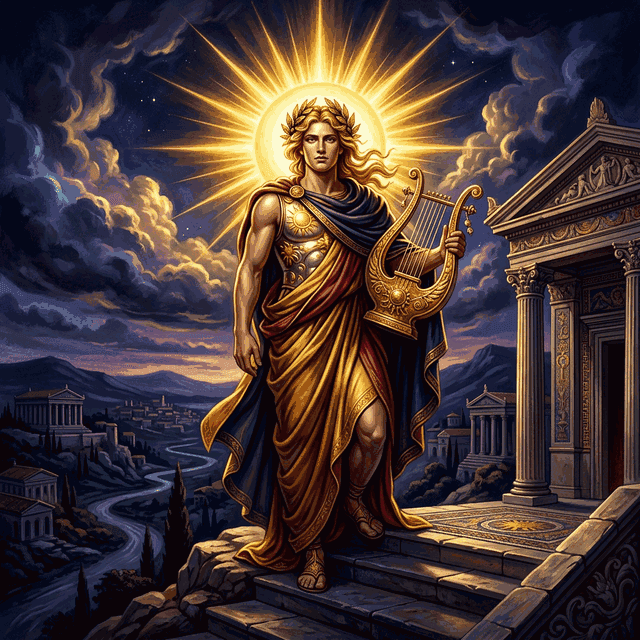
God of the sun, music, poetry, prophecy, healing, and archery. One of the few gods whose name remained unchanged from Greek to Roman. Patron of the Sibylline Books and protector of Augustus.
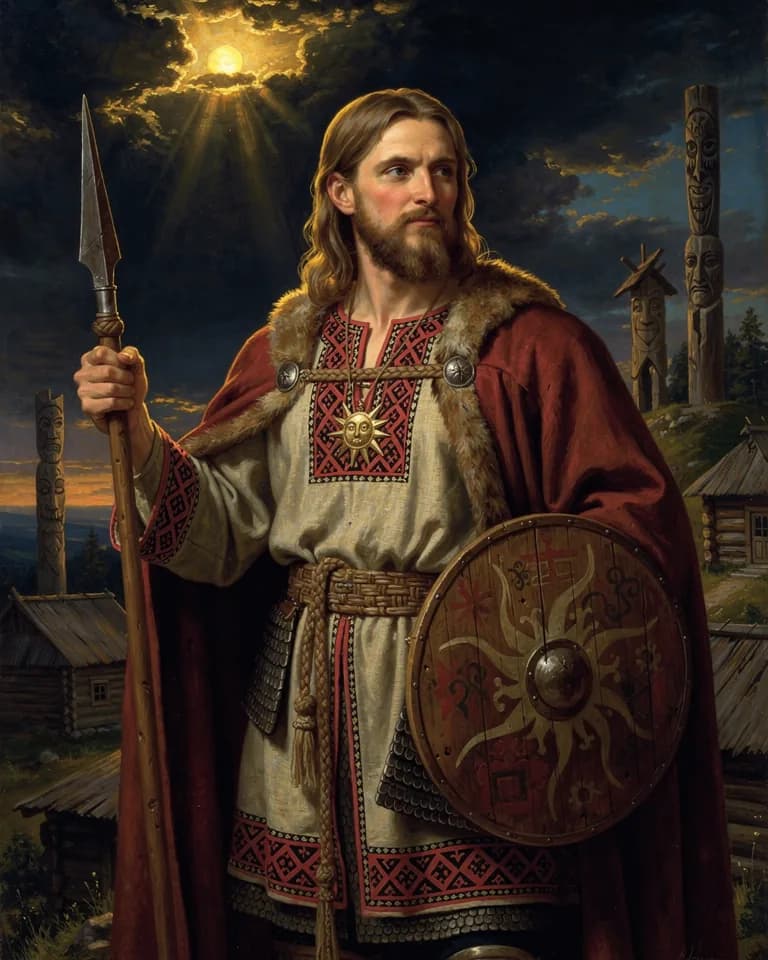
A sun-and-fortune god among Vladimir's 980 idols, called "son of Svarog" in a separate chronicle gloss and invoked as ancestor of the Rus' people in the medieval epic poem the Tale of Igor's Campaign.
Editorial comparisons recorded on these entries; a shared role does not establish a shared origin.
Apollo (Greek) and Apollo (Roman)
Apollo is one of the few deities whose name remained unchanged in Roman religion, retaining all his Greek attributes
Compare Apollo and ApolloApollo (Greek) and Ra (Egyptian)
Both are solar deities associated with light, truth, and cosmic order, though Ra is the supreme creator in Egyptian myth
Compare Apollo and RaRa (Egyptian) and Shamash (Mesopotamian)
Shamash already lists Ra; both are sun gods associated with truth, order, and justice
Compare Ra and ShamashAmaterasu (Japanese) and Ra (Egyptian)
Both are the supreme sun deity and the mythological ancestor/source of legitimate kingship in their culture
Compare Amaterasu and RaTonatiuh (Aztec) and Ra (Egyptian)
Both are sun gods who traverse the sky daily and require worship to sustain their journey
Compare Tonatiuh and RaTonatiuh (Aztec) and Helios (Greek)
Both are personifications of the sun who travel across the sky
Compare Tonatiuh and HeliosHou Yi (Chinese) and Apollo (Greek)
Both are divine archers associated with the sun, though Apollo drives the sun while Hou Yi shot them down
Compare Hou Yi and ApolloShamash (Mesopotamian) and Apollo (Greek)
Both are sun gods associated with truth and prophecy
Compare Shamash and ApolloKinich Ahau (Mesoamerican) and Ra (Egyptian)
Both are sun gods who journey through the underworld at night
Compare Kinich Ahau and RaKinich Ahau (Mesoamerican) and Apollo (Greek)
Both embody the sun and are associated with kingship
Compare Kinich Ahau and ApolloHelios (Greek) and Ra (Egyptian)
Both cross the sky daily, though Ra is a creator and king of the gods while Helios is a subordinate Titan-born power
Compare Helios and RaHelios (Greek) and Shamash (Mesopotamian)
Both sun gods see everything on their daily course and are invoked as witnesses of oaths and justice
Compare Helios and ShamashSun-goddess of Arinna (Hittite) and Amaterasu (Japanese)
Both are female sun deities at the head of a royal state cult; the traditions are historically unrelated, and the comparison is typological only.
Compare Sun-goddess of Arinna and AmaterasuShapash (Canaanite) and Sun-goddess of Arinna (Hittite)
Both are female sun deities in Late Bronze Age pantheons that also knew a sun passing through the underworld; they belong to different traditions.
Compare Shapash and Sun-goddess of ArinnaMalina (the Sun Woman) (Inuit) and Amaterasu (Japanese)
Both are female sun figures separated from a male moon; Amaterasu's separation from Tsukuyomi follows a different story entirely.
Compare Malina (the Sun Woman) and AmaterasuInti (Inca and Andean) and Amaterasu (Japanese)
Both are sun deities claimed as the direct ancestor of a ruling dynasty (the Sapa Inca as 'son of the Sun'; the Japanese imperial line as descendants of Amaterasu), with the ruler serving as the sun's chief priest.
Compare Inti and AmaterasuInti (Inca and Andean) and Tonatiuh (Aztec)
Both are sun gods at the center of an expanding American state's official cult, though Inti's role as royal ancestor has no close Mexica equivalent.
Compare Inti and TonatiuhBuilt from each deity's catalog entry (matching “sun”, “the sun”). See every domain side by side on Divine Domains, or browse every cross-pantheon parallel.