Nuada Airgetlám
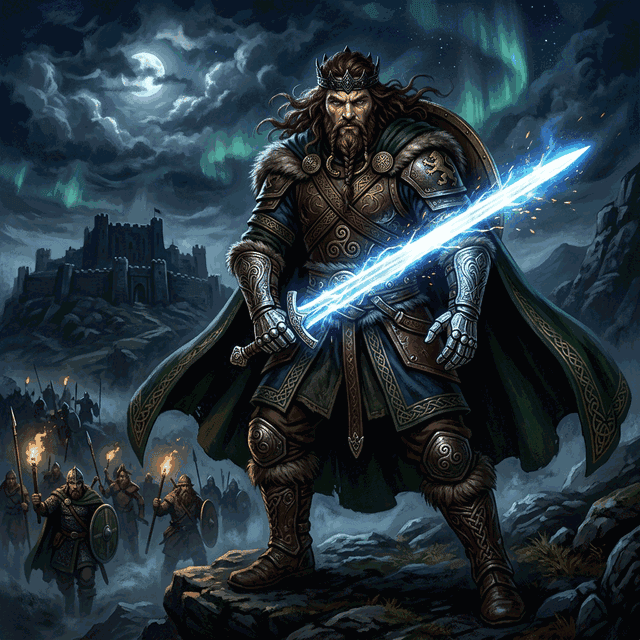
The first king of the Tuatha Dé Danann, who lost his arm in battle and his throne with it—until Dian Cécht forged him a working hand of silver.
Divine domains
35 deities from 18 traditions whose entries in this atlas list war among their domains, grouped by tradition.
The first king of the Tuatha Dé Danann, who lost his arm in battle and his throne with it—until Dian Cécht forged him a working hand of silver.
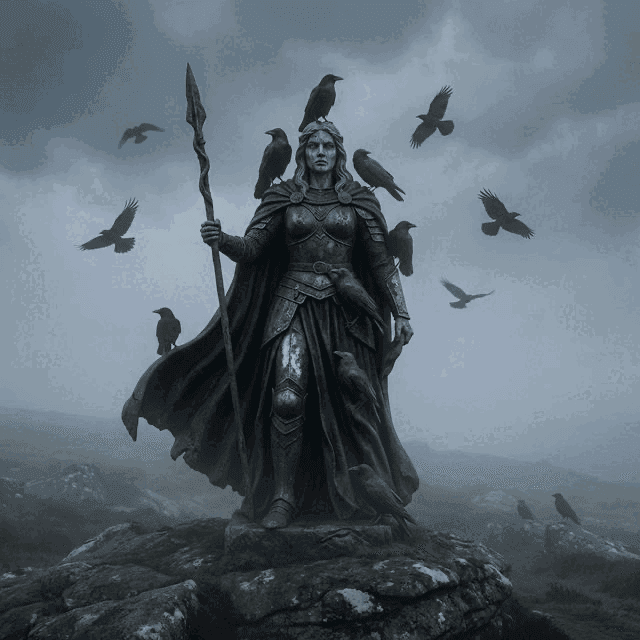
A shapeshifting goddess of war and fate, often appearing as a crow to foretell doom or victory. She represents the terrifying power of sovereignty.
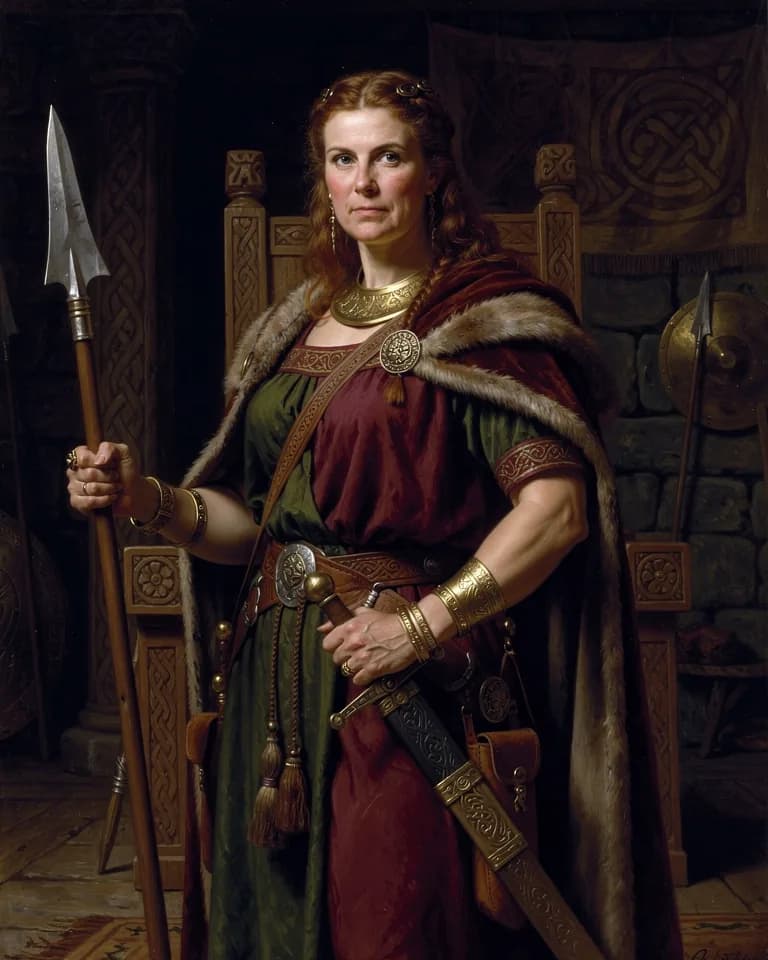
Legendary queen of Connacht and central figure of the Táin Bó Cúailnge, whose war to seize the bull Donn Cúailnge drives the great epic of the Ulster Cycle. Medb is presented in the medieval texts as a formidable human queen, though many scholars read her as preserving the traces of an earlier sovereignty goddess.
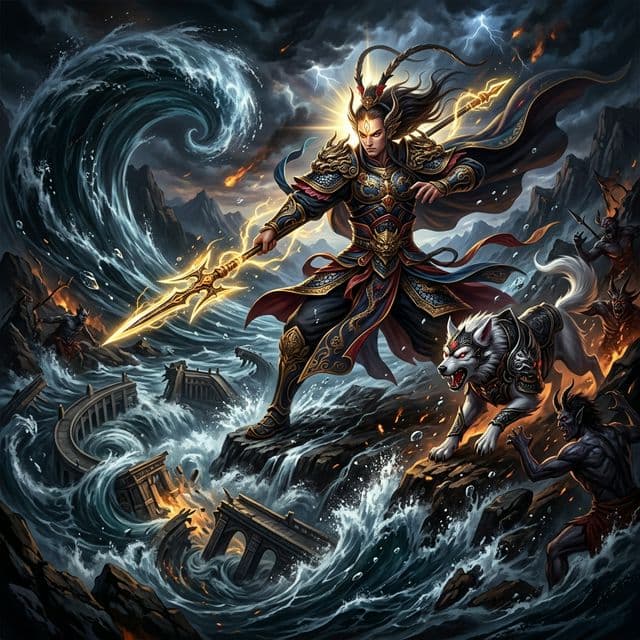
A powerful warrior god with a truth-seeing third eye, nephew of the Jade Emperor. He is famed for defeating Sun Wukong in combat and for controlling floods.
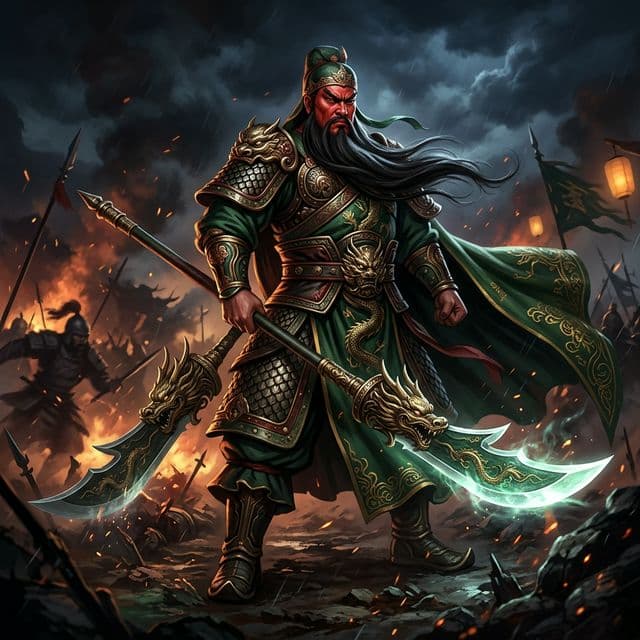
A deified historical general from the Three Kingdoms period, worshipped as the God of War and patron of righteousness, loyalty, and brotherhood. His red face symbolizes his intense devotion to honor.
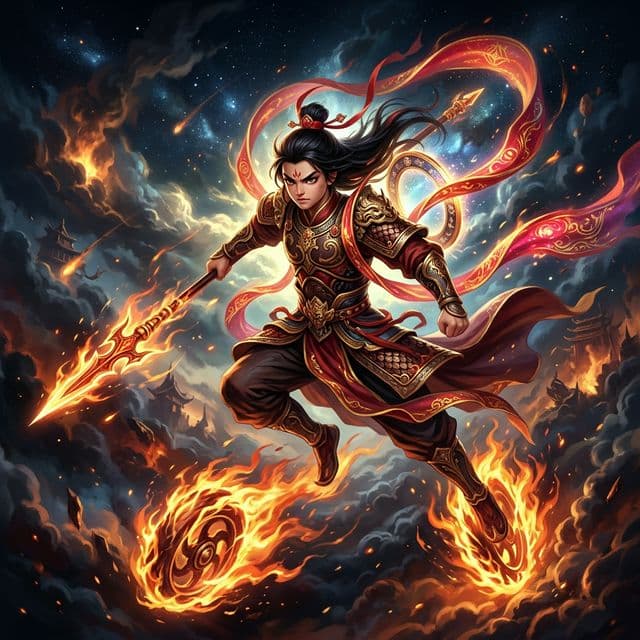
A fierce child warrior deity born after three years and six months of pregnancy. He killed a dragon prince, defied his father, and was reborn from lotus flowers to become one of Heaven's greatest warriors.
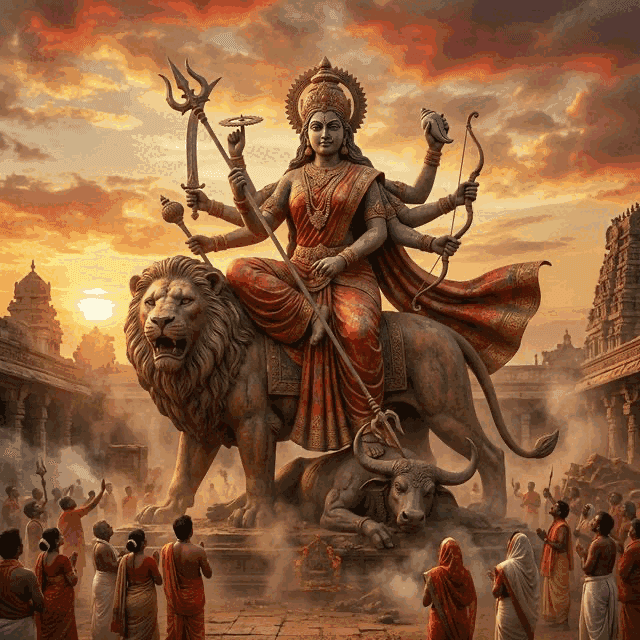
Fierce warrior goddess and protector of dharma. Form of Parvati who slayed the buffalo demon Mahishasura. Depicted riding a lion or tiger with multiple arms wielding divine weapons.
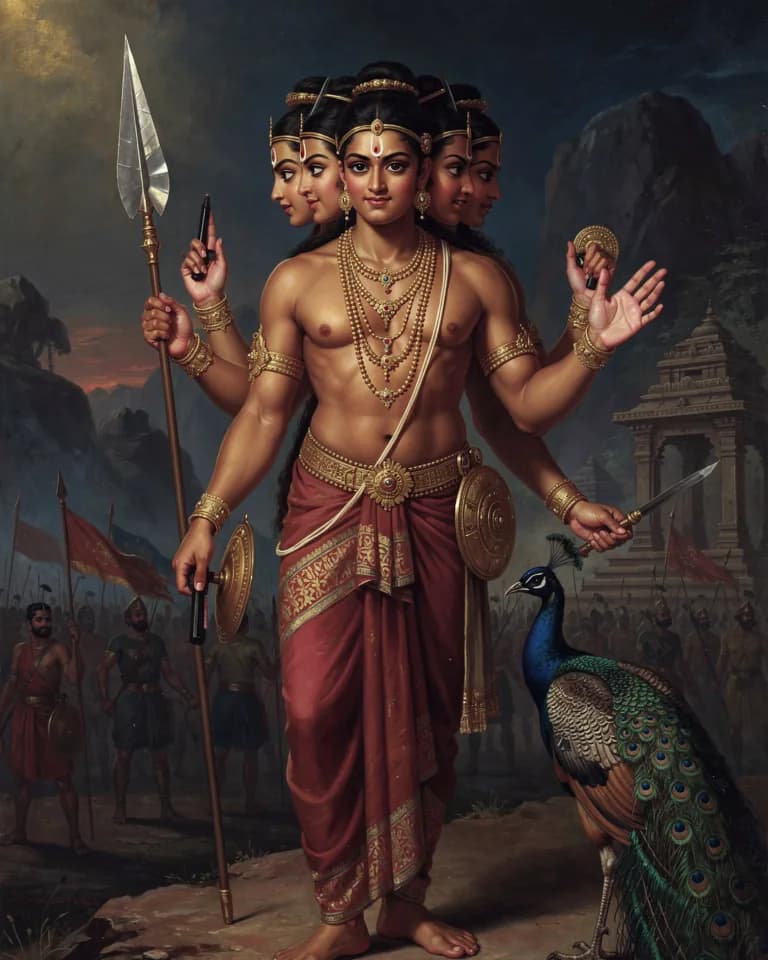
The god of war and commander of the gods' army, son of Shiva, born to destroy the demon Taraka. Raised by the six Krittikas (the Pleiades), he is often shown with six faces; in the Tamil south he is worshipped as Murugan, one of the most beloved gods of the region.
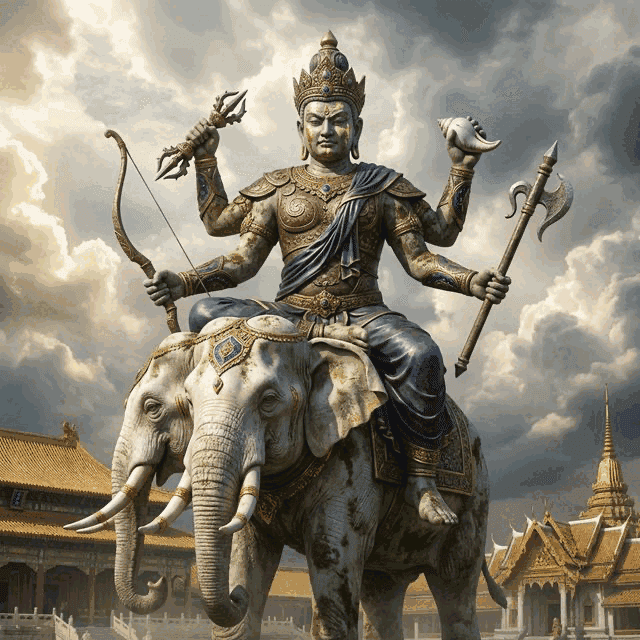
King of the gods (Devas) and lord of heaven (Svarga). God of thunder, rain, and war. Slayer of the dragon Vritra. Rides the white elephant Airavata.
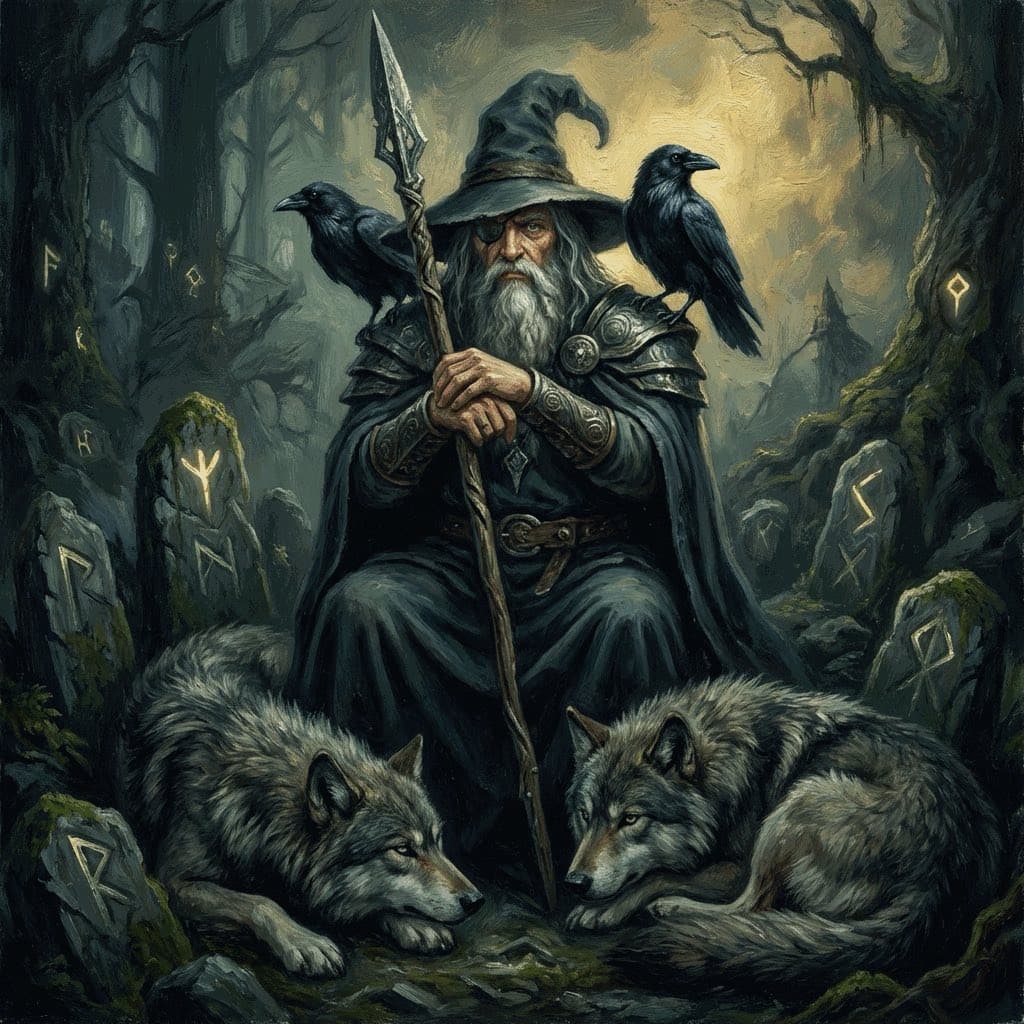
King of the Aesir and god of wisdom, war, and death. Odin sacrificed his eye at Mimir's well for wisdom and hung himself on Yggdrasil for nine days to learn the runes.
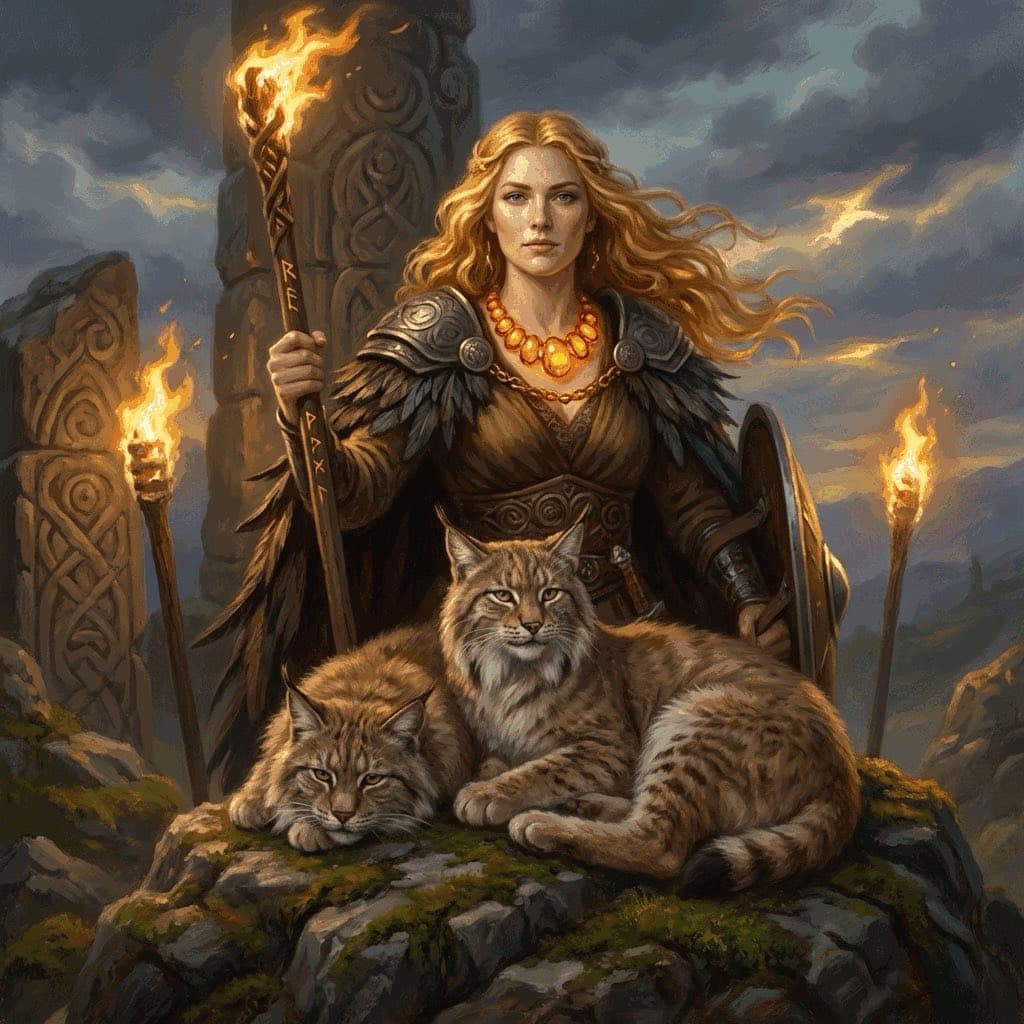
Most renowned of the Vanir, goddess of love, beauty, and fertility, but also associated with war and death. She receives half of those who die in battle in her hall Folkvangr.
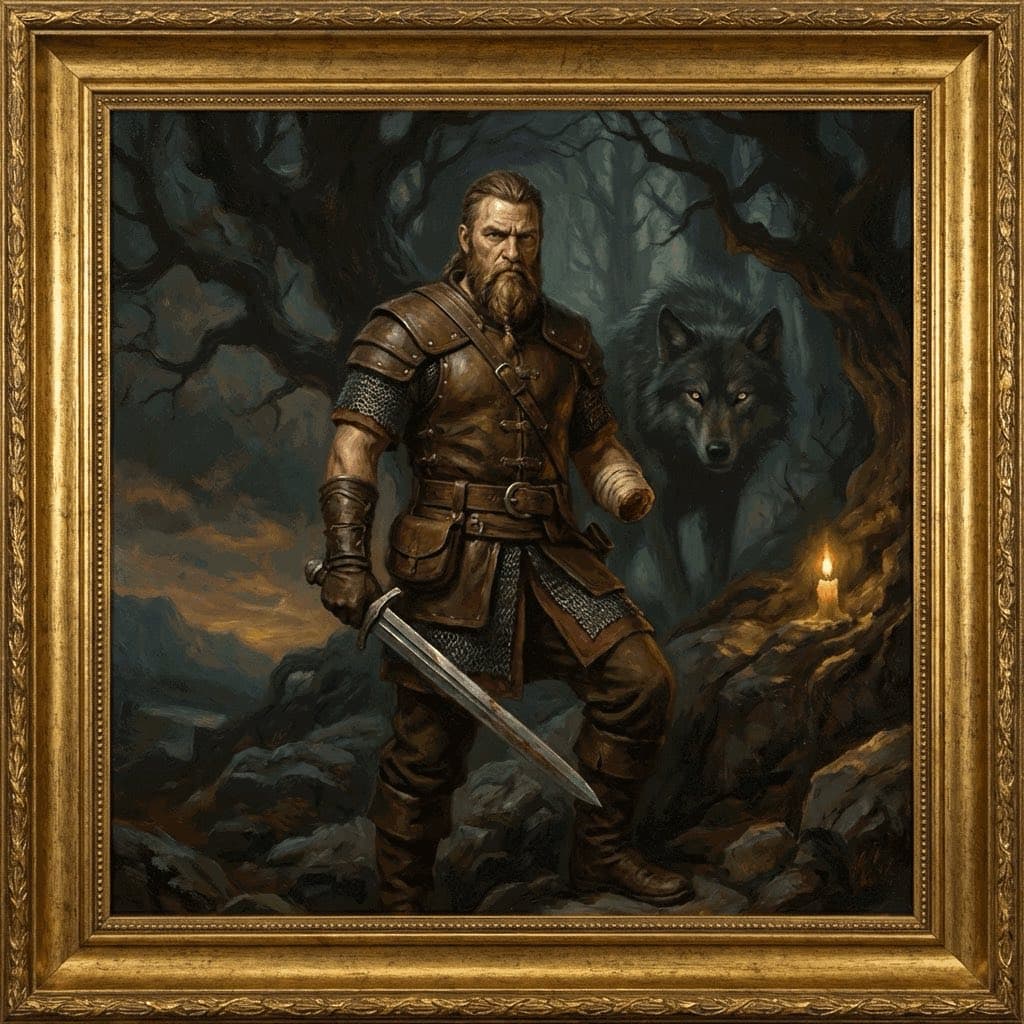
God of war, justice, and law. Bravest of the gods. Sacrificed his right hand to bind the wolf Fenrir, demonstrating his courage and willingness to uphold cosmic order.
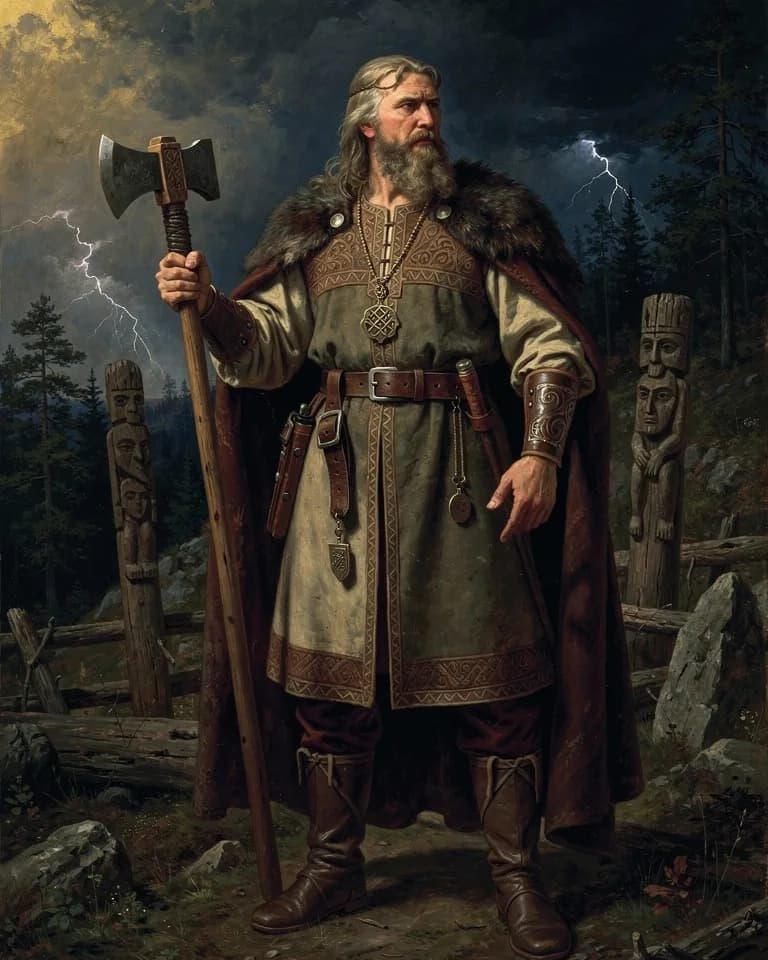
The thunder god of the Kievan Rus', sworn by in treaties and installed at the head of Prince Vladimir's official pantheon in 980 before Vladimir himself had his idol destroyed in 988.
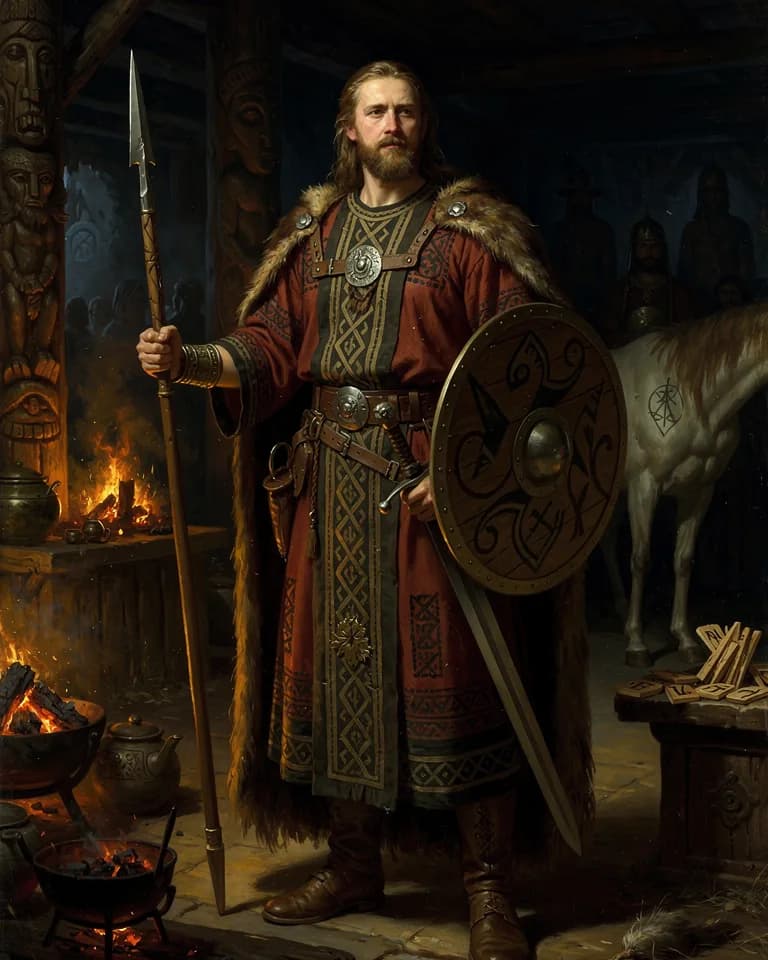
The chief god of the West Slavic Redarii, worshipped at a temple in Riedegost and consulted before war through the movements of a sacred horse and lots, known from a German bishop's firsthand account.
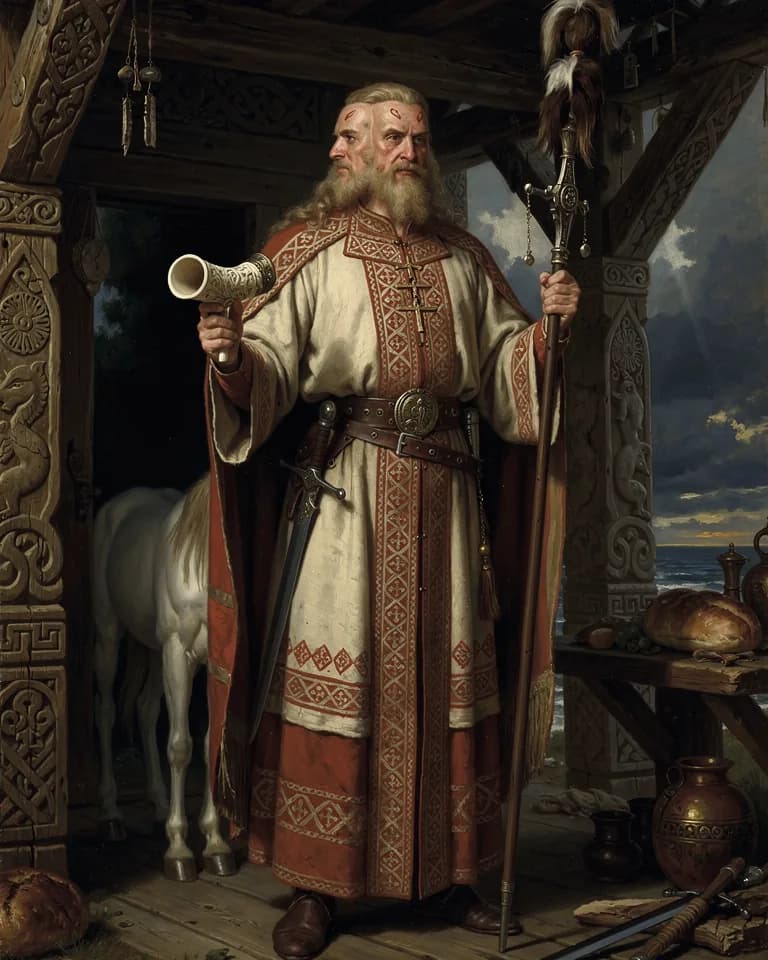
The four-faced war and oracle god of the Rani on the island of Rügen, whose temple at Cape Arkona was the last great pagan shrine on the Baltic coast until the Danes destroyed it in 1168.
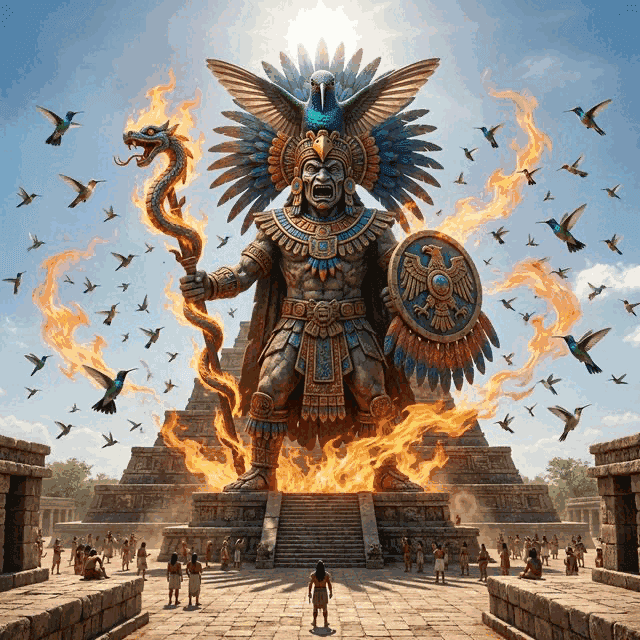
The patron god of the Aztecs and Tenochtitlan. A solar warrior who requires blood sacrifice to battle the infinite night and keep the sun moving.
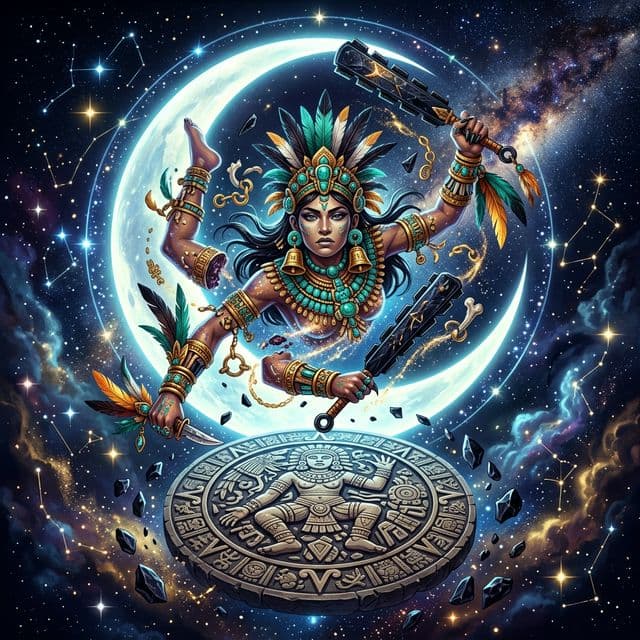
The moon goddess, daughter of Coatlicue and leader of the 400 stars. Coyolxauhqui was slain and dismembered by her brother Huitzilopochtli at his miraculous birth, her defeat reenacted at every sunrise.
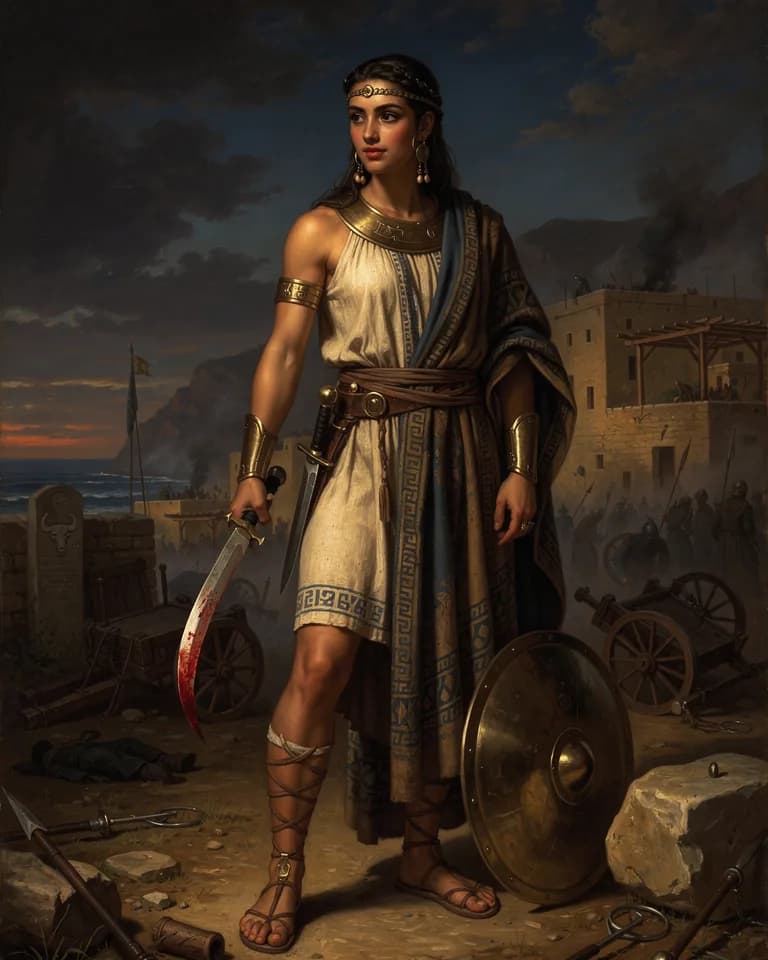
The young warrior goddess of Ugarit, Baal's sister and fiercest ally, who wades through battle, bullies El into granting Baal a palace, finds Baal's body, and destroys Mot.
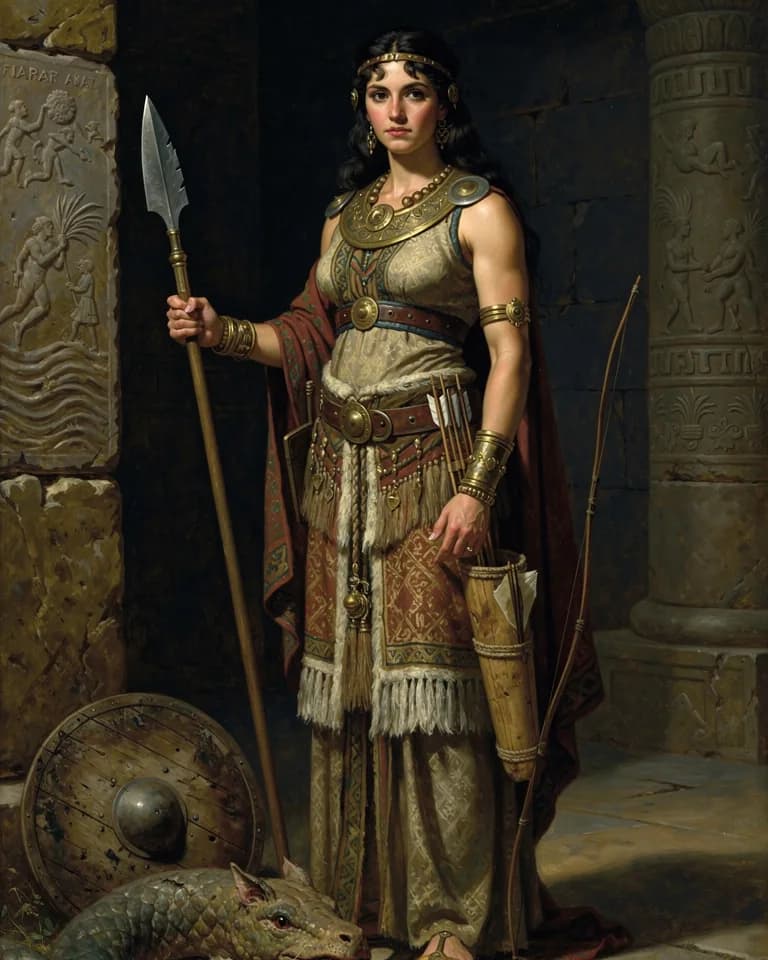
A warrior and hunting goddess who, with Anat, holds Baal back from attacking Yam's messengers and then urges him to finish Yam off; better known in later centuries as the Phoenician Astarte.
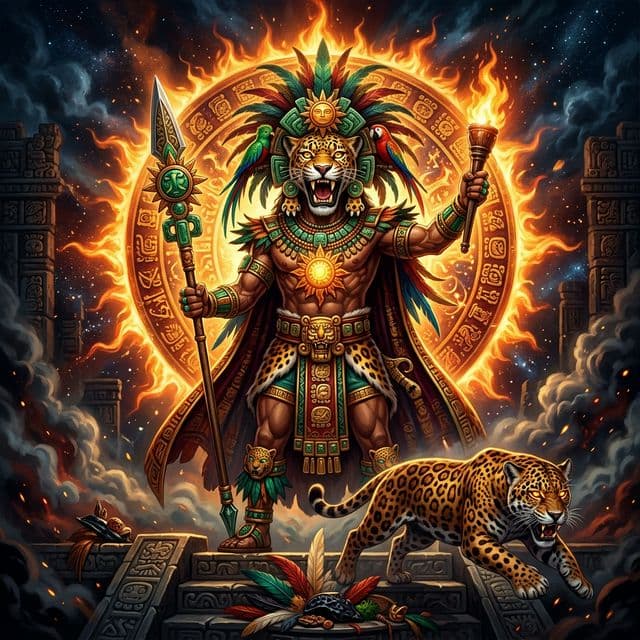
The Maya sun god with large square eyes and jaguar features. Kinich Ahau rules the daytime sky and transforms into the Jaguar God when traveling through the underworld at night.
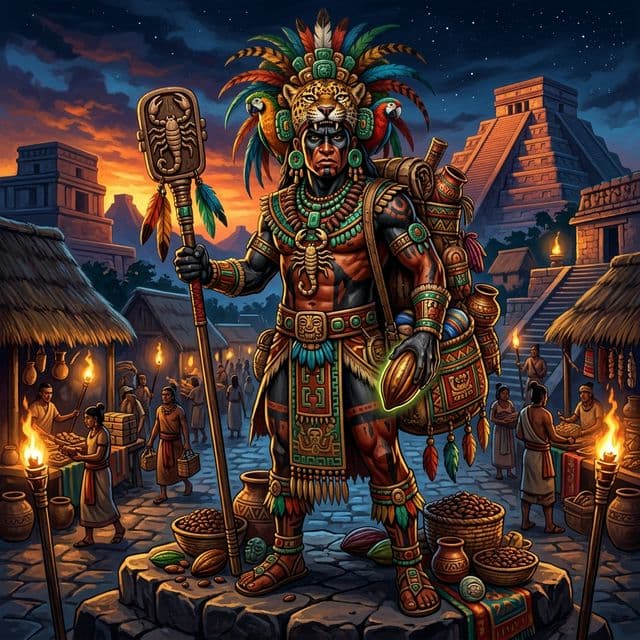
The black-faced Maya god of merchants, cacao, and traveling traders. Ek Chuaj protects those who journey along trade routes and blesses the cultivation of sacred cacao.
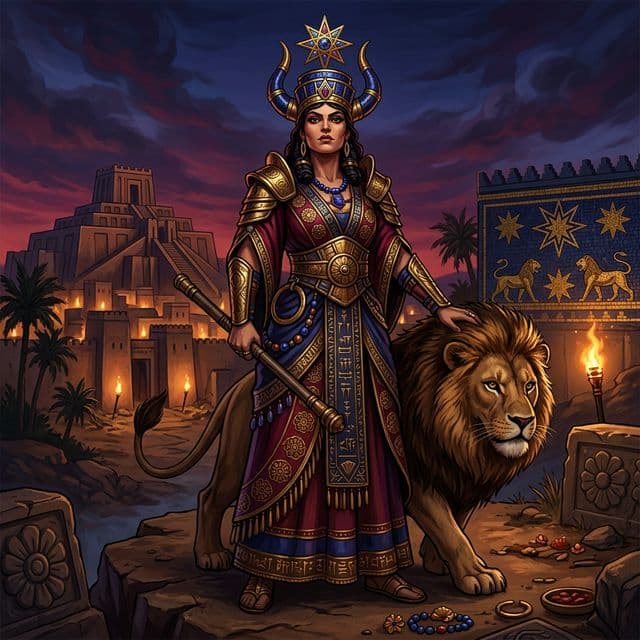
Queen of Heaven and goddess of love and war. Inanna is the most complex and dynamic deity of the Mesopotamian pantheon, embodying both desire and destruction.
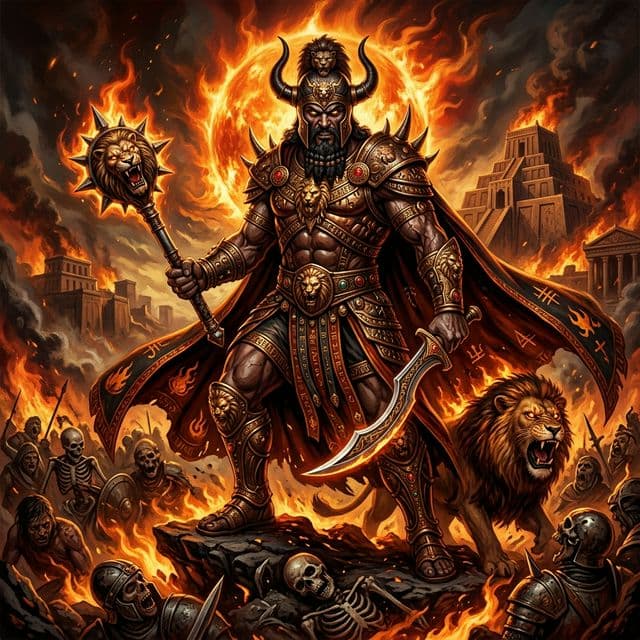
God of war, plague, and the destructive aspects of the sun. Nergal embodies death in its violent forms and co-rules the underworld with his wife Ereshkigal.
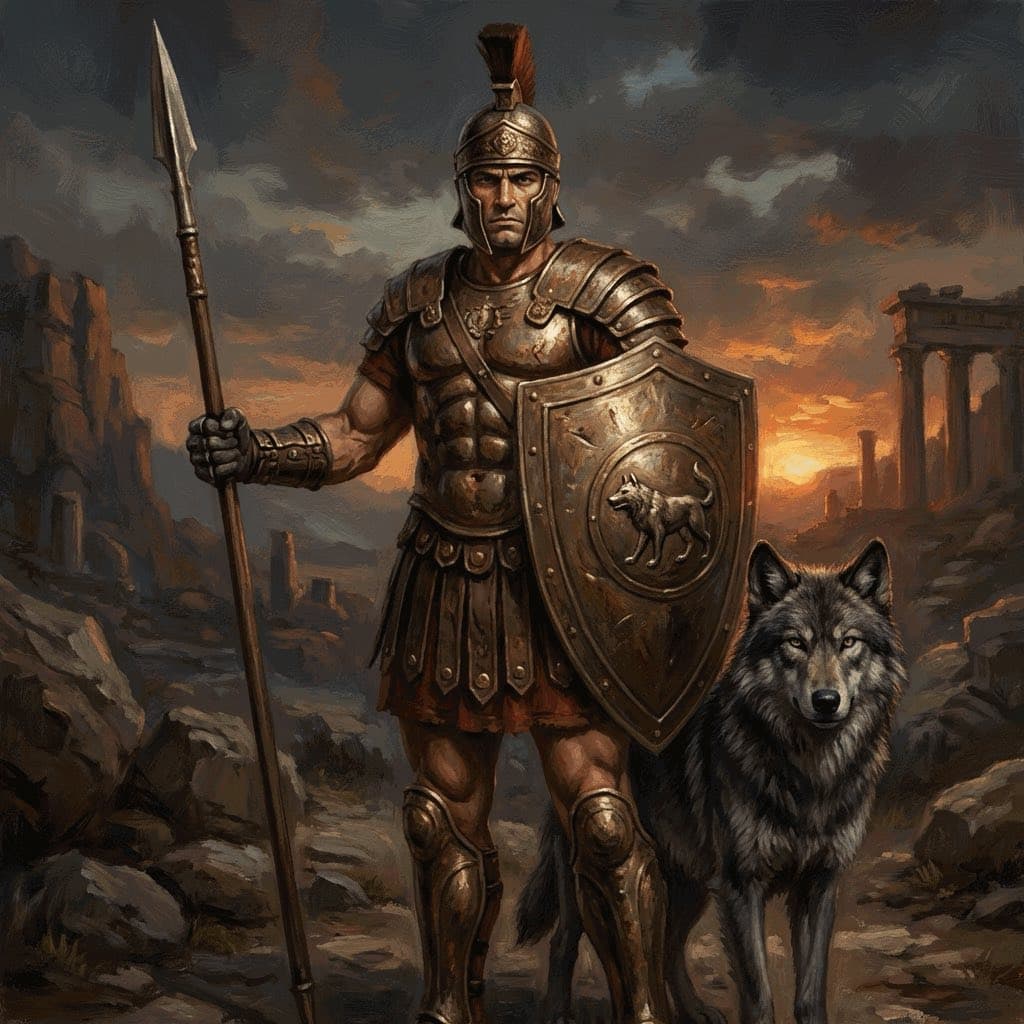
God of war and guardian of Rome. More prominent in Roman religion than his Greek counterpart Ares, Mars was also a god of agriculture and fertility. Father of Romulus and Remus, legendary founders of Rome.
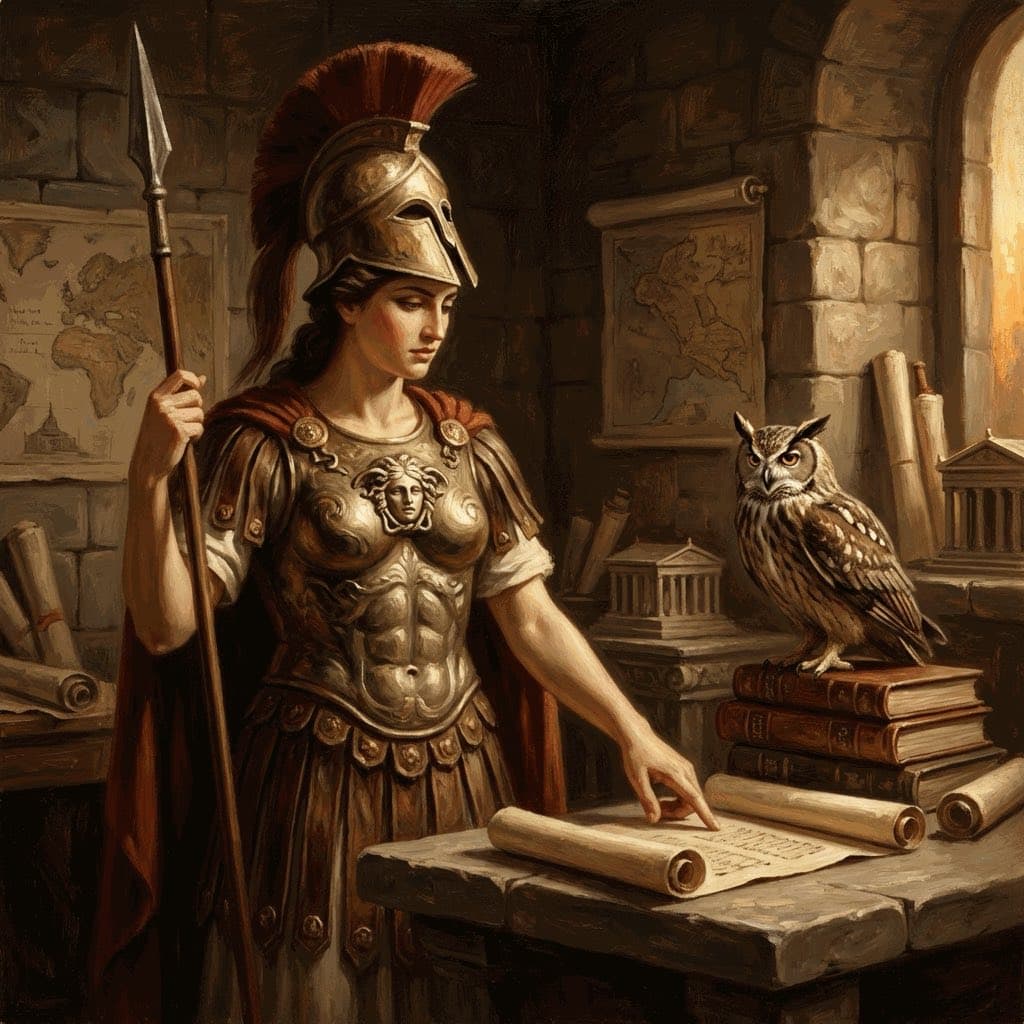
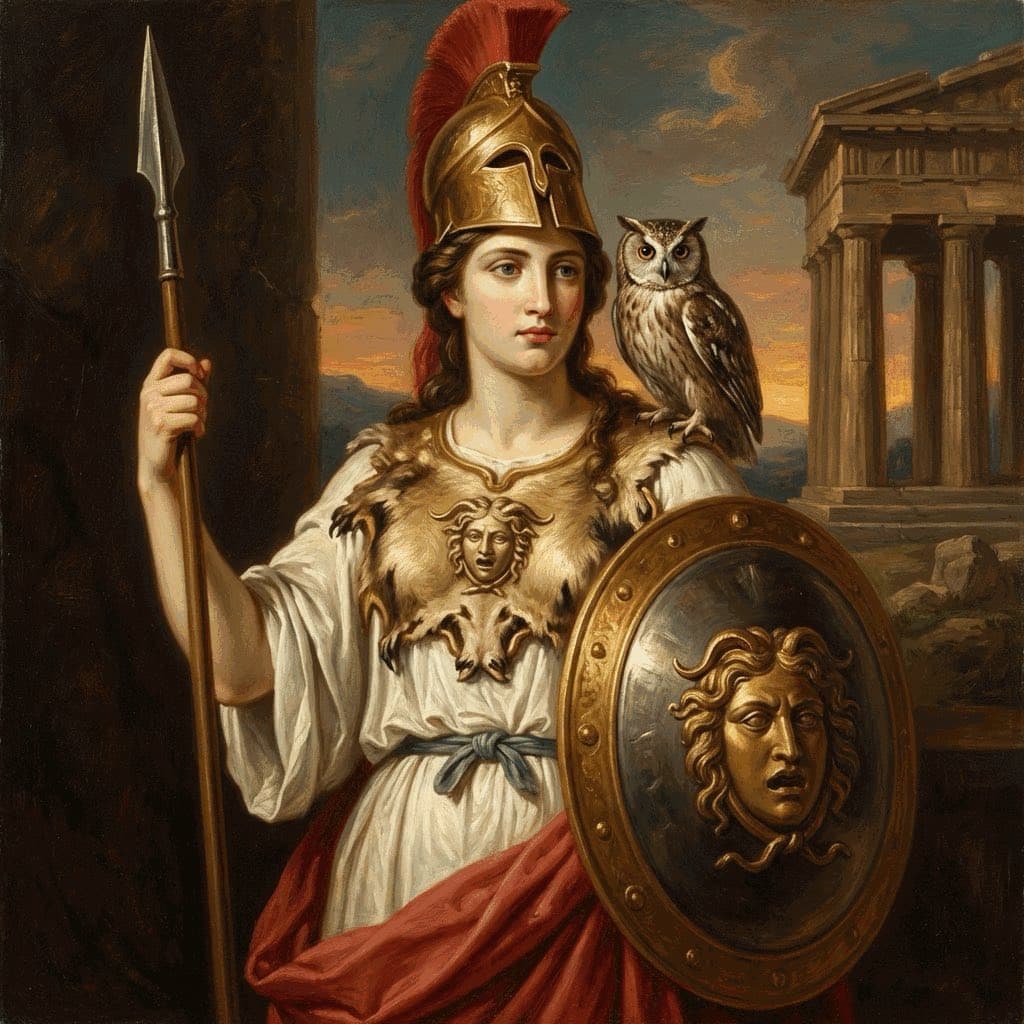
Goddess of wisdom, strategic warfare, and crafts. Part of the Capitoline Triad with Jupiter and Juno. Patron of artisans, teachers, and strategic warfare. Roman equivalent of Athena.

The great river obosom of the Akan, identified with the Tano River of western Ghana and regarded in Asante as the foremost of the abosom; tellings make him a son of Nyame who tricked his brother Bia out of the fertile land.
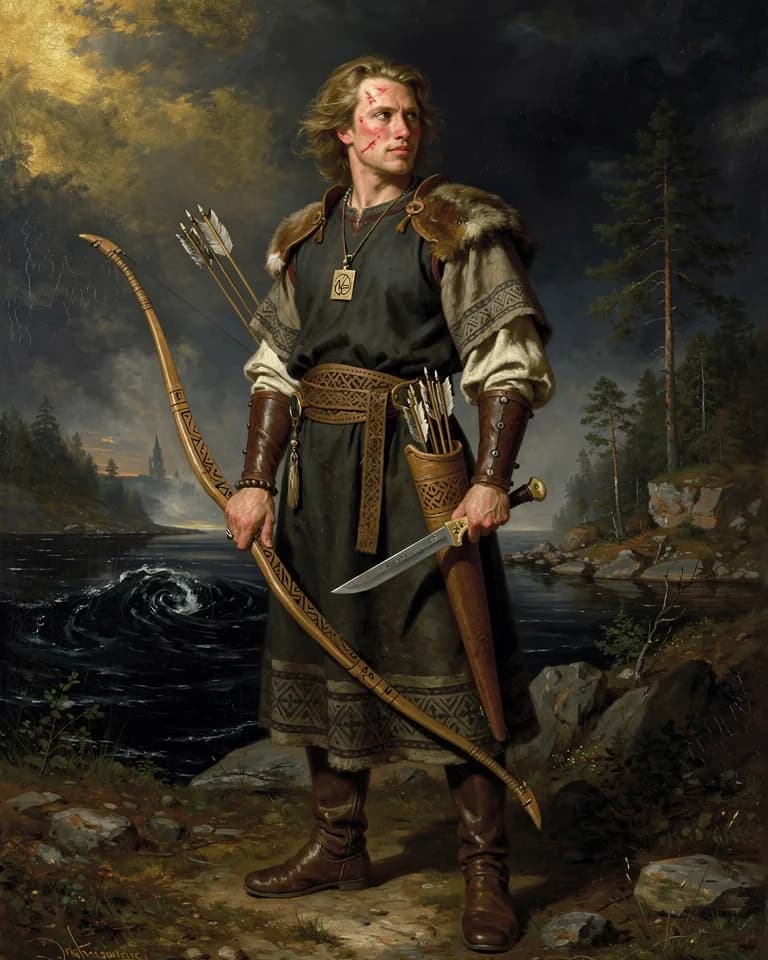
The reckless, handsome adventurer of the Kalevala, who is killed at the river of Tuonela while trying to shoot its swan and cut to pieces, and whom his mother rakes from the river and restores to life.
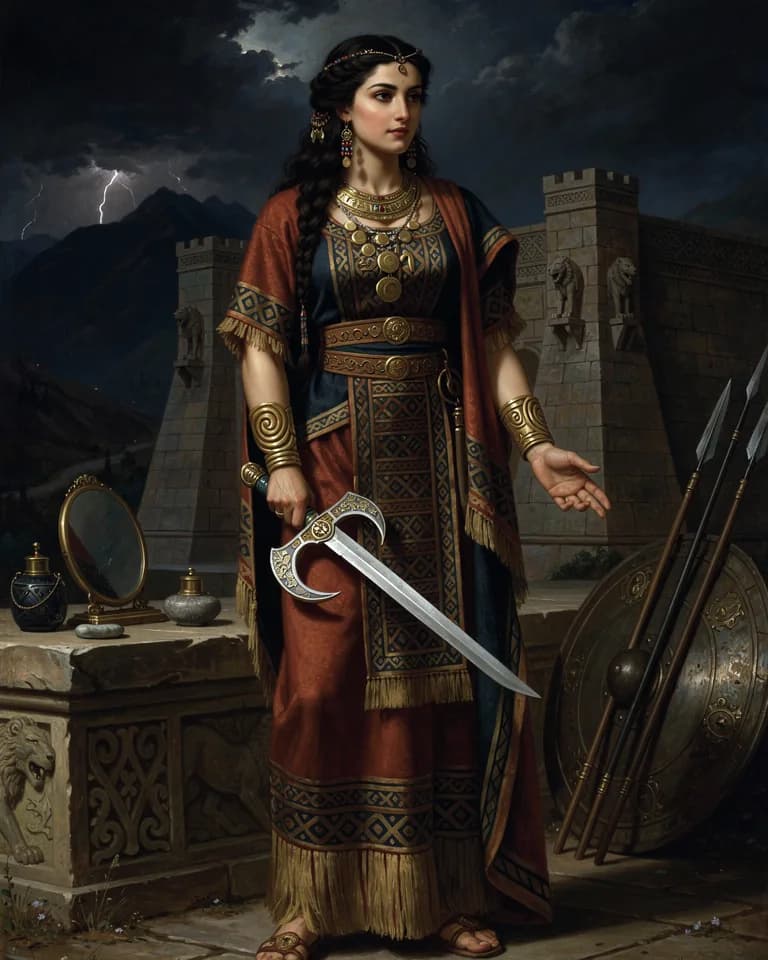
Hurrian goddess of love and war and sister of the storm-god Teššub, who in the Kumarbi cycle tries to overcome her brother's monstrous enemies by seduction.
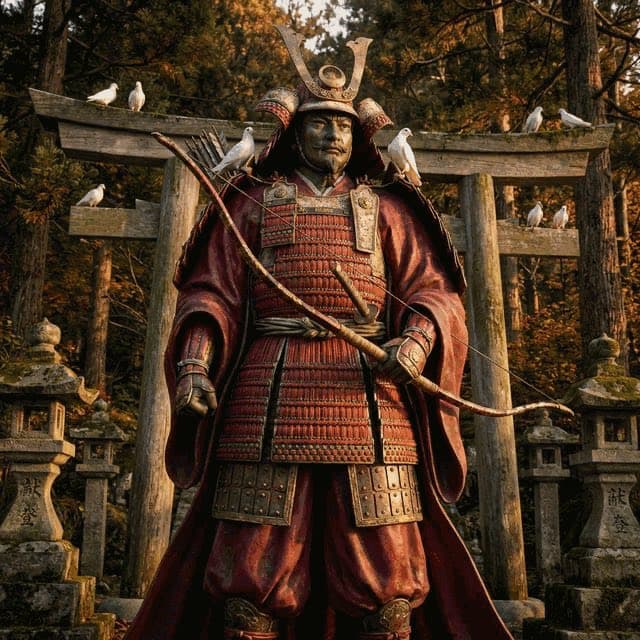
Syncretic god of war, archery, and protector of Japan and warriors. Originally Emperor Ojin deified. Patron of the samurai clans.
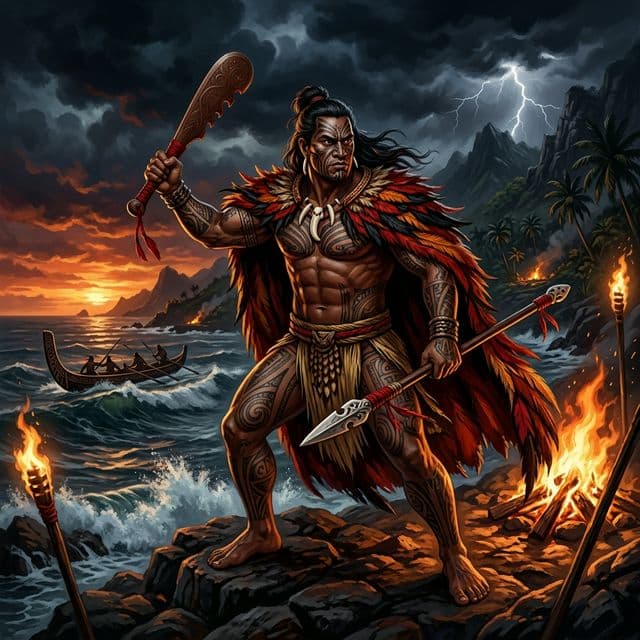
The fierce god of war and human endeavor. Tu represents the aggressive, active principle necessary for survival, from warfare to hunting to the cultivation of crops.
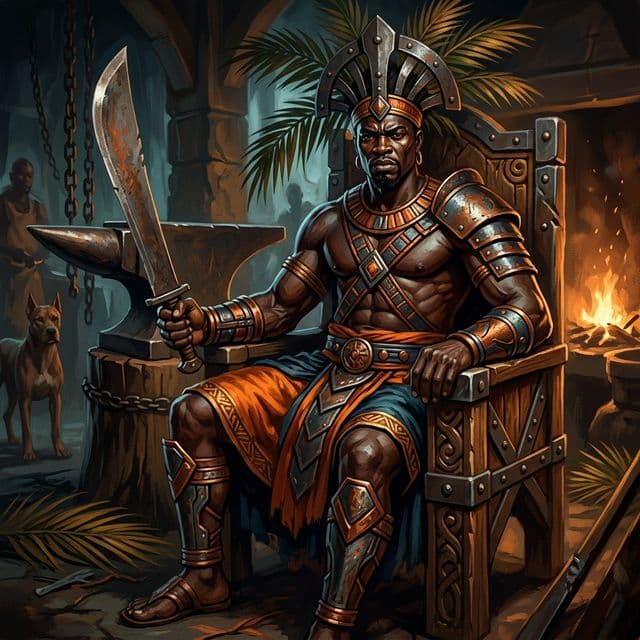
The Orisha of iron, war, and labor. Ogun is the divine blacksmith who cleared the path for the other Orishas to descend to earth.
Editorial comparisons recorded on these entries; a shared role does not establish a shared origin.
Athena (Greek) and Minerva (Roman)
Minerva is the direct Roman equivalent, sharing the same domains of wisdom, strategic warfare, and crafts
Compare Athena and MinervaMars is the Roman equivalent, though far more honored in Rome as father of Romulus and guardian of the state
Compare Ares and MarsBoth are war gods, though Tyr represents the legal and honorable aspects of war while Ares embodies its violence
Compare Ares and TyrFreyja (Norse) and Inanna (Mesopotamian)
Inanna already lists Freyja; both goddesses combine love and beauty with war, death, and formidable independent power
Compare Freyja and InannaTyr (Norse) and Nuada Airgetlám (Celtic)
Both are sovereign gods of war and justice who sacrifice/lose a hand in a myth central to their claim to rightful kingship
Compare Tyr and Nuada AirgetlámTyr (Norse) and Guan Yu (Chinese)
Guan Yu already lists Tyr; both are war gods whose domain centers on oaths, loyalty, and righteous justice rather than raw violence alone
Compare Tyr and Guan YuSekhmet (Egyptian) and Durga (Hindu)
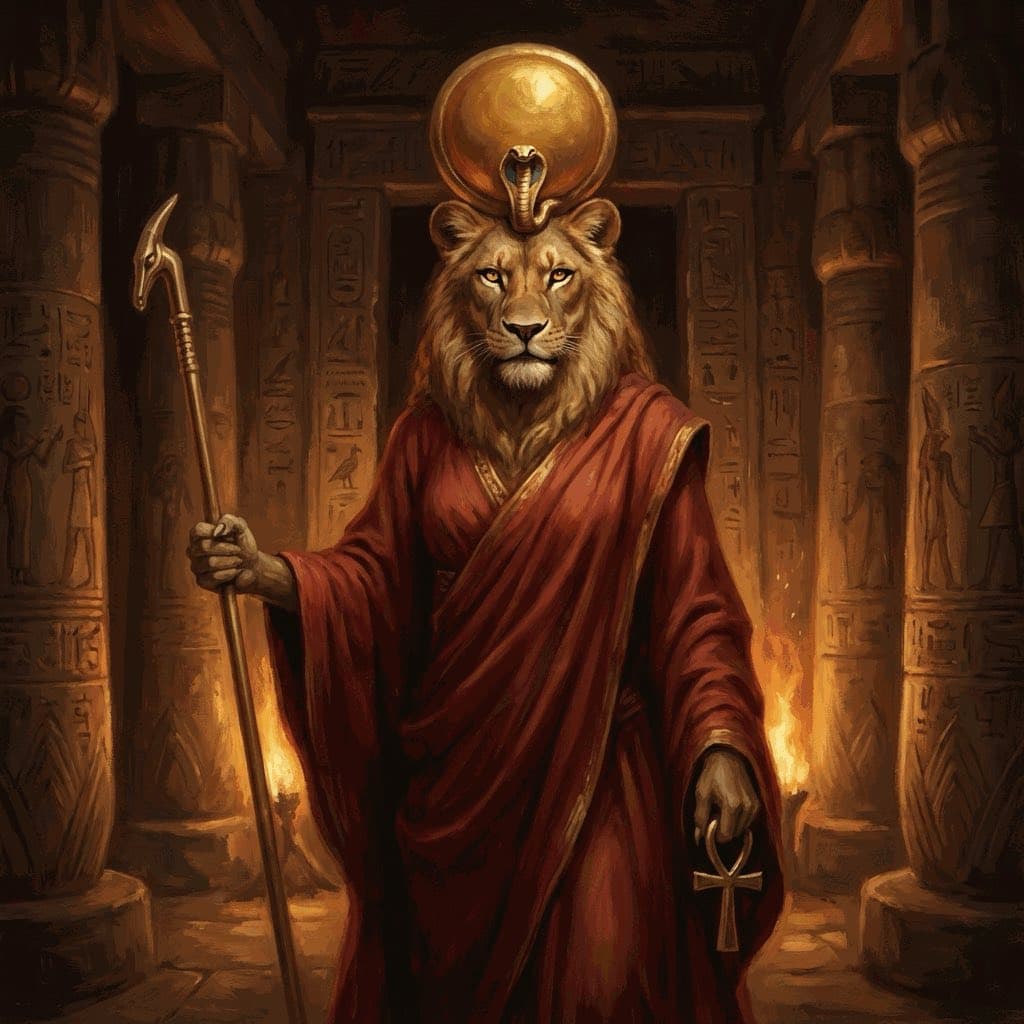
Both are fierce warrior goddesses who unleash destructive violence against enemies of order
Compare Sekhmet and DurgaSekhmet (Egyptian) and Nergal (Mesopotamian)
Both are deities of war, plague, and vengeful destruction
Compare Sekhmet and NergalDurga (Hindu) and The Morrígan (Celtic)
Both are goddesses of war and battlefield sovereignty who determine victory
Compare Durga and The MorríganHachiman (Japanese) and Guan Yu (Chinese)
Both are patron gods of warriors, honored for loyalty, protection, and martial virtue
Compare Hachiman and Guan YuHachiman (Japanese) and Nezha (Chinese)
Both are youthful, fiercely protective war deities associated with martial prowess and defense
Compare Hachiman and NezhaNezha (Chinese) and Ares (Greek)
Both are war deities known for fierce tempers, though Nezha is more sympathetic as a child warrior
Compare Nezha and AresNezha (Chinese) and Kartikeya (Hindu)
Both are young warrior gods who command divine armies
Compare Nezha and KartikeyaGuan Yu (Chinese) and Ares (Greek)
Both are gods of war, though Guan Yu is also strongly associated with honor and loyalty
Compare Guan Yu and AresNergal (Mesopotamian) and Ares (Greek)
Both are gods of war in its brutal, destructive aspect
Compare Nergal and AresTu (Polynesian) and Ares (Greek)
Both are war gods associated with the violent aspects of conflict
Compare Tu and AresTu (Polynesian) and Tyr (Norse)
Both are warrior gods, though Tyr is associated more with honor and law
Compare Tu and TyrMedb (Celtic) and The Morrígan (Celtic)
Both are formidable Irish female figures tied to war and sovereignty, though Medb is presented as a human queen while the Morrígan is an unambiguous goddess
Compare Medb and The MorríganPerun (Slavic) and Indra (Hindu)
Ivanov and Toporov's reconstruction of a Perun-vs-serpent combat draws its structure from the Vedic Indra-vs-Vritra myth, part of the comparative case for a shared Indo-European storm-god-versus-serpent motif.
Compare Perun and IndraKartikeya (Hindu) and Ares (Greek)
Both are war gods, though Kartikeya is a revered general and savior while Ares is a disliked embodiment of battle-fury
Compare Kartikeya and AresŠauška (Hittite) and Inanna (Mesopotamian)
Hittite scribes wrote Šauška's name with the Ištar sign, and ancient god-lists equate her with the Mesopotamian goddess of love and war.
Compare Šauška and InannaAnat (Canaanite) and Athena (Greek)
A Phoenician-Greek bilingual inscription from Cyprus equates Anat with Athena; both are unmarried warrior goddesses.
Compare Anat and AthenaAnat (Canaanite) and Inanna (Mesopotamian)
Both are young goddesses of war whose ferocity is a central part of their mythology; they are distinct figures, not equated in the Ugaritic texts.
Compare Anat and InannaAthtart (Astarte) (Canaanite) and Inanna (Mesopotamian)
Athtart's name is cognate with Ištar's, and both combine war with, in later periods, love.
Compare Athtart (Astarte) and InannaBuilt from each deity's catalog entry (matching “war”, “warfare”). See every domain side by side on Divine Domains, or browse every cross-pantheon parallel.