Mythos Atlas

Side by sideParallel across traditions

Athtart (Astarte) vs Inanna

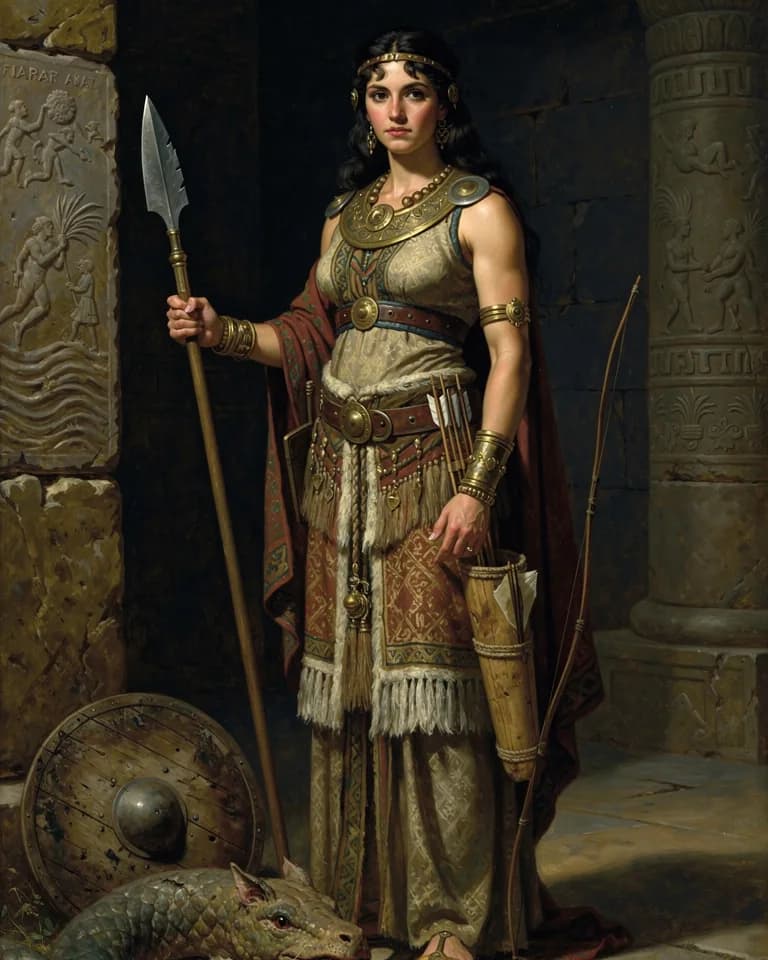
Athtart (Astarte)
Athtart (Astarte)Canaanite Pantheon (Ugarit)
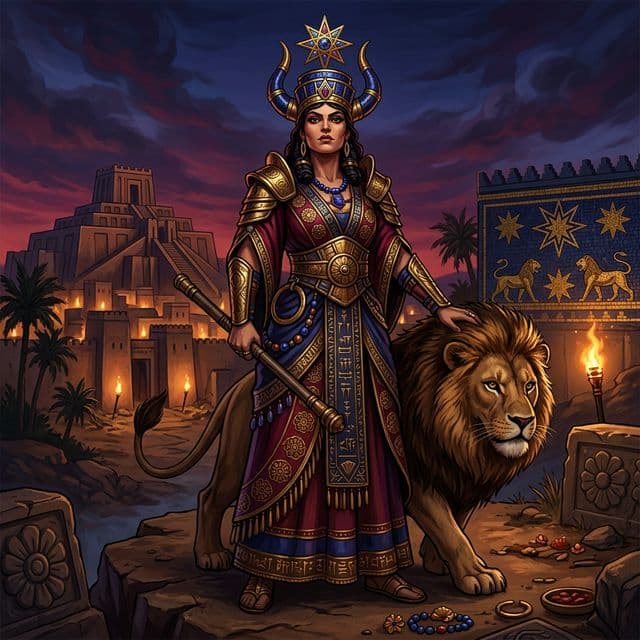
Inanna
InannaMesopotamian

Athtart's name is cognate with Ištar's, and both combine war with, in later periods, love.

At a glance

Athtart (Astarte) and Inanna compared
Athtart (Astarte)Inanna
TraditionCanaanite Pantheon (Ugarit)Mesopotamian Pantheon
Domainswar, hunting, love (in later Phoenician cult)love, war, fertility, sexuality, political power
Symbolsthe horse, the hunteight-pointed star, lion, rosette, ring and rod
Also calledAstarte, Ashtart, Name of Baal (šm bʿl)Ishtar, Astarte

Where they meet

Both are associated with war.

Where they part

Only Athtart (Astarte)

Associated with hunting and love (in later phoenician cult).

Only Inanna

Associated with love, fertility, sexuality, and political power.

How each was worshipped

Athtart (Astarte)

No cult sites or festivals are recorded in the atlas.

Inanna

Cult sites
Eanna precinct at Uruk; Temples of Ishtar at Nineveh, Arbela, and Babylon
Festivals
Akitu in some cities; Sacred marriage rites in royal ideology; Mourning of Tammuz/Dumuzi

Love, war, and the descent. Uruk's Eanna is her house. Morning and evening star. The royal sacred marriage is ideology as much as ritual; the lament for Dumuzi is popular and old. She is not a gentle Venus.

The two figures

Canaanite Pantheon (Ugarit)

Athtart (Astarte)

A warrior and hunting goddess who, with Anat, holds Baal back from attacking Yam's messengers and then urges him to finish Yam off; better known in later centuries as the Phoenician Astarte.

In the Baal Cycle, when Yam's messengers demand that Baal be surrendered, Baal seizes a weapon to strike them, and two goddesses restrain him: Anat takes his right hand and Athtart his left (KTU 1.2 I). They remind him that messengers are not to be harmed.

Read the full Athtart (Astarte) entry

Mesopotamian Pantheon

Inanna

Queen of Heaven and goddess of love and war. Inanna is the most complex and dynamic deity of the Mesopotamian pantheon, embodying both desire and destruction.

Inanna was born to the moon god Nanna/Sin and his wife Ningal. Unlike goddesses who received their powers passively, Inanna actively gathered the me (divine powers) from Enki, establishing herself as the goddess of civilization. She chose the shepherd Dumuzi as her consort in a sacred marriage that ensured the fertility of the land.

Inanna is the most celebrated and complex deity of ancient Mesopotamia. She embodies seemingly contradictory forces: passionate love and bloody war, fertility and destruction, order and chaos. As the personification of the planet Venus, she is both the morning and evening star, combining masculine and feminine energies in her divine nature.

Read the full Inanna entry
About this comparison

Comparisons pair figures that play a similar role across traditions, or that the myths connect within one. A shared role does not, by itself, establish a shared origin.