Mythos Atlas

Side by sideParallel across traditions

Aphrodite vs Athtart (Astarte)

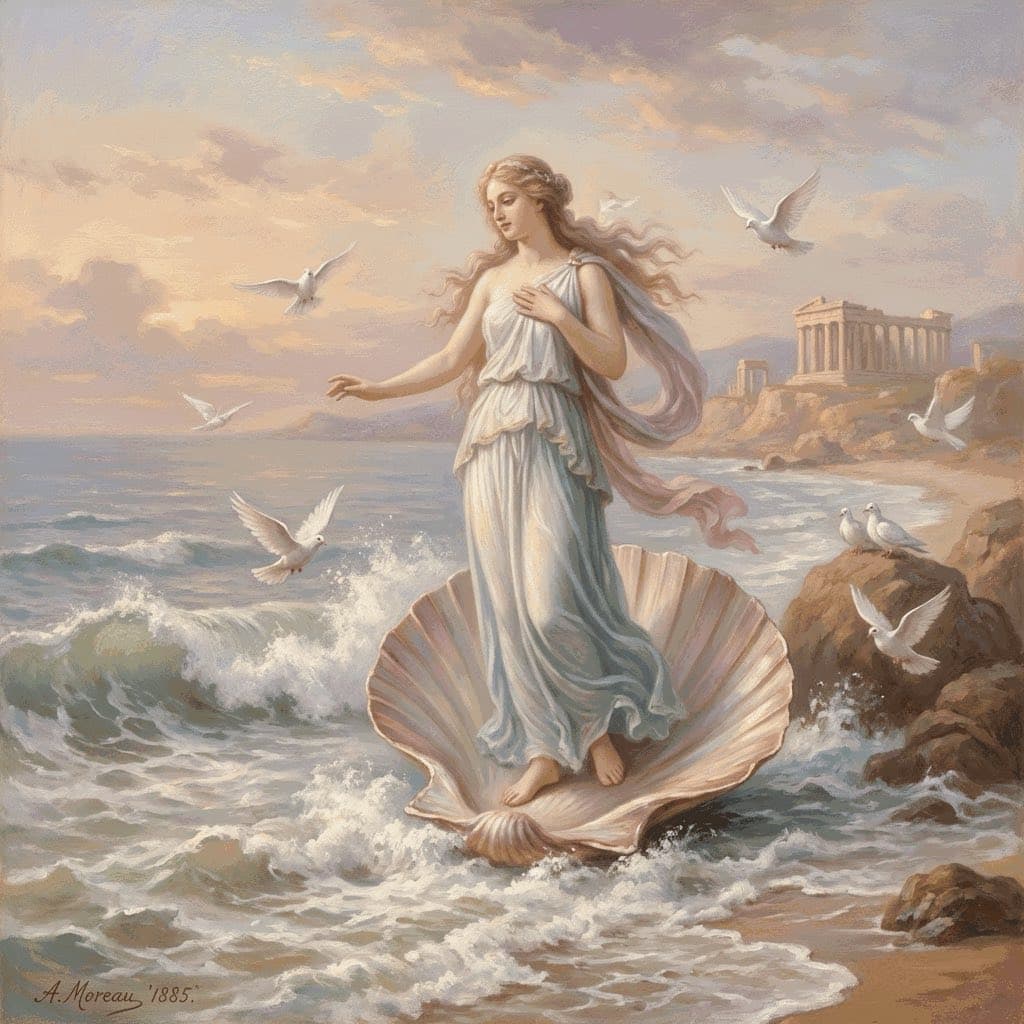
Aphrodite
AphroditeGreek
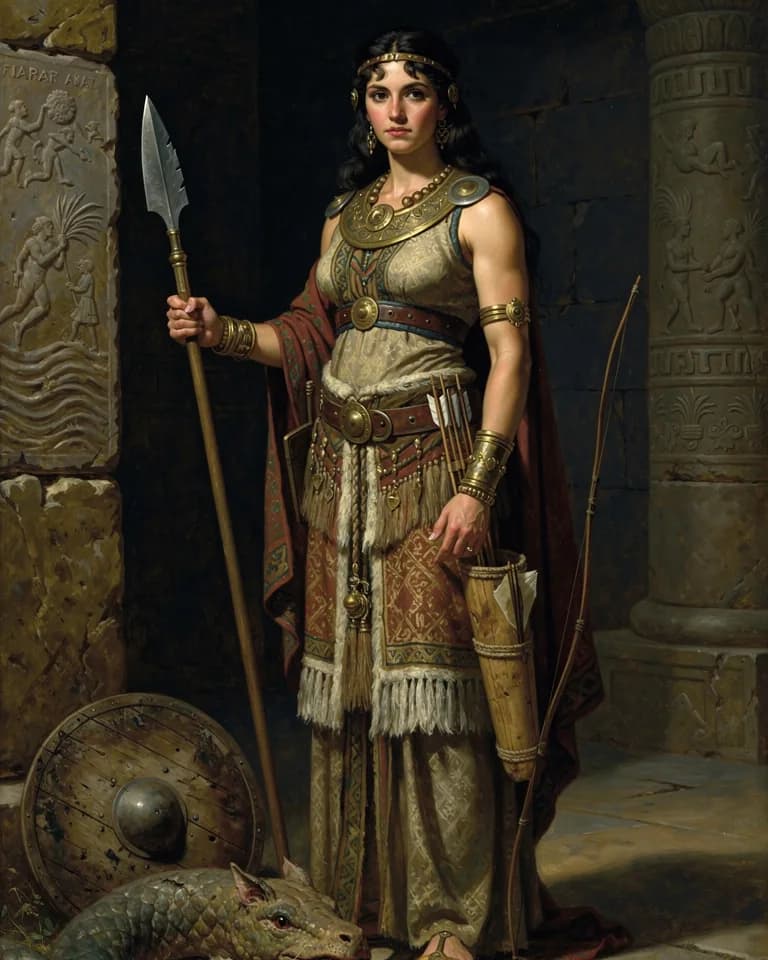
Athtart (Astarte)
Athtart (Astarte)Canaanite Pantheon (Ugarit)

Greek writers identified the Phoenician Astarte with Aphrodite; the Ugaritic Athtart is mainly a warrior and huntress.

At a glance

Aphrodite and Athtart (Astarte) compared
AphroditeAthtart (Astarte)
TraditionGreek PantheonCanaanite Pantheon (Ugarit)
Domainslove, beauty, desire, sexualitywar, hunting, love (in later Phoenician cult)
Symbolsdove, swan, rose, myrtle, sparrowthe horse, the hunt
Also calledVenus, KyprisAstarte, Ashtart, Name of Baal (šm bʿl)

Where they meet

The atlas records no domain or symbol that Aphrodite and Athtart (Astarte) share.

They are compared for the part each plays in their own tradition rather than for any attribute in common.

Where they part

Only Aphrodite

Associated with love, beauty, desire, and sexuality.

Only Athtart (Astarte)

Associated with war, hunting, and love (in later phoenician cult).

How each was worshipped

Aphrodite

Cult sites
Sanctuaries at Paphos and Amathus on Cyprus; Temple of Aphrodite on Acrocorinth; Aphrodite Pandemos at Athens
Festivals
Aphrodisia; Adonia

Cyprus is her oldest ground. Corinth mixed sailors, courtesans, and a high temple. Athens split Ourania from Pandemos: heavenly and of the whole people. Roses, doves, and the sea-foam story sit on top of a civic sex-and-luck cult.

Athtart (Astarte)

No cult sites or festivals are recorded in the atlas.

The two figures

Greek Pantheon

Aphrodite

Goddess of love, beauty, and desire. Born from the sea foam after Cronus castrated Uranus and threw his genitals into the sea.

Aphrodite is the irresistible goddess of love and beauty. Though married to Hephaestus, she had many lovers, most notably Ares. She has the power to make anyone fall in love, a power that even Zeus cannot resist.

Read the full Aphrodite entry

Canaanite Pantheon (Ugarit)

Athtart (Astarte)

A warrior and hunting goddess who, with Anat, holds Baal back from attacking Yam's messengers and then urges him to finish Yam off; better known in later centuries as the Phoenician Astarte.

In the Baal Cycle, when Yam's messengers demand that Baal be surrendered, Baal seizes a weapon to strike them, and two goddesses restrain him: Anat takes his right hand and Athtart his left (KTU 1.2 I). They remind him that messengers are not to be harmed.

Read the full Athtart (Astarte) entry
About this comparison

Comparisons pair figures that play a similar role across traditions, or that the myths connect within one. A shared role does not, by itself, establish a shared origin.