
Side by sideParallel across traditions

Aphrodite vs Freyja

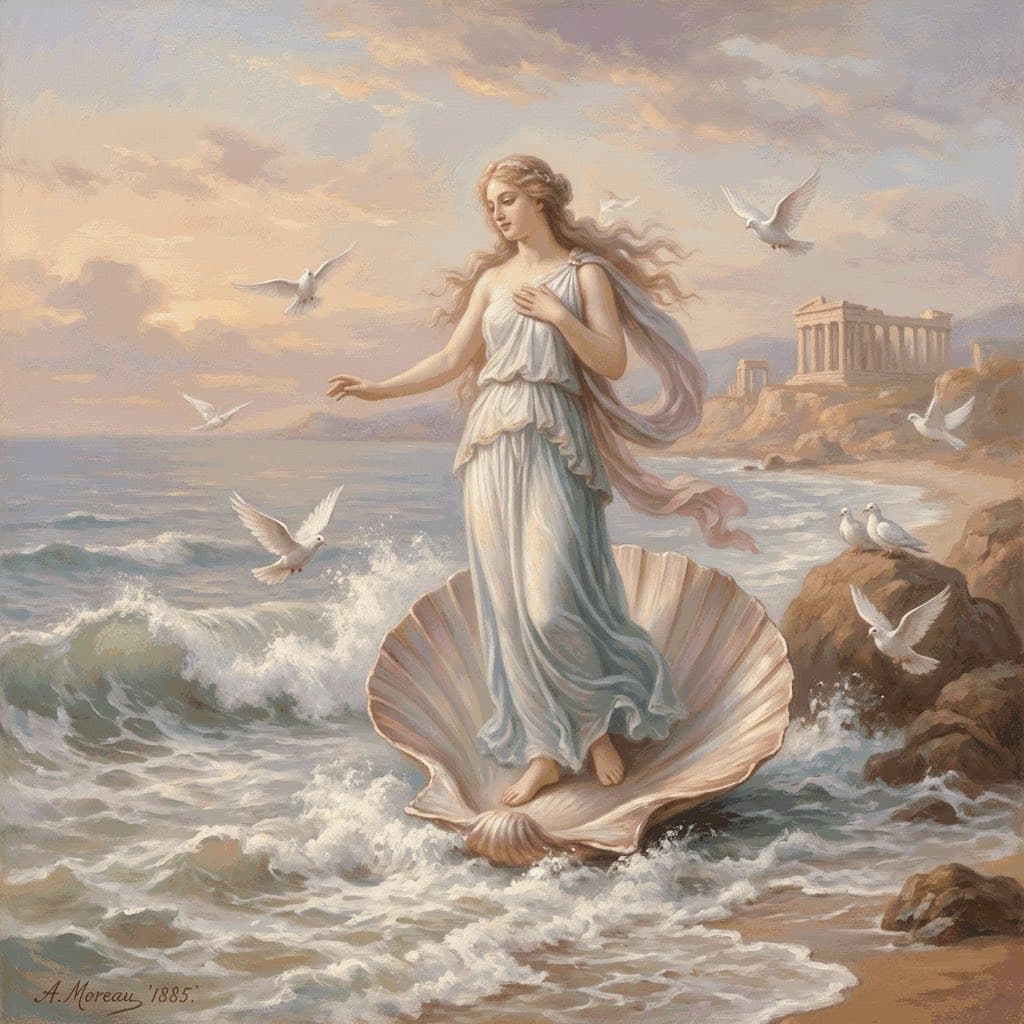
Aphrodite
AphroditeGreek
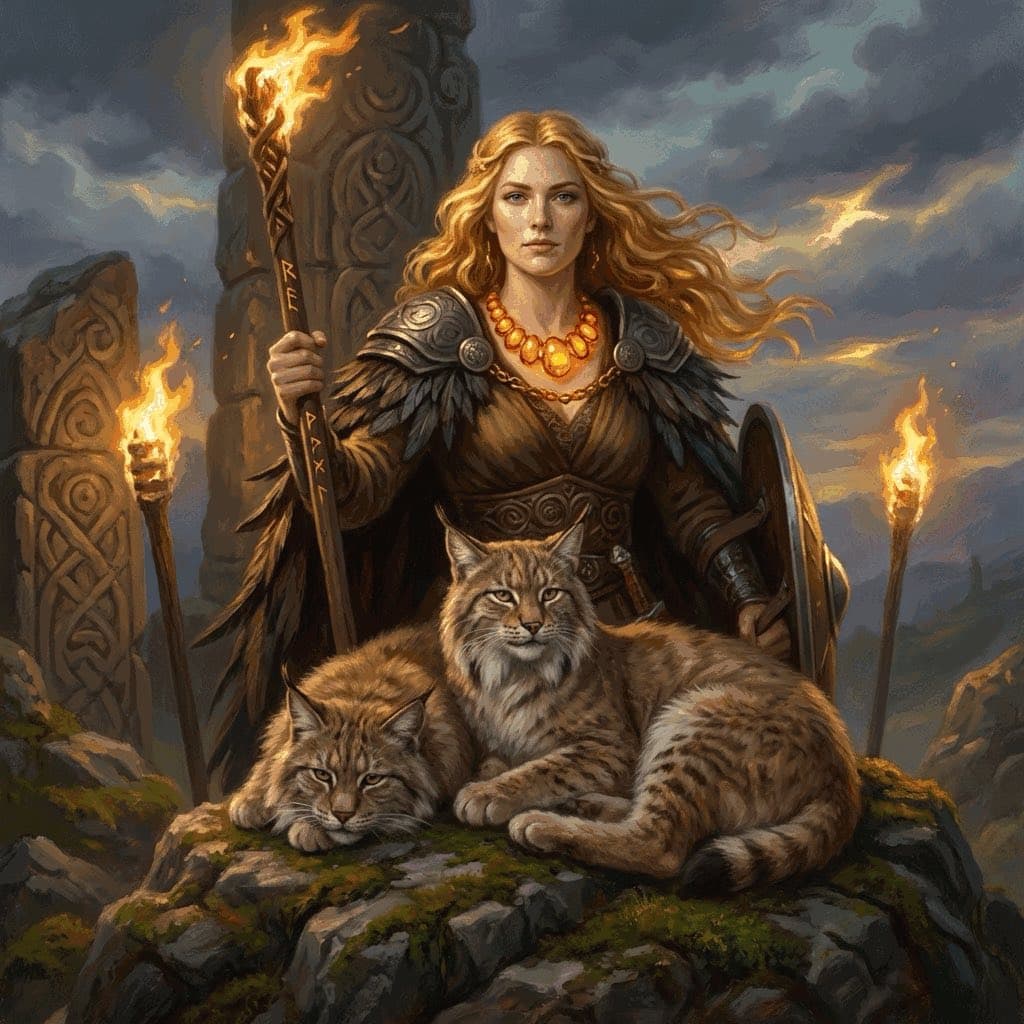
Freyja
FreyjaNorse

Both are goddesses of love and beauty, though Freyja also has domains of war, death, and magic that Aphrodite lacks.

At a glance

Aphrodite and Freyja compared
AphroditeFreyja
TraditionGreek PantheonNorse Pantheon
Domainslove, beauty, desire, sexualitylove, beauty, fertility, war, death, magic
Symbolsdove, swan, rose, myrtle, sparrownecklace Brisingamen, falcon feather cloak, chariot pulled by cats, boar Hildisvini
Also calledVenus, KyprisFreya, Lady, Vanadis

Where they meet

Both are associated with love and beauty.

Where they part

Only Aphrodite

Associated with desire and sexuality.

Only Freyja

Associated with fertility, war, death, and magic.

Why they are compared

Both are the pantheon's foremost goddess of love, beauty, and desire.

How each was worshipped

Aphrodite

Cult sites
Sanctuaries at Paphos and Amathus on Cyprus; Temple of Aphrodite on Acrocorinth; Aphrodite Pandemos at Athens
Festivals
Aphrodisia; Adonia

Cyprus is her oldest ground. Corinth mixed sailors, courtesans, and a high temple. Athens split Ourania from Pandemos: heavenly and of the whole people. Roses, doves, and the sea-foam story sit on top of a civic sex-and-luck cult.

Freyja

Cult sites
No standing temple identified; seiðr and rich graves are the nearer evidence
Festivals
Disablót (disir, overlapping); Friday in later naming

Love, gold, and the slain she shares with Odin. Cats, boar, and seiðr. Snorri says she taught the Aesir witchcraft. Cult is inferred from the Vanir peace, from women's graves, and from the stubborn popularity of her name.

The two figures

Greek Pantheon

Aphrodite

Goddess of love, beauty, and desire. Born from the sea foam after Cronus castrated Uranus and threw his genitals into the sea.

Aphrodite is the irresistible goddess of love and beauty. Though married to Hephaestus, she had many lovers, most notably Ares. She has the power to make anyone fall in love, a power that even Zeus cannot resist.

Read the full Aphrodite entry

Norse Pantheon

Freyja

Most renowned of the Vanir, goddess of love, beauty, and fertility, but also associated with war and death. She receives half of those who die in battle in her hall Folkvangr.

Freyja is the daughter of the sea god Njord and an unnamed mother, possibly the earth goddess Nerthus or a sister of Njord from the Vanir. She came to Asgard as a hostage after the Aesir-Vanir War, along with her father and twin brother Freyr. In exchange, the Aesir sent Hoenir and Mimir to the Vanir. The Vanir, feeling cheated, beheaded Mimir, but the exchange brought lasting peace. Freyja taught the Aesir the magic of seidr, a form of shamanic sorcery previously unknown to them. She became so beloved among the gods that she was granted her own hall, Sessrumnir, in the field of Folkvangr.

Freyja is the goddess of love, beauty, gold, and magic (*seidr*). She drives a chariot pulled by giant cats and wears the necklace Brisingamen.
Read the full Freyja entry
About this comparison

Comparisons pair figures that play a similar role across traditions, or that the myths connect within one. A shared role does not, by itself, establish a shared origin.