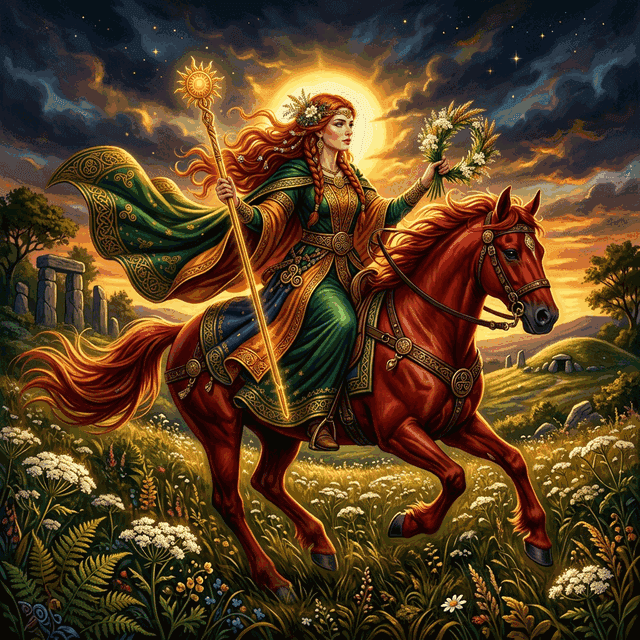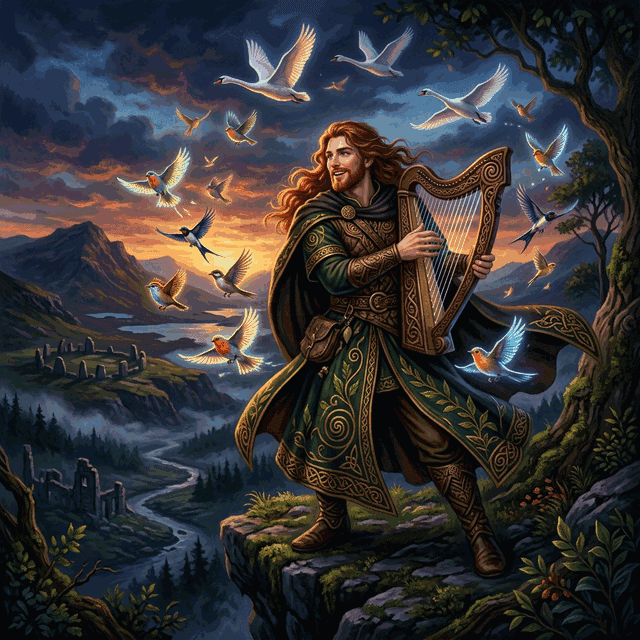
Aengus Óg
The ever-young god of love and poetic inspiration, whose kisses become birds that hover around young lovers' heads, whispering sweet nothings.
Divine domains
12 deities from 9 traditions whose entries in this atlas list love among their domains, grouped by tradition.
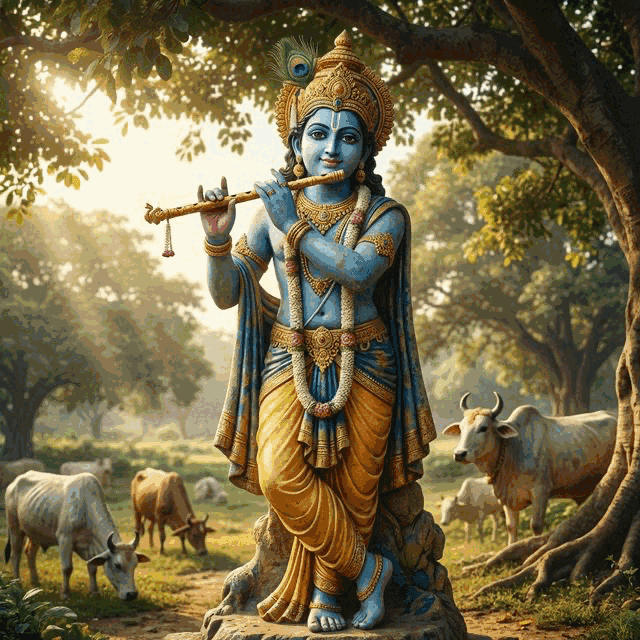
Eighth avatar of Vishnu and central deity. As a child, a playful cowherd; as an adult, prince and charioteer who spoke the Bhagavad Gita.

Goddess of power, fertility, love, and devotion. Consort of Shiva and mother of Ganesha and Kartikeya. Represents Shakti, the divine feminine creative power.
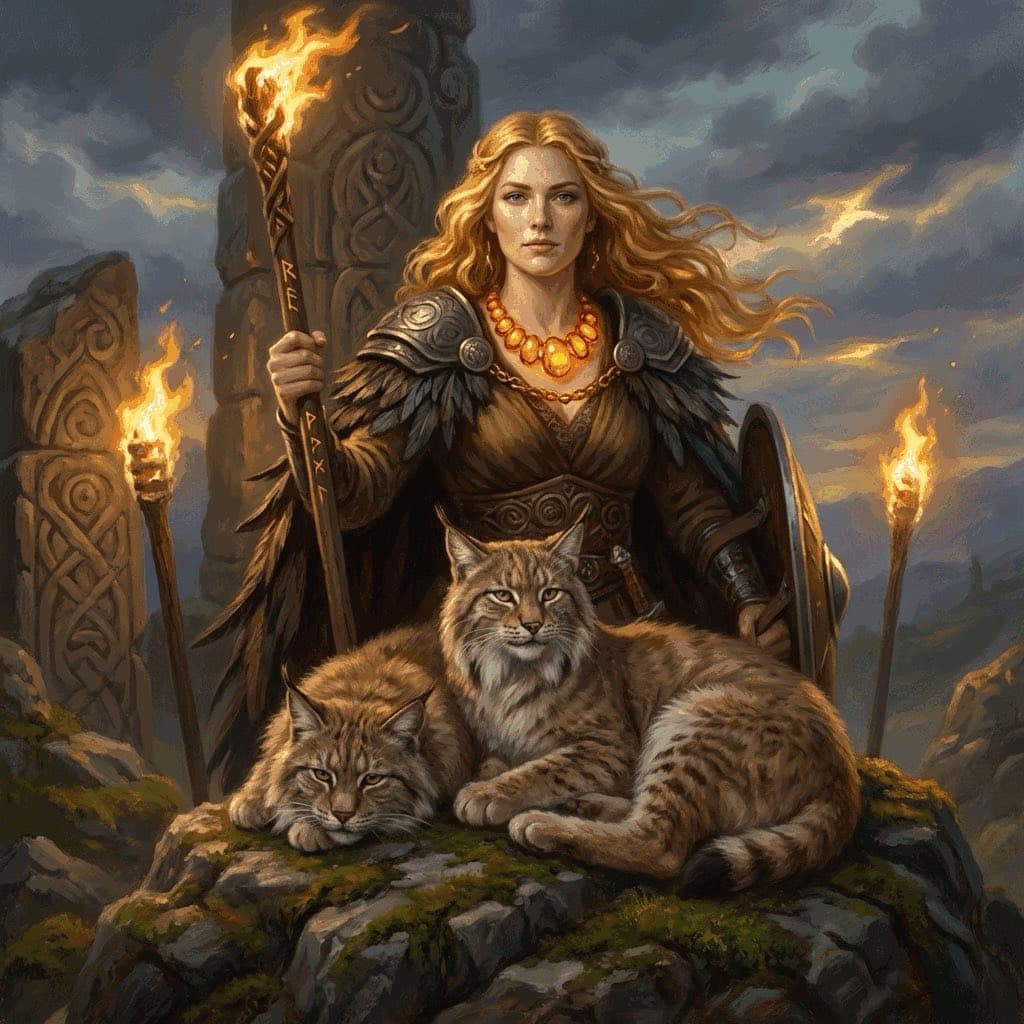
Most renowned of the Vanir, goddess of love, beauty, and fertility, but also associated with war and death. She receives half of those who die in battle in her hall Folkvangr.
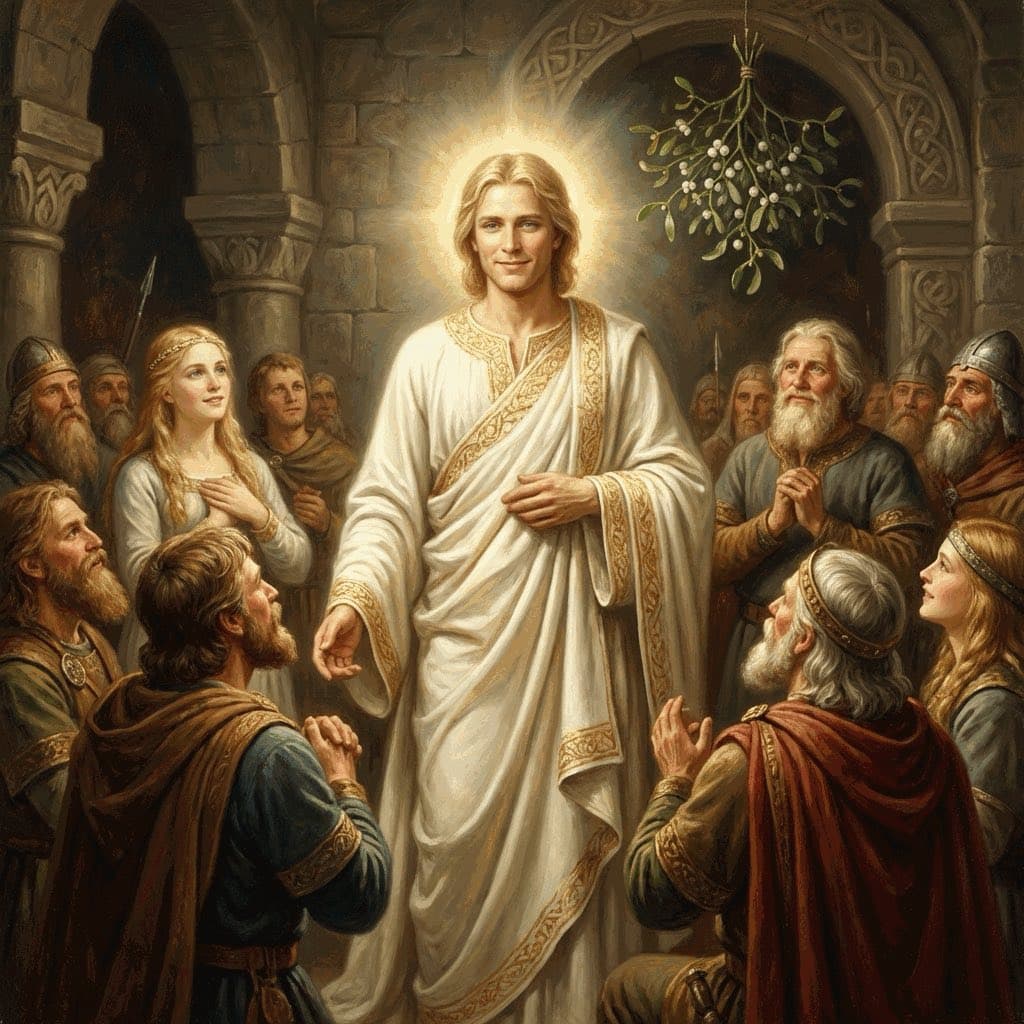
The most beloved of all gods, son of Odin and Frigg. God of light, purity, and beauty. His death, orchestrated by Loki using mistletoe, is one of the great tragedies leading to Ragnarok.
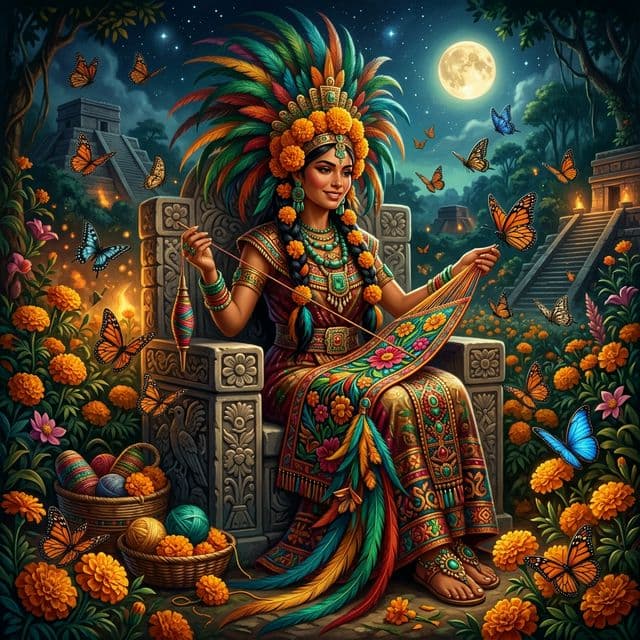
The goddess of beauty, love, flowers, and female sexuality. Xochiquetzal was patron of artisans, weavers, and pregnant women, and dwelt in the paradise of Tamoanchan.
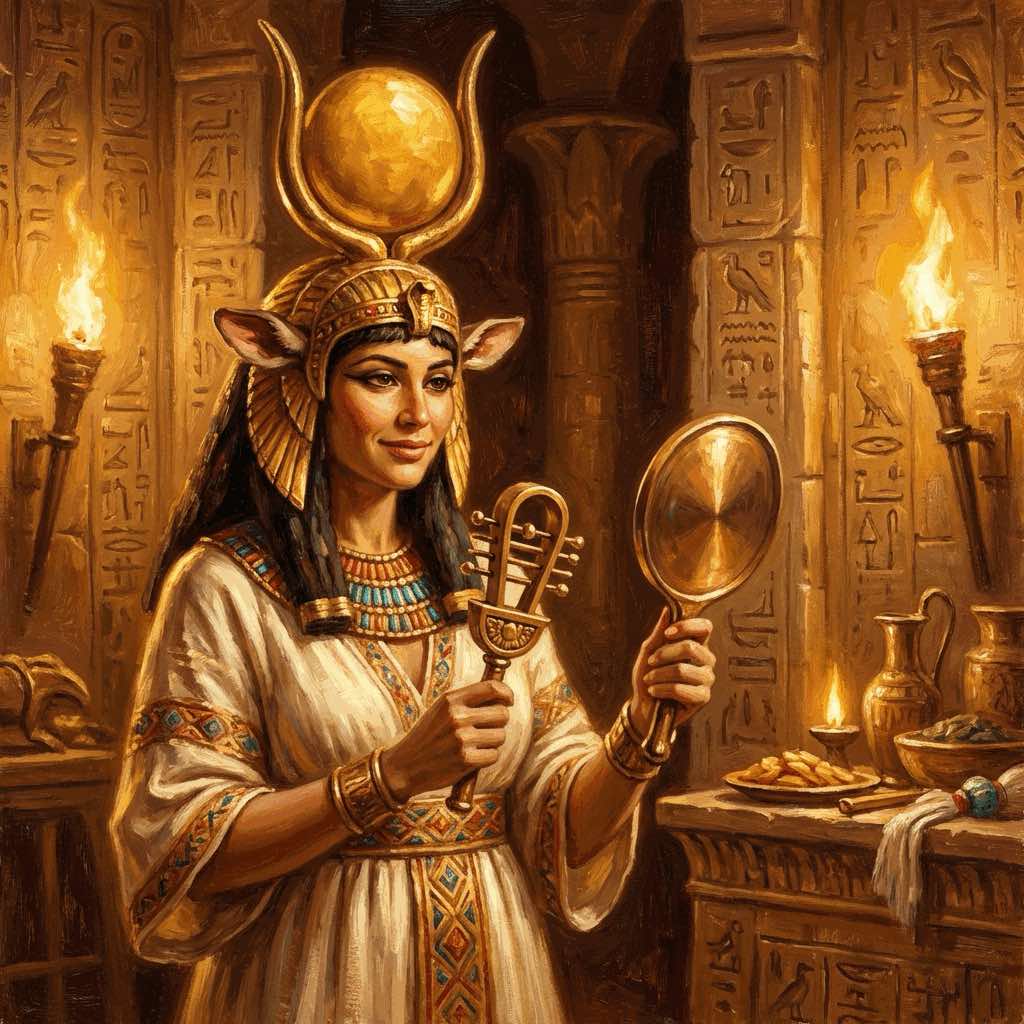
Goddess of love, beauty, music, and motherhood. The 'Golden One' who embodies the feminine ideal. Protector of women.
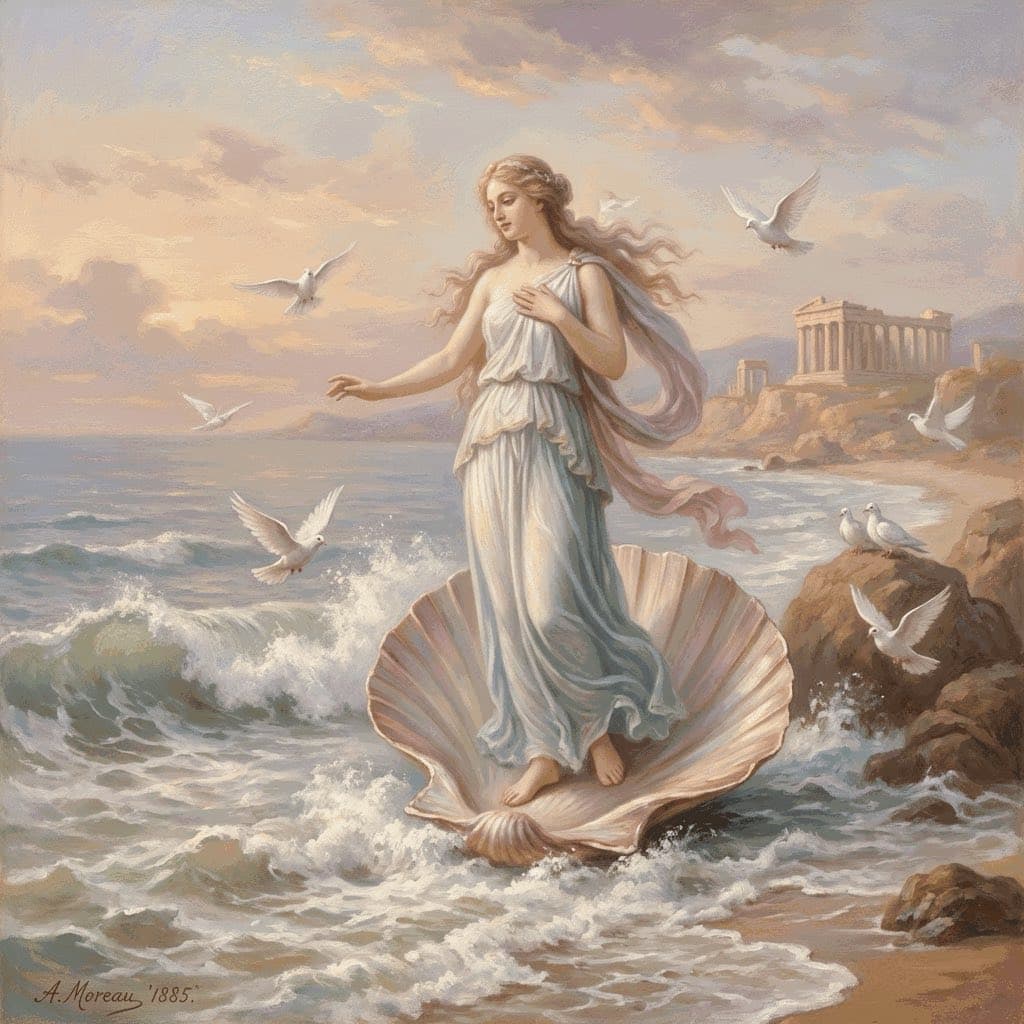
Goddess of love, beauty, and desire. Born from the sea foam after Cronus castrated Uranus and threw his genitals into the sea.
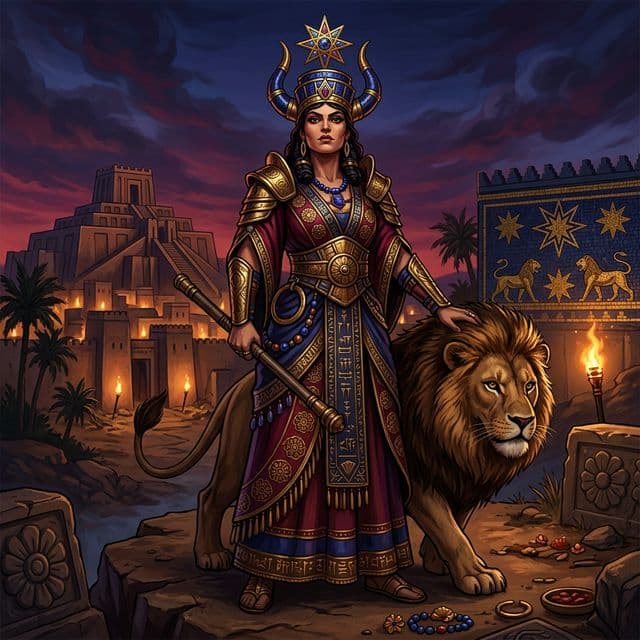
Queen of Heaven and goddess of love and war. Inanna is the most complex and dynamic deity of the Mesopotamian pantheon, embodying both desire and destruction.
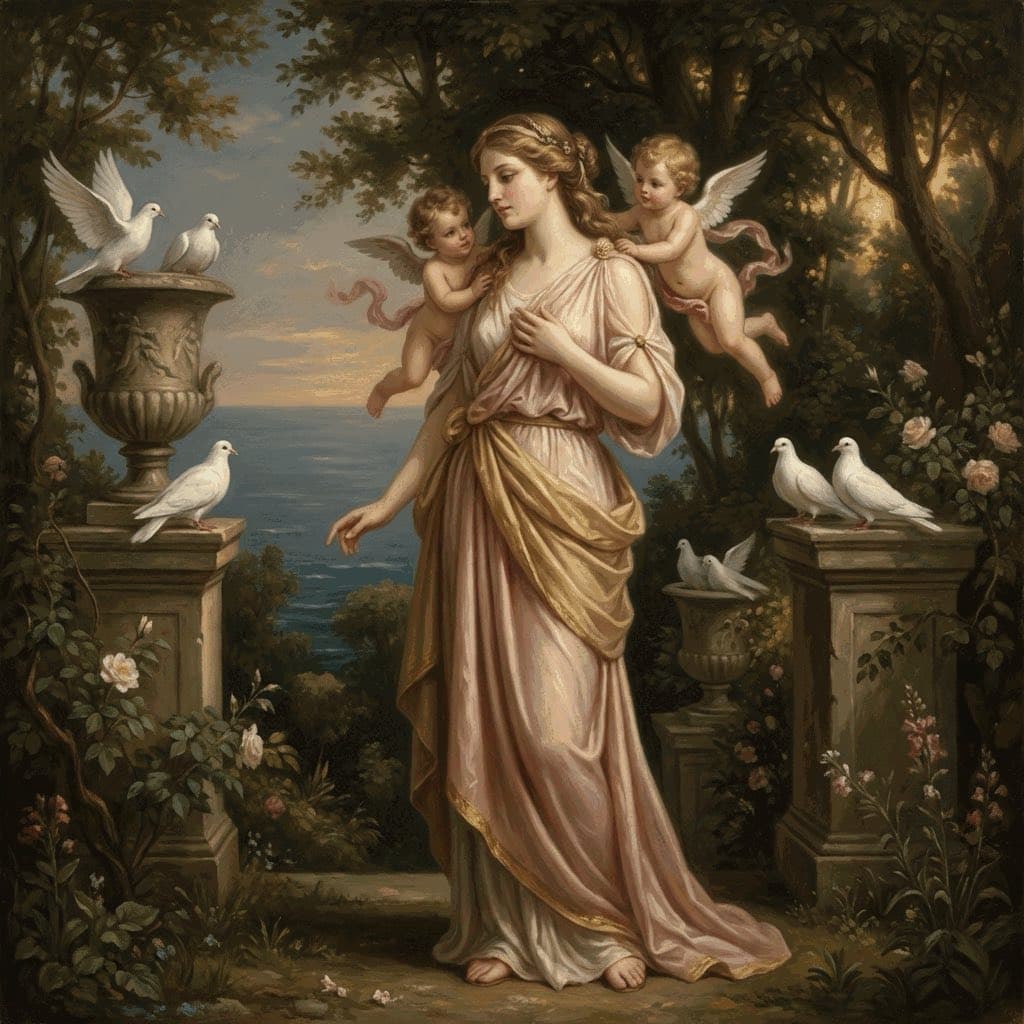
Goddess of love, beauty, desire, sex, and fertility. Mother of the Roman people through her son Aeneas, ancestor of Romulus. Patron goddess of the Julian family.
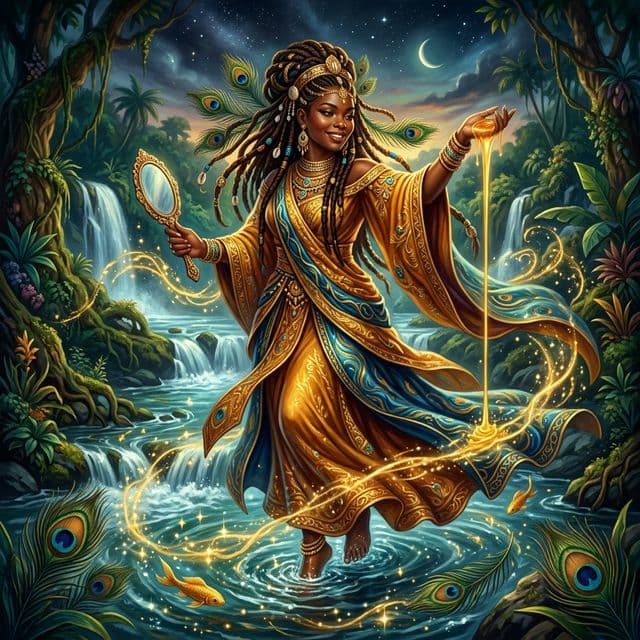
The Orisha of love, beauty, fresh water, and fertility. Oshun embodies feminine grace, sensuality, and the life-giving power of rivers.
Editorial comparisons recorded on these entries; a shared role does not establish a shared origin.
Aphrodite (Greek) and Venus (Roman)
Venus is the direct Roman equivalent, though in Rome she gained additional importance as divine ancestor of the Julian family
Compare Aphrodite and VenusAphrodite (Greek) and Freyja (Norse)
Both are goddesses of love and beauty, though Freyja also has domains of war, death, and magic that Aphrodite lacks
Compare Aphrodite and FreyjaFreyja (Norse) and Inanna (Mesopotamian)
Inanna already lists Freyja; both goddesses combine love and beauty with war, death, and formidable independent power
Compare Freyja and InannaHathor (Egyptian) and Inanna (Mesopotamian)
Inanna already lists Hathor; both are goddesses combining love, beauty, and joyful sensuality
Compare Hathor and InannaHathor (Egyptian) and Aphrodite (Greek)
Hathor's epithet 'the Golden One' parallels Aphrodite's 'Golden Aphrodite'; both are goddesses of love, beauty, and music
Compare Hathor and AphroditeXochiquetzal (Aztec) and Aphrodite (Greek)
Both are goddesses of love, beauty, and sexuality
Compare Xochiquetzal and AphroditeXochiquetzal (Aztec) and Freyja (Norse)
Both combine aspects of love, beauty, and fertility with patronage of arts and crafts
Compare Xochiquetzal and FreyjaInanna (Mesopotamian) and Aphrodite (Greek)
Both are love goddesses associated with the planet Venus
Compare Inanna and AphroditeOshun (Yoruba) and Aphrodite (Greek)
Both are goddesses of love and beauty with transformative power
Compare Oshun and AphroditeBuilt from each deity's catalog entry. See every domain side by side on Divine Domains, or browse every cross-pantheon parallel.