Side by sideParallel across traditions

Aphrodite vs Xochiquetzal

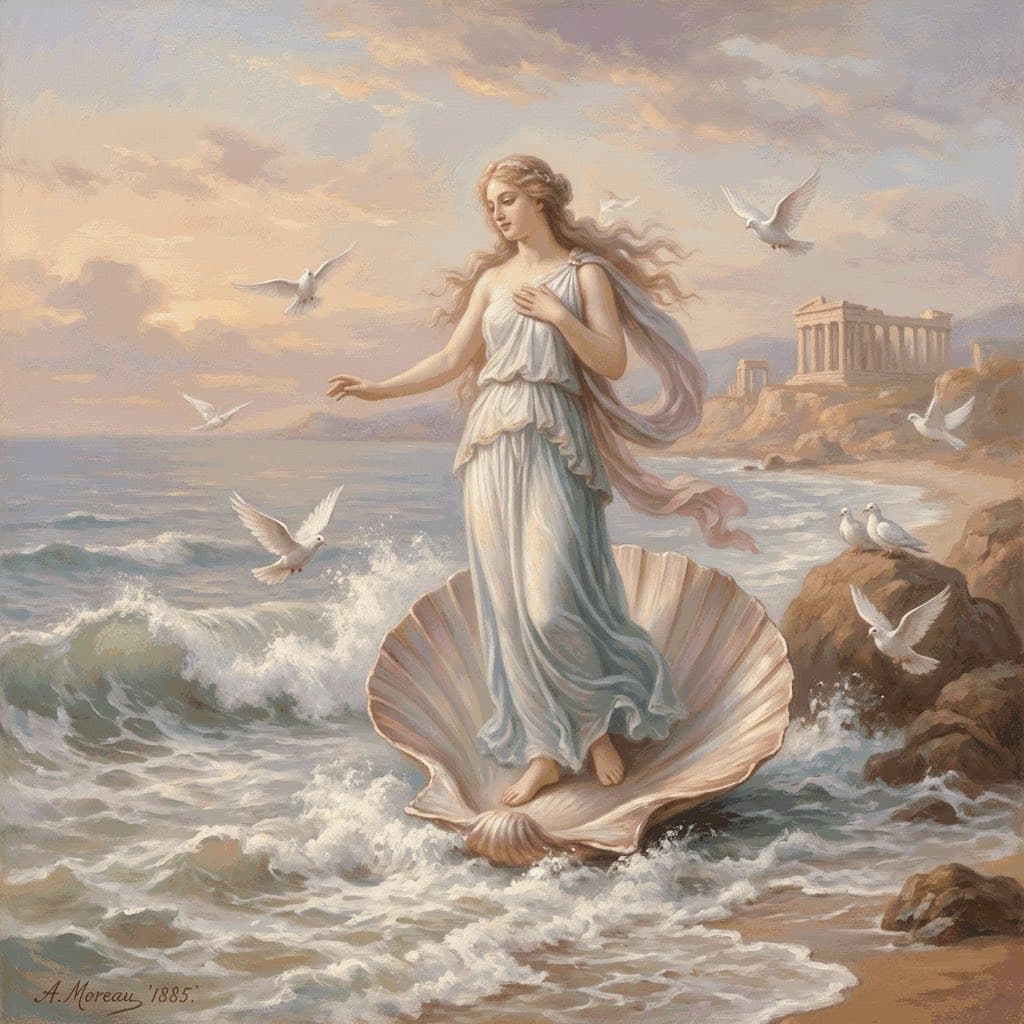
Aphrodite
AphroditeGreek
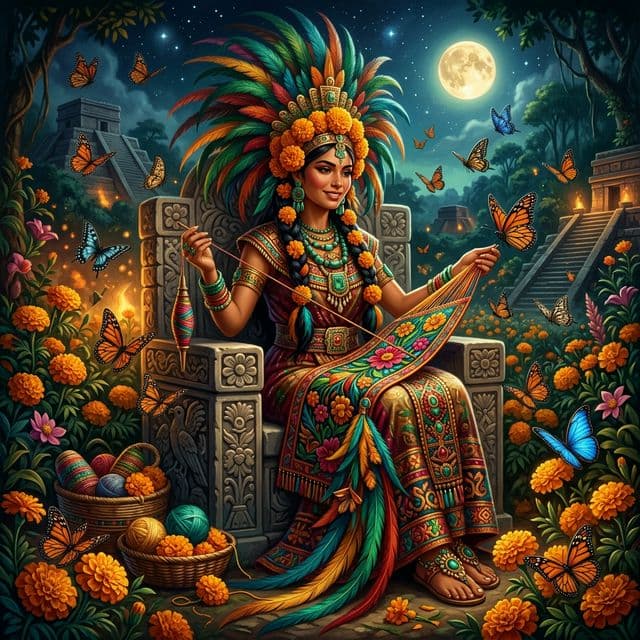
Xochiquetzal
XochiquetzalAztec

Both are goddesses of love, beauty, and sexuality.

At a glance

Aphrodite and Xochiquetzal compared
AphroditeXochiquetzal
TraditionGreek PantheonAztec Pantheon
Domainslove, beauty, desire, sexualitybeauty, flowers, love, fertility, weaving, arts
Symbolsdove, swan, rose, myrtle, sparrowmarigolds, quetzal feathers, butterflies, spindle
Also calledVenus, KyprisPrecious Feather Flower, Ichpochtli

Where they meet

Both are associated with love and beauty.

Where they part

Only Aphrodite

Associated with desire and sexuality.

Only Xochiquetzal

Associated with flowers, fertility, weaving, and arts.

How each was worshipped

Aphrodite

Cult sites
Sanctuaries at Paphos and Amathus on Cyprus; Temple of Aphrodite on Acrocorinth; Aphrodite Pandemos at Athens
Festivals
Aphrodisia; Adonia

Cyprus is her oldest ground. Corinth mixed sailors, courtesans, and a high temple. Athens split Ourania from Pandemos: heavenly and of the whole people. Roses, doves, and the sea-foam story sit on top of a civic sex-and-luck cult.

Xochiquetzal

Cult sites
Flower and weaver precincts in Tenochtitlan
Festivals
Huey Tozoztli flower offerings; Linked days in the xiuhpohualli

Marigolds, sexual love, and the work of the loom. Young women and artisans kept her. Not a war cult: a soft, expensive one.

The two figures

Greek Pantheon

Aphrodite

Goddess of love, beauty, and desire. Born from the sea foam after Cronus castrated Uranus and threw his genitals into the sea.

Aphrodite is the irresistible goddess of love and beauty. Though married to Hephaestus, she had many lovers, most notably Ares. She has the power to make anyone fall in love, a power that even Zeus cannot resist.

Read the full Aphrodite entry

Aztec Pantheon

Xochiquetzal

The goddess of beauty, love, flowers, and female sexuality. Xochiquetzal was patron of artisans, weavers, and pregnant women, and dwelt in the paradise of Tamoanchan.

Xochiquetzal was created in the paradise of Tamoanchan. She was initially consort of the rain god Tlaloc, but Tezcatlipoca abducted her to be his own. Her abduction introduced desire and longing into the world.

Xochiquetzal ("Precious Feather Flower") was the Aztec goddess of **beauty, love, pleasure, flowers, and female sexuality**. Unlike many Aztec deities associated with darkness or sacrifice, she represented joy, youth, and the pleasures of life. She was eternally young and beautiful, dwelling in **Tamoanchan**, the paradise above the heavens.

Read the full Xochiquetzal entry
About this comparison

Comparisons pair figures that play a similar role across traditions, or that the myths connect within one. A shared role does not, by itself, establish a shared origin.