Coatlicue
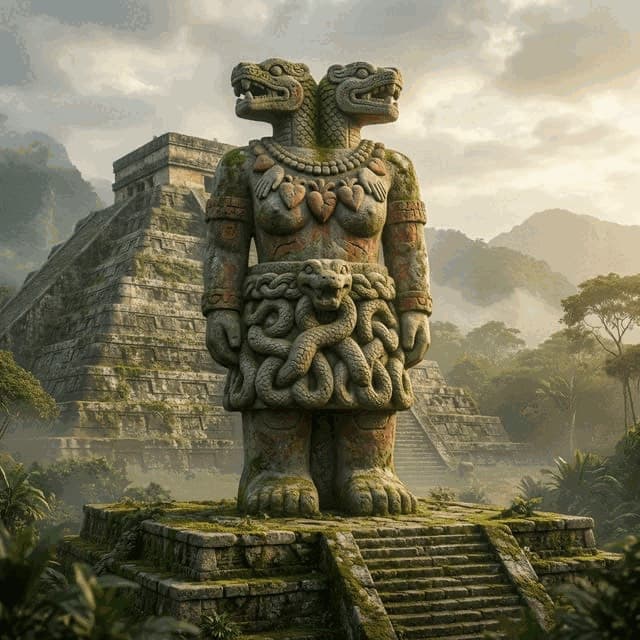
Earth mother goddess who gave birth to the moon, stars, and Huitzilopochtli. Depicted wearing a skirt of writhing serpents and a necklace of human hearts and hands.
Divine domains
25 deities from 13 traditions whose entries in this atlas list death among their domains, grouped by tradition.
Earth mother goddess who gave birth to the moon, stars, and Huitzilopochtli. Depicted wearing a skirt of writhing serpents and a necklace of human hearts and hands.
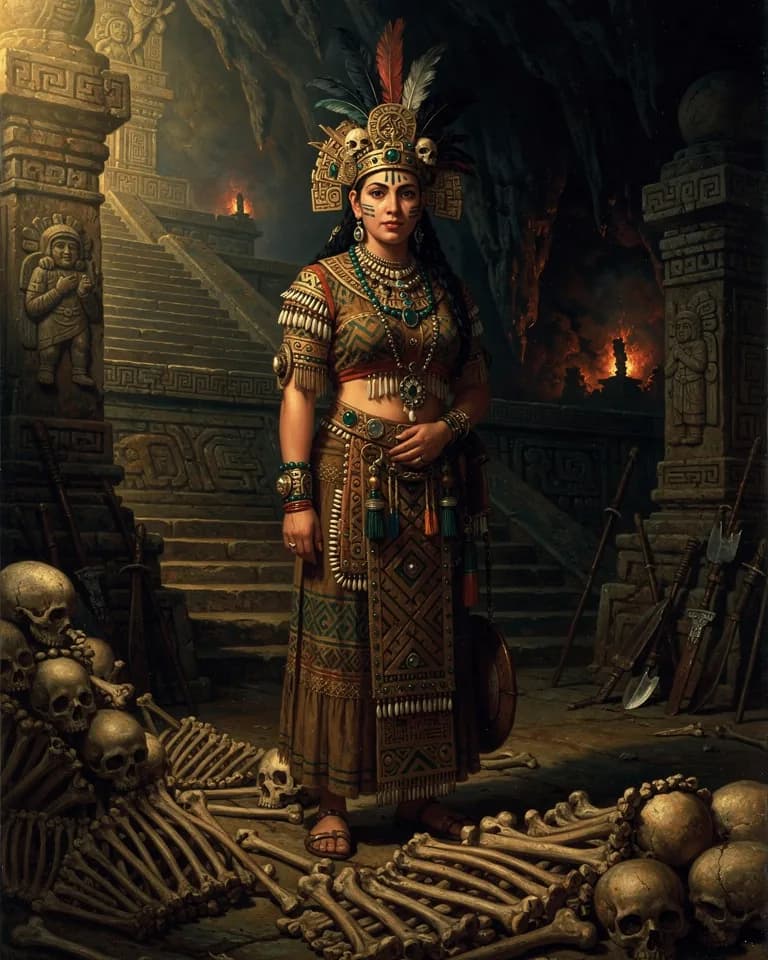
Queen of Mictlan, the Aztec underworld, ruling alongside her husband Mictlantecuhtli over the ninth and deepest level of the land of the dead. Mictecacihuatl presided over the bones of the deceased and the festivals honoring the dead within the Aztec calendar.
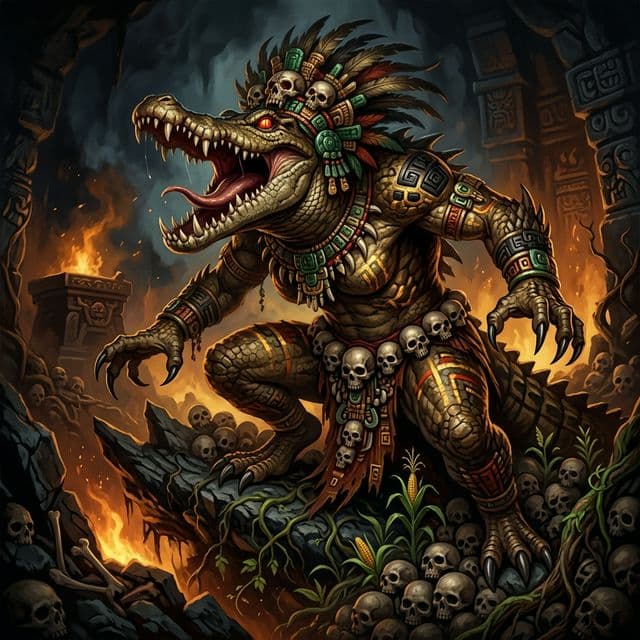
The monstrous earth deity from whose dismembered body the world was created. Tlaltecuhtli devours the dead and demands blood in return for crops, embodying the earth's duality as giver and taker of life.
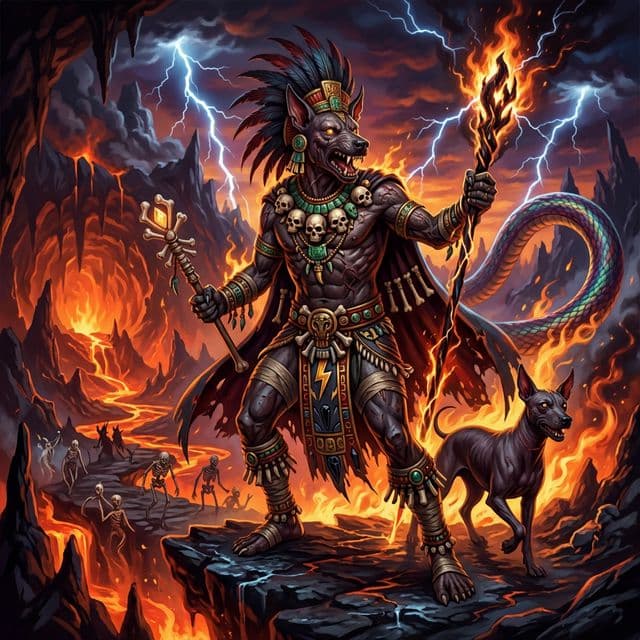
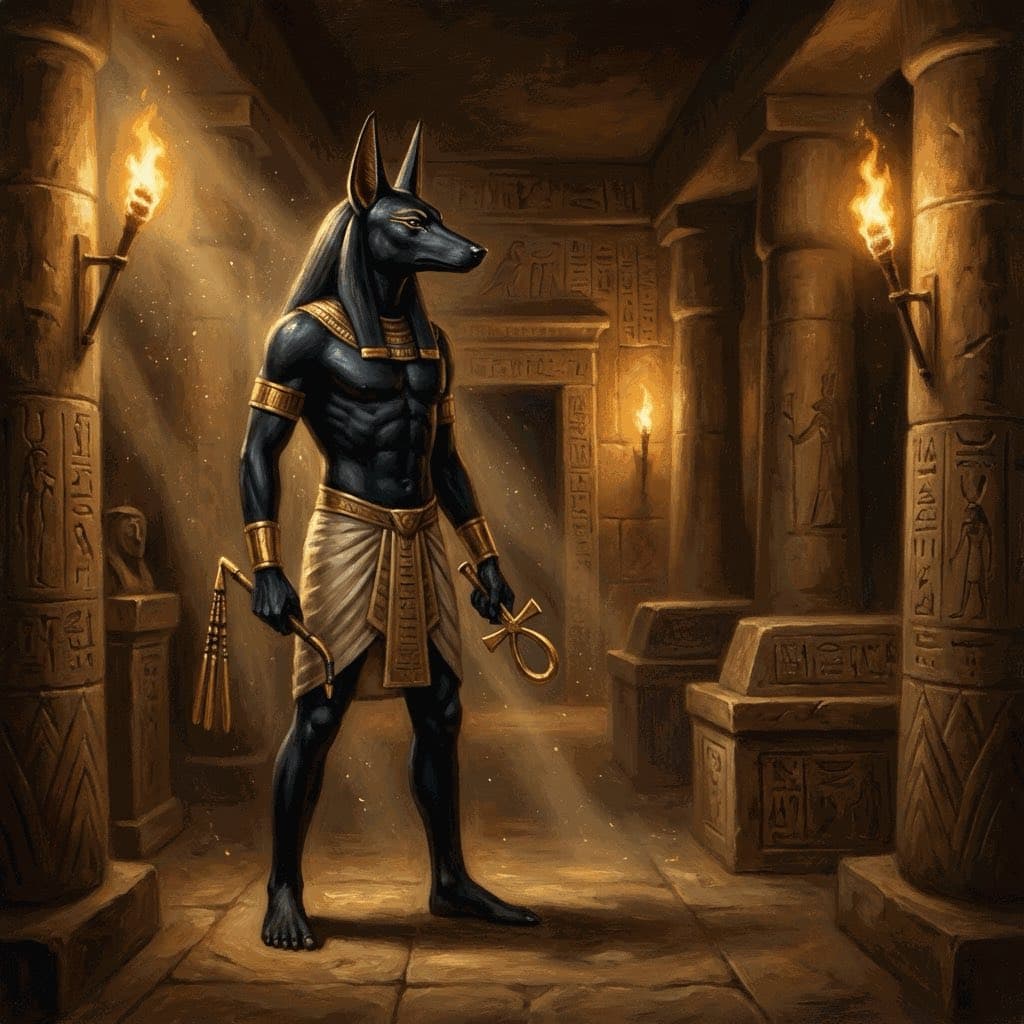
The dog-headed god of lightning, twins, and deformities. Xolotl was the twin brother of Quetzalcoatl and guided the dead through the underworld. His name is preserved in the axolotl salamander.
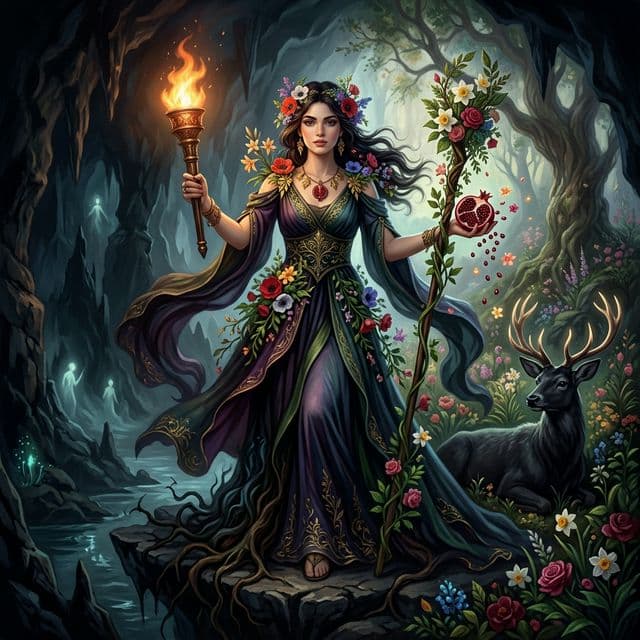
Queen of the Underworld and goddess of spring growth. Daughter of Zeus and Demeter, wife of Hades. Her annual return from the underworld brings spring; her descent brings winter.
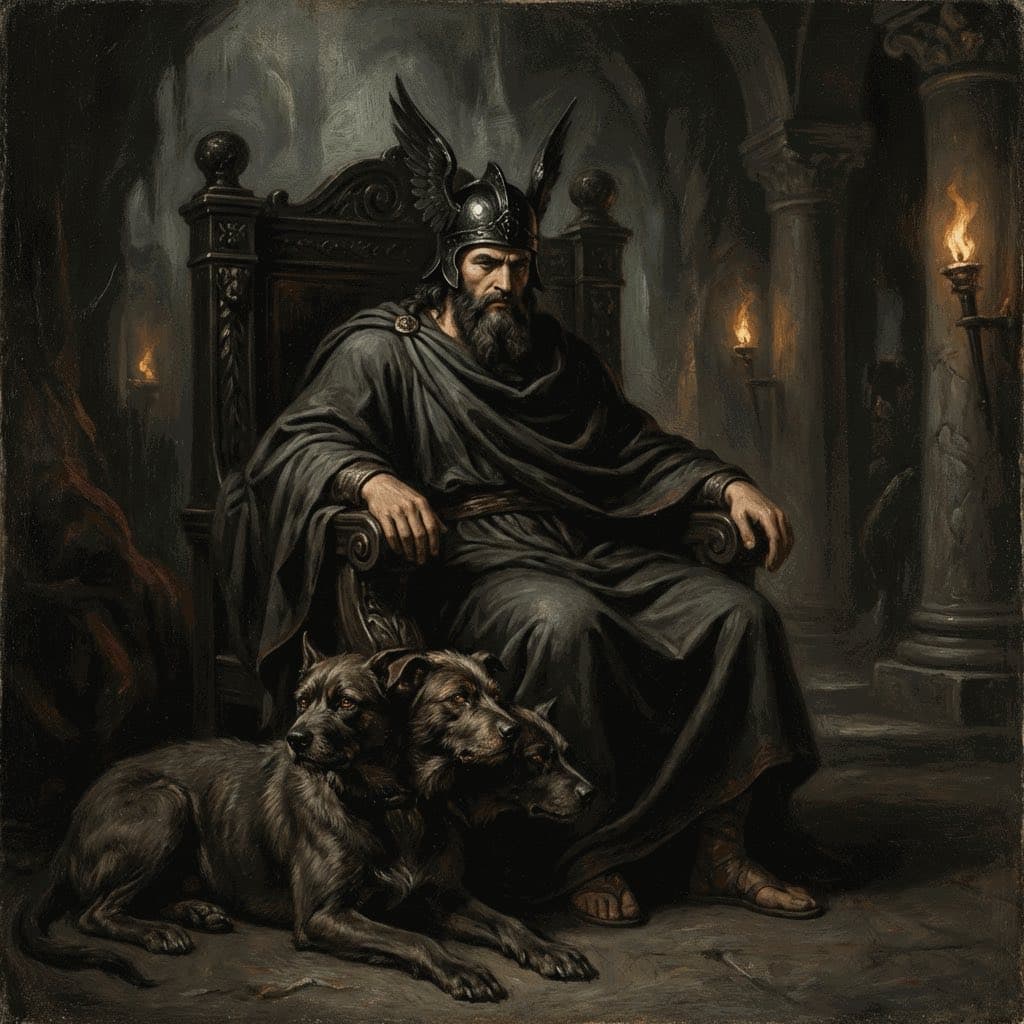
God of the underworld and the dead. Ruler of the realm of Hades, rarely leaving his kingdom.
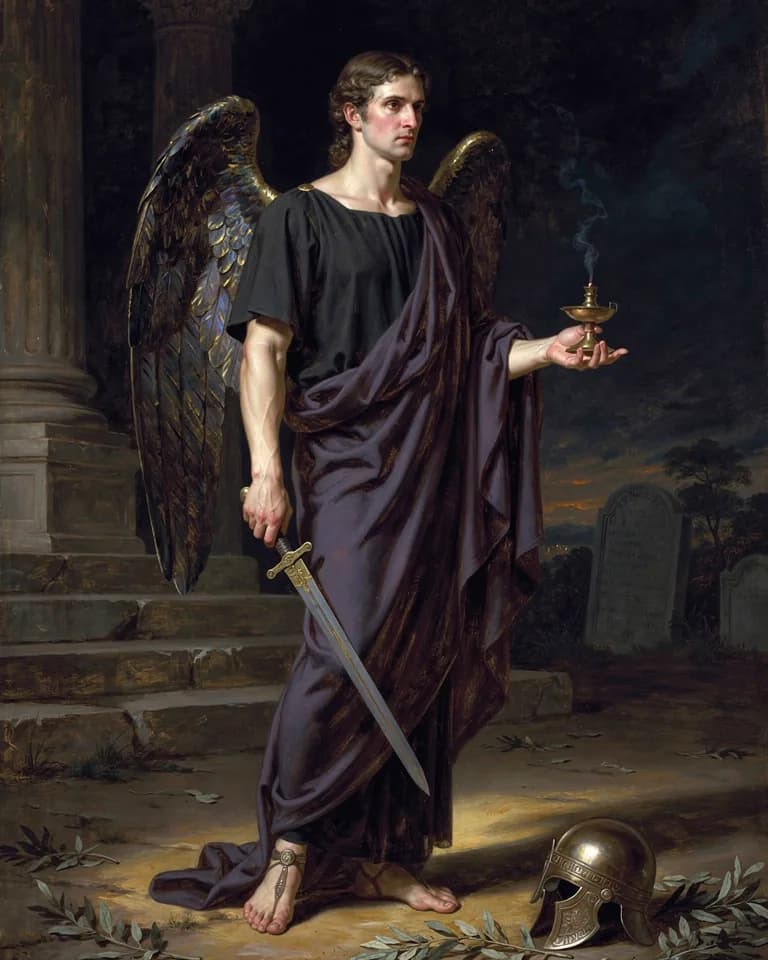
Death personified, son of Night and twin brother of Sleep (Hypnos). Hesiod gives him a heart of iron, hated even by the gods; in the Iliad the twins carry the fallen Sarpedon home to Lycia, and in Euripides Heracles wrestles him for the life of Alcestis.
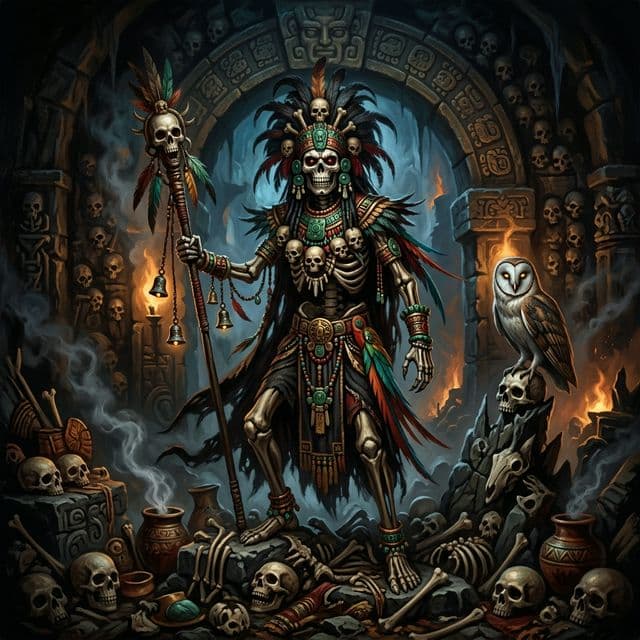
The Maya god of death and ruler of Metnal, the lowest level of the underworld. Depicted as a skeletal figure with exposed bones and decay, Ah Puch represents the terror of death.
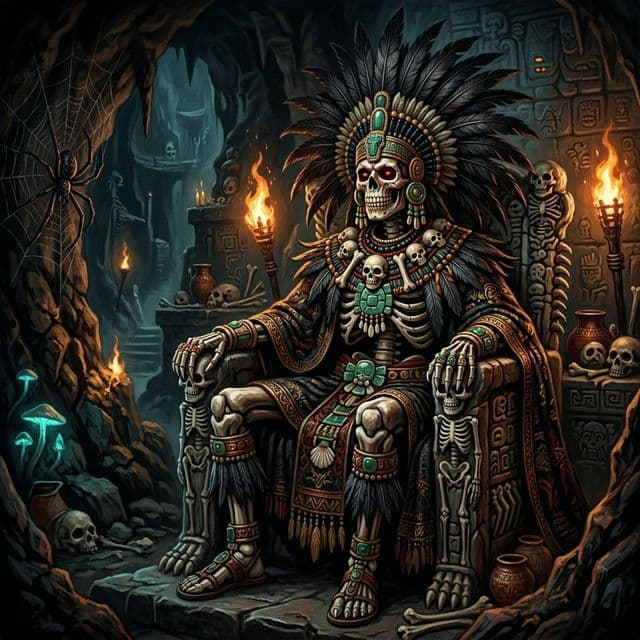
The Aztec god of death and ruler of Mictlan, the deepest underworld realm. A skeletal figure wearing owl feathers, Mictlantecuhtli received the souls of those who died of natural causes.
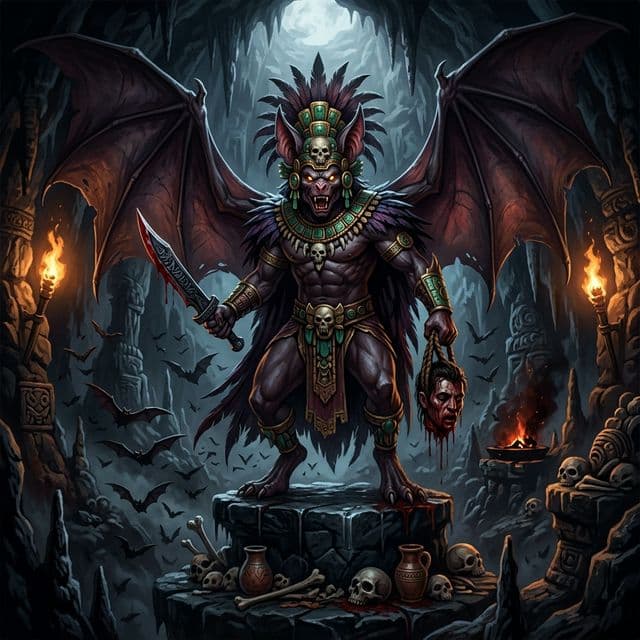
The terrifying bat god of death and sacrifice. Camazotz dwells in the House of Bats in Xibalba, decapitating those who fail to survive the underworld's trials.
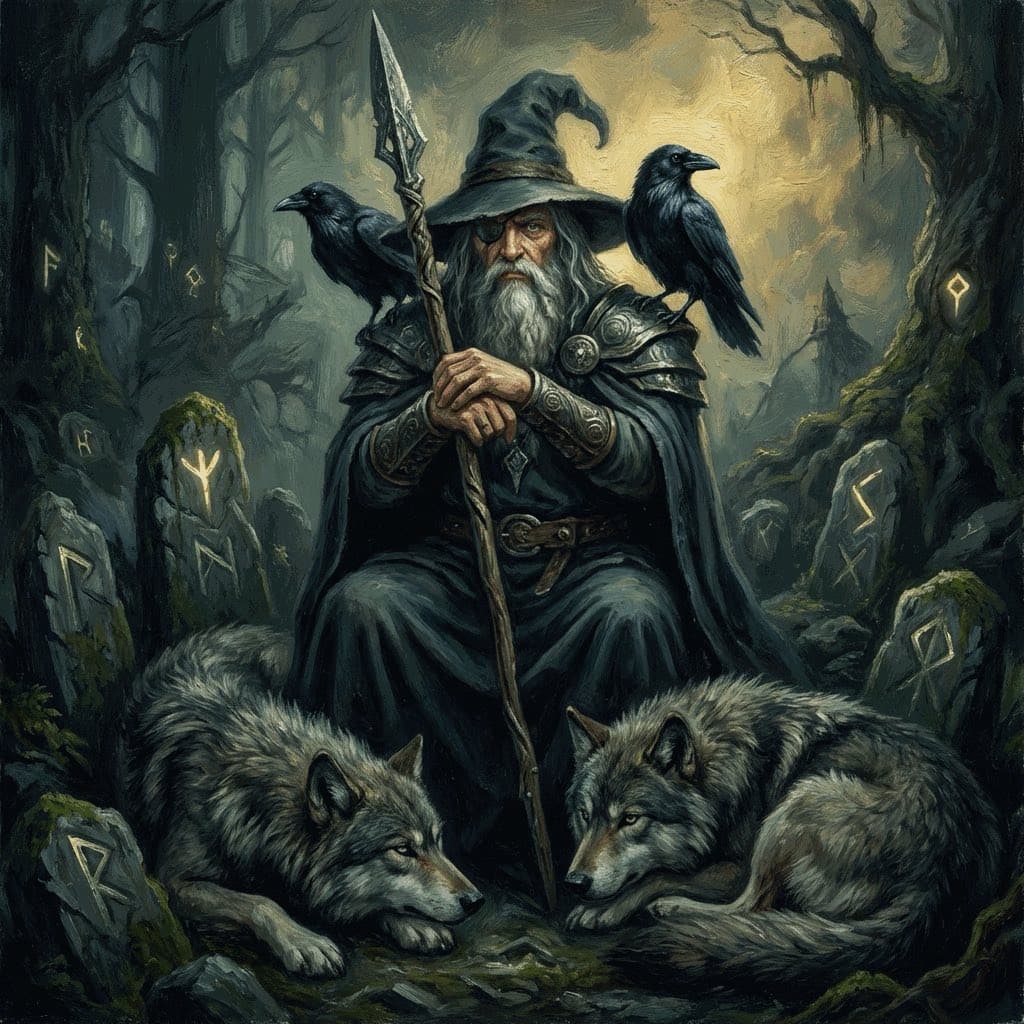
King of the Aesir and god of wisdom, war, and death. Odin sacrificed his eye at Mimir's well for wisdom and hung himself on Yggdrasil for nine days to learn the runes.
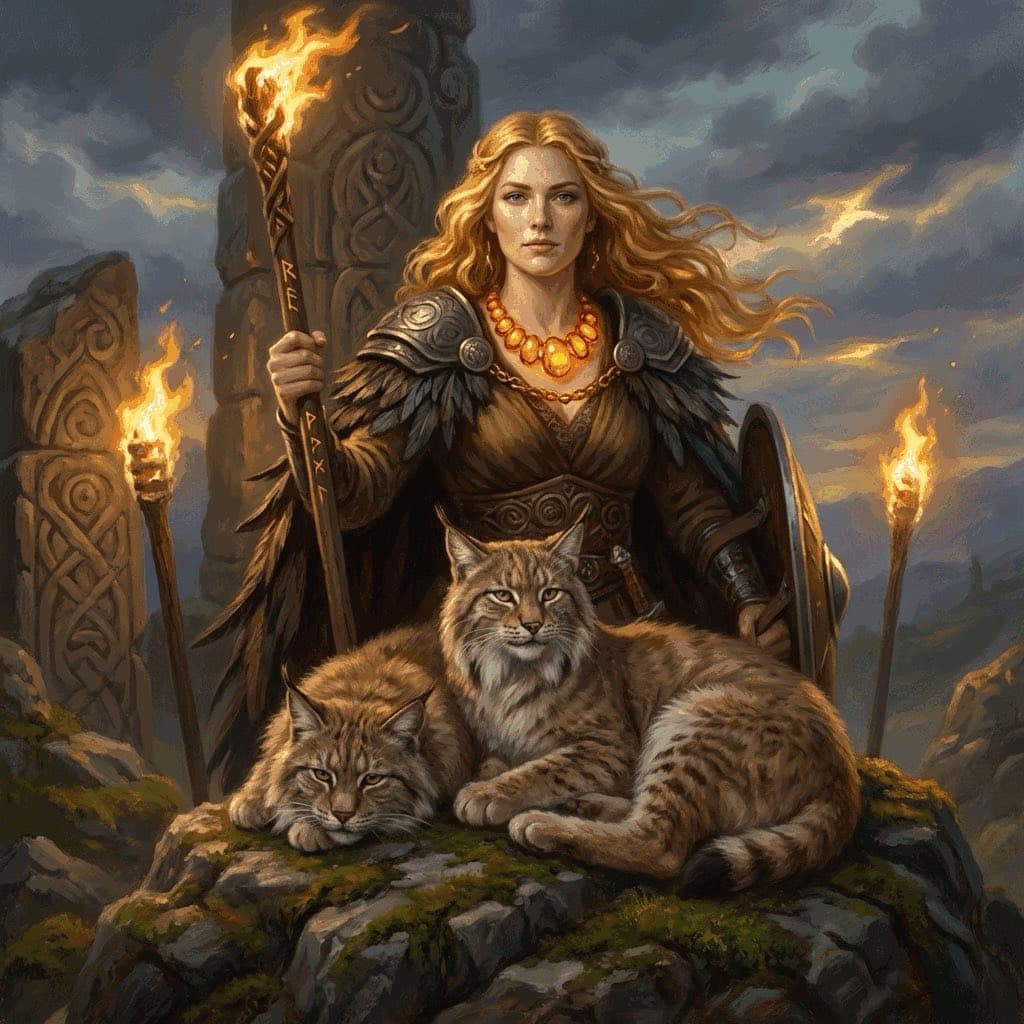
Most renowned of the Vanir, goddess of love, beauty, and fertility, but also associated with war and death. She receives half of those who die in battle in her hall Folkvangr.
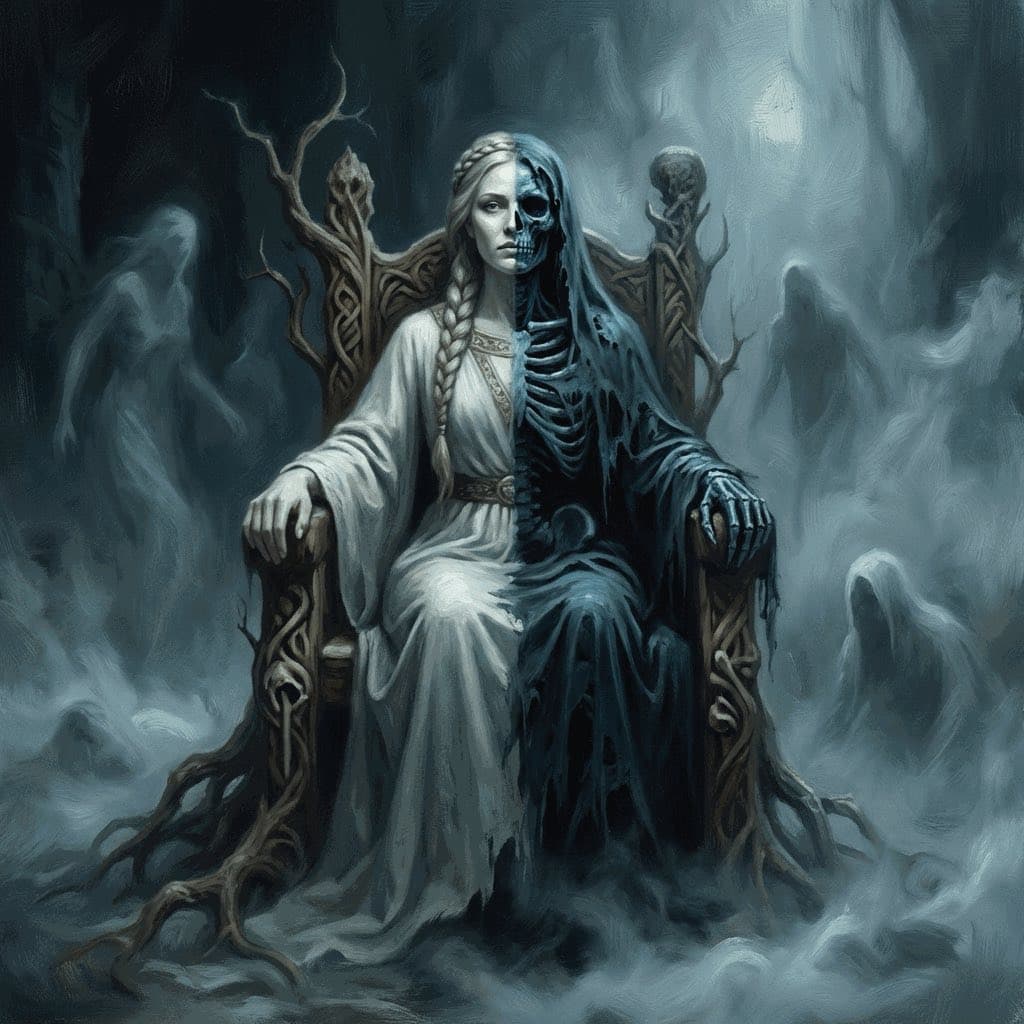
Goddess and ruler of the underworld realm of the dead (also called Hel or Helheim). Daughter of Loki. Her realm receives those who die of sickness or old age.
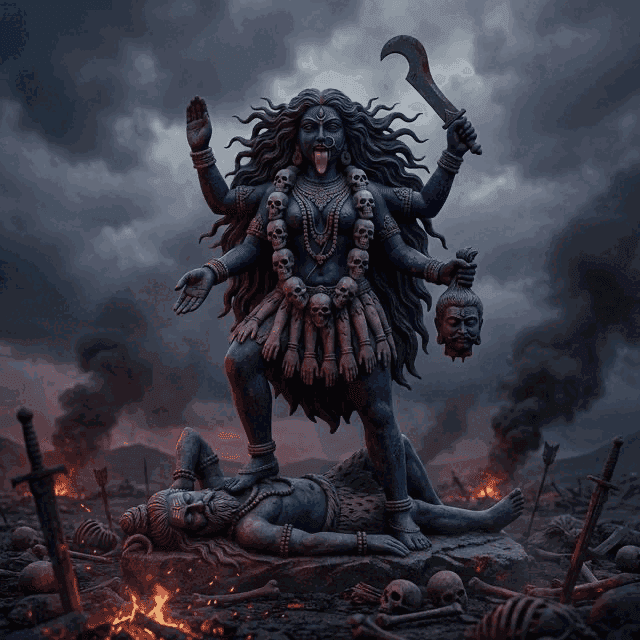
Fierce goddess of time, change, death, and ultimate reality. A form of Parvati/Durga. Despite her terrifying appearance, she destroys evil and liberates devotees from ego and illusion.
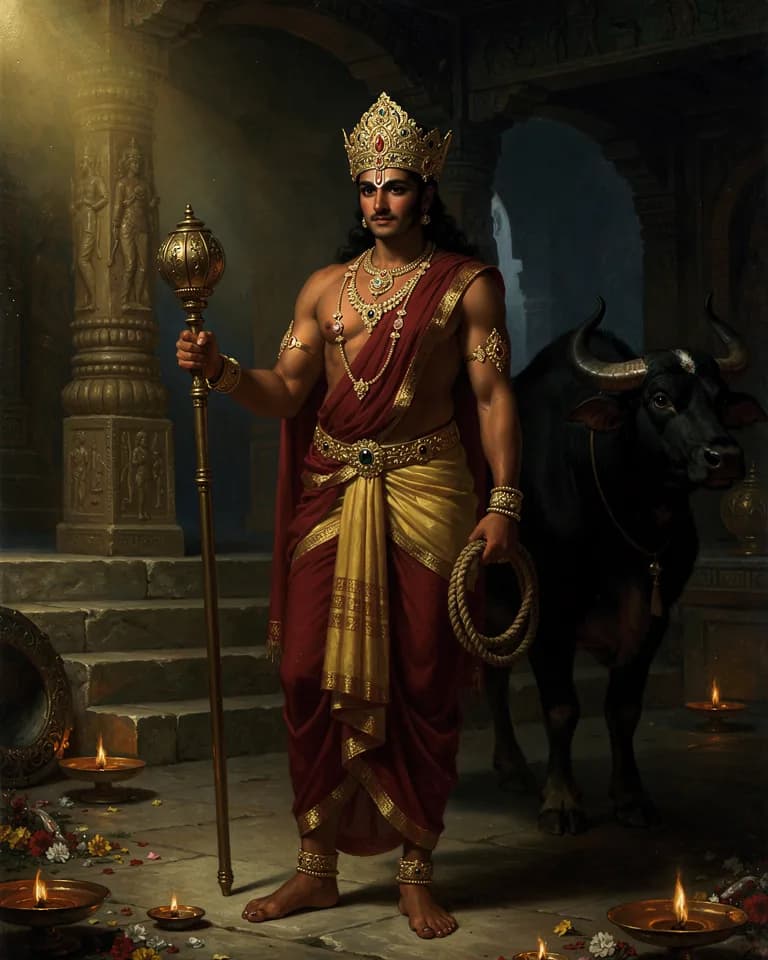
God of death and, in later tradition, the formal judge of the dead. The Rigveda names Yama as the first mortal to die, who found the path to the afterlife that all who follow him must travel; later texts make him ruler of Yamaloka and keeper of cosmic and moral order.
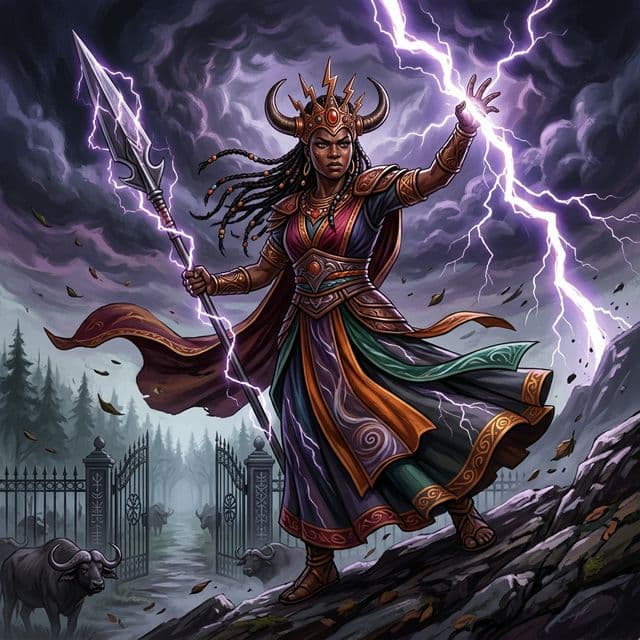
The Orisha of wind, storms, and transformation. Oya is a fierce warrior goddess who controls the forces of change and guards the cemetery gates.
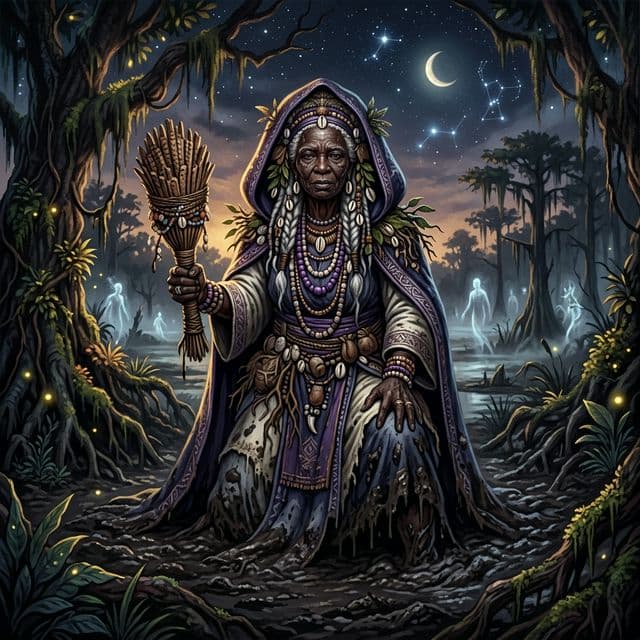
The ancient grandmother Orisha of swamps and primordial mud. Nana Buruku is older than even Olodumare in some traditions.
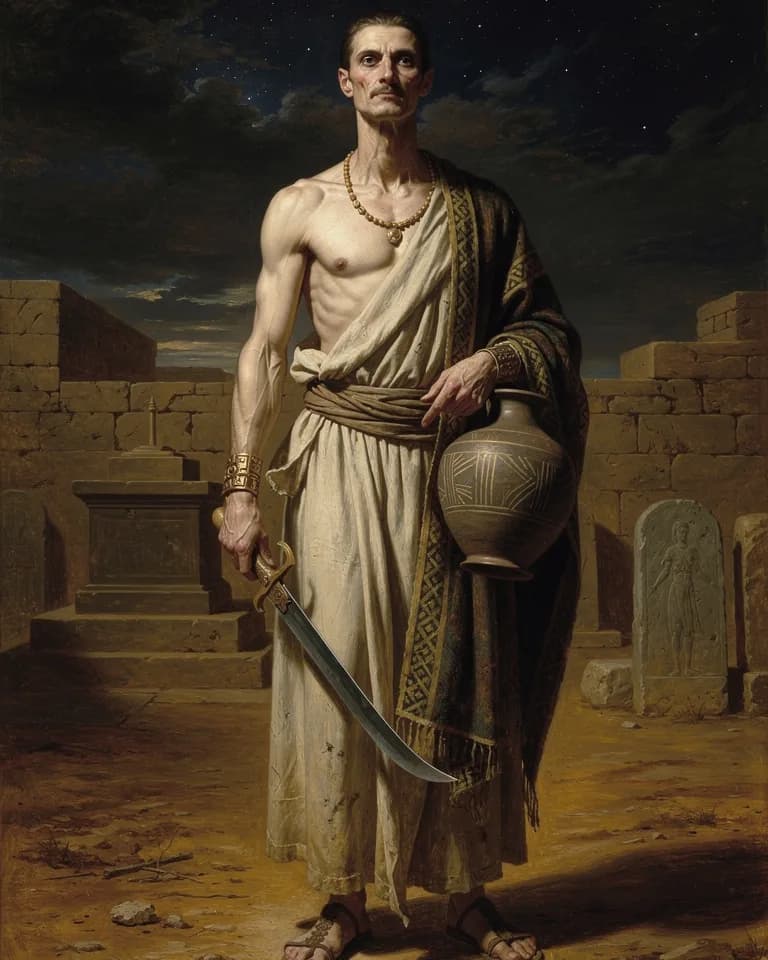
Death personified, whose throat reaches to the heavens and whose lip touches the earth, who swallows Baal and is himself destroyed by Anat and then fights Baal to a standstill.
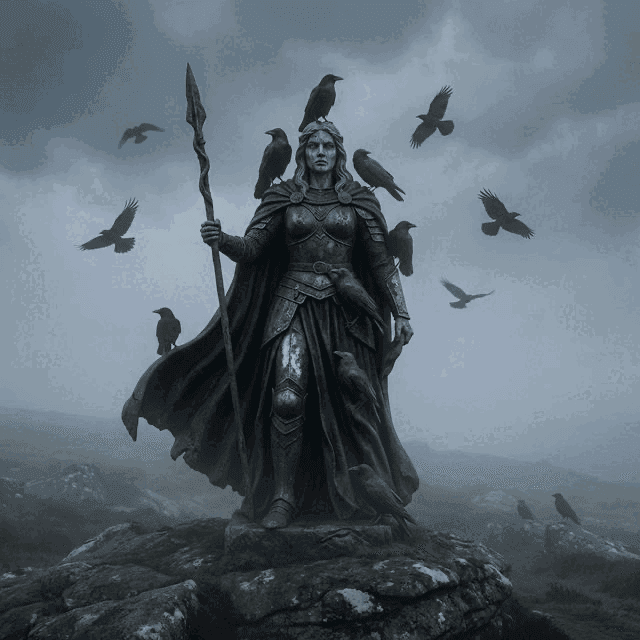
A shapeshifting goddess of war and fate, often appearing as a crow to foretell doom or victory. She represents the terrifying power of sovereignty.
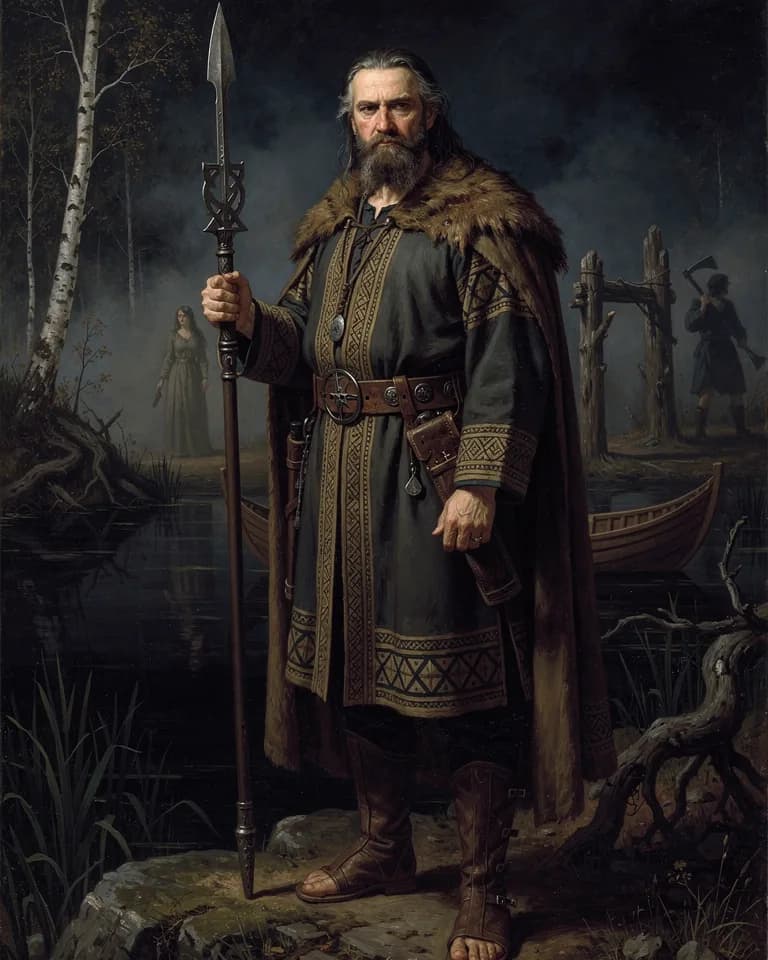
The lord of Tuonela, the land of the dead beyond a dark river, whose daughter ferries the dead, whose son hacks Lemminkäinen to pieces, and whose realm Väinämöinen escapes only by turning himself into a serpent.
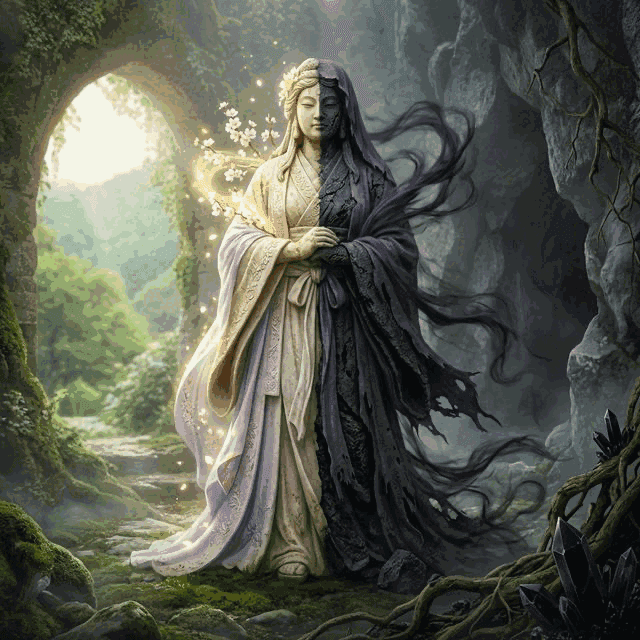
Female primordial deity who created the Japanese islands and kami with Izanagi. After dying in childbirth, she became goddess of death and ruler of Yomi.
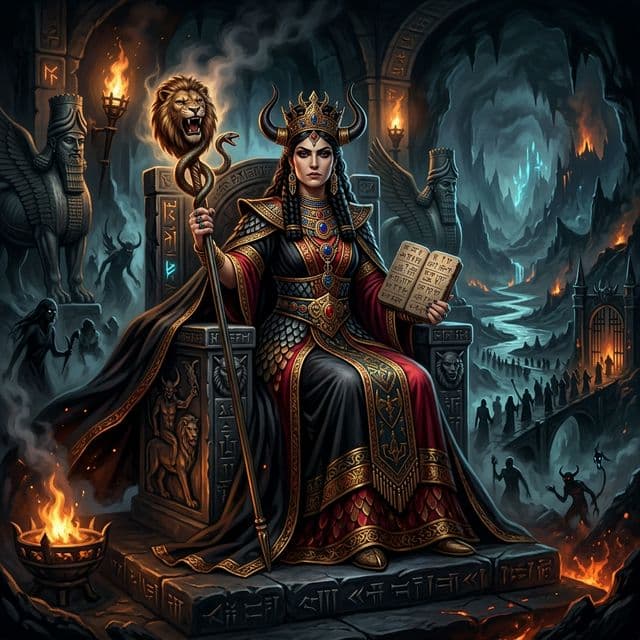
Queen of the Underworld and sister of Inanna. Ereshkigal rules the land of no return with absolute authority, from which no one, god or mortal, escapes unchanged.
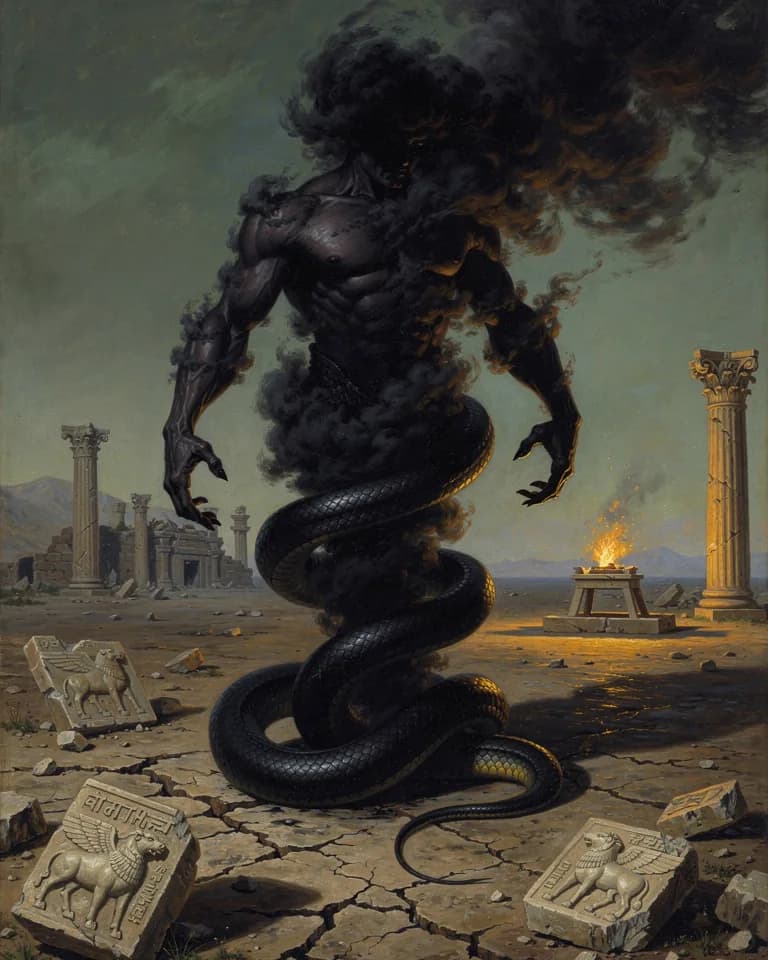
The Hostile Spirit of Zoroastrianism, source of death, lies, and every plague, who in the Vendidad 'counter-creates' an evil against each good land Ahura Mazda makes, and who will be defeated at the end of time.
Editorial comparisons recorded on these entries; a shared role does not establish a shared origin.
Both rule realms of the dead that receive those who did not die gloriously in battle
Compare Hades and HelHel (Norse) and Ereshkigal (Mesopotamian)
Ereshkigal already lists Hel; both are goddesses who preside grimly over a shadowy realm of the dead
Compare Hel and EreshkigalHel (Norse) and Izanami (Japanese)
Both are goddesses who, after their own death, become ruler of an underworld realm that receives the dead
Compare Hel and IzanamiAnubis (Egyptian) and Xolotl (Aztec)
Xolotl already lists Anubis; both are canine-associated death gods who guide souls through the underworld
Compare Anubis and XolotlKali (Hindu) and The Morrígan (Celtic)
Both are goddesses of death, time, and fate who preside over destruction as a path to renewal
Compare Kali and The MorríganKali (Hindu) and Coatlicue (Aztec)
Both are 'terrible mother' goddesses adorned with symbols of death (a skull necklace vs. a skirt of serpents and a necklace of hands and hearts) who embody the life-death-rebirth cycle
Compare Kali and CoatlicueEreshkigal (Mesopotamian) and Hades (Greek)
Both rule the underworld with absolute authority
Compare Ereshkigal and HadesAh Puch (Mesoamerican) and Mictlantecuhtli (Mesoamerican)
Both are skeletal death gods ruling the underworld
Compare Ah Puch and MictlantecuhtliAh Puch (Mesoamerican) and Hades (Greek)
Both rule realms of the dead
Compare Ah Puch and HadesMictlantecuhtli (Mesoamerican) and Hades (Greek)
Both rule underworld realms that receive ordinary dead
Compare Mictlantecuhtli and HadesOya (Yoruba) and Freyja (Norse)
Both are powerful warrior goddesses associated with death and transformation
Compare Oya and FreyjaPersephone (Greek) and Ereshkigal (Mesopotamian)
Both are queens of the underworld, though Ereshkigal was always a chthonic deity rather than an abducted goddess
Compare Persephone and EreshkigalYama (Hindu) and Hades (Greek)
Both are gods who rule and judge the realm of the dead, though Yama's Vedic origin as the first mortal to die has no close Greek parallel
Compare Yama and HadesMictecacihuatl (Aztec) and Ereshkigal (Mesopotamian)
Both are queens who rule the underworld jointly with, or alongside, a consort presiding over the realm of the dead
Compare Mictecacihuatl and EreshkigalMot (Canaanite) and Hades (Greek)
Both are gods of death who hold a divine figure in the underworld; unlike Hades, Mot is death itself rather than the ruler of the dead, and he never rules a structured realm of souls.
Compare Mot and HadesTuoni (Finnish) and Hades (Greek)
Both rule a land of the dead reached across a river with a ferryman (Tuoni's daughter, Charon), from which a living visitor returns only with difficulty.
Compare Tuoni and HadesBuilt from each deity's catalog entry. See every domain side by side on Divine Domains, or browse every cross-pantheon parallel.