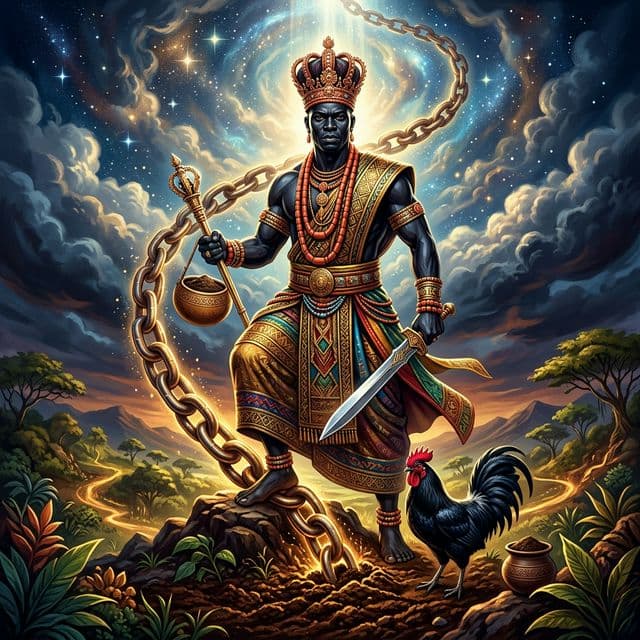
Oduduwa
The progenitor deity of the Yoruba people and legendary first king of Ife. Oduduwa descended from heaven to create the earth and establish human civilization.
Divine domains
16 deities from 12 traditions whose entries in this atlas list earth among their domains, grouped by tradition.
The progenitor deity of the Yoruba people and legendary first king of Ife. Oduduwa descended from heaven to create the earth and establish human civilization.
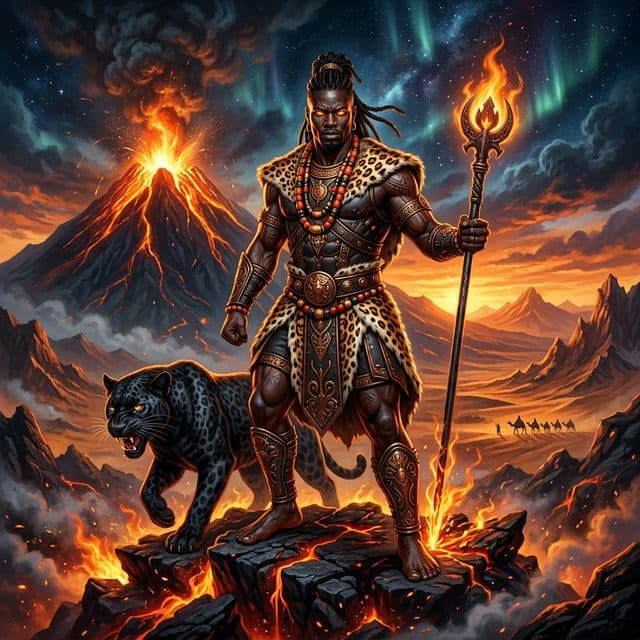
The Orisha of volcanoes, wilderness, and the untamed earth. Aganju represents the raw, primal power of the natural world.
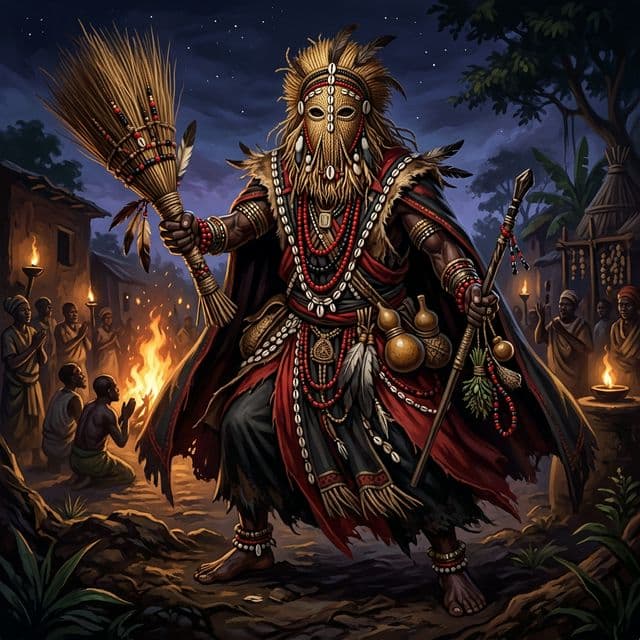
The feared Orisha of disease, particularly smallpox. Shopona punishes wrongdoers with illness but also heals those who honor him.
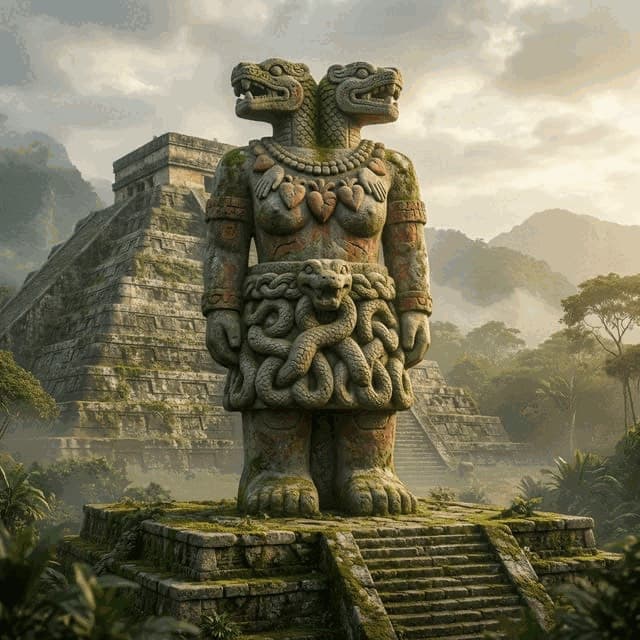
Earth mother goddess who gave birth to the moon, stars, and Huitzilopochtli. Depicted wearing a skirt of writhing serpents and a necklace of human hearts and hands.
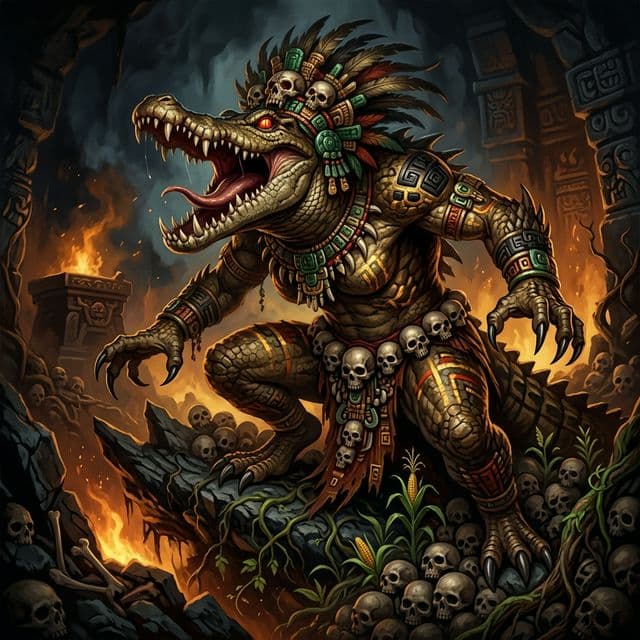
The monstrous earth deity from whose dismembered body the world was created. Tlaltecuhtli devours the dead and demands blood in return for crops, embodying the earth's duality as giver and taker of life.

The woman who falls from the Sky World through a hole torn open when a great tree is uprooted, and is caught and set on the back of the Great Turtle, whose back becomes Turtle Island.

The turtle on whose back Sky Woman is set as she falls from the Sky World, and whose back, built up with earth by other animals, becomes Turtle Island, the Haudenosaunee name for the continent.

The earth in Akan religion, honoured with libations rather than temples. Her day-name, Yaa, marks her as Thursday-born, and in many Asante areas the land was not farmed on her day.
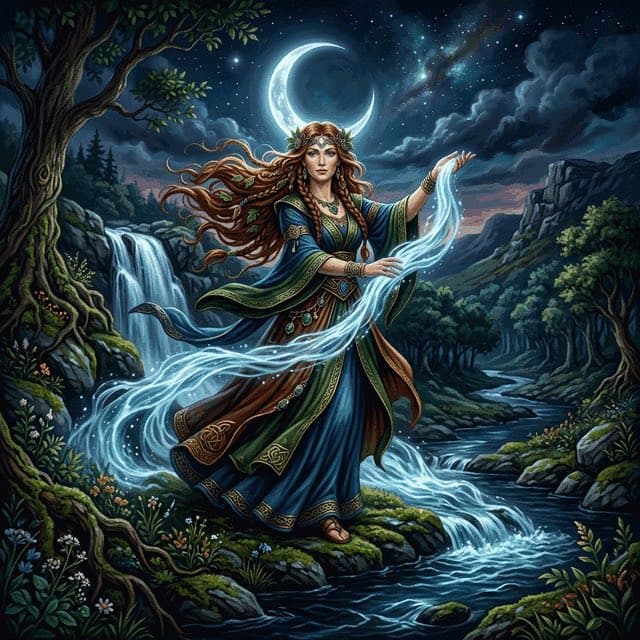
The primordial mother goddess whose name lives on in the Tuatha Dé Danann, the divine tribe of Ireland. Though rarely appearing in myths directly, her presence permeates the land itself.
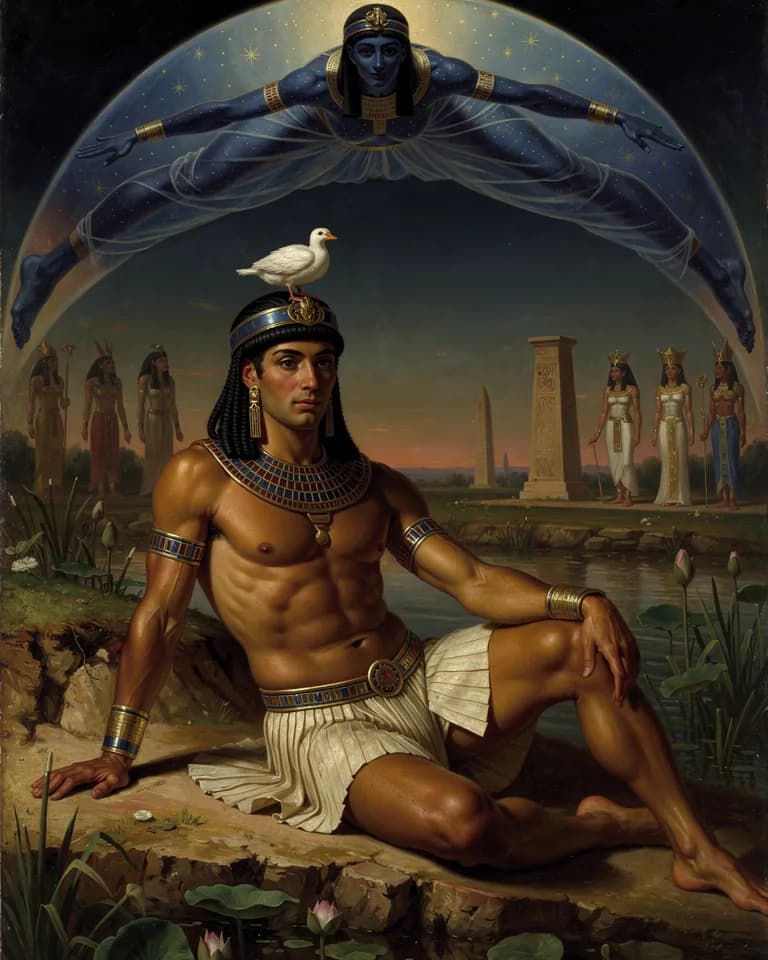
God of the earth, son of Shu, consort of Nut, and father of Osiris, Isis, Set, and Nephthys. Geb is depicted reclining beneath the arched figure of Nut, and stands within the Ennead's line of divine kingship passed down from Atum through Shu to Osiris.
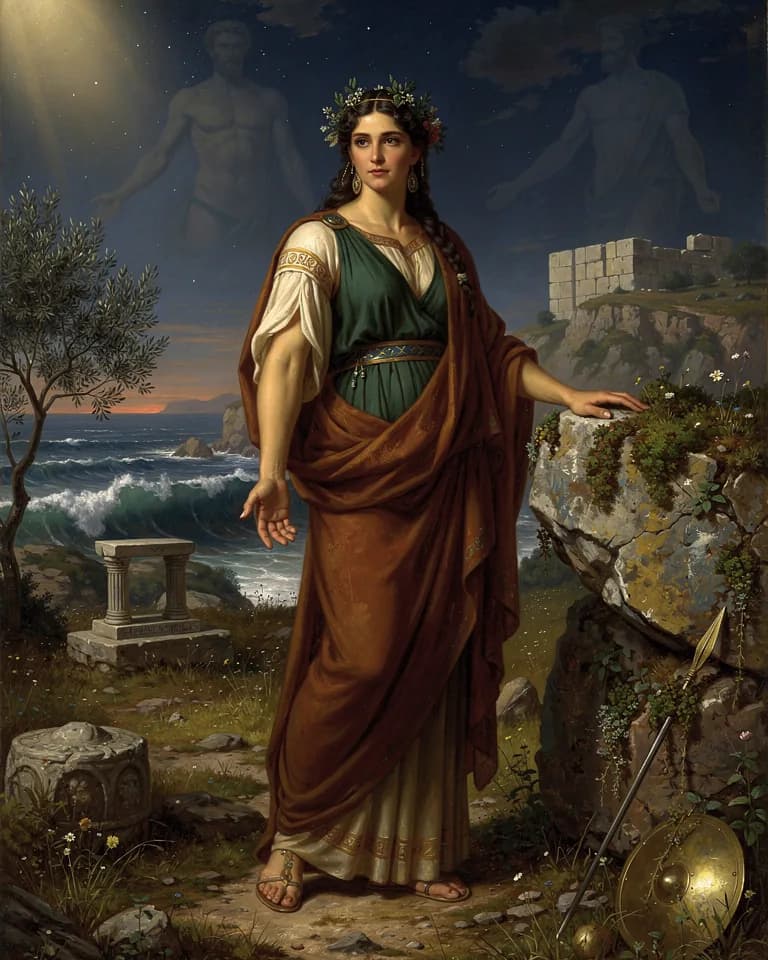
Primordial goddess of the Earth, one of the first beings to emerge from Chaos. Gaia is the mother of the sky (Uranus), the sea (Pontus), the Titans, the Cyclopes, and, through the blood of Uranus, the Giants and the Furies.
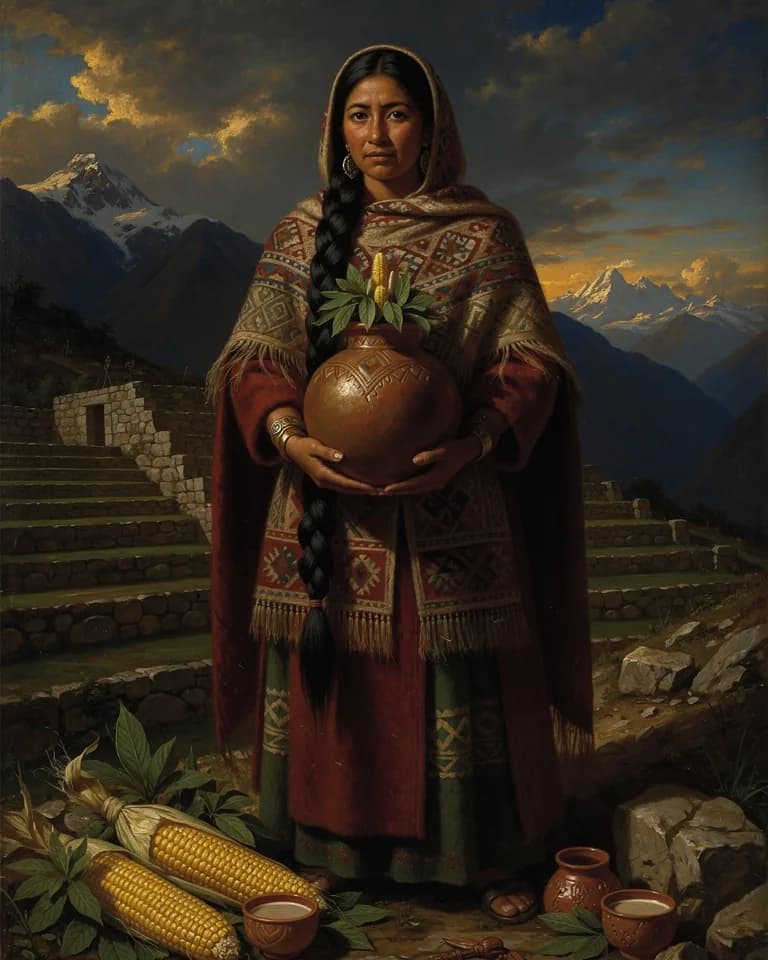
The Earth Mother of the Andes, recorded by colonial writers as receiving offerings of maize beer and coca in the fields, and still honored by Quechua and Aymara communities today.
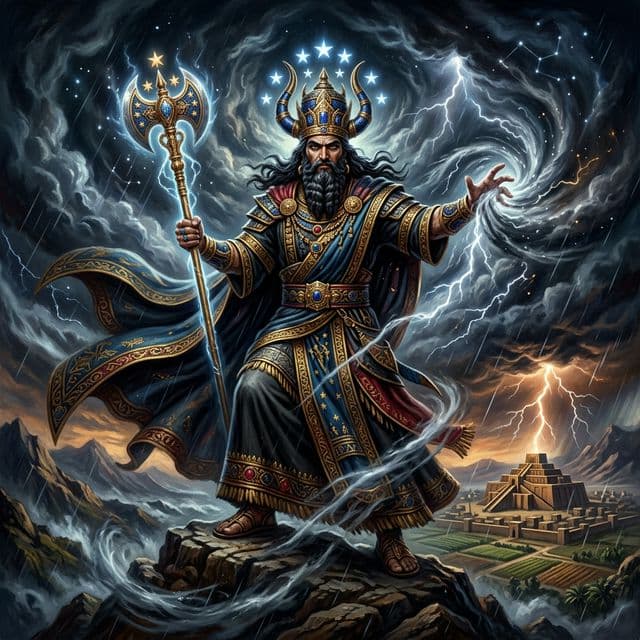
Lord of wind, storms, and the breath of life. Enlil is the executive authority of the gods, wielding the Tablet of Destinies and determining the fates of gods and mortals.
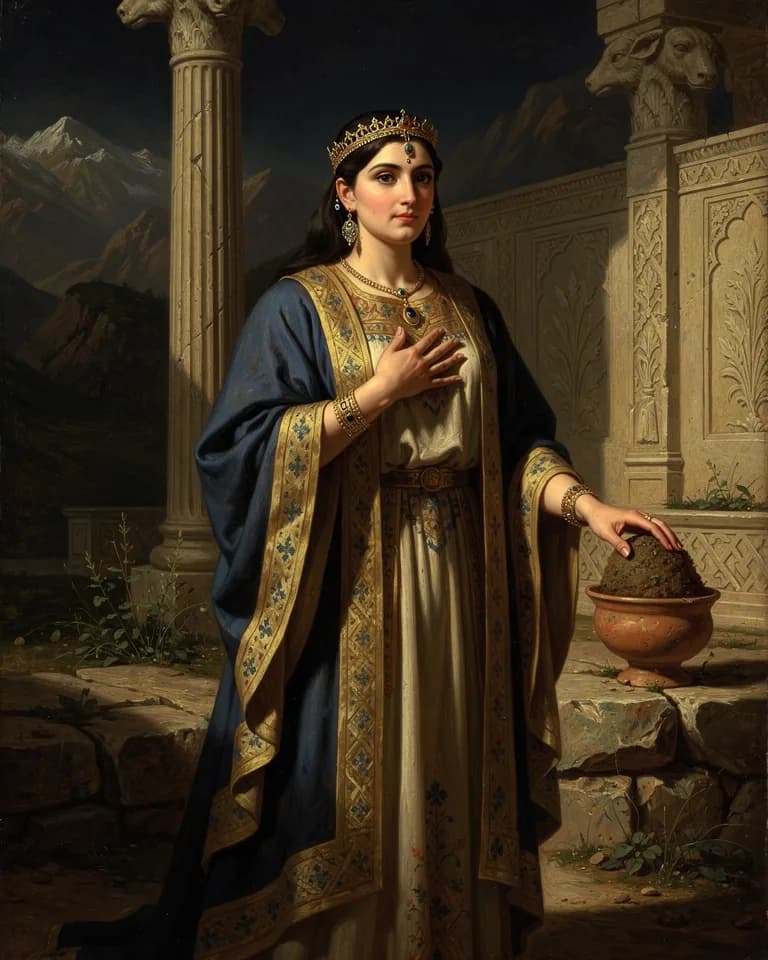
One of the Amesha Spentas, the Beneficent Immortals: devotion personified, called Ahura Mazda's daughter in the Gathas, and in later tradition the guardian of the earth, whom Yima asks to stretch wider to hold the growing world.
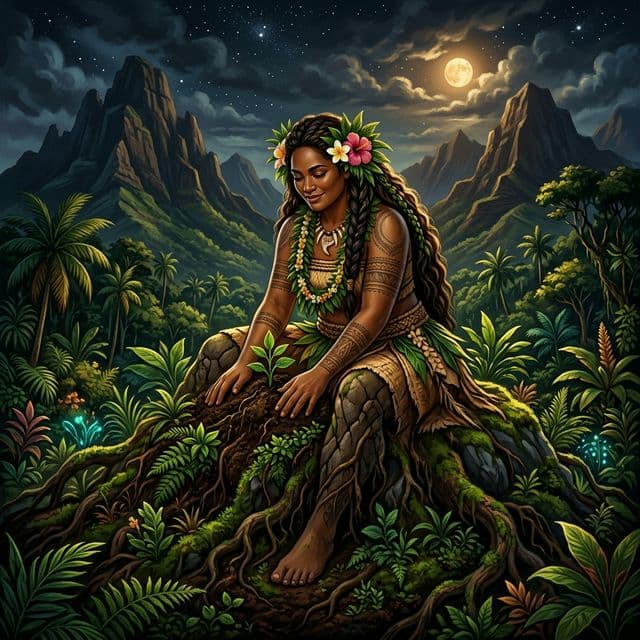
The Earth Mother, wife of Rangi the Sky Father. Papa lay in eternal embrace with Rangi until their children separated them, bringing light into the world. She remains the foundation upon which all life exists.
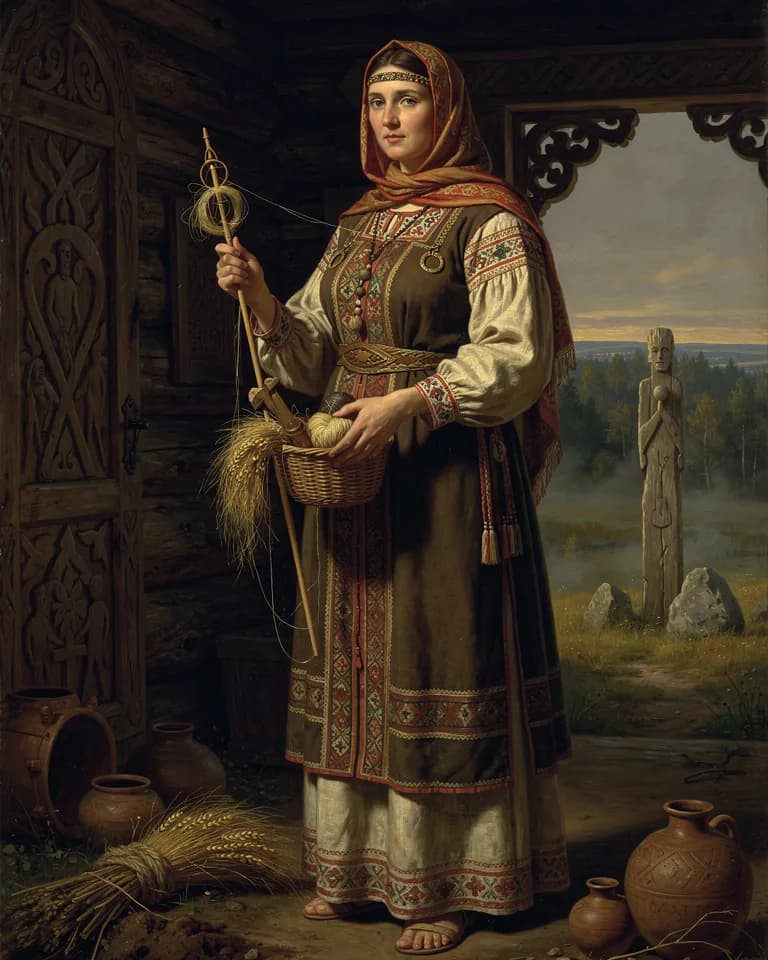
The only goddess among Vladimir's six idols of 980, later folk memory keeps her as a spirit watching over spinning and women's household work.
Editorial comparisons recorded on these entries; a shared role does not establish a shared origin.
Tlaltecuhtli (Aztec) and Gaia (Greek)
Both are primordial earth deities from whom the world emerged
Compare Tlaltecuhtli and GaiaPapa (Polynesian) and Gaia (Greek)
Both are primordial earth goddesses and mothers of the gods
Compare Papa and GaiaGeb (Egyptian) and Gaia (Greek)
Both personify the earth as a primordial parent within their pantheon's cosmogony, though Egyptian tradition genders the earth as male rather than female
Compare Geb and GaiaAsase Yaa (Akan) and Gaia (Greek)
Both are the earth personified as a primordial female power beneath the sky
Compare Asase Yaa and GaiaPachamama (Inca and Andean) and Gaia (Greek)
Both personify the earth as a mother, though Gaia has a developed genealogy and mythology in Hesiod while Pachamama is attested chiefly through agricultural offerings.
Compare Pachamama and GaiaBuilt from each deity's catalog entry (matching “earth”, “the earth”). See every domain side by side on Divine Domains, or browse every cross-pantheon parallel.