Mythos Atlas

Side by sideParallel across traditions

Hades vs Tuoni

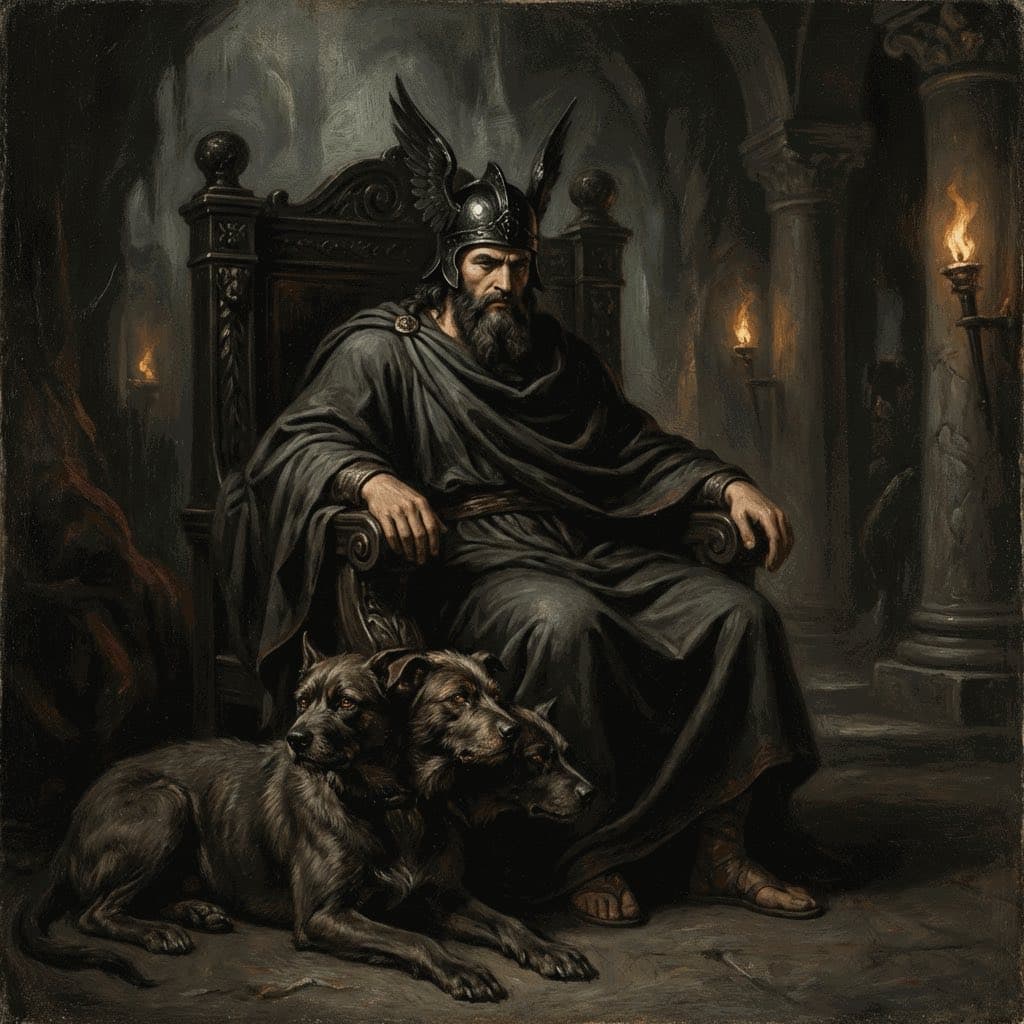
Hades
HadesGreek
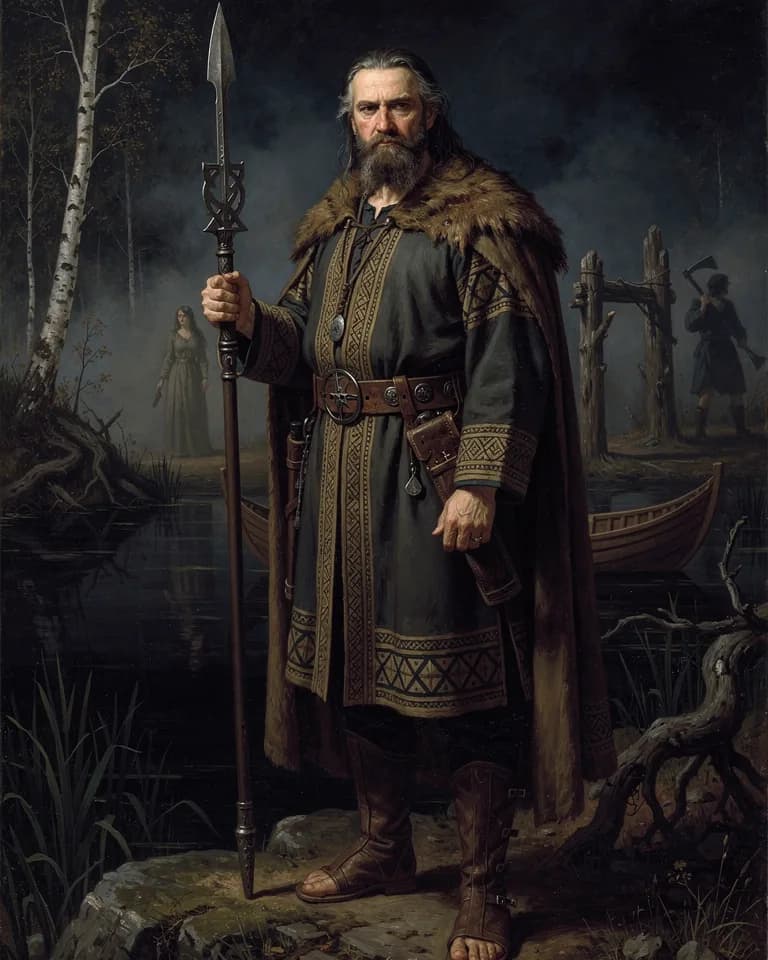
Tuoni
TuoniFinnish Tradition (Kalevala)

Both rule a land of the dead reached across a river with a ferryman (Tuoni's daughter, Charon), from which a living visitor returns only with difficulty.

At a glance

Hades and Tuoni compared
HadesTuoni
TraditionGreek PantheonFinnish Tradition (Kalevala)
Domainsunderworld, death, wealthdeath, the underworld (Tuonela)
Symbolshelm of darkness, bident, Cerberus, cornucopiathe black river, the swan of Tuonela, iron nets
Also calledPluto, PloutonTuonen herra (Lord of Tuoni), Mana

Where they meet

Both are associated with death.

Where they part

Only Hades

Associated with underworld and wealth.

Only Tuoni

Associated with the underworld (tuonela).

How each was worshipped

Hades

Cult sites
Few civic temples; the Nekromanteion at Ephyra; Eleusis, where he is named with Persephone
Festivals
Eleusinian Mysteries (as receiver of Kore); Averted offerings

Greeks preferred not to build him a house in town. They poured to the ground, used black victims, and often would not say his name. Eleusis is the public exception: the husband of the grain's daughter, not a devil.

Tuoni

Festivals
Kekri, the traditional autumn harvest feast, when the spirits of the dead were believed to visit and were offered food (a festival of the dead in general, not of Tuoni himself).

Care for the dead through memorial meals and offerings at graves; charms to keep death and the dead in Tuonela.

The two figures

Greek Pantheon

Hades

God of the underworld and the dead. Ruler of the realm of Hades, rarely leaving his kingdom.

Hades rules the underworld not as a devil figure but as a stern, lawful monarch of the dead. Greek religion treats him as unavoidable, distant, and powerful rather than chaotic. He governs the wealth hidden in the earth as well as the souls that descend beneath it, which is why later traditions also call him Plouton, "the wealthy one."

Read the full Hades entry

Finnish Tradition (Kalevala)

Tuoni

The lord of Tuonela, the land of the dead beyond a dark river, whose daughter ferries the dead, whose son hacks Lemminkäinen to pieces, and whose realm Väinämöinen escapes only by turning himself into a serpent.

No origin is told.

Finnish folk tradition places the dead in Tuonela, also called Manala ('the land under the earth'), reached by crossing a dark river. Its ruler, Tuoni, is a shadowy figure; his family is more vivid. The Kalevala names Tuoni's daughter (*Tuonen tytti*) as the ferrywoman, Tuonetar as the mistress of the house, and a son of Tuoni who is a killer.

Read the full Tuoni entry
About this comparison

Comparisons pair figures that play a similar role across traditions, or that the myths connect within one. A shared role does not, by itself, establish a shared origin.