Side by sideSiblings

Demeter vs Hades

Demeter
DemeterGreek
Hades
HadesGreek

Demeter and Hades are recorded as siblings in the Greek Pantheon.

At a glance

Demeter and Hades compared
DemeterHades
TraditionGreek PantheonGreek Pantheon
Domainsagriculture, harvest, fertility, sacred lawunderworld, death, wealth
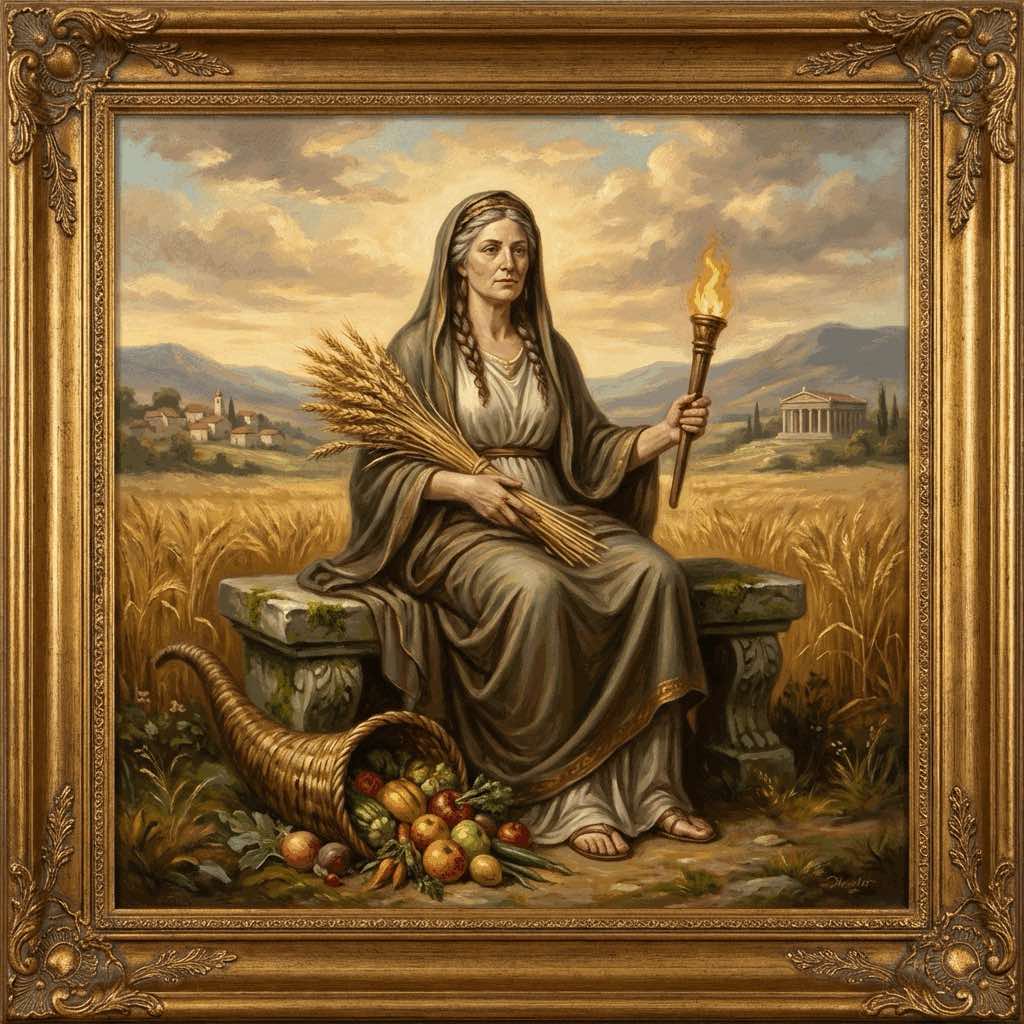
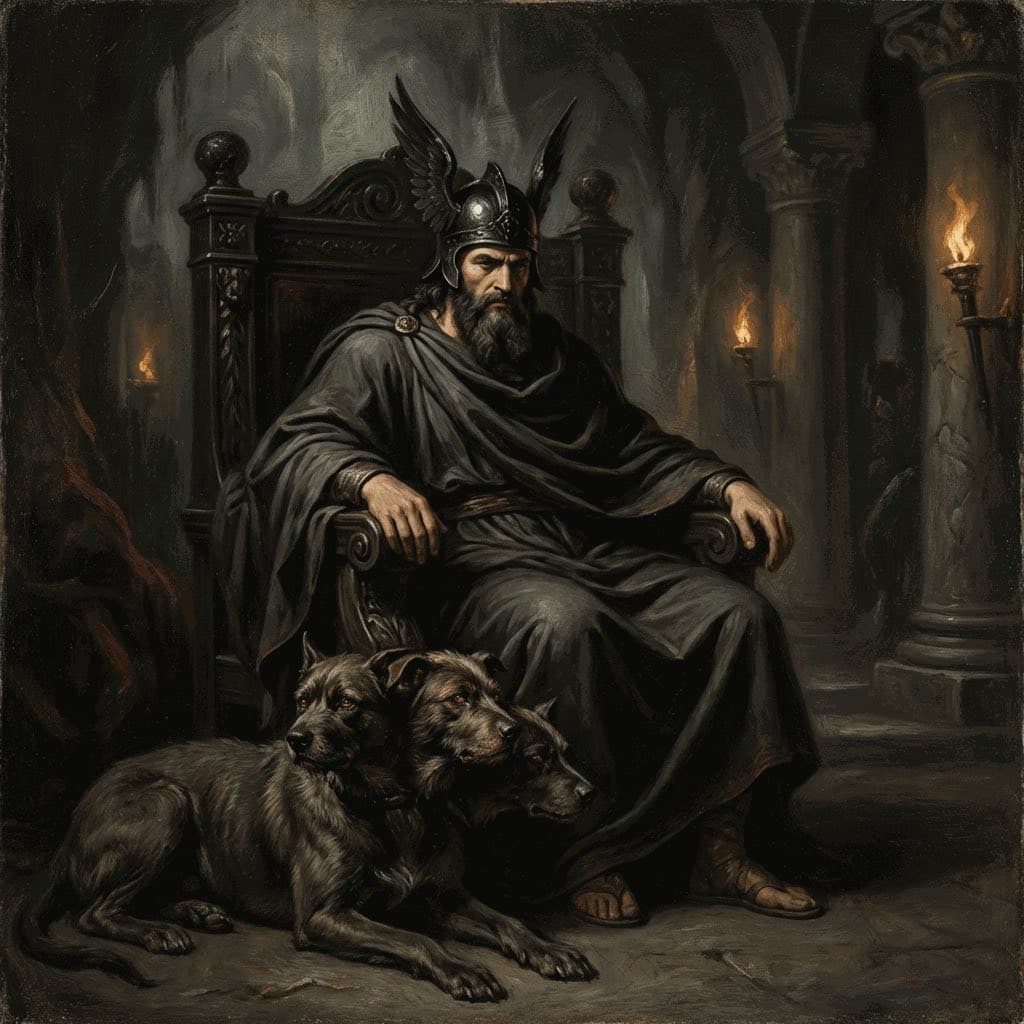
Symbolswheat, torch, cornucopia, poppieshelm of darkness, bident, Cerberus, cornucopia
Also calledCeresPluto, Plouton

Where they meet

They share a symbol: cornucopia.

  • cornucopia

Where they part

Only Demeter

Associated with agriculture, harvest, fertility, and sacred law.

Only Hades

Associated with underworld, death, and wealth.

How each was worshipped

Demeter

Cult sites
Telesterion at Eleusis; Thesmophorion sanctuaries in many cities
Festivals
Eleusinian Mysteries; Thesmophoria; Haloa

Grain and the mother's grief. Eleusis promised a better lot after death to initiates who could keep silence. The Thesmophoria was a women's festival of piglets and decayed offerings. Sicily claimed her as strongly as Attica.

Hades

Cult sites
Few civic temples; the Nekromanteion at Ephyra; Eleusis, where he is named with Persephone
Festivals
Eleusinian Mysteries (as receiver of Kore); Averted offerings

Greeks preferred not to build him a house in town. They poured to the ground, used black victims, and often would not say his name. Eleusis is the public exception: the husband of the grain's daughter, not a devil.

The two figures

Greek Pantheon

Demeter

Goddess of agriculture, harvest, and fertility. Mother of Persephone, whose abduction by Hades explains the seasons.

Demeter acts as the provider of food and the protector of marriage. She presides over the cycle of life and death through the harvest.

Read the full Demeter entry

Greek Pantheon

Hades

God of the underworld and the dead. Ruler of the realm of Hades, rarely leaving his kingdom.

Hades rules the underworld not as a devil figure but as a stern, lawful monarch of the dead. Greek religion treats him as unavoidable, distant, and powerful rather than chaotic. He governs the wealth hidden in the earth as well as the souls that descend beneath it, which is why later traditions also call him Plouton, "the wealthy one."

Read the full Hades entry
About this comparison

Comparisons pair figures that play a similar role across traditions, or that the myths connect within one. A shared role does not, by itself, establish a shared origin.