Side by sideParallel across traditions

Athena vs Minerva

Athena
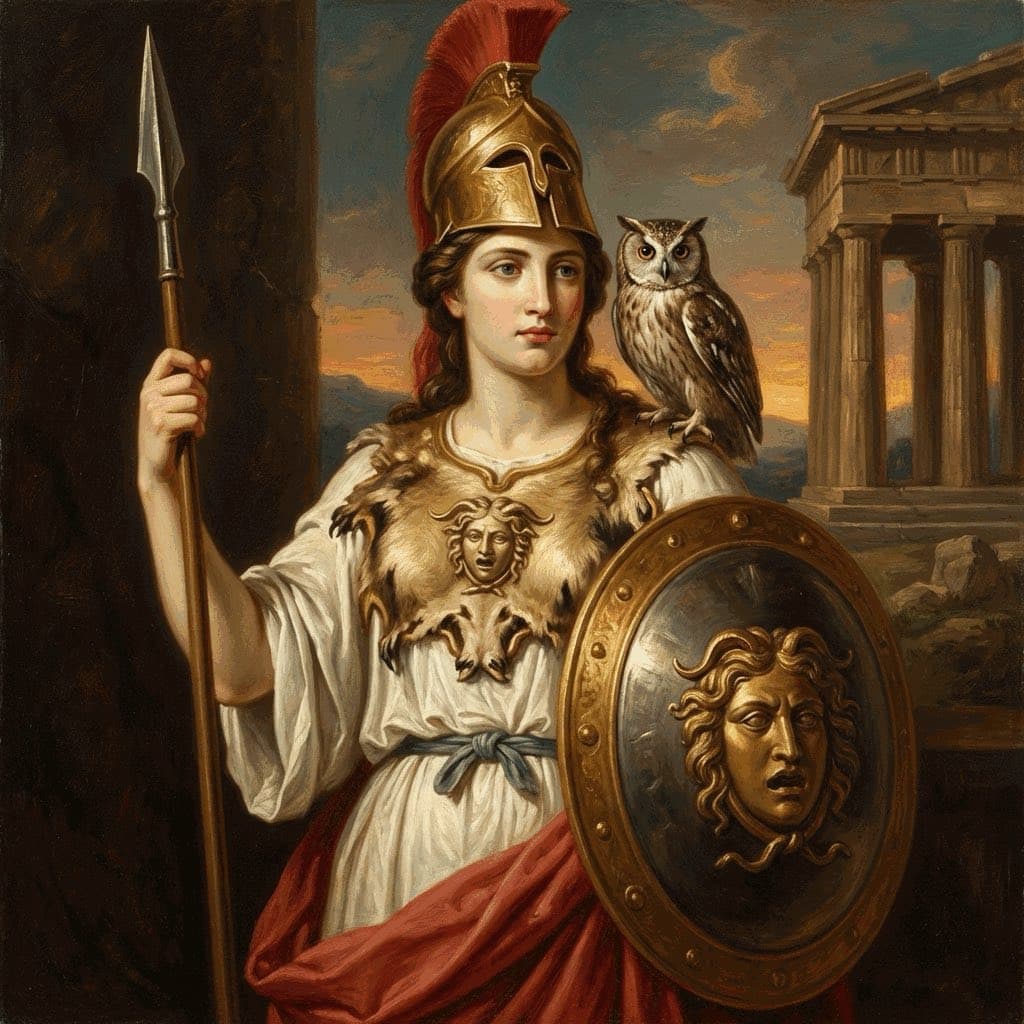
AthenaGreek
Minerva
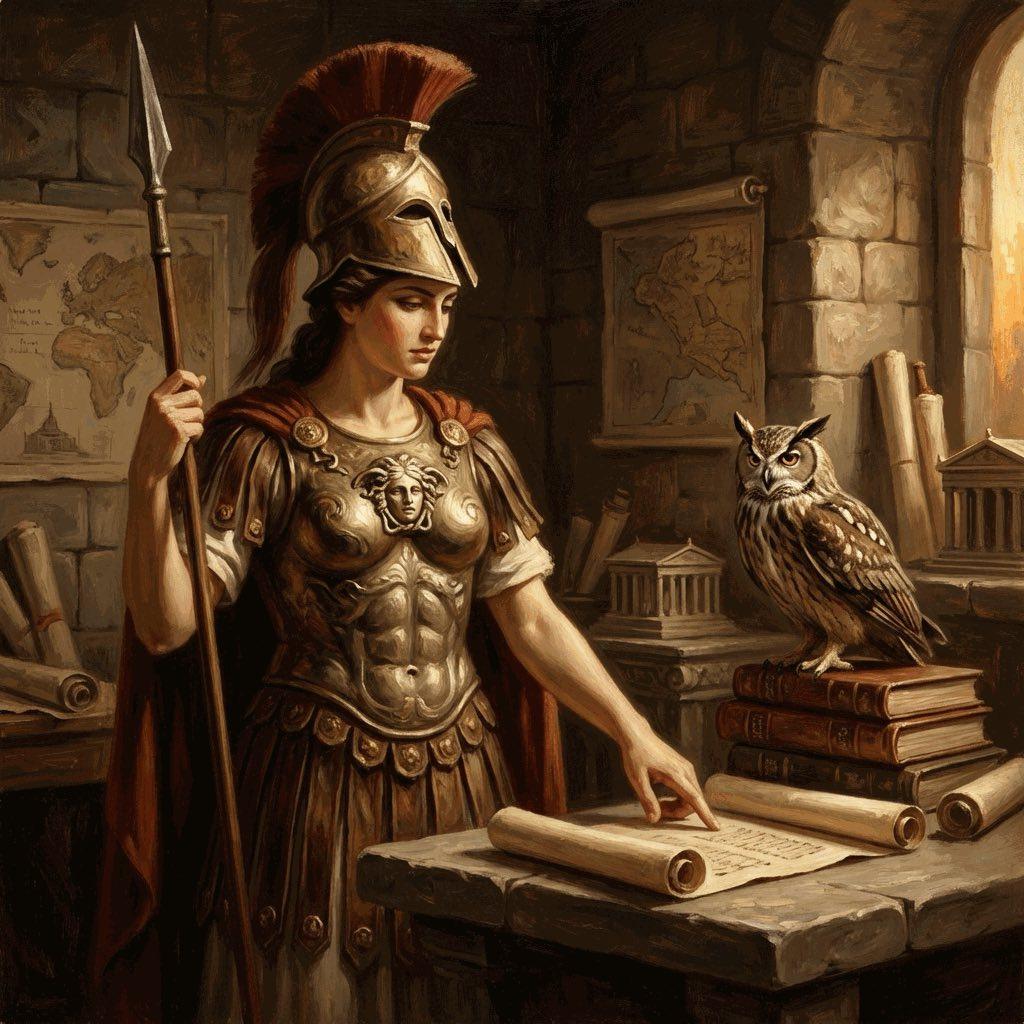
MinervaRoman

Minerva is the direct Roman equivalent, sharing the same domains of wisdom, strategic warfare, and crafts.

At a glance

Athena and Minerva compared
AthenaMinerva
TraditionGreek PantheonRoman Pantheon
Domainswisdom, warfare, crafts, strategywisdom, warfare, crafts, strategy, arts
Symbolsowl, olive tree, aegis, spearowl, olive tree, aegis, spear
Also calledMinerva, Pallas AthenaNone recorded

Where they meet

Both are associated with wisdom, warfare, crafts, and strategy.

They share symbols: owl, olive tree, aegis, and spear.

  • owl
  • olive tree
  • aegis
  • spear

Where they part

Only Athena

Every domain the atlas records is shared with the other.

Only Minerva

Associated with arts.

Why they are compared

Athena is the direct Greek equivalent, goddess of wisdom and strategic warfare.

How each was worshipped

Athena

Cult sites
Parthenon and Erechtheion on the Athenian Acropolis; Temple of Athena Alea at Tegea
Festivals
Panathenaia; Plynteria; Chalkeia

The Panathenaia carried a new peplos to her statue. Craftsmen, the olive, and the armed maiden share one cult. She is the city's mind: weaving, bronze, and the vote, not a borrowed Roman Minerva.

Minerva

Cult sites
Temple of Minerva on the Aventine; Capitoline triad cella; Minerva Capta after the sack of Falerii
Festivals
Quinquatrus (19–23 March); Quinquatrus Minusculae (June)

Artisans, flute-players, and schoolchildren kept the Quinquatrus. Minerva's Aventine temple was a crafts guild center. Romans treated her as a working goddess of skill and counsel, housed with Jupiter and Juno on the Capitol, not as a borrowed Athena in a separate Greek precinct.

The two figures

Greek Pantheon

Athena

Goddess of wisdom, warfare, and crafts. Born fully armed from Zeus's forehead after he swallowed her mother Metis.

Athena is the goddess of wisdom, courage, and **strategic warfare**. Unlike Ares, who embodies bloodlust, Athena represents the intellectual and civilized side of war.

Read the full Athena entry

Roman Pantheon

Minerva

Goddess of wisdom, strategic warfare, and crafts. Part of the Capitoline Triad with Jupiter and Juno. Patron of artisans, teachers, and strategic warfare. Roman equivalent of Athena.

Minerva is wisdom, crafts, and the intelligent side of war. With Jupiter and Juno she forms the **Capitoline Triad**, a grouping that has no exact Greek temple equivalent. Her own Aventine temple and the craftsmen's guilds that honored her made her a goddess of making: weaving, metalwork, teaching, the slow skill that wins a campaign as surely as a charge.

Read the full Minerva entry
About this comparison

Comparisons pair figures that play a similar role across traditions, or that the myths connect within one. A shared role does not, by itself, establish a shared origin.