Side by sideParallel across traditions

Nergal vs Sekhmet

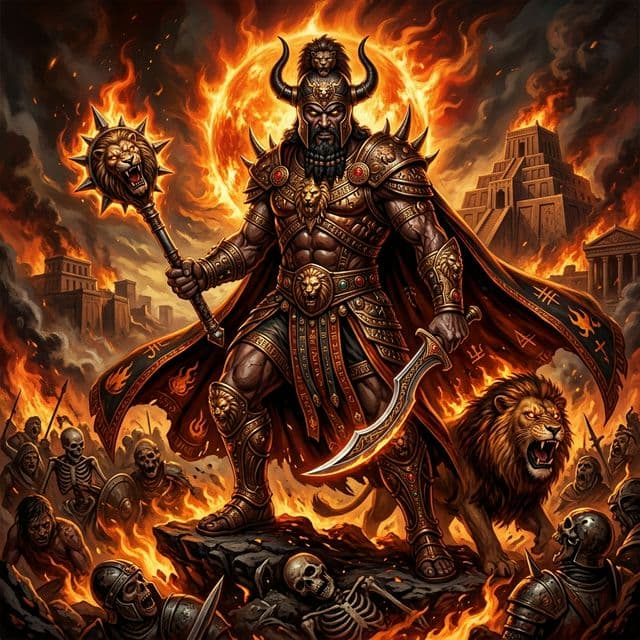
Nergal
NergalMesopotamian
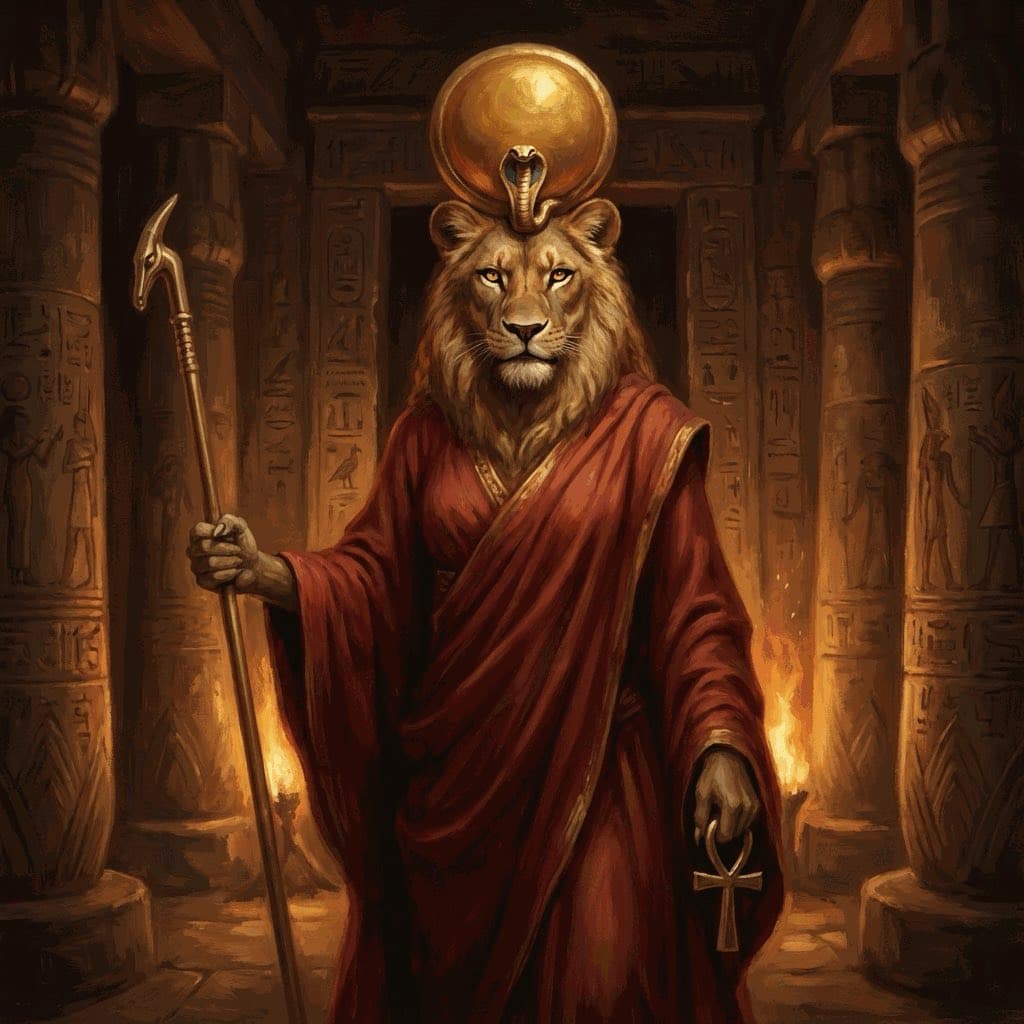
Sekhmet
SekhmetEgyptian

Both are deities of war, plague, and vengeful destruction.

At a glance

Nergal and Sekhmet compared
NergalSekhmet
TraditionMesopotamian PantheonEgyptian Pantheon
Domainswar, plague, underworld, the burning sunwar, plague, healing, vengeance, fire
Symbolsmace, lion, scimitarlioness, red color, sun disk, uraeus
Also calledErra, IrraSakhmet, Lady of Slaughter, The Scarlet Lady

Where they meet

Both are associated with war and plague.

Where they part

Only Nergal

Associated with underworld and the burning sun.

Only Sekhmet

Associated with healing, vengeance, and fire.

How each was worshipped

Nergal

Cult sites
E-meslam at Kutha
Festivals
Plague and war rites; the god who stays in the underworld half the year

Kutha's god of pestilence and the dead. Kings feared him. The cult is apotropaic: keep the plague god fed and far.

Sekhmet

Cult sites
Memphis, with Ptah and Nefertem; Hundreds of seated lioness statues from Amenhotep III
Festivals
Pacification of Sekhmet; New Year plague-aversion rites

Plague and its cure. Priests sang her quiet. Beer dyed red to look like blood is the myth of her pacification turned into rite. She is the same eye of Ra that Bastet can also be.

The two figures

Mesopotamian Pantheon

Nergal

God of war, plague, and the destructive aspects of the sun. Nergal embodies death in its violent forms and co-rules the underworld with his wife Ereshkigal.

Nergal was born a god of the burning sun and pestilence. When he offended Ereshkigal by not standing in her presence, he was summoned to the underworld to apologize. Instead, he fought his way to her throne, and their violent encounter transformed into passion. He became her consort and co-ruler of the dead.

Nergal is the god of war, plague, and the scorching summer sun. Where other war gods might represent heroic combat, Nergal embodies the horror of warfare: the screaming, the blood, the pestilence that follows in an army's wake. He is death in its most violent forms, the antithesis of civilization's protective order.

Read the full Nergal entry

Egyptian Pantheon

Sekhmet

Fierce goddess of war, plagues, and healing. The destructive aspect of the sun. Ra sent her to punish humanity.

Sekhmet was created by Ra from the fire of his eye to punish humanity for their rebellion and mockery of the aging sun god. She is the fierce, destructive aspect of the gentler Hathor, representing the burning heat of the midday sun. In essence, Sekhmet and Hathor are two faces of the same goddess: Sekhmet the destroyer and Hathor the nurturer. Her leonine form symbolizes the fierce power of the sun that can bring both life and death to the land of Egypt.

Sekhmet is the fearsome lioness-headed goddess whose name means "She Who Is Powerful." She embodies the scorching, destructive heat of the sun and is one of the most formidable deities in the Egyptian pantheon. Warriors prayed to her before battle, and her breath was said to create the desert.

Read the full Sekhmet entry
About this comparison

Comparisons pair figures that play a similar role across traditions, or that the myths connect within one. A shared role does not, by itself, establish a shared origin.