Side by sideParallel across traditions

Nergal vs Shiva

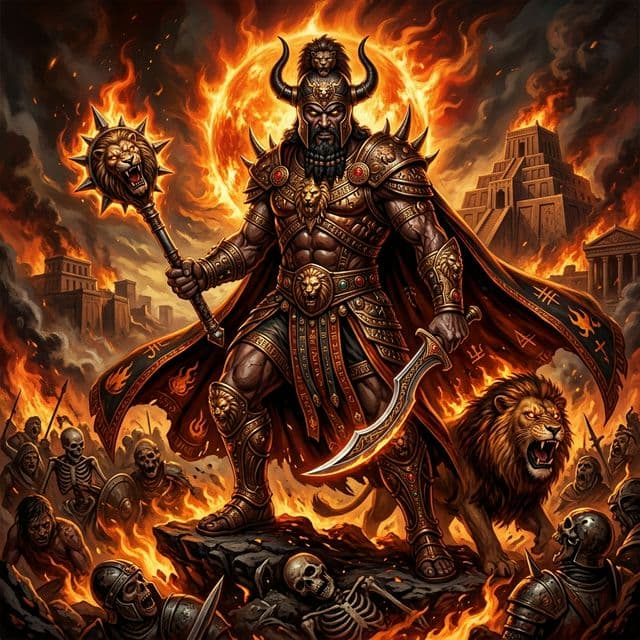
Nergal
NergalMesopotamian
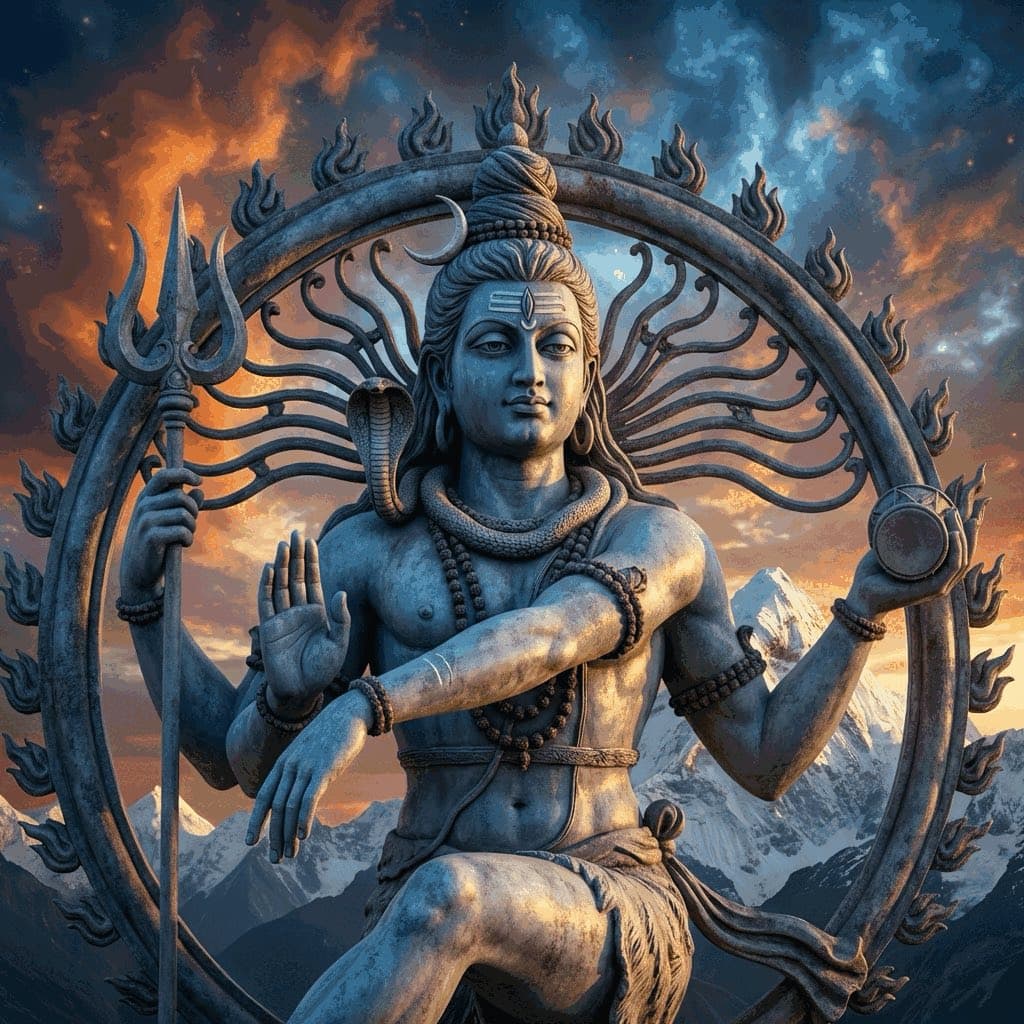
Shiva
ShivaHindu

Both are destroyer gods associated with plague, death, and cosmic upheaval.

At a glance

Nergal and Shiva compared
NergalShiva
TraditionMesopotamian PantheonHindu Pantheon
Domainswar, plague, underworld, the burning sundestruction, transformation, meditation, time, dance
Symbolsmace, lion, scimitarthird eye, trident, crescent moon, snake, drum
Also calledErra, IrraMahadeva, Rudra, Nataraja, Maheshvara

Where they meet

The atlas records no domain or symbol that Nergal and Shiva share.

They are compared for the part each plays in their own tradition rather than for any attribute in common.

Where they part

Only Nergal

Associated with war, plague, underworld, and the burning sun.

Only Shiva

Associated with destruction, transformation, meditation, time, and dance.

Why they are compared

Both are destroyers who balance creation and destruction.

How each was worshipped

Nergal

Cult sites
E-meslam at Kutha
Festivals
Plague and war rites; the god who stays in the underworld half the year

Kutha's god of pestilence and the dead. Kings feared him. The cult is apotropaic: keep the plague god fed and far.

Shiva

Cult sites
Kashi Vishwanath in Varanasi; Chidambaram Nataraja; The twelve Jyotirlinga shrines
Festivals
Maha Shivaratri; Pradosha

Linga, ashes, and the cremation ground. Householders and ascetics share him. Shivaratri is a night of waking and water on stone. He is destroyer only in the sense that every finished thing is his.

The two figures

Mesopotamian Pantheon

Nergal

God of war, plague, and the destructive aspects of the sun. Nergal embodies death in its violent forms and co-rules the underworld with his wife Ereshkigal.

Nergal was born a god of the burning sun and pestilence. When he offended Ereshkigal by not standing in her presence, he was summoned to the underworld to apologize. Instead, he fought his way to her throne, and their violent encounter transformed into passion. He became her consort and co-ruler of the dead.

Nergal is the god of war, plague, and the scorching summer sun. Where other war gods might represent heroic combat, Nergal embodies the horror of warfare: the screaming, the blood, the pestilence that follows in an army's wake. He is death in its most violent forms, the antithesis of civilization's protective order.

Read the full Nergal entry

Hindu Pantheon

Shiva

The destroyer and transformer, third member of the Trimurti. Shiva destroys the universe at the end of each cosmic cycle to allow recreation. God of meditation, yoga, and the arts.

Shiva is eternal and was never born. He manifested in various forms throughout cosmic time. He lives on Mount Kailash with his consort Parvati. His meditation sustains the universe.

Shiva is the third god of the **Trimurti**, the cosmic destroyer who dissolves the universe at the end of each cycle to enable its recreation. Far from merely destructive, Shiva transforms and regenerates, making way for new creation.

Read the full Shiva entry
About this comparison

Comparisons pair figures that play a similar role across traditions, or that the myths connect within one. A shared role does not, by itself, establish a shared origin.