Side by sideParallel figures

Medb vs The Morrígan

Medb
MedbCeltic
The Morrígan
The MorríganCeltic

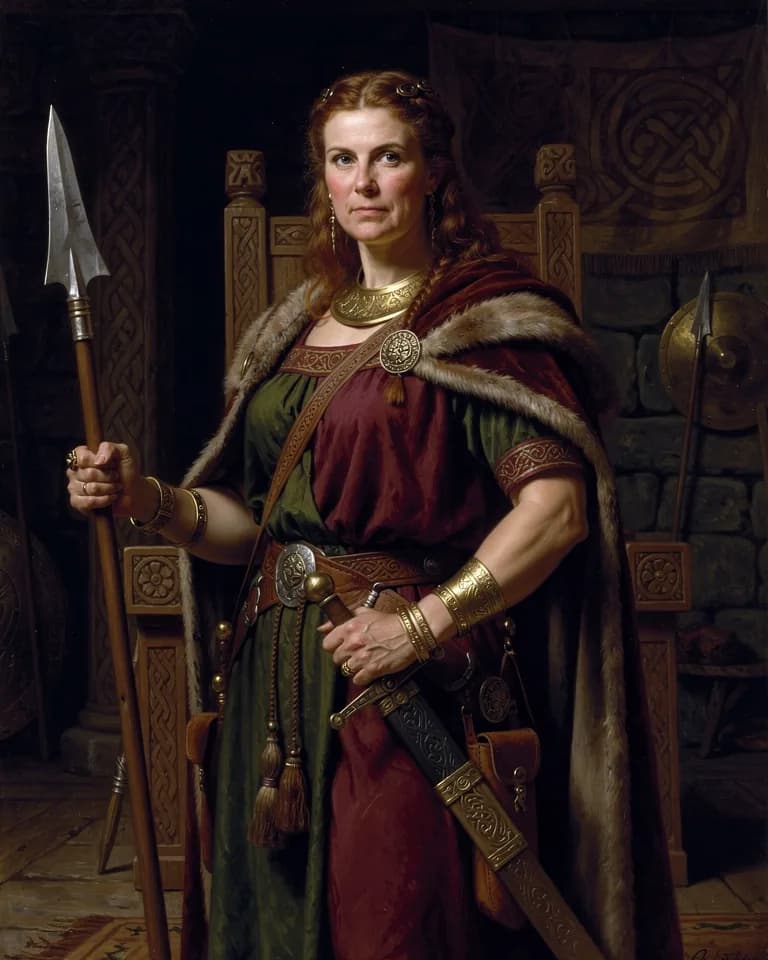
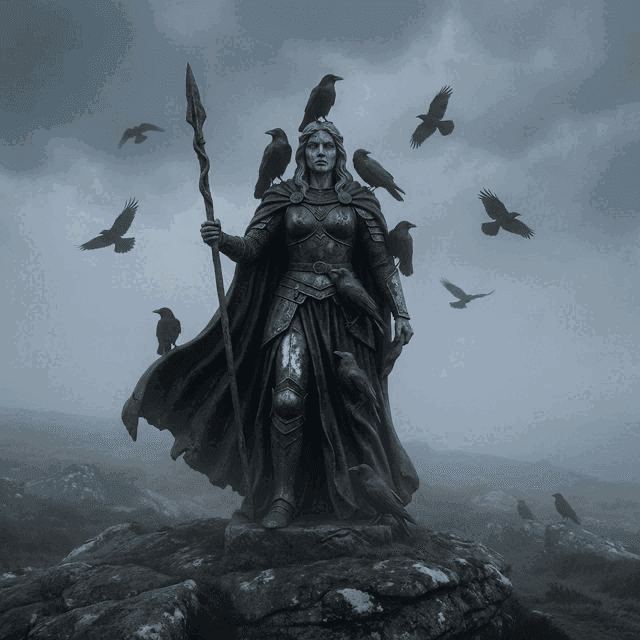
Both are formidable Irish female figures tied to war and sovereignty, though Medb is presented as a human queen while the Morrígan is an unambiguous goddess.

At a glance

Medb and The Morrígan compared
MedbThe Morrígan
TraditionCeltic PantheonCeltic Pantheon
Domainssovereignty, warfare, autonomy, kingship-granting (scholarly reading)war, fate, death, sovereignty
Symbolscattle, the spear, the royal seat of Cruachancrow, raven, cattle
Also calledMaeve, Meadhbh, Queen of ConnachtMorrígu, Phantom Queen

Where they meet

Both are associated with sovereignty.

They share a symbol: cattle.

  • cattle

Where they part

Only Medb

Associated with warfare, autonomy, and kingship-granting (scholarly reading).

Only The Morrígan

Associated with war, fate, and death.

How each was worshipped

Medb

Cult sites
No temple; associated with the royal site of Cruachan (Rathcroghan), traditional seat of the kings and queens of Connacht

No cult of Medb as a worshipped deity is attested in the surviving sources. Her significance is literary and legendary, centered on the Táin Bó Cúailnge and on Cruachan, her traditional royal seat and one of Ireland's most important sacred and ceremonial landscapes.

The Morrígan

Cult sites
No temple; battlefields, rivers, and sovereignty sites in the tales
Festivals
Samhain meetings in the Ulster Cycle

Phantom queen, crow, and the washer at the ford. You do not find a neat priesthood. Offerings, if any, sit in the same world as war-spells and land-goddess sovereignty, which the manuscripts remember as story.

The two figures

Celtic Pantheon

Medb

Legendary queen of Connacht and central figure of the Táin Bó Cúailnge, whose war to seize the bull Donn Cúailnge drives the great epic of the Ulster Cycle. Medb is presented in the medieval texts as a formidable human queen, though many scholars read her as preserving the traces of an earlier sovereignty goddess.

Medb was queen of Connacht and wife of Ailill. When a boastful comparison of their wealth revealed that only Ailill possessed a bull without equal, Medb resolved to seize the rival bull Donn Cúailnge from Ulster, launching the war recounted in the Táin Bó Cúailnge, the central epic of the Ulster Cycle.

Medb is the legendary queen of Connacht in the Ulster Cycle of Irish mythology, most famous as the driving force behind the *Táin Bó Cúailnge* ("The Cattle Raid of Cooley"), the great medieval Irish epic. The tale opens with a private conversation, the so-called "pillow talk," between Medb and her husband Ailill, in which each boasts of their wealth. Medb discovers that Ailill's prize bull, Finnbennach, has no equal among her own possessions, and resolves to acquire the only bull that could match it: Donn Cúailnge, the great brown bull of Ulster.

Read the full Medb entry

Celtic Pantheon

The Morrígan

A shapeshifting goddess of war and fate, often appearing as a crow to foretell doom or victory. She represents the terrifying power of sovereignty.

The Morrígan is a powerful member of the **Tuatha Dé Danann**, though her parentage is obscure in the sources. Some texts identify her as a daughter of Ernmas, making her a sister to other sovereignty goddesses like Ériu, Banba, and Fódla. She is intimately connected to the land of Ireland itself. Her union with the Dagda before the Second Battle of Mag Tuired establishes her as a goddess of both war and fertility, and her prophecies after the battle speak to the fate of the world itself.

The Morrígan, whose name means **"Phantom Queen"** or **"Great Queen,"** is one of the most fearsome deities of Irish mythology. She embodies the terrifying aspects of war: not glory or honor, but the chaos, carnage, and inevitability of death on the battlefield. She is strongly associated with sovereignty, fate, and the land itself.

Read the full The Morrígan entry
About this comparison

Comparisons pair figures that play a similar role across traditions, or that the myths connect within one. A shared role does not, by itself, establish a shared origin.