Side by sideParallel across traditions

Guan Yu vs Tyr

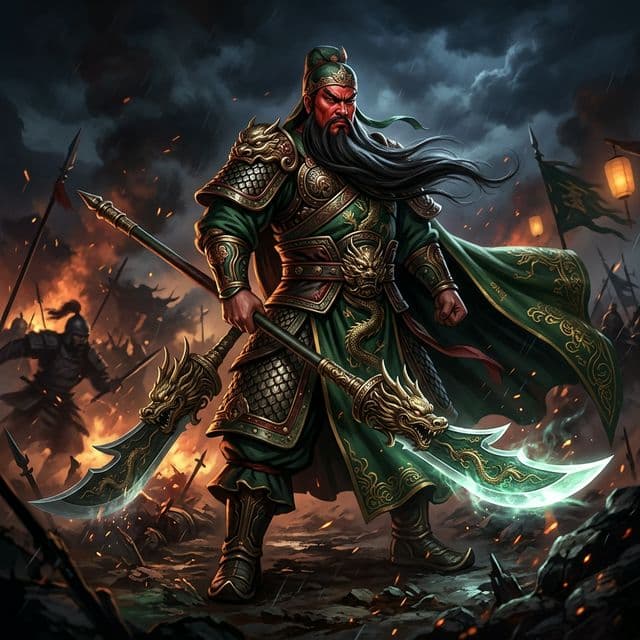
Guan Yu
Guan YuChinese
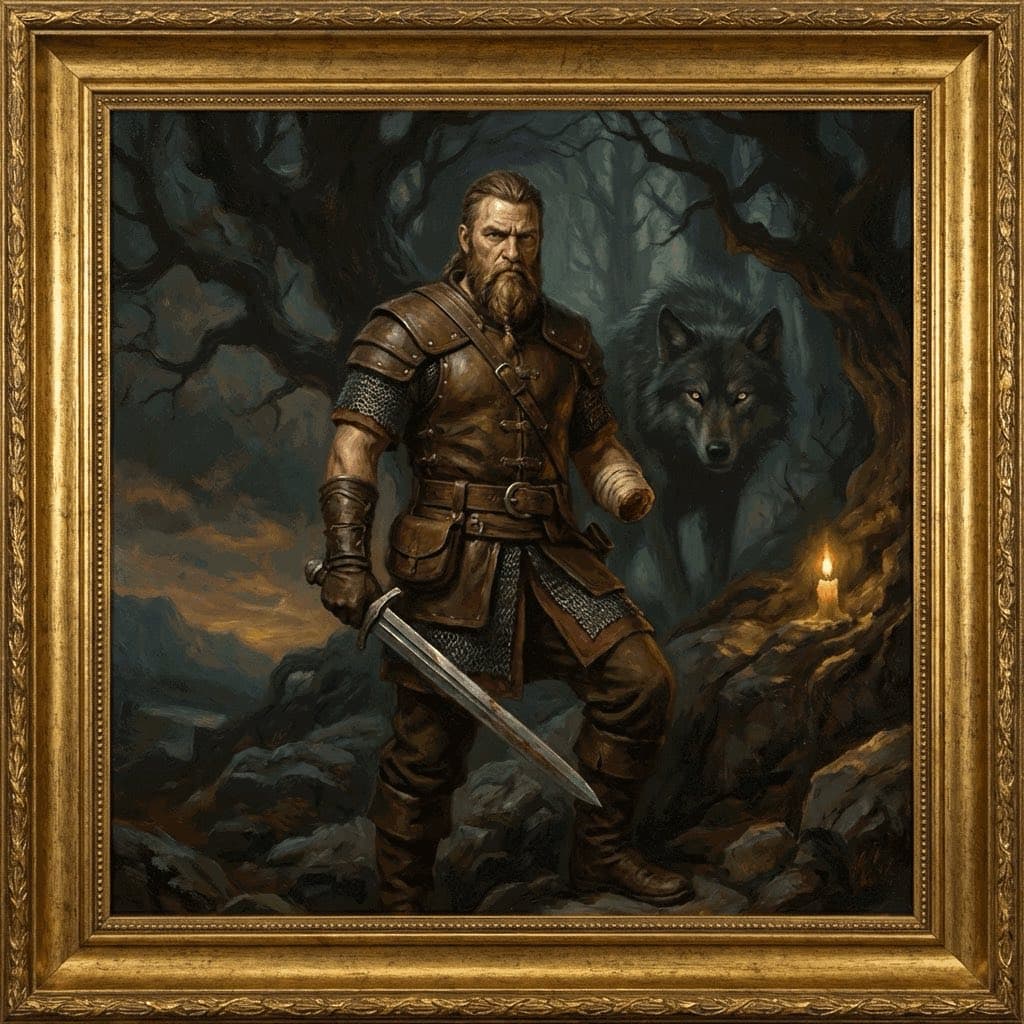
Tyr
TyrNorse

Both are war gods whose domain centers on oaths, loyalty, and righteous justice rather than raw violence alone.

At a glance

Guan Yu and Tyr compared
Guan YuTyr
TraditionChinese PantheonNorse Pantheon
Domainswar, loyalty, righteousness, brotherhood, protectionwar, justice, law, courage, oaths
SymbolsGreen Dragon Crescent Blade (guandao), red face, long black beard, green robesword, one hand, rune Tiwaz
Also calledLord Guan, Guan Di, God of War, Guan GongTiw, Ziu

Where they meet

Both are associated with war.

Where they part

Only Guan Yu

Associated with loyalty, righteousness, brotherhood, and protection.

Only Tyr

Associated with justice, law, courage, and oaths.

Why they are compared

Both are warrior gods especially associated with honor, oaths, and righteous combat.

How each was worshipped

Guan Yu

Cult sites
Guandi temples across the Chinese world; Joss houses in diaspora Chinatowns
Festivals
Guan Yu's birthday; Oath days for guilds and police

Loyalty as a job. Soldiers, pawnbrokers, and triads have all used him. The face is red; the cult is sworn brotherhood.

Tyr

Cult sites
Place-names in Denmark and England more than standing temples
Festivals
Thing-assemblies under his name in reconstruction

Tuesday is his. One-handed keeper of the thing and of the wolf's binding. Cult evidence is linguistic and onomastic. He looks older than Odin in the weekday layer, then recedes in the written myths.

The two figures

Chinese Pantheon

Guan Yu

A deified historical general from the Three Kingdoms period, worshipped as the God of War and patron of righteousness, loyalty, and brotherhood. His red face symbolizes his intense devotion to honor.

Guan Yu (160-220 CE) was a general during the Three Kingdoms period who served the warlord Liu Bei with legendary loyalty. After his death in battle, his spirit was gradually elevated through Buddhist, Taoist, and imperial recognition until he became one of China's most widely worshipped gods.

Guan Yu is the rare deity who was once a historical person. A general during the turbulent Three Kingdoms period (220-280 CE), his extraordinary loyalty and martial prowess led to his deification. Today he is worshipped across Chinese culture as the god of war, loyalty, and righteousness.

Read the full Guan Yu entry

Norse Pantheon

Tyr

God of war, justice, and law. Bravest of the gods. Sacrificed his right hand to bind the wolf Fenrir, demonstrating his courage and willingness to uphold cosmic order.

Tyr's origins are mysterious and debated among scholars of the myths. Some accounts name him as a son of Odin, while others claim he is the son of the giant Hymir, making him older than the Aesir themselves. Indeed, linguistic evidence suggests Tyr may have once been the chief sky god of the Germanic peoples before Odin rose to prominence. The rune Tiwaz, which bears his name, is among the oldest of the runic alphabet. Regardless of his parentage, Tyr became the god whom warriors invoked before battle and to whom oaths were sworn, embodying the sacred bond between valor and honor.

Tyr is the ancient god of war and the guarantor of justice and oaths, linked to the *thing*, the assembly where Germanic peoples settled disputes. While Thor represents the physical strength of a warrior, Tyr represents the legal and moral principles of war.

Read the full Tyr entry
About this comparison

Comparisons pair figures that play a similar role across traditions, or that the myths connect within one. A shared role does not, by itself, establish a shared origin.