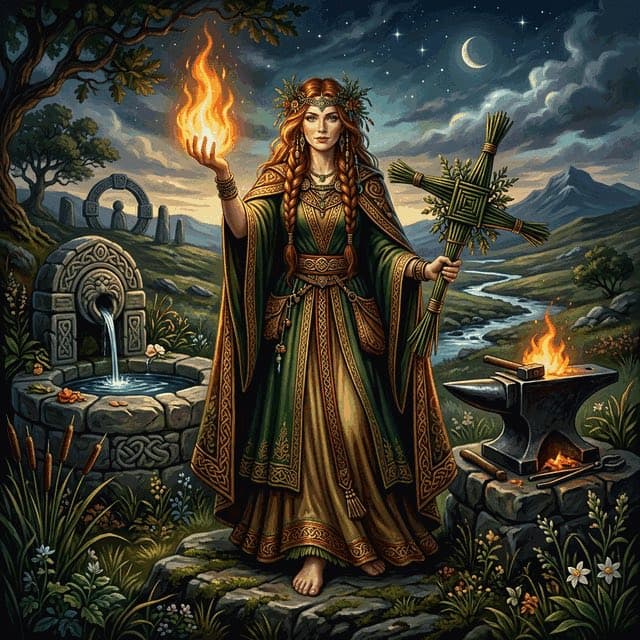
Brigid
The exalted goddess of fire, poetry, and the forge. She bridges the worlds of creativity and craftsmanship, and her sacred flame burns eternally.
Divine domains
16 deities from 11 traditions whose entries in this atlas list healing among their domains, grouped by tradition.
The exalted goddess of fire, poetry, and the forge. She bridges the worlds of creativity and craftsmanship, and her sacred flame burns eternally.
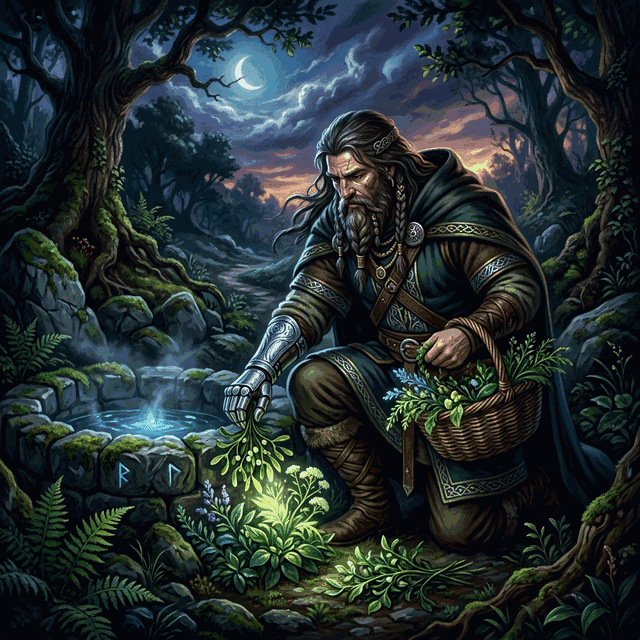
The physician of the Tuatha Dé Danann, whose healing well could restore the dead to life. His jealousy over his son's greater skill led to tragedy.
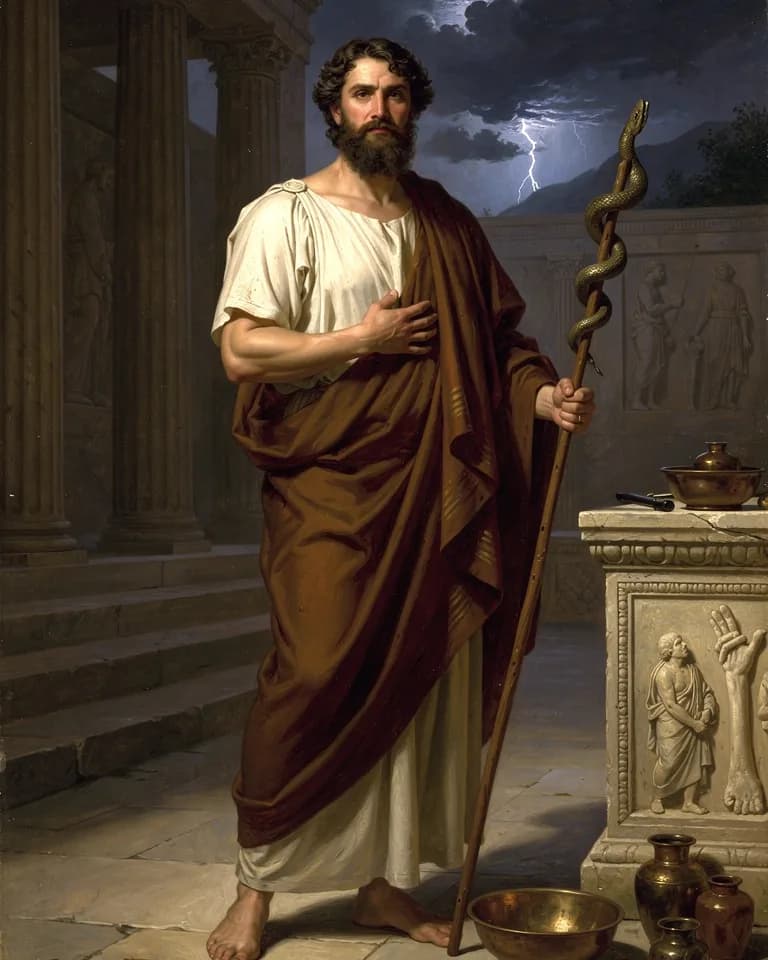
The healer god, son of Apollo and the mortal Coronis, trained in medicine by the centaur Chiron. His skill grew so great that he raised the dead, and Zeus struck him with a thunderbolt; he was nonetheless worshipped across the Greek and Roman world at sanctuaries where the sick slept in hope of a cure.
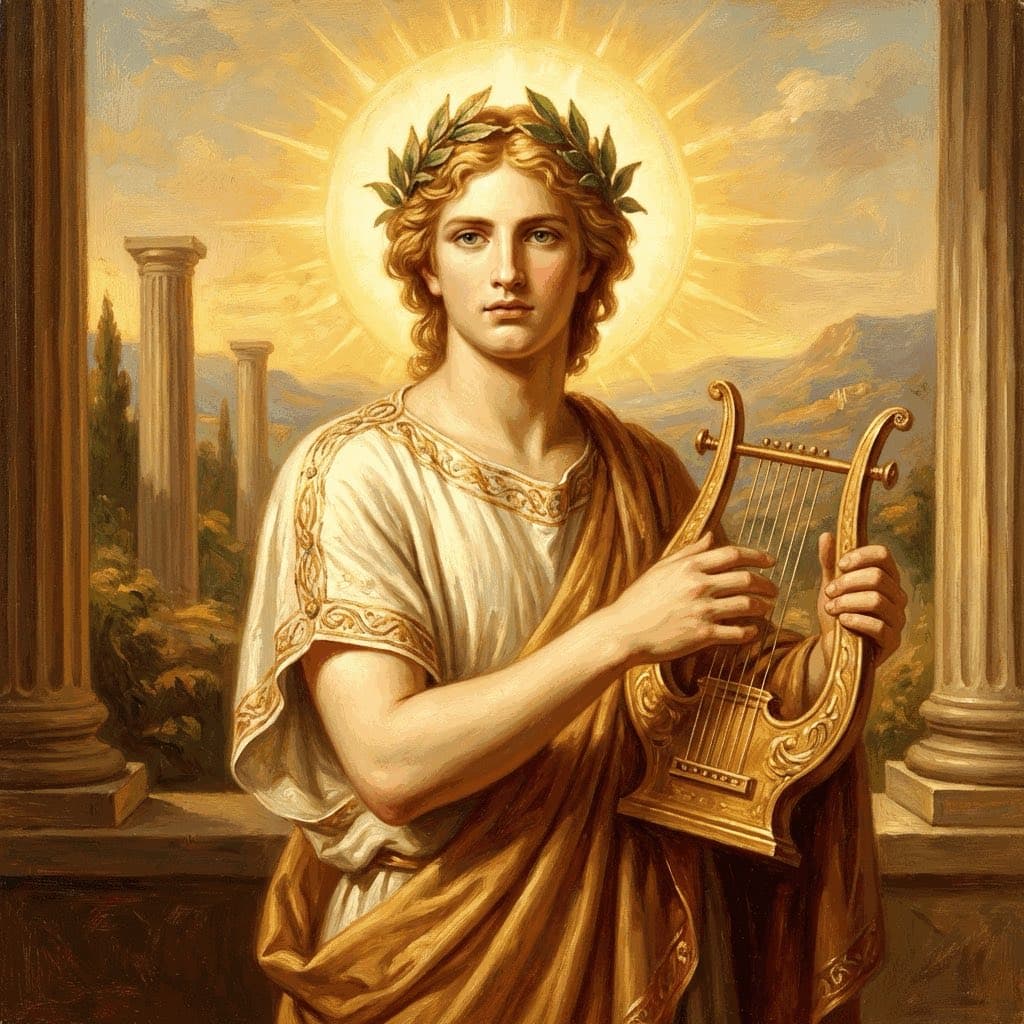
God of sun, music, poetry, prophecy, and healing. Twin brother of Artemis, patron of the Muses and leader of the nine sisters.
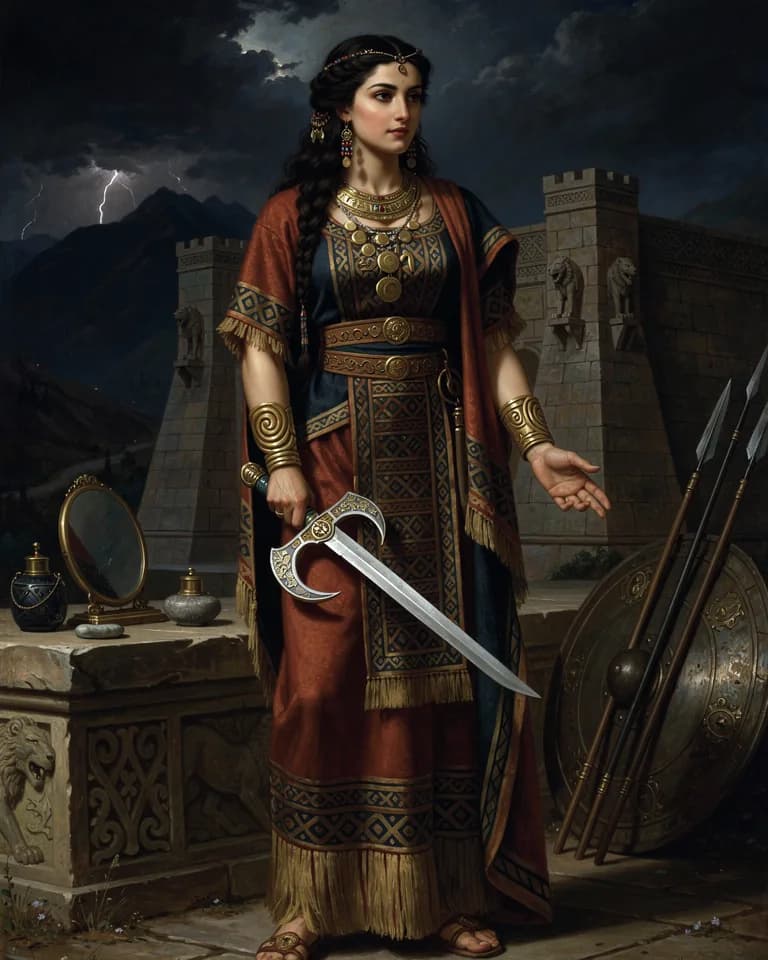
Hurrian goddess of love and war and sister of the storm-god Teššub, who in the Kumarbi cycle tries to overcome her brother's monstrous enemies by seduction.
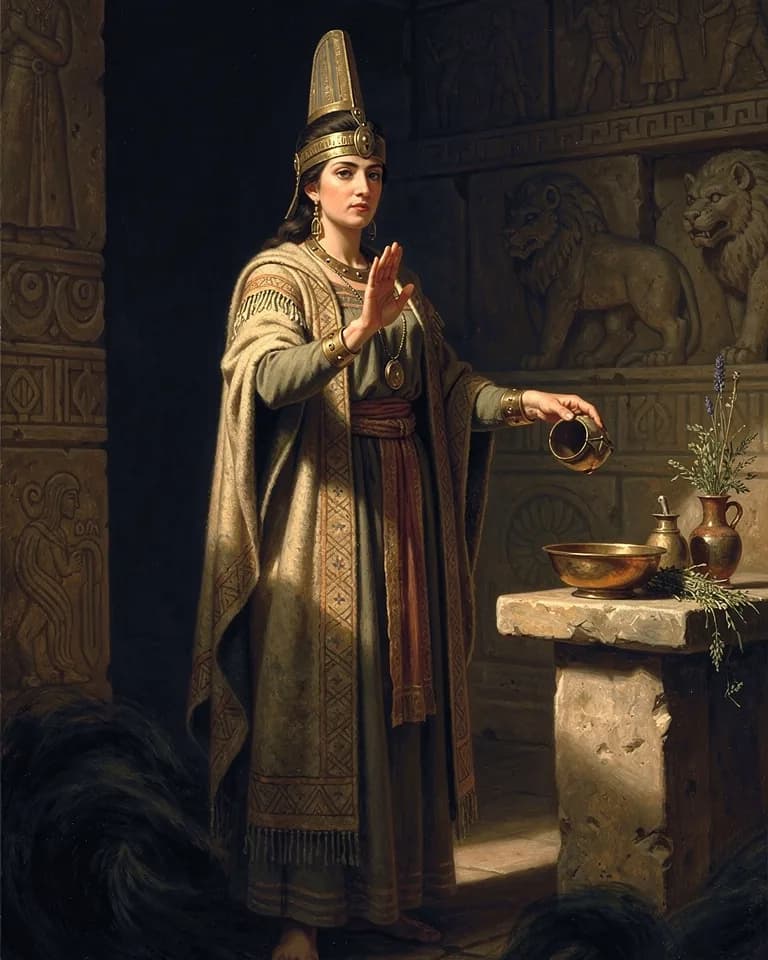
Goddess of magic and healing rites, who in the Telipinu myth performs the ritual that draws out the angry god's rage and sends it to the Dark Earth.
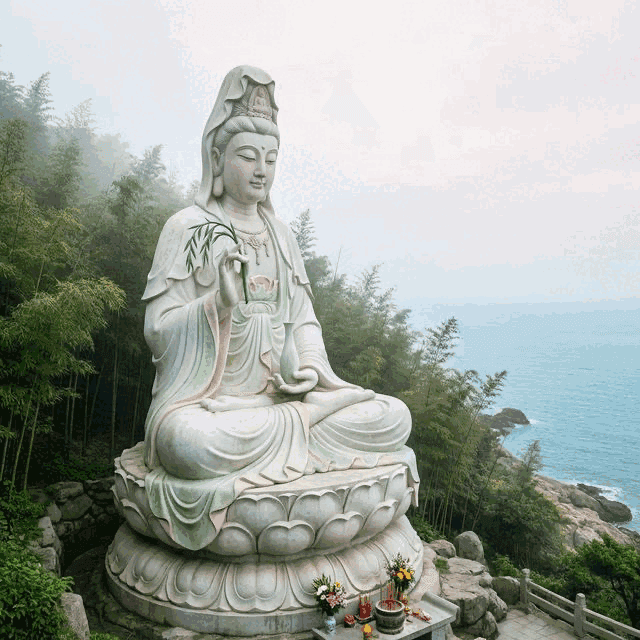
The Bodhisattva of Compassion who hears the cries of all beings in the world. She is one of the most beloved deities in East Asian Buddhism, embodying unconditional mercy and the motherly aspect of divine love.
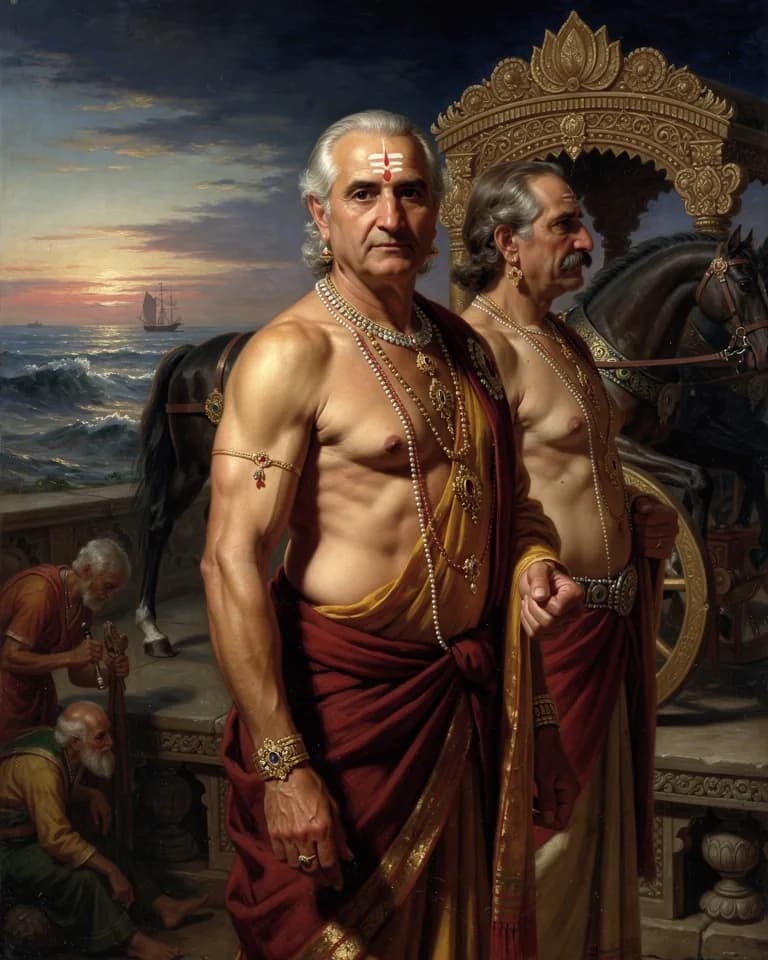
The divine twin horsemen of the Rigveda, physicians of the gods who arrive in their chariot at dawn to heal the sick, rescue the shipwrecked, and restore youth to the old. More than fifty Rigvedic hymns are addressed to them.
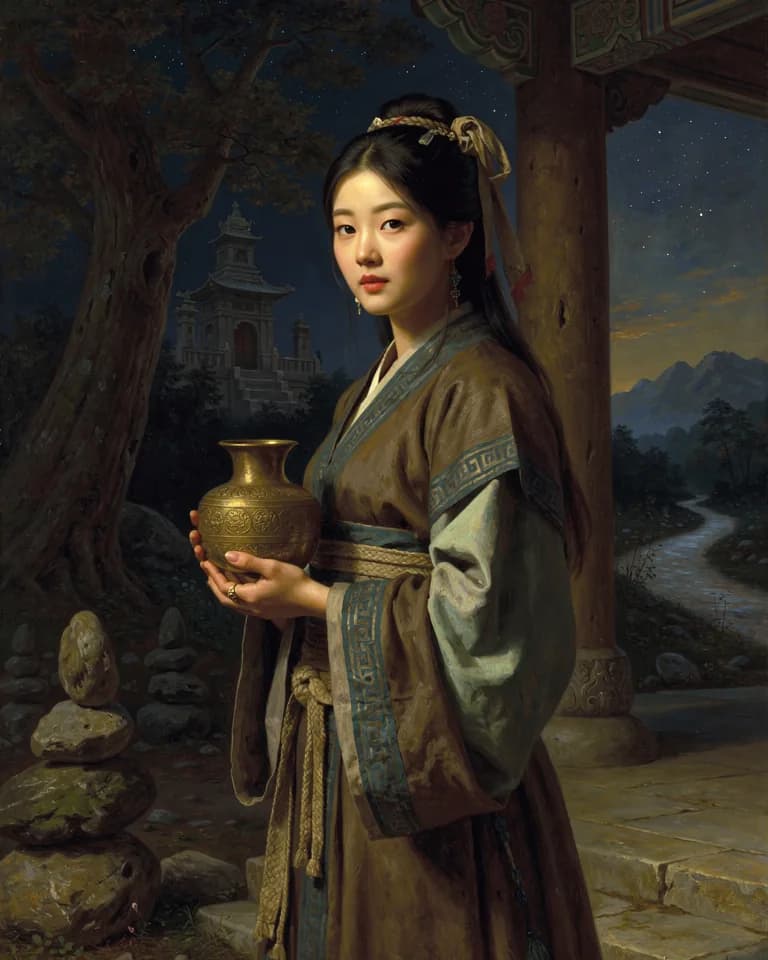
The seventh daughter of a king, thrown away at birth, who alone agrees to journey to the Western Heaven for the water of life when her parents are dying; she returns in time to revive them and becomes the goddess who guides the dead to the other world.
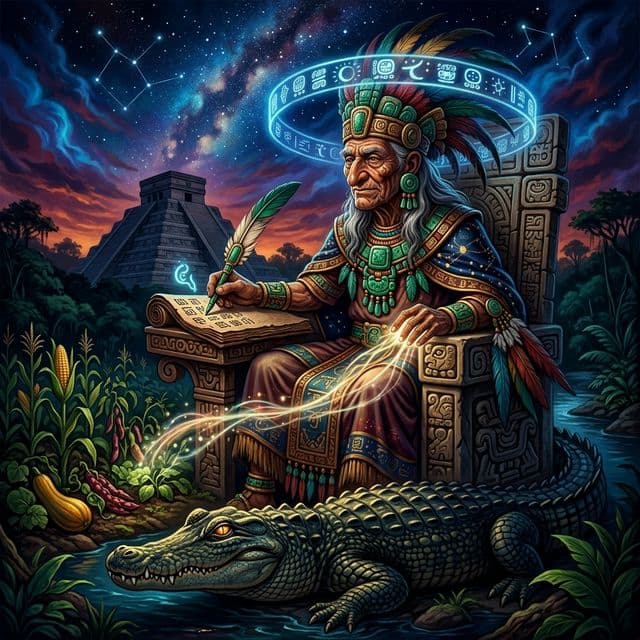
The supreme creator god of the Maya, lord of the heavens and inventor of writing, calendars, and agriculture. Depicted as a wise, aged figure, Itzamna represents cosmic order and benevolent rulership.
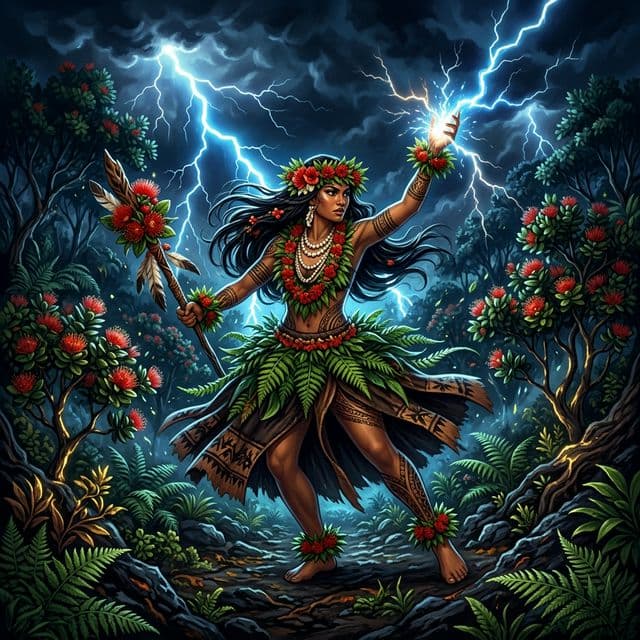
The youngest and most beloved sister of Pele. Hi'iaka is the patron goddess of hula dancers and the protagonist of one of the longest epic narratives in Hawaiian mythology, her journey to fetch Pele's lover Lohiau.
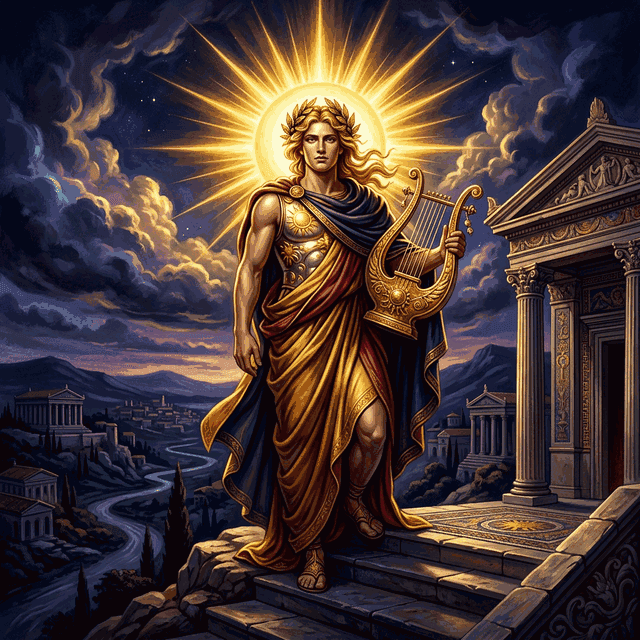
God of the sun, music, poetry, prophecy, healing, and archery. One of the few gods whose name remained unchanged from Greek to Roman. Patron of the Sibylline Books and protector of Augustus.
Editorial comparisons recorded on these entries; a shared role does not establish a shared origin.
Apollo (Greek) and Apollo (Roman)
Apollo is one of the few deities whose name remained unchanged in Roman religion, retaining all his Greek attributes
Compare Apollo and ApolloHi'iaka (Polynesian) and Apollo (Greek)
Both are associated with healing and the arts (music/dance)
Compare Hi'iaka and ApolloOsanyin (Yoruba) and Asclepius (Greek)
Both are gods of healing and medicine
Compare Osanyin and AsclepiusShopona (Yoruba) and Apollo (Greek)
Both can bring plague and also healing, representing divine justice
Compare Shopona and ApolloAsclepius (Greek) and Dian Cécht (Celtic)
Both are divine physicians whose healing reaches toward restoring the dead
Compare Asclepius and Dian CéchtBuilt from each deity's catalog entry. See every domain side by side on Divine Domains, or browse every cross-pantheon parallel.