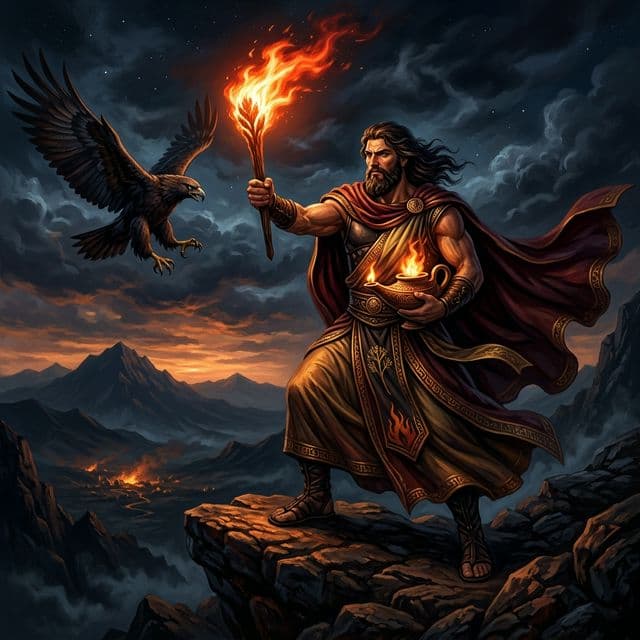
Prometheus
Titan who defied Zeus by stealing fire from the gods and giving it to humanity. For this transgression, Zeus chained him to a rock where an eagle devoured his liver daily.
Divine domains
17 deities from 13 traditions whose entries in this atlas list fire among their domains, grouped by tradition.
Titan who defied Zeus by stealing fire from the gods and giving it to humanity. For this transgression, Zeus chained him to a rock where an eagle devoured his liver daily.
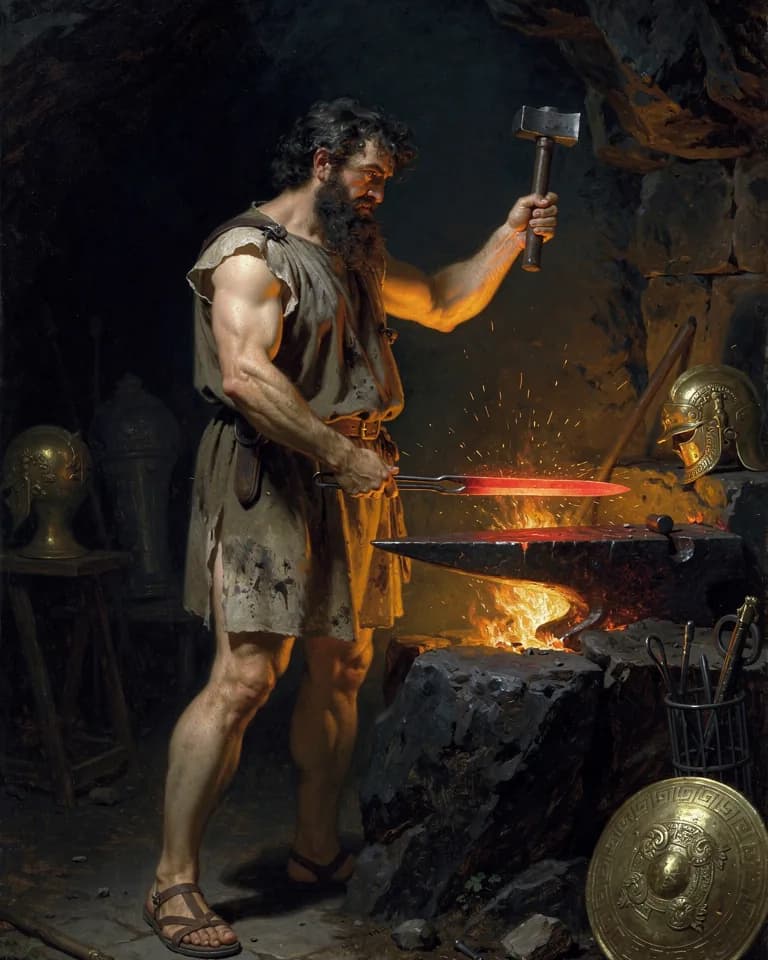
God of fire, metalworking, and crafts. Son of Hera (and possibly Zeus), cast from Olympus due to his lameness but later readmitted.
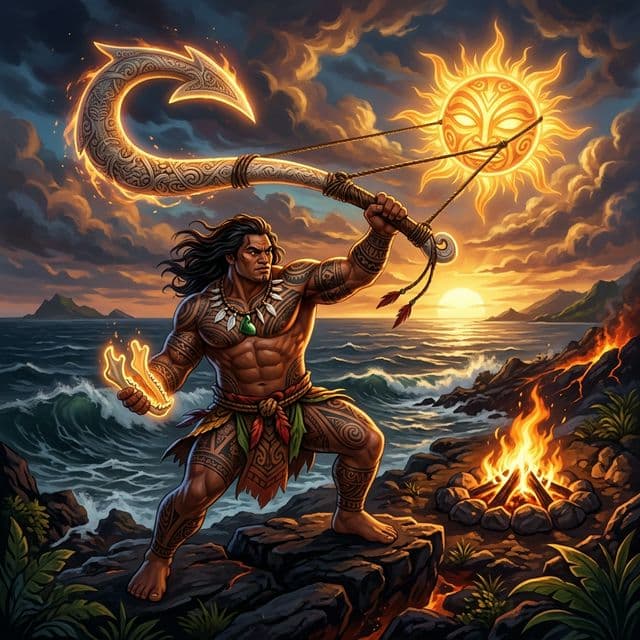
The legendary trickster demigod and culture hero of Polynesian mythology. Maui is credited with fishing up islands, slowing the sun, stealing fire for humanity, and attempting to conquer death itself.
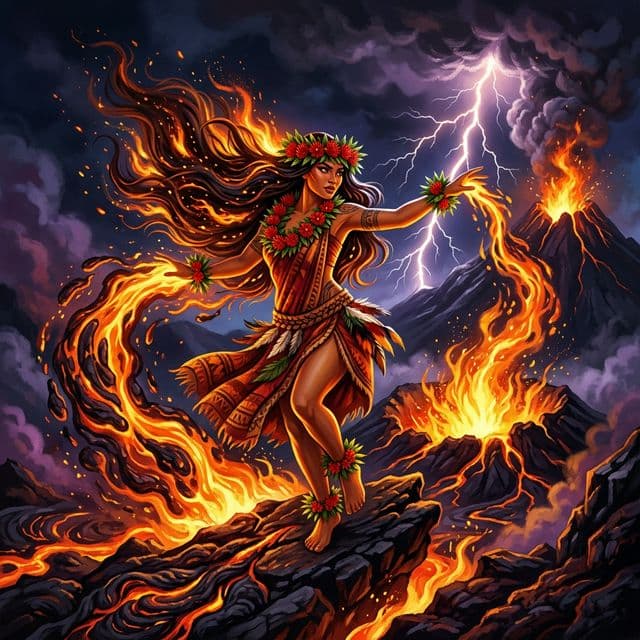
The Hawaiian goddess of volcanoes, fire, and lightning. Pele is a fierce and passionate deity who creates new land through volcanic eruptions and whose temper is as volatile as the lava she commands.
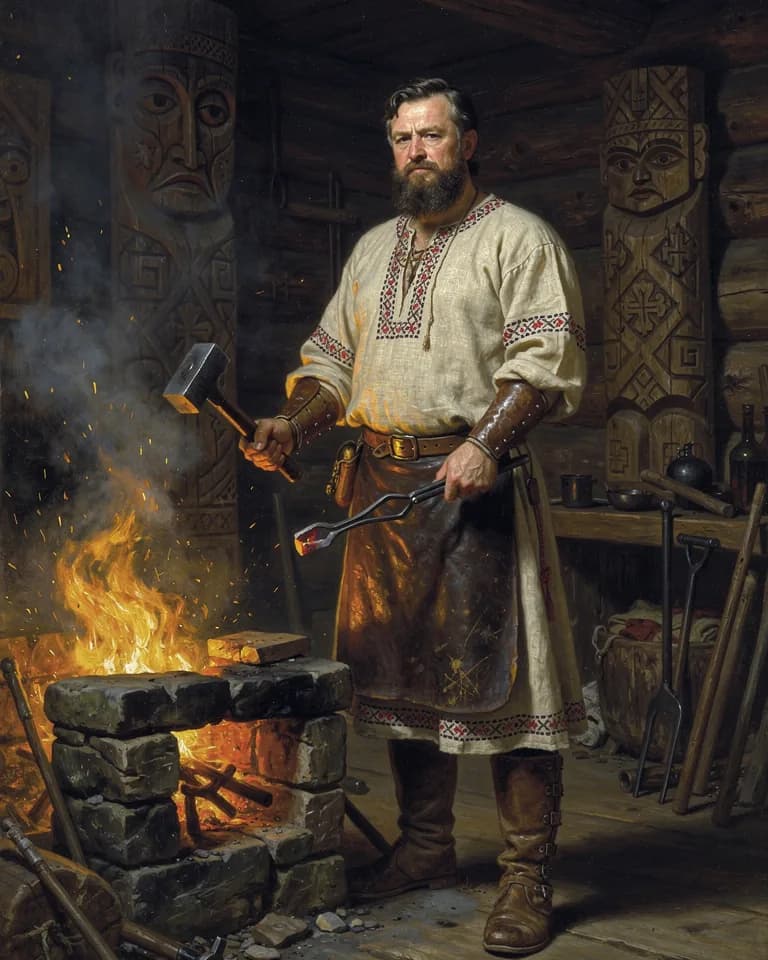
A sky and fire god known only from a single learned chronicle gloss that equates him with the Greek smith-god Hephaestus and calls the sun-god Dazhbog his son.
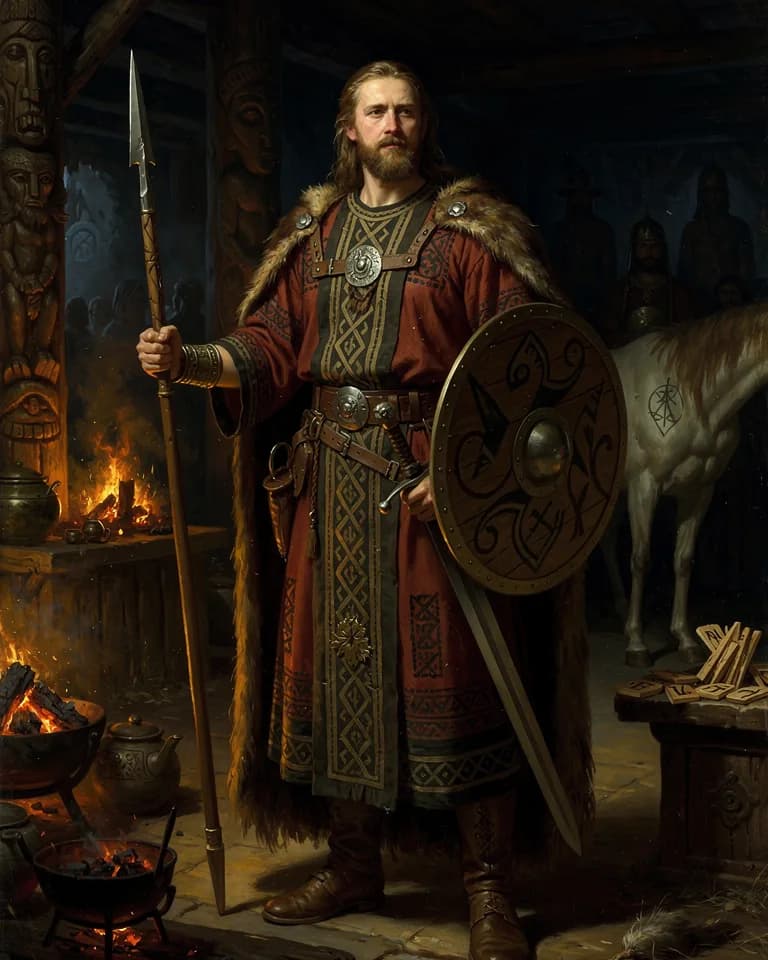
The chief god of the West Slavic Redarii, worshipped at a temple in Riedegost and consulted before war through the movements of a sacred horse and lots, known from a German bishop's firsthand account.
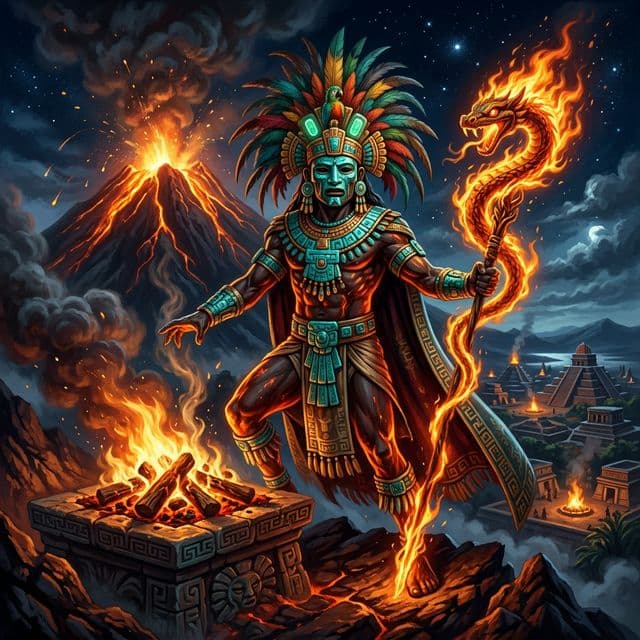
The god of fire, time, and the calendar. Xiuhtecuhtli was the oldest deity, dwelling at the center of the universe in the hearth fire that connected all realms. He presided over the New Fire ceremony every 52 years.
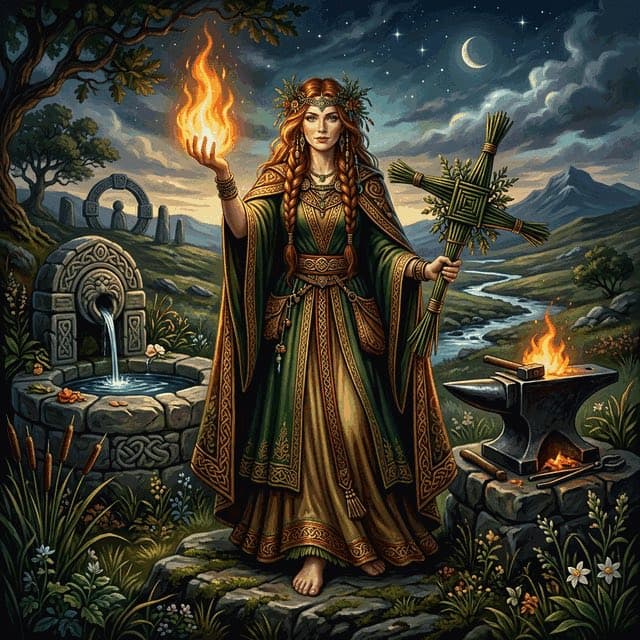
The exalted goddess of fire, poetry, and the forge. She bridges the worlds of creativity and craftsmanship, and her sacred flame burns eternally.
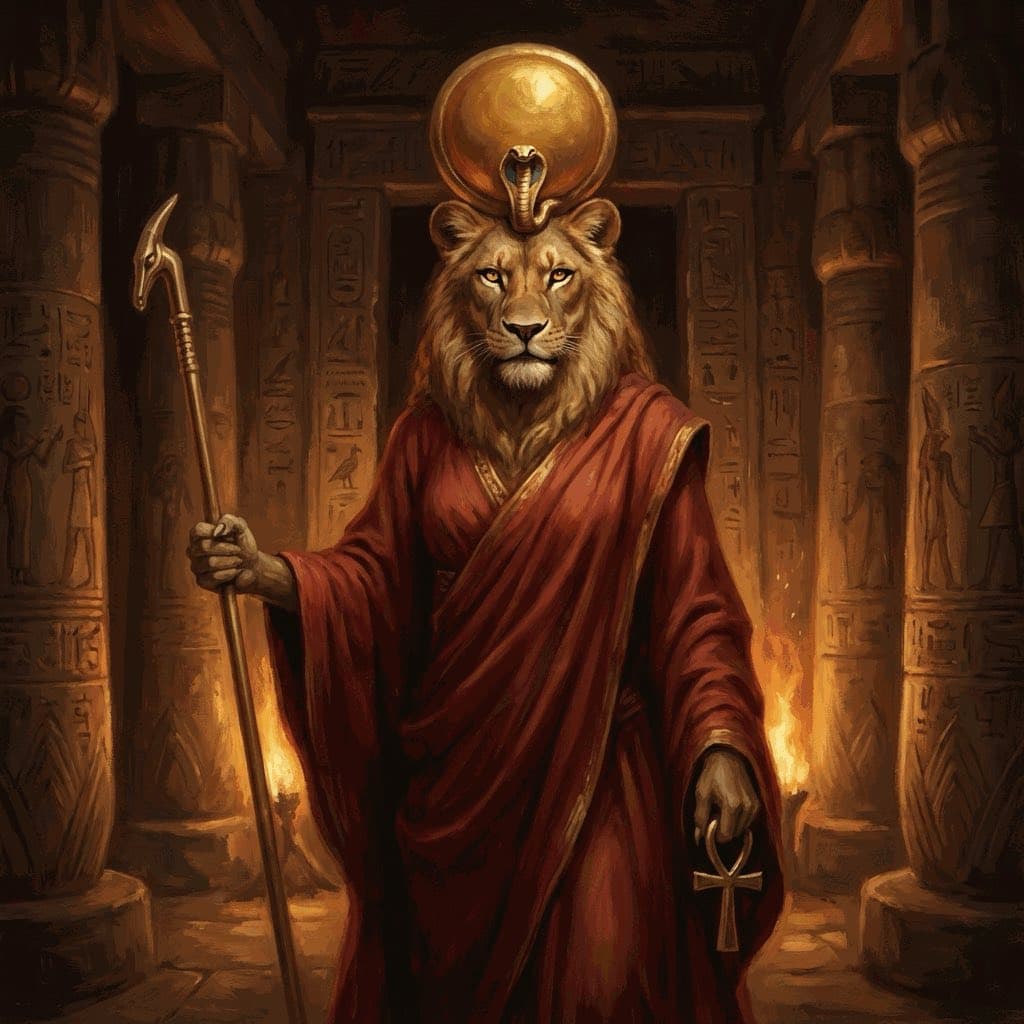
Fierce goddess of war, plagues, and healing. The destructive aspect of the sun. Ra sent her to punish humanity.
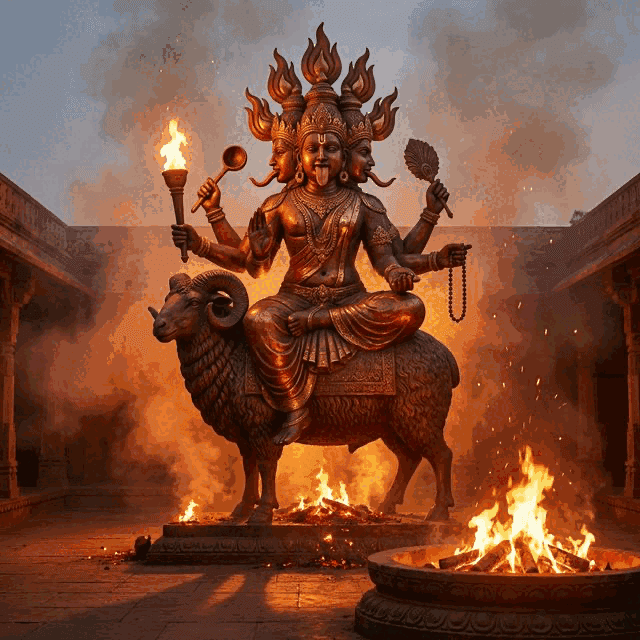
God of fire and messenger between gods and humans. Central to Vedic ritual, he carries offerings to the gods. Represents the sacrificial fire, digestive fire, and cosmic fire.
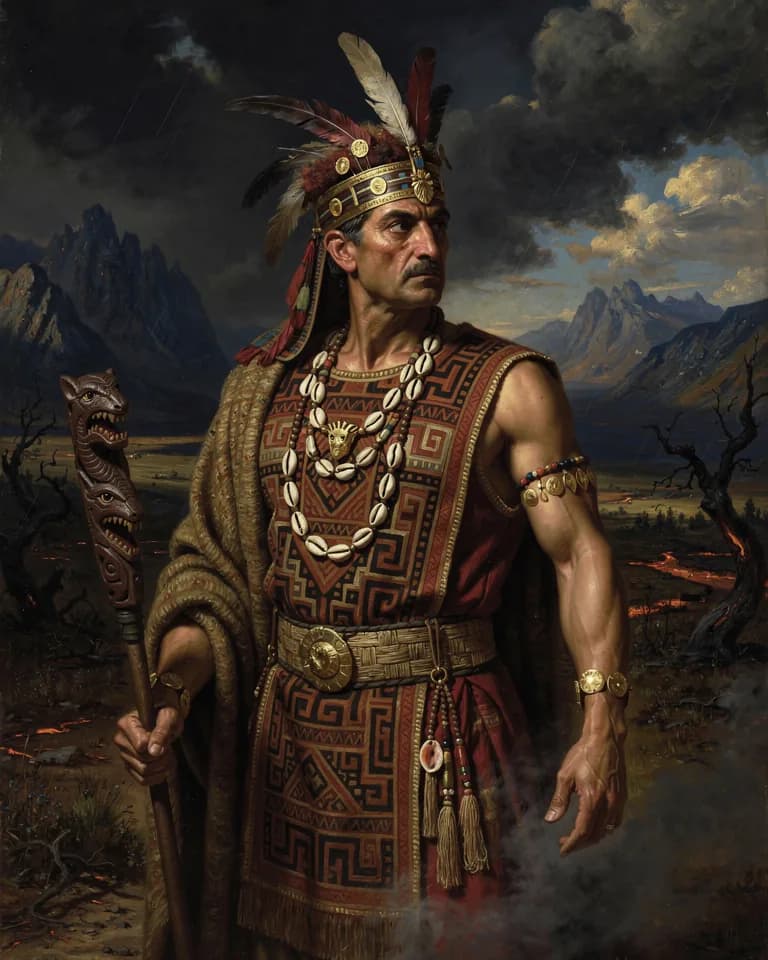
The fearsome earlier god of the Huarochirí stories, who ruled a hot lowland world and demanded one of every two children as food, until Pariacaca's storms drove him east into the Antis lowlands.
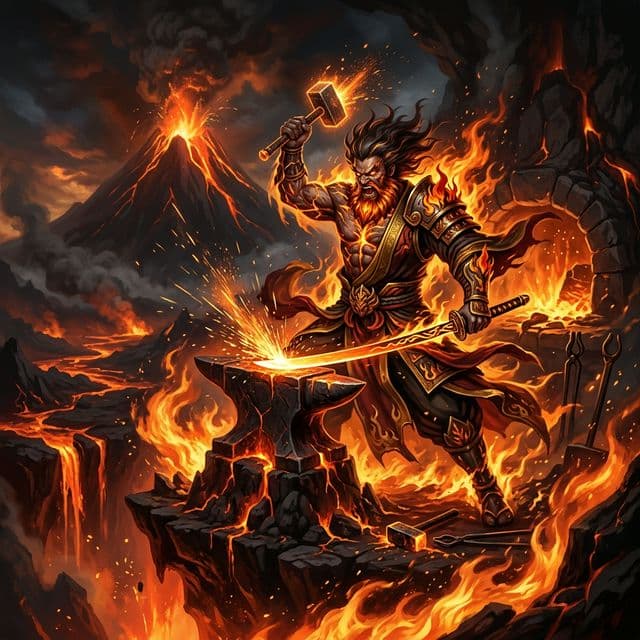
The fire god whose birth killed his mother Izanami, triggering Izanagi's descent to Yomi and the eternal separation of life and death. From his death came many kami.

A complex figure, blood brother to Odin but frequently causing trouble for the gods. A shape-shifter and trickster who fathers monstrous children including Fenrir, Jormungandr, and Hel.
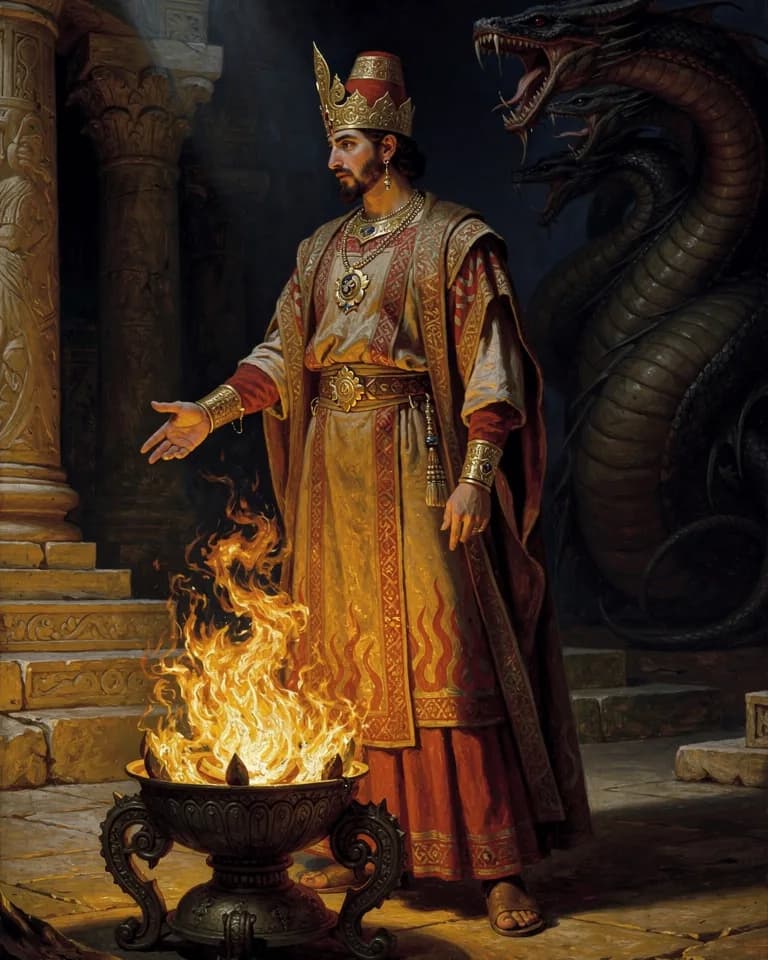
Fire as a divine being, 'son of Ahura Mazda', the visible focus of Zoroastrian worship, who in the Zamyad Yasht faces down the three-mouthed dragon Azhi Dahaka in the struggle for the royal Glory.
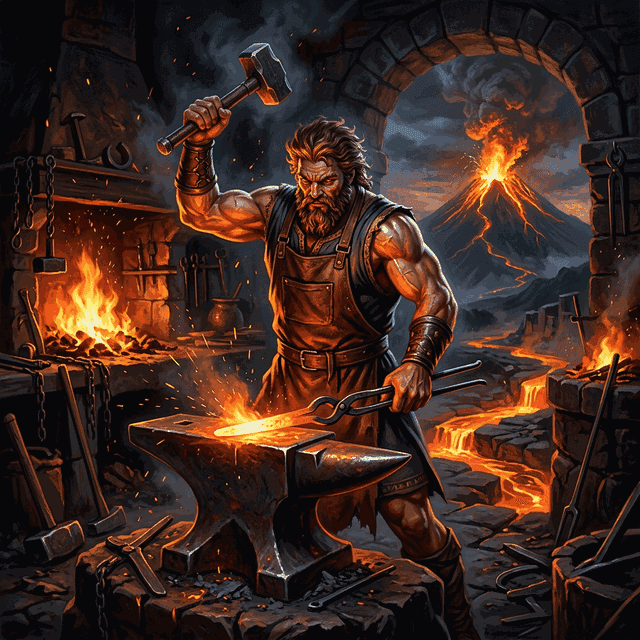
God of fire, metalworking, and the forge. Craftsman of the gods who forged divine weapons and armor. Roman equivalent of Hephaestus. Associated with volcanic activity.
Editorial comparisons recorded on these entries; a shared role does not establish a shared origin.
Hephaestus (Greek) and Vulcan (Roman)
Vulcan is the direct Roman equivalent, sharing the same role as divine blacksmith and god of fire and the forge
Compare Hephaestus and VulcanLoki (Norse) and Maui (Polynesian)
Maui already lists Loki; both are cunning shape-shifting tricksters who use cleverness rather than strength to achieve their ends
Compare Loki and MauiAgni (Hindu) and Prometheus (Greek)
Prometheus already lists Agni; both mediate fire between the divine and human realms
Compare Agni and PrometheusAgni (Hindu) and Kagutsuchi (Japanese)
Kagutsuchi already lists Agni; both are personifications of sacred/sacrificial fire
Compare Agni and KagutsuchiAgni (Hindu) and Xiuhtecuhtli (Aztec)
Xiuhtecuhtli already lists Agni; both are fire gods central to sacrificial ritual and purification
Compare Agni and XiuhtecuhtliMaui (Polynesian) and Prometheus (Greek)
Both stole fire to benefit humanity
Compare Maui and PrometheusPele (Polynesian) and Hephaestus (Greek)
Both are deities of volcanic fire and forges
Compare Pele and HephaestusPele (Polynesian) and Vulcan (Roman)
Both are associated with volcanic fire and its creative-destructive power
Compare Pele and VulcanKagutsuchi (Japanese) and Hephaestus (Greek)
Both are fire and forge deities, though Kagutsuchi is more elemental while Hephaestus is a craftsman
Compare Kagutsuchi and HephaestusAganju (Yoruba) and Pele (Polynesian)
Both are deities of volcanoes and the destructive/creative fire of the earth
Compare Aganju and PeleAtar (Persian) and Agni (Hindu)
Both are sacrificial fire personified as a god at the center of Indo-Iranian ritual; the names are not cognate, but the ritual role of fire as the medium between worshippers and the divine is shared.
Compare Atar and AgniBuilt from each deity's catalog entry. See every domain side by side on Divine Domains, or browse every cross-pantheon parallel.