Side by sideParallel across traditions

Loki vs Maui

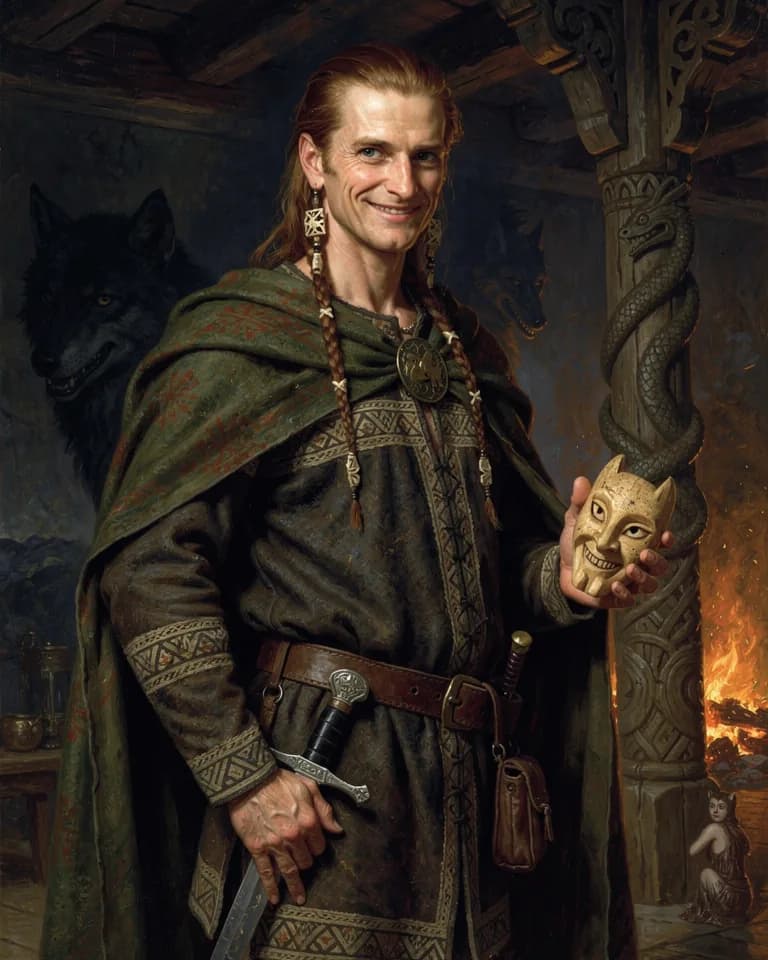
Loki
LokiNorse
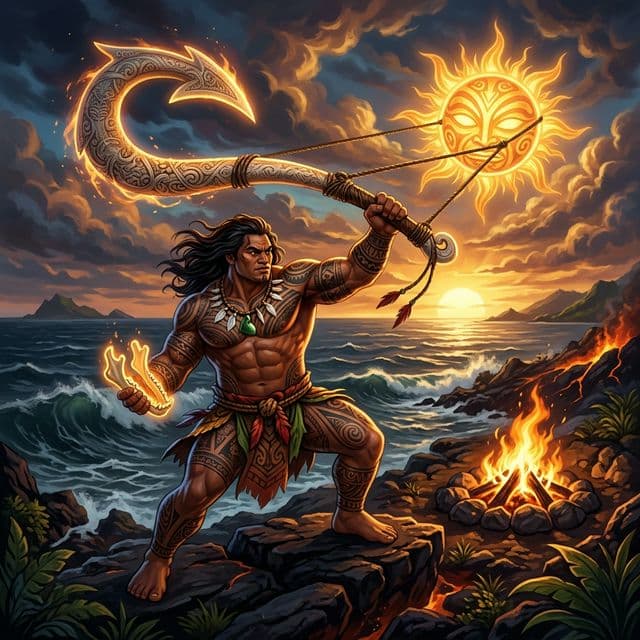
Maui
MauiPolynesian

Both are cunning shape-shifting tricksters who use cleverness rather than strength to achieve their ends.

At a glance

Loki and Maui compared
LokiMaui
TraditionNorse PantheonPolynesian Pantheon
Domainsmischief, trickery, chaos, fire, transformationtrickery, culture hero, fishing, fire, sun
Symbolsflames, serpent, salmon, flyfishhook, jawbone, sun, fire
Also calledLopt, Trickster, Shape-ShifterMaui-tikitiki-a-Taranga (Maori), Maui Kupua (Hawaiian)

Where they meet

Both are associated with trickery and fire.

Where they part

Only Loki

Associated with mischief, chaos, and transformation.

Only Maui

Associated with culture hero, fishing, and sun.

Why they are compared

Both are trickster figures who use cunning to achieve their goals, though Maui is more benevolent.

How each was worshipped

Loki

Cult sites
No attested temple; place-names are scarce and disputed

There is no working Loki cult in the sources. He is bound, blamed, and needed in the stories. The honest note is absence: a mythic catalyst without a priesthood.

Maui

Cult sites
No single pan-Polynesian temple; island shrines and fishing cults remember the fisher
Festivals
Local first-fish and fire-origin observances

The hook, the slow sun, and fire stolen for humans. Cult is scattered by design: each island keeps a Maui. He is a trickster ancestor more than a high god with a priesthood.

The two figures

Norse Pantheon

Loki

A complex figure, blood brother to Odin but frequently causing trouble for the gods. A shape-shifter and trickster who fathers monstrous children including Fenrir, Jormungandr, and Hel.

Loki is not one of the Aesir by birth but a giant, the son of the giant Farbauti and the giantess Laufey (or Nal). Despite his giant heritage, he was accepted among the Aesir after becoming blood brothers with Odin in ancient times. The details of this pact are lost, but it bound Odin to never drink unless Loki was also offered a cup. Loki married the goddess Sigyn, who bore him sons Narfi and Vali. With the giantess Angrboda, he fathered three monstrous children: Fenrir the wolf, Jormungandr the World Serpent, and Hel, ruler of the dead.

Loki is a shape-shifter and the catalyst for most Norse myths. Sometimes a helpful ally, often a malicious nuisance, his actions drive the plot of the gods' lives.

Read the full Loki entry

Polynesian Pantheon

Maui

The legendary trickster demigod and culture hero of Polynesian mythology. Maui is credited with fishing up islands, slowing the sun, stealing fire for humanity, and attempting to conquer death itself.

Maui was the youngest son of Taranga and Makea-tutara. Born prematurely, he was wrapped in his mother's hair and thrown into the sea. The ocean gods preserved him, and he was raised by divine ancestors. When grown, he rejoined his family and proceeded to reshape the world through his cunning exploits.

Maui is the most beloved figure in all of Polynesian mythology, a demigod whose cleverness and daring brought countless gifts to humanity. Unlike the remote high gods, Maui is intimately connected with human life, using his wits to make the world a better place for mortals.

Read the full Maui entry
About this comparison

Comparisons pair figures that play a similar role across traditions, or that the myths connect within one. A shared role does not, by itself, establish a shared origin.