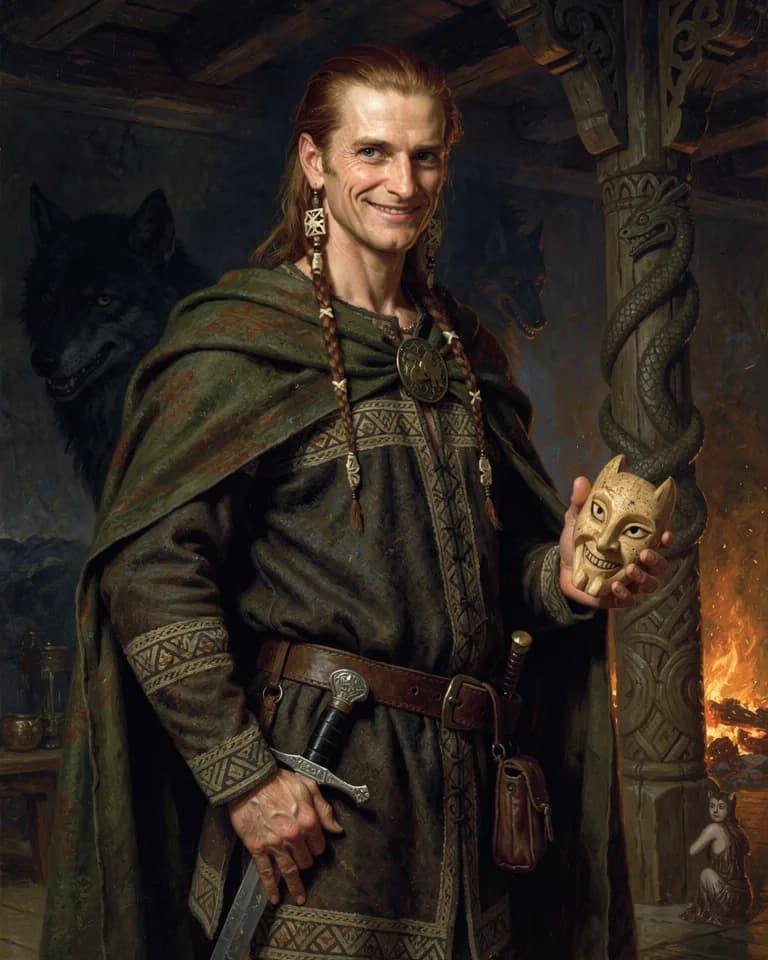
Loki
A complex figure, blood brother to Odin but frequently causing trouble for the gods. A shape-shifter and trickster who fathers monstrous children including Fenrir, Jormungandr, and Hel.
Divine domains
5 deities from 4 traditions whose entries in this atlas list chaos among their domains, grouped by tradition.
A complex figure, blood brother to Odin but frequently causing trouble for the gods. A shape-shifter and trickster who fathers monstrous children including Fenrir, Jormungandr, and Hel.
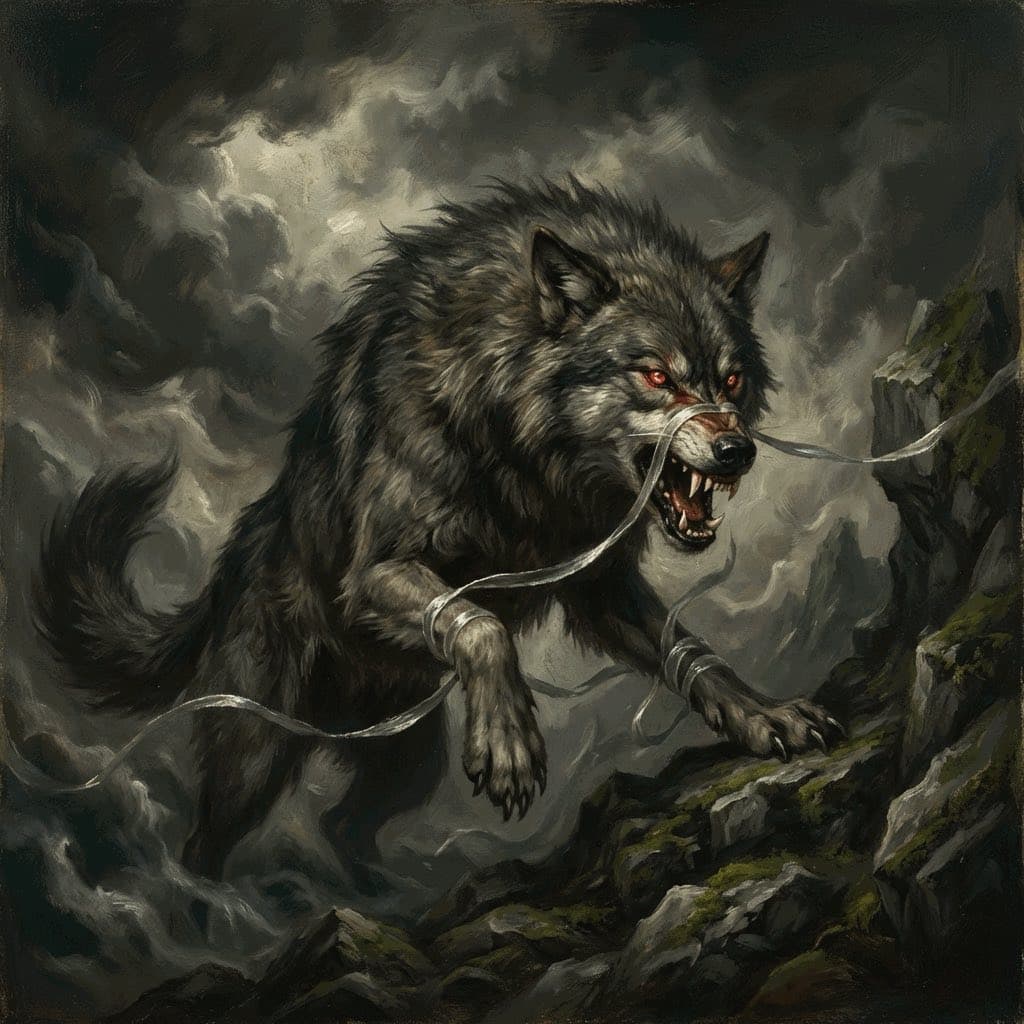
Monstrous wolf, son of Loki. Bound by the gods but prophesied to break free at Ragnarok and devour Odin. Represents the inevitable forces of chaos and destruction.
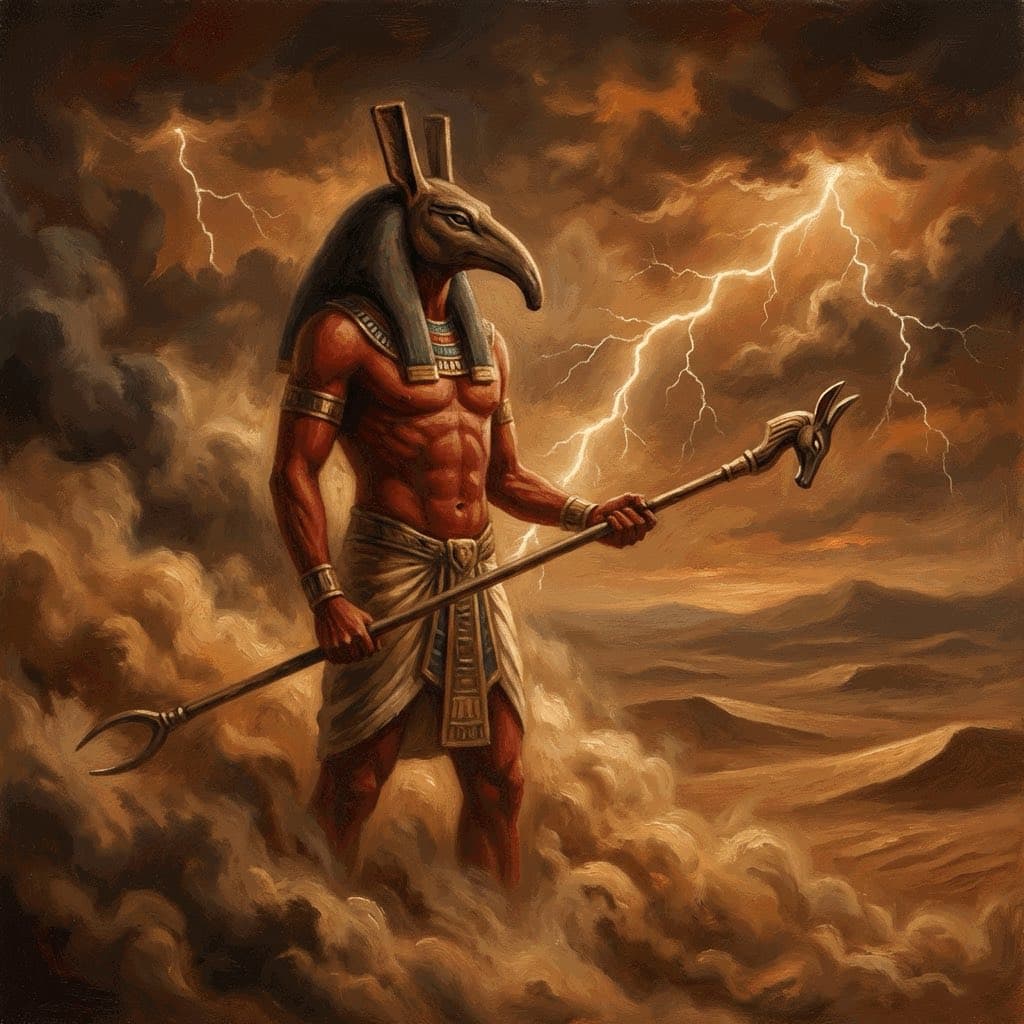
God of chaos, storms, and the desert. Brother and murderer of Osiris, enemy of Horus. Despite being a villain in myth, he also protects Ra's solar barque from Apophis each night.
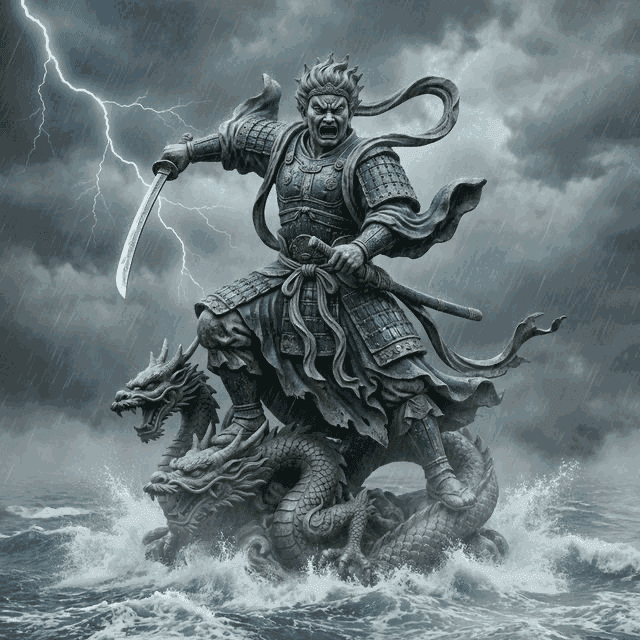
God of storms, sea, and chaos. Brother of Amaterasu. Initially wild but later heroic. Famous for slaying the eight-headed dragon Yamata no Orochi.
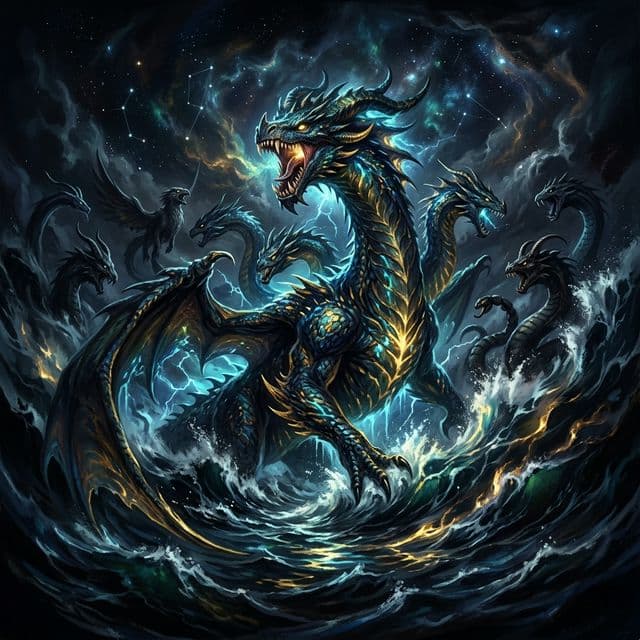
The primordial goddess of the salt sea and chaos dragon. Tiamat is the mother of the first gods and, after being slain by Marduk, became the raw material from which the universe was fashioned.
Editorial comparisons recorded on these entries; a shared role does not establish a shared origin.
Set (Egyptian) and Susanoo (Japanese)
Both are storm-and-chaos gods locked in ongoing rivalry with a sibling sun/order deity
Compare Set and SusanooBuilt from each deity's catalog entry. See every domain side by side on Divine Domains, or browse every cross-pantheon parallel.