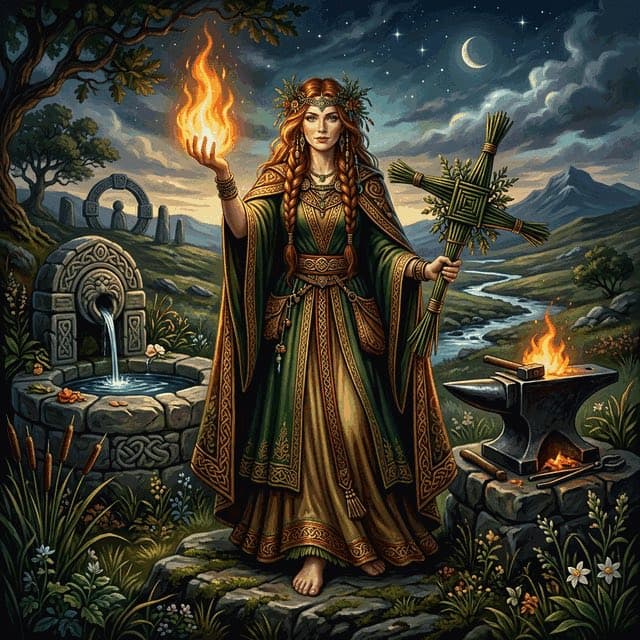
Brigid
The exalted goddess of fire, poetry, and the forge. She bridges the worlds of creativity and craftsmanship, and her sacred flame burns eternally.
Divine domains
6 deities from 4 traditions whose entries in this atlas list poetry among their domains, grouped by tradition.
The exalted goddess of fire, poetry, and the forge. She bridges the worlds of creativity and craftsmanship, and her sacred flame burns eternally.
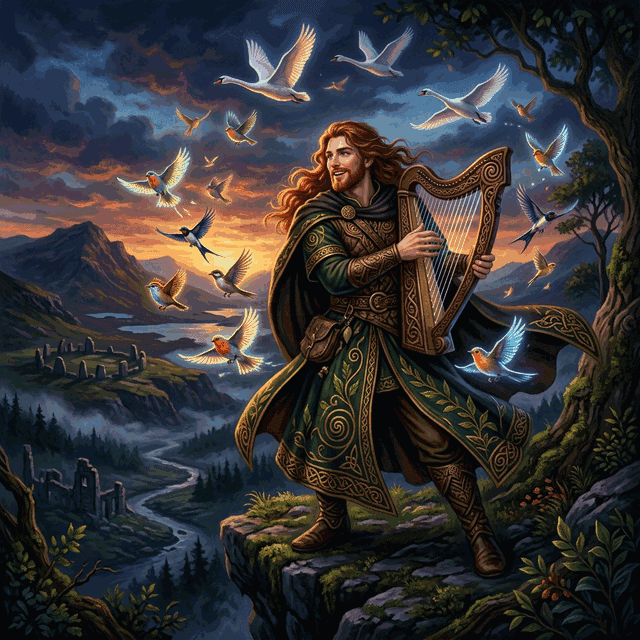
The ever-young god of love and poetic inspiration, whose kisses become birds that hover around young lovers' heads, whispering sweet nothings.
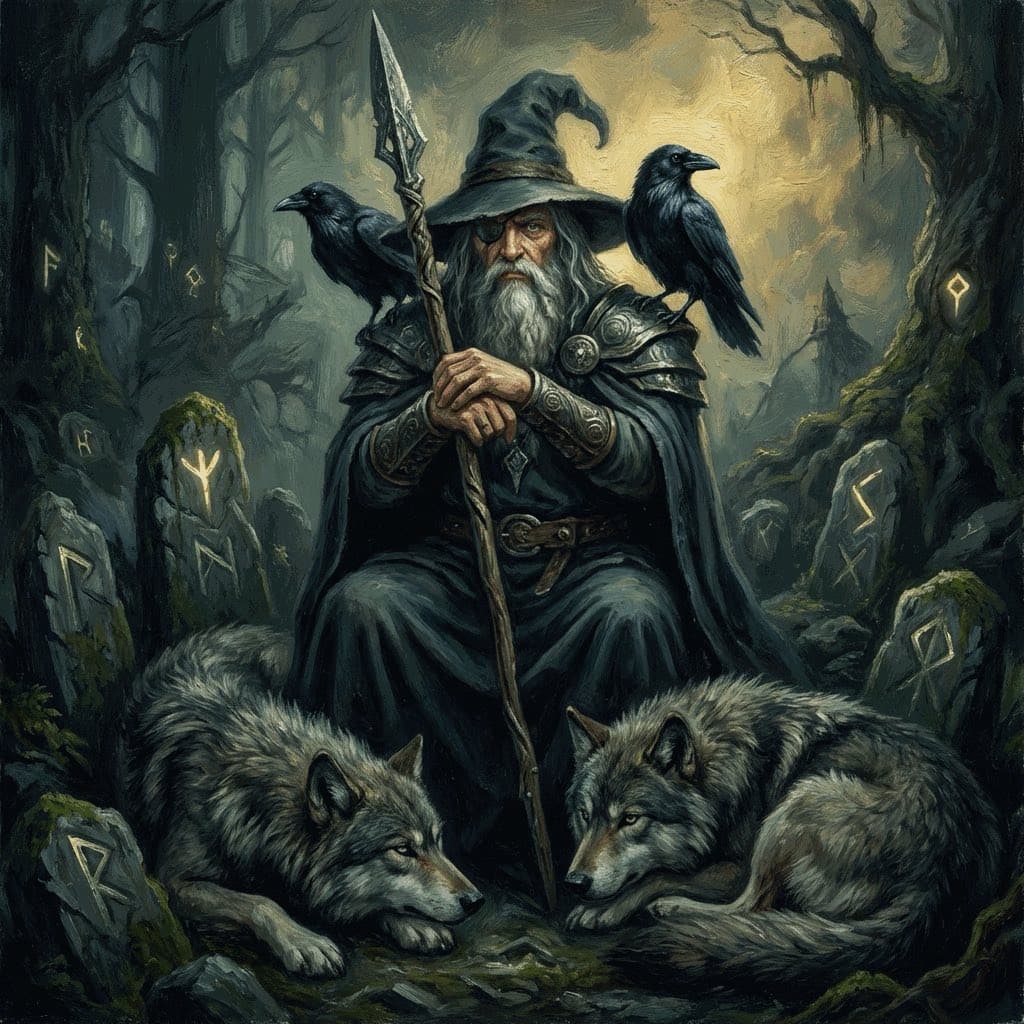
King of the Aesir and god of wisdom, war, and death. Odin sacrificed his eye at Mimir's well for wisdom and hung himself on Yggdrasil for nine days to learn the runes.
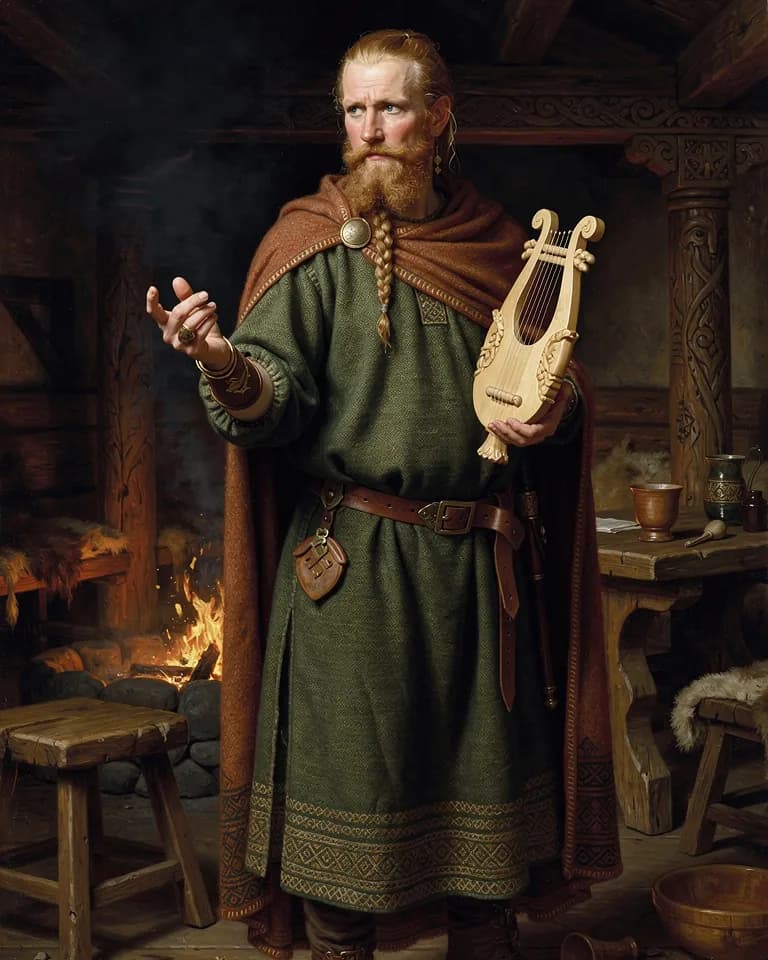
God of poetry and eloquence, husband of Idun. In Snorri Sturluson's Prose Edda, Bragi is the wise, gifted speaker who narrates several of the framing myths to the sea-giant Aegir, and skaldic verse itself takes its name from him.
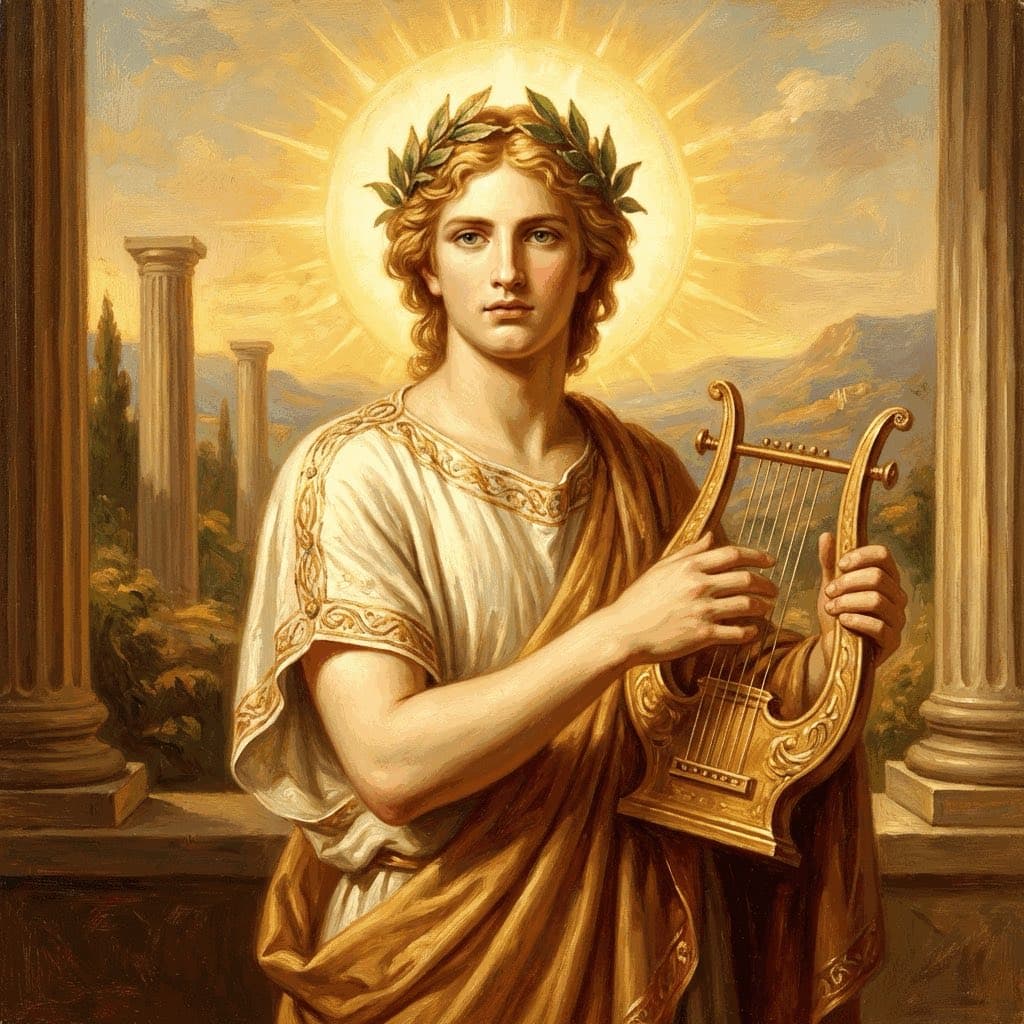
God of sun, music, poetry, prophecy, and healing. Twin brother of Artemis, patron of the Muses and leader of the nine sisters.
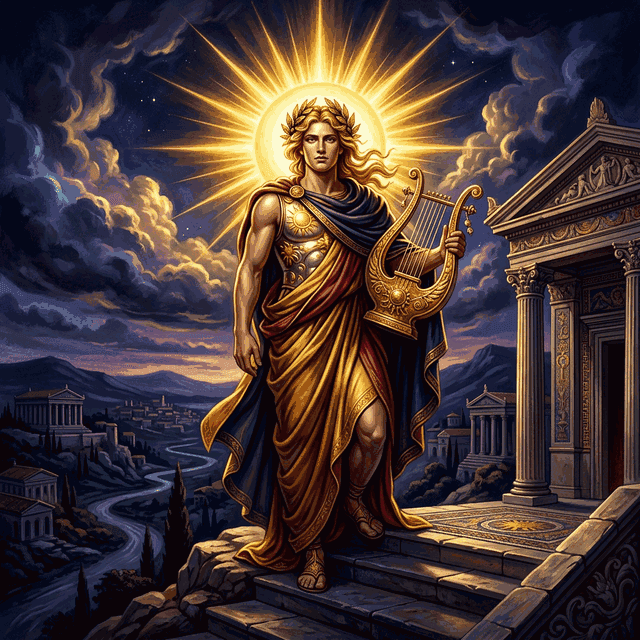
God of the sun, music, poetry, prophecy, healing, and archery. One of the few gods whose name remained unchanged from Greek to Roman. Patron of the Sibylline Books and protector of Augustus.
Editorial comparisons recorded on these entries; a shared role does not establish a shared origin.
Apollo (Greek) and Apollo (Roman)
Apollo is one of the few deities whose name remained unchanged in Roman religion, retaining all his Greek attributes
Compare Apollo and ApolloBragi (Norse) and Apollo (Greek)
Both are gods closely associated with poetry and eloquent speech, though Apollo's domain is far broader
Compare Bragi and ApolloBuilt from each deity's catalog entry. See every domain side by side on Divine Domains, or browse every cross-pantheon parallel.